Jan 25, 2013 | Pest Control, Wildlife
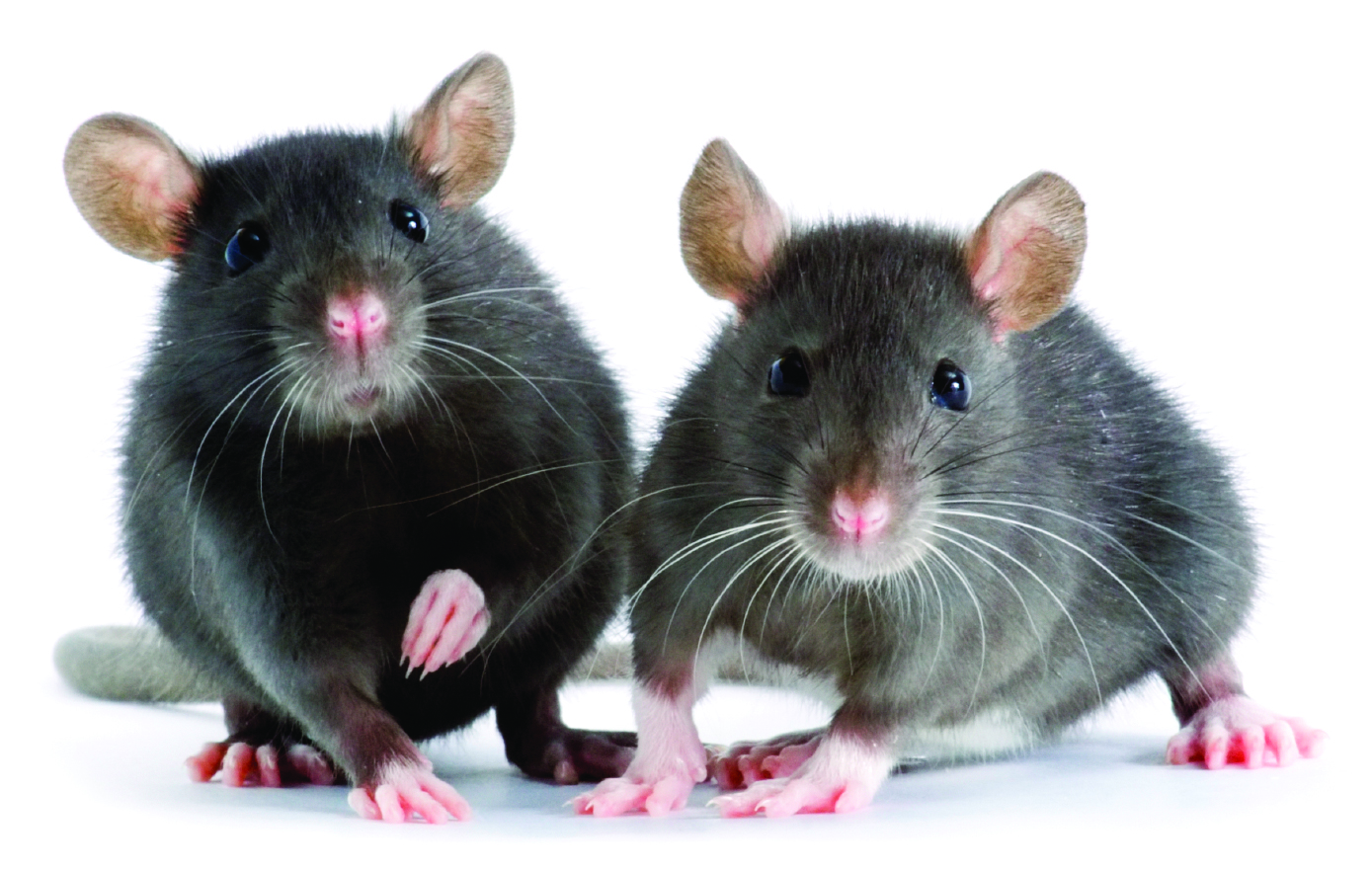
The NPMA recently posted an article on their website that explained the dangers that rodents can cause to your home and your health. We often talk in our blogs about the unsanitary conditions and the property damage that a rodent infestation can lead to but we rarely discuss the health risks that are involved.
Rodents, such as mice and rats, can leave droppings that can spread bacteria, contaminate food, and cause allergic reactions. Droppings can also spread diseases and viruses such as the following:
- Hantavirus – “Hantavirus is a potentially life-threatening disease transmitted to humans by rodents—primarily, the white-footed deer mouse. People become infected through exposure or inhalation of infected rodent urine, droppings or saliva, and the chances increase when people are near spaces where rodents are actively living.”
- Bubonic plague – “…is usually spread by the bite of an infected rodent flea and can cause fever, headache and painfully swollen lymph nodes.”
- Salmonellosis – Salmonellosis is a type of food poisoning spread by rodent feces, especially through the consumption of contaminated food. Symptoms include diarrhea, fever and abdominal pain.”
- Rat-Bite Fever – “Rat-bite fever (RBF) is a potentially fatal infectious disease spread by infected rodents or the consumption of food contaminated by rodents.”
To read the full article or get more information on the diseases above click HERE.
Please don’t take chances with the health of you or your loved ones. If you have rodents in your home, call a licensed exterminator, Northwest Exterminating, to get rid of the rodents in your home.
Source: http://www.pestworld.org/news-and-views/pest-articles/articles/health-threats-posed-by-rodents/
Jan 21, 2013 | Uncategorized
Ever wonder how gardens stayed plush and green without modern pest control techniques? Before exterminating companies existed, many planters relied on a method of organic pest control known as companion planting. Companion planting involves placing plants in your garden that have qualities that deter pests that surround and protect your other plants. For instance, planting certain herbs in your vegetable garden can attract beneficial insects while simultaneously repelling harmful ones.
One pest that likes to frequent gardens is the aphid, otherwise known as plant lice. These tiny insects suck the sap from the plant, taking all the nutrients to keep the plant healthy and living. Sometimes as they are feeding, aphids transmit plant viruses to plants such as potatoes and citrus plants, which can kill the plants. Planting chives, coriander or nasturtium around your plants will discourage infestations by these plants.
Nasturtium
Certain plants can keep larger pests out of your garden. For instance, planting lavender not only deter ticks, but also moths and mice. Mice also do not like the smell of daffodils, which can be used as a colorful boarder for an herb garden. Additionally, rabbits do not like the smell of onions, which can be planted alongside peas, beans, lettuce and cabbage. Lastly, sprinkling cayenne pepper on your plants can act as a deterrent for raccoons.
If companion planting still does not do the job of minimizing pest invasions, Northwest Exterminating offers pest control services that not only takes care of pest, but also does it in a green, environmentally friendly way! Northwest offers many services that will protect your plants, home and office environment. We offer more than pest elimination, but also healthier living and working environments. Check out our website for more info at www.callnorthwest.com
Melissa Brown
[email protected]
Sources:
http://gardening.about.com/od/naturalorganiccontrol/a/Companion_2.htm
http://en.wikipedia.org/wiki/Aphid
http://www.naturalnews.com/035853_companion_planting_garden_vegetables.html
Oct 5, 2012 | Pest Control, Wildlife
Q: My neighbors abandoned their home and the yard grew about 4 feet tall. The neighborhood had their lawn service cut it and they saw many mice and rats in the yard. The yard is behind mine. What can I do to prevent them from coming into my house?
A: It is a frustrating situation to be in when you are concerned about problems from another source that you do not have any control over!
All animals need three items in order to be successful: food, water and shelter. If you can eliminate these, in most cases you can help control any issue. It sounds as if cutting the grass from the neighbor’s yard took away the shelter and food causing them to search for these sources elsewhere.
We suggest that if you have any outdoor feeders for birds or squirrels to move them away from your home. Also, if you have any water sources such as fountains, bird baths, etc, it would be helpful to move them as far away from the home as possible. Additionally, make sure that any pet food, bird seed or grass seed is stored in a tightly concealed, rodent proof container.
If you find that you notice evidence of animals or rodents in or around your home, call Northwest Exterminating. A pest prevention program or wildlife control program may be needed to remove the unwanted visitors from your home.
Oct 5, 2012 | Pest Control, Wildlife
Q: My neighbors abandoned their home and the yard grew about 4 feet tall. The neighborhood had their lawn service cut it and they saw many mice and rats in the yard. The yard is behind mine. What can I do to prevent them from coming into my house?
A: It is a frustrating situation to be in when you are concerned about problems from another source that you do not have any control over!
All animals need three items in order to be successful: food, water and shelter. If you can eliminate these, in most cases you can help control any issue. It sounds as if cutting the grass from the neighbor’s yard took away the shelter and food causing them to search for these sources elsewhere.
We suggest that if you have any outdoor feeders for birds or squirrels to move them away from your home. Also, if you have any water sources such as fountains, bird baths, etc, it would be helpful to move them as far away from the home as possible. Additionally, make sure that any pet food, bird seed or grass seed is stored in a tightly concealed, rodent proof container.
If you find that you notice evidence of animals or rodents in or around your home, call Northwest Exterminating. A pest prevention program or wildlife control program may be needed to remove the unwanted visitors from your home.
Jul 9, 2012 | Pest Control
The NPMA recently released the results of a survey that listed the Top 5 Pests of the Summer for homeowners. The results are not too surprising to us here at Northwest Exterminating.
- Mosquitoes
- Ants
- Ticks
- Wasps & hornets
- Spiders
Along with being an annoyance, these pests can cause health and sanitary issues for homeowners and their families. Stings, bites, and disease are all risks that come with such pests. Luckily, with good housekeeping and an exterminator that you can trust, you can rest easy.
The NPMA has offered tips to avoid these pests throughout the summer:
- Clean out all parts of your kitchen where food products are stored to ensure that there are no crumbs or spills. Keep foods like cereal, crackers and cookies in sealed containers. This eliminates the food supply that attracts ants, mice, and cockroaches.
- Dust and vacuum regularly to prevent cobwebs and the spiders that weave them.
CLICK HERE to view the rest of the tips to avoid these summer pests.
Do you agree with the Top 5 pest results?