Aug 16, 2024 | DIY Mosquito Control, Mosquito
Mosquitoes are more than just a nuisance; their bites can pose serious health risks to humans and pets. In Georgia, where warm and humid conditions create an ideal breeding ground for these pests, it’s essential to understand how to protect your family effectively. This blog will detail the risks associated with mosquito bites, tips to prevent them, and the most effective mosquito repellents, including natural options and mosquito-repellent plants.
Risks Posed by Mosquito Bites
Mosquito bites can lead to more than just itchy welts. They are vectors for several dangerous diseases, posing significant health risks:
- West Nile Virus: This virus can cause severe neurological diseases in humans. There have also been recent cases of West Nile Virus related deaths reported.
- Zika Virus: Known for causing birth defects, this virus can have severe consequences for pregnant women.
- Dengue Fever: This painful, debilitating disease can lead to severe flu-like symptoms and, in extreme cases, death.
- Heartworm in Pets: Mosquito bites can transmit heartworm larvae to dogs and cats, which can be fatal if untreated.
Tips to Prevent Mosquito Bites
Preventing mosquito bites involves a combination of personal protection and environmental management. Here are some practical tips:
- Wear Protective Clothing: Long-sleeved shirts and pants can reduce skin exposure.
- Avoid Peak Mosquito Hours: Mosquitoes are most active during dawn and dusk.
- Use Mosquito Nets: Especially effective for protecting babies and young children.
- Eliminate Standing Water: Mosquitoes breed in stagnant water, so regularly empty containers, birdbaths, and gutters.
- Install Screens: Ensure windows and doors have screens to keep mosquitoes out of your home.
Most Effective Mosquito Repellents
When it comes to mosquito repellents, efficacy and safety are paramount. Here are some of the best options:
DEET (N,N-Diethyl-meta-toluamide)
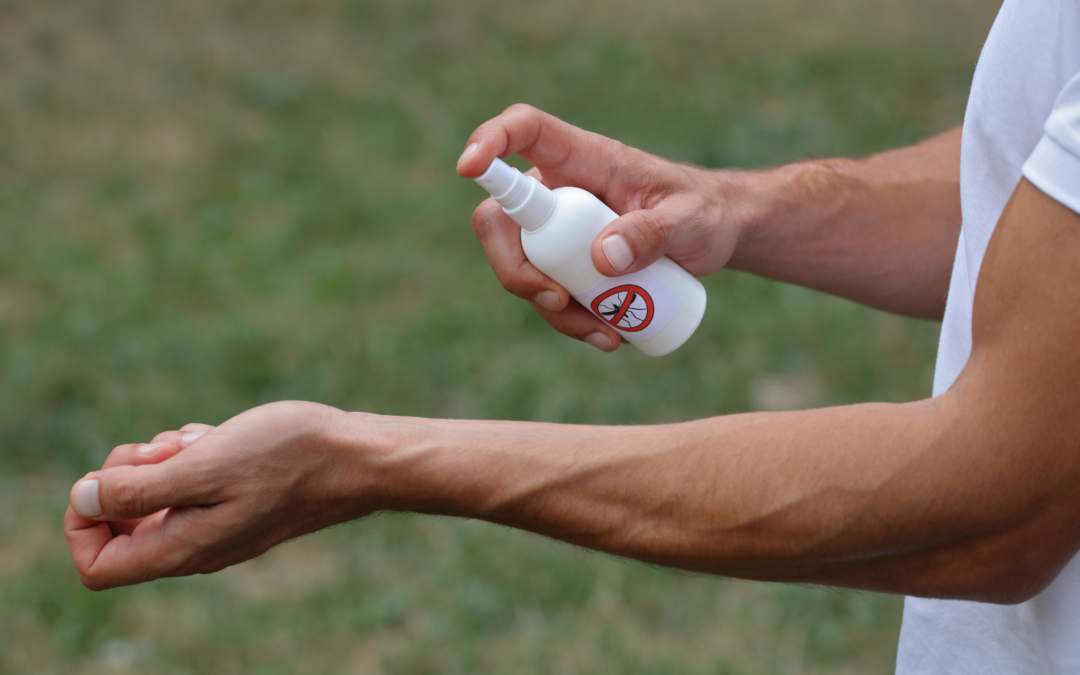
DEET is the most widely used active ingredient in mosquito repellents and is highly effective. Products containing 20% to 30% DEET provide long-lasting protection and are safe when used as directed by the Environmental Protection Agency (EPA).
Picaridin
Picaridin is another effective mosquito repellent that provides comparable protection to DEET. It is odorless, non-greasy, and less likely to irritate the skin. Products with 20% picaridin are recommended for the best protection.
Oil of Lemon Eucalyptus (OLE)
OLE is a plant-based repellent recognized by the CDC as an effective alternative to DEET and Picaridin. Products with 30% OLE can provide protection for up to six hours. It’s important to note that OLE should not be used on children under three years old.
Natural Mosquito Repellents
For those looking for natural options, several plant-based repellents can help keep mosquitoes at bay:
Citronella
Citronella oil, derived from lemongrass, is a common natural mosquito repellent. Candles, sprays, and lotions containing citronella can provide short-term protection. However, it’s not as long-lasting as DEET or Picaridin.
Lavender
Lavender oil not only has a pleasant fragrance but also acts as a natural mosquito repellent. Applying diluted lavender oil to the skin can help deter mosquitoes.
Tea Tree Oil
Tea tree oil has antiseptic and anti-inflammatory properties. It can be used as a natural repellent, though it should be diluted before application to avoid skin irritation.
Mosquito-Repellent Plants
Incorporating mosquito-repellent plants into your garden can provide additional protection. Here are some plants known for their mosquito-repellent properties:
Marigolds
Marigolds contain pyrethrum, a compound used in many insect repellents. Planting marigolds around your home can help keep mosquitoes at bay.
Basil
Basil is not only a culinary herb but also a mosquito repellent. The essential oils in basil can deter mosquitoes, making it an excellent choice for patio gardens.
Catnip
Catnip contains nepetalactone, which is highly effective at repelling mosquitoes. It is ten times more effective than DEET in some studies.
Mosquito control is essential for protecting your family from the health risks associated with mosquito bites. By combining effective mosquito repellents with preventive measures and natural solutions, you can enjoy the outdoors without the constant threat of these pests. For comprehensive mosquito control, consider consulting a professional mosquito control company in Georgia. They can provide tailored solutions to keep your home and yard mosquito-free.
May 29, 2024 | Commercial
Mosquitoes are not only nuisance pests, but also pose a potential threat to businesses, especially those in outdoor or hospitality sectors. While the annoyance of mosquito bites is well-known, the health risks they pose and the negative impact on customer experience and business reputation are often underestimated. Continue reading to discover the reasons why mosquito control for business is important.
Protecting Customers and Employees
Mosquitoes are vectors for various diseases, including West Nile Virus, Zika virus, dengue fever, and malaria. Not attempting to control mosquito populations on your properties can expose your customers and employees to these health risks – leading to a poor reputation. Mosquito bites can lead to discomfort, allergic reactions, and in severe cases, transmission of diseases. Putting a mosquito reduction program into place can demonstrate a commitment to the well-being of both customers and your team.
Enhancing Customer Experience
If your business relies on outdoor settings, such as restaurants, wedding venues, or recreational facilities, then mosquitoes can significantly detract from the customer experience. Nothing ruins a pleasant outdoor experience more than swarms of mosquitoes. By proactively addressing mosquito infestations through professional mosquito control measures, you create a more enjoyable experience for your customers.
How Can I Reduce Mosquitoes Around My Business?
- Mosquitoes can breed in as little as a bottle cap filled with water, so regularly clearing out areas where standing water occurs will help. Other places to keep an eye on are flowerpot trays, drain pans, and water features.
- Regularly clean and maintain gutters and downspouts to prevent standing water.
- Ensure your property has adequate drainage and keep drains clear to prevent water from backing up and forming puddles – especially after rainfall!
- Mosquitoes are weak fliers, so installing ceiling fans in outdoor seating areas can lessen the chances of mosquitoes bothering your guests.
Even if you take preventative measures, mosquitoes can still become a nuisance – putting your customers and teammates at risk. Be sure to call a pest management team near you for a free, personalized, no-obligation quote for mosquito control for your business!
May 21, 2024 | DIY Mosquito Control, Florida Mosquito Control
As a Florida resident, dealing with mosquito season each year can start to feel like a never-ending battle! Luckily, there are plenty of ways you can deter these pests from your property. We breakdown a guide on mosquito prevention you can utilize to protect your family and property in Florida from these pests!
Mosquito Prevention in Florida
Protect Yourself
To survive and breed, female mosquitoes need a blood meal, often looking to humans and pets for it. Mosquitoes will transfer diseases and viruses, including the Zika virus, dengue, West Nile virus, and more, making it crucial to protect yourself and your family from mosquito bites during their peak season. One of the best ways to deter mosquitoes from biting you and your family is utilizing mosquito repellent that contains DEET. Repellents with DEET can be very effective as they will block the mosquitoes CO2 receptors. We recommend spraying it onto your hands and running it over your skin instead of spraying it directly onto the skin.
Protect Your Yard
Your lawn is the first line of defense against mosquitoes taking over. The best way to avoid mosquito infestations is to maintain your lawn and place preventative measures throughout your yard to deter them away. Mosquitoes only need the smallest amount of standing water to breed, so it’s important to remove any potential breeding sites throughout your property. Inspect your yard and remove items that can hold water, leaves and debris, clogged gutters, and drainage sites. Likewise, look to trim trees and shrubs that are overgrown and continue your ongoing mowing schedule.
Protect Your Home
Have you ever had to deal with a constant buzzing sound in your home? If so, you know how annoying it can be, especially when you can’t find the culprit! To keep mosquitoes from sneaking into your home, confirm that your windows and doors screens are in good condition, replacing any torn ones if needed. During peak mosquito season, try to keep your doors and windows closed as much as possible.
Consider Mosquito Treatments
While placing these measures throughout your home will always support mosquito prevention efforts, sometimes it’s best to reach out to a mosquito control company near you for even more support. Consider hiring a reputable Florida mosquito control company to inspect your property, identify breeding sites, and implement targeted treatments to reduce mosquito populations effectively.
May 10, 2024 | DIY Mosquito Control, Mosquito
In the warm and humid climate of Georgia, mosquitoes are a common nuisance, particularly during the summer months. While their buzzing may seem harmless, mosquito bites can lead to discomfort and even pose health risks. Understanding how to identify, treat, and prevent these bites is essential for maintaining a safe and enjoyable outdoor experience. In this guide, we’ll delve into everything you need to know about mosquito bites and how to deal with them effectively.
Identifying Mosquito Bites
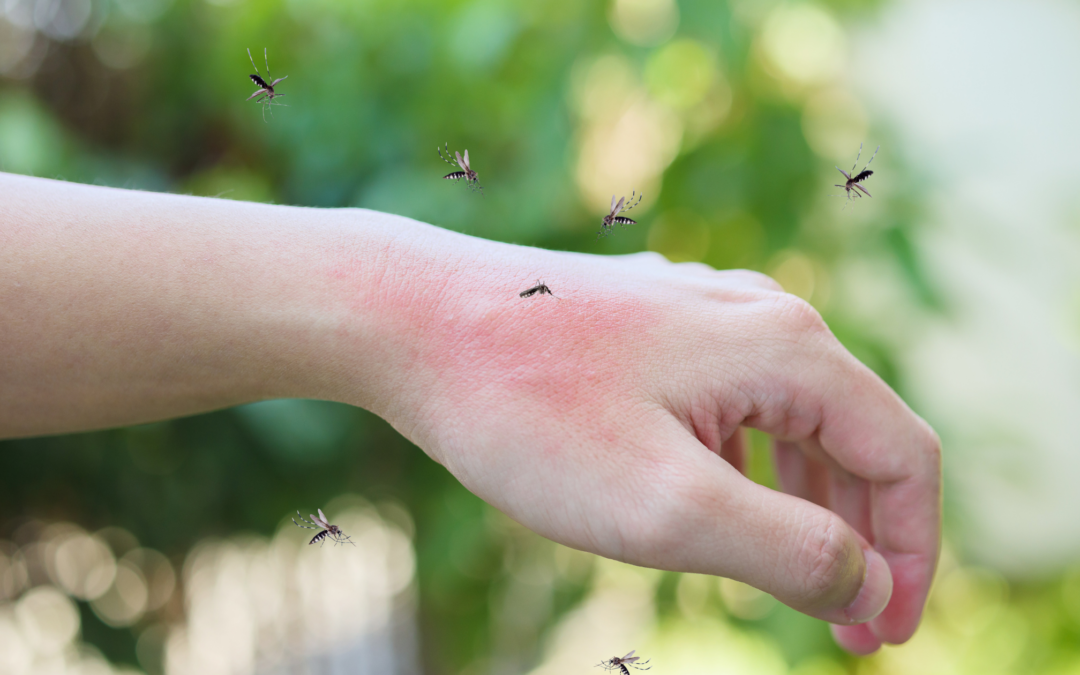
Mosquito bites are typically small, red, and itchy bumps on the skin. They often appear in clusters and can be easily mistaken for other insect bites. However, there are some distinguishing features of bites from mosquitoes that can help you identify them. They usually have a central puncture mark, where the mosquito has inserted its proboscis to draw blood. Additionally, they tend to itch more intensely compared to other insect bites.
Symptoms of Mosquito Bites
Aside from the characteristic red bumps and itching, bites from mosquitoes can sometimes cause more severe reactions in certain individuals. These symptoms may include swelling, soreness, and even blistering around the bite area. In rare cases, individuals may experience allergic reactions to mosquito saliva, leading to symptoms such as hives, difficulty breathing, and swelling of the face or throat. It’s essential to seek medical attention immediately if you experience severe allergic reactions to these bites.
Risks Associated with Mosquito Bites
Mosquito bites not only cause discomfort but also carry the risk of transmitting various diseases. In Georgia, mosquitoes can transmit diseases such as West Nile virus, Eastern equine encephalitis, and Zika virus. Additionally, pets are also susceptible to mosquito-borne illnesses, including heartworm disease in dogs. Mosquito control is crucial for protecting both humans and pets from these potentially harmful diseases.
How Long Do Mosquito Bites Last
The duration of insect bites can vary depending on individual factors such as skin sensitivity and immune response. In general, mosquito bites typically last for a few days to a week. However, the itching and discomfort can persist for longer periods in some cases. Proper treatment and care can help alleviate symptoms and speed up the healing process.
Treating Mosquito Bites
When it comes to treating bites from mosquitoes, there are several home remedies and over-the-counter options available. Calamine lotion or hydrocortisone cream can help reduce itching and inflammation. Applying a cold compress or ice pack to the affected area can also provide temporary relief. Additionally, antihistamines can help alleviate itching and discomfort caused by the bites. For severe reactions or signs of infection, it’s best to consult a healthcare professional for proper evaluation and treatment.
Preventing Mosquito Bites
Prevention is key when it comes to avoiding mosquito bites. Here are some effective strategies to minimize your risk of being bitten:
- Eliminate standing water: Mosquitoes breed in stagnant water, so it’s essential to eliminate any sources of standing water around your home, such as clogged gutters, flower pots, and bird baths.
- Use insect repellent: Apply EPA-approved insect repellents containing DEET, picaridin, or oil of lemon eucalyptus to exposed skin and clothing when spending time outdoors.
- Wear protective clothing: Cover exposed skin with long sleeves, pants, and socks to reduce the risk of mosquito bites.
- Install screens: Keep windows and doors screened to prevent mosquitoes from entering your home.
- Avoid peak mosquito activity: Mosquitoes are most active during dawn and dusk, so try to limit outdoor activities during these times if possible.
Mosquito bites are more than just a nuisance—they can pose serious health risks to humans and pets alike. By understanding how to identify, treat, and prevent them, you can enjoy the outdoors safely and comfortably. Remember to take proactive measures to control mosquitoes around your home and minimize your exposure to these pesky insects. If mosquito infestations persist despite your efforts, consider seeking professional assistance from a trusted mosquito control company to address the issue effectively. Stay informed, stay protected, and enjoy a bite-free summer in Georgia!
May 2, 2024 | DIY Mosquito Control, Florida Mosquito Control
Dealing with mosquitoes is almost a year-round endeavor for Florida homeowners. Florida’s humid and hot weather is the perfect environment for these pesky insects to thrive. Unfortunately, we often deal with their itchy, irritating bites. So why do mosquitoes bite in the first place? And what are the best ways to prevent mosquitoes from biting us and taking over our yards? Let’s breakdown mosquito bites and easy do-it-yourself methods to prevent them.
Why do mosquitoes bite?
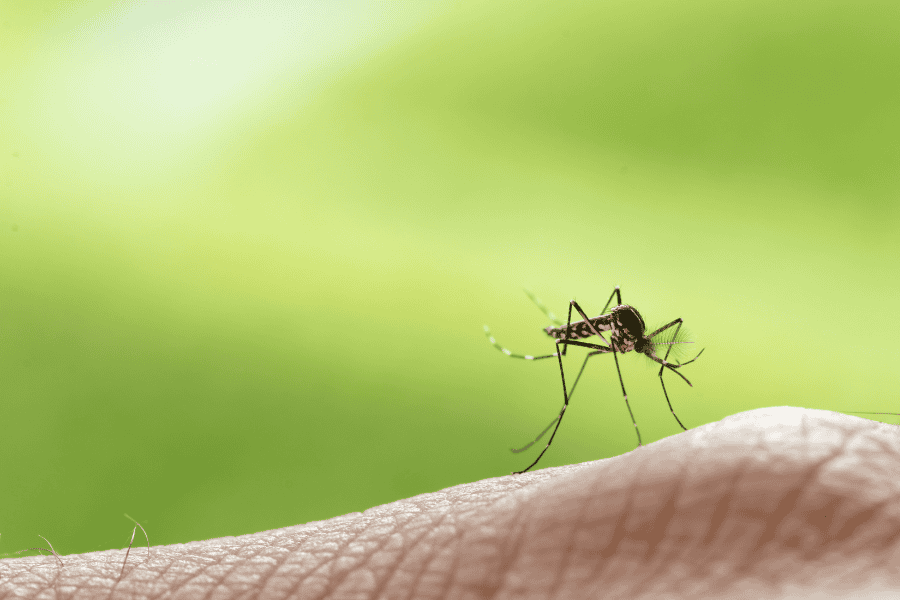
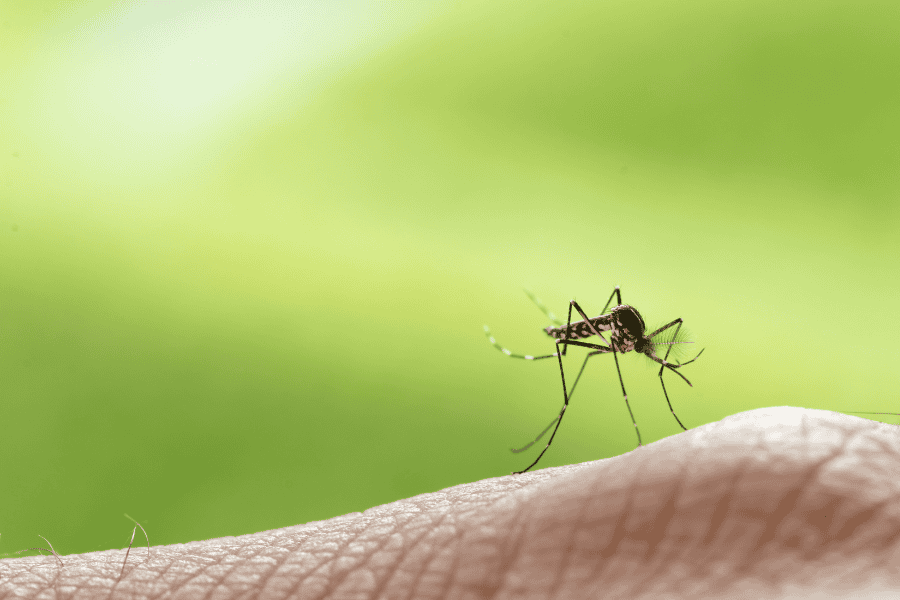
To obtain the protein to develop eggs, female mosquitoes will bite animals and humans. Female mosquitoes will locate a host by the carbon dioxide we exhale, heat, and even body odor. When a mosquito lands on your skin, it will use its proboscis or their long, needle-like mouthpart, to pierce your skin and suck your blood. While the mosquito is feeding, it will inject its saliva onto your skin, which can cause an allergic reaction and result in itchiness and swelling. Mosquitoes will bite and feed on blood until they have consumed enough and are full.
How can I avoid mosquito bites?
Depending on the person, mosquito bites can cause an allergic reaction and are also prone to spread disease, including the Zika virus, West Nile, and Encephalitis, so it’s important to take precautions before you go outside during peak mosquito season and maintain your yard to avoid their infestation. There are several do-it-yourself tips to prevent mosquito bites you can utilize:
- Use mosquito repellent: Apply mosquito repellent containing DEET to your skin before going outdoors during peak mosquito time; make sure to rub the repellent on your skin instead of only spraying it.
- Wear protective clothing: If you’ll be outside for a long period of time, consider wearing long-sleeved shirts and pants to cover your skin. Since mosquitoes are attracted to dark colors, consider wearing light-colored clothing instead.
- Use screens: Install screens on your windows and doors making sure they are in good repair during mosquito season.
- Remove standing water: Mosquitoes use standing water to survive and breed. Remove any items that could hold water, especially after a rainstorm, such as toys, buckets, pet bowls, tarps, old tires, and hollowed logs or stumps.
Eliminating and controlling mosquitoes can feel like an endless battle during Florida’s spring and summer months, even with preventative measures in place. But you don’t have to battle mosquitoes alone! Contact the nearest pest control company for a thorough inspection, effective mosquito control plan, and recommendations on preventing mosquitoes in the future!