Mar 21, 2017 | Mosquito
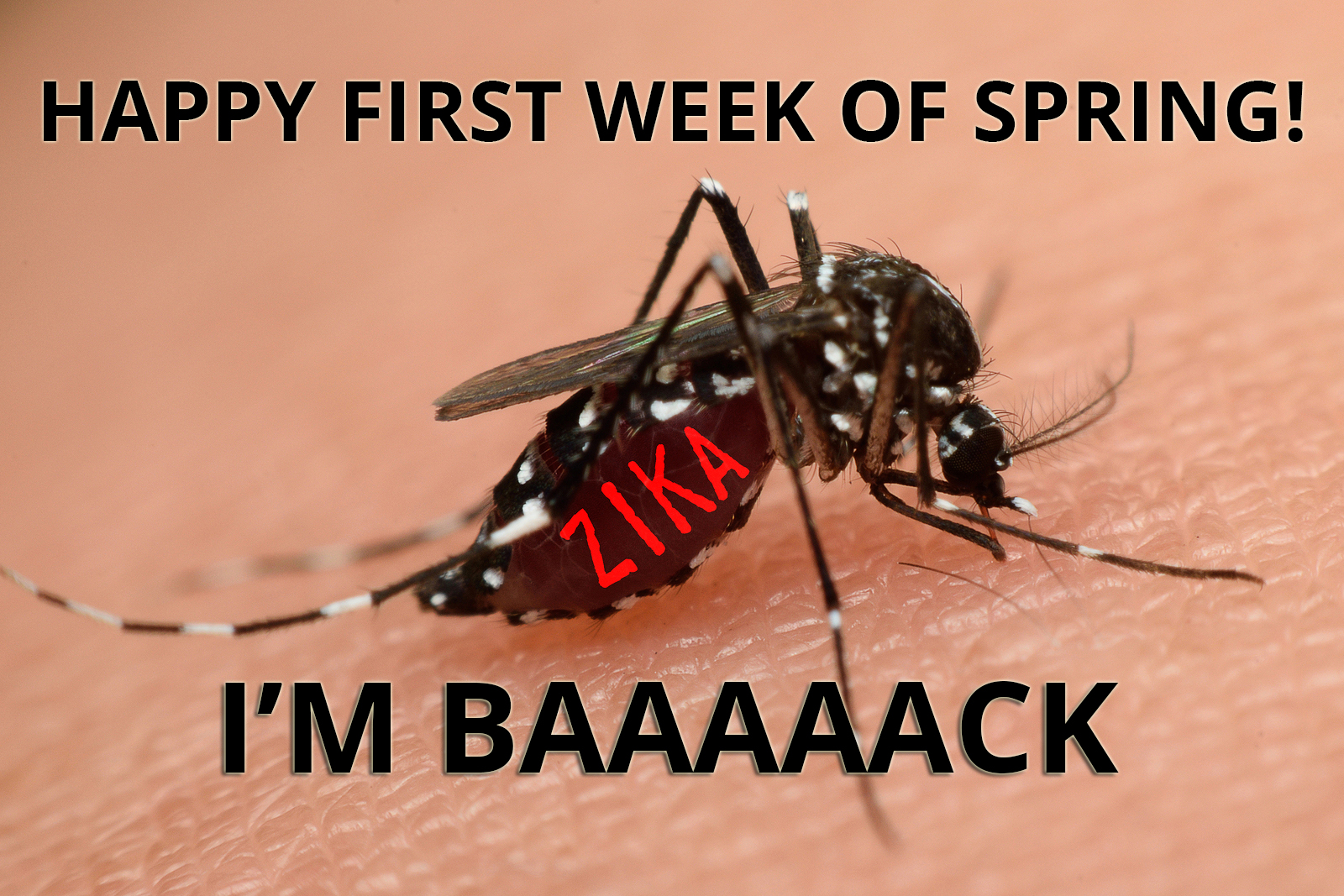
It’s the first official week of Spring (aka Mosquito Season)! Time to start thinking about mosquito prevention.
The risk of contracting mosquito-borne Zika virus in the U.S. is at an all-time high, specifically dangerous for pregnant women or those trying to conceive as the virus can cause serious birth defects. According to the CDC, 222 cases of Zika were reported as of March 15, 2017, acquired through local mosquito-borne transmission in Florida and Texas. And because there’s currently no vaccine for Zika, the only way to prevent it is with mosquito bite prevention. Here’s how you can minimize your risk and limit the spread of Zika.
Home Mosquito Control
The best way to prevent mosquito bites when spending time outside this spring and summer is to reduce mosquito populations around your home with a mosquito control program. Usually consisting of monthly treatments, a professional mosquito control program includes:
- Removal and/or reduction of mosquito resting and breeding sites – any areas that accumulate standing water like planters, toys, bird baths, pet bowls, containers, etc.
- Larvicide treatments to mosquito breeding sites that cannot be removed, targeting mosquito larvae which inhibits maturity into adult mosquitoes
- Adulticide treatments to mosquito resting sites – shaded areas, shrubbery, small trees, ivy, etc. – reducing the amount of adult mosquitoes around your home
- Monthly inspections and recommendations on how to reduce mosquito breeding and resting areas
Other ways you can prevent mosquito bites:
- Cover arms and legs when spending time outdoors with light, loose-fitting clothing
- Keep mosquitoes out of your home by identifying entry points like broken, damaged, or missing window and door screens and make necessary repairs
- Reduce mosquito breeding areas by eliminating any items inside that can accumulate standing water
- Use EPA-registered insect repellents that contain DEET, picaridin, IR3535, oil of lemon eucalyptus or para-menthane-diol, or 2-undecanone

Mar 21, 2017 | Mosquito
It’s the first official week of Spring (aka Mosquito Season)! Time to start thinking about mosquito prevention.
The risk of contracting mosquito-borne Zika virus in the U.S. is at an all-time high, specifically dangerous for pregnant women or those trying to conceive as the virus can cause serious birth defects. According to the CDC, 222 cases of Zika were reported as of March 15, 2017, acquired through local mosquito-borne transmission in Florida and Texas. And because there’s currently no vaccine for Zika, the only way to prevent it is with mosquito bite prevention. Here’s how you can minimize your risk and limit the spread of Zika.
Home Mosquito Control
The best way to prevent mosquito bites when spending time outside this spring and summer is to reduce mosquito populations around your home with a mosquito control program. Usually consisting of monthly treatments, a professional mosquito control program includes:
- Removal and/or reduction of mosquito resting and breeding sites – any areas that accumulate standing water like planters, toys, bird baths, pet bowls, containers, etc.
- Larvicide treatments to mosquito breeding sites that cannot be removed, targeting mosquito larvae which inhibits maturity into adult mosquitoes
- Adulticide treatments to mosquito resting sites – shaded areas, shrubbery, small trees, ivy, etc. – reducing the amount of adult mosquitoes around your home
- Monthly inspections and recommendations on how to reduce mosquito breeding and resting areas
Other ways you can prevent mosquito bites:
- Cover arms and legs when spending time outdoors with light, loose-fitting clothing
- Keep mosquitoes out of your home by identifying entry points like broken, damaged, or missing window and door screens and make necessary repairs
- Reduce mosquito breeding areas by eliminating any items inside that can accumulate standing water
- Use EPA-registered insect repellents that contain DEET, picaridin, IR3535, oil of lemon eucalyptus or para-menthane-diol, or 2-undecanone
May 20, 2016 | Going Green, Mosquito, Pest Control
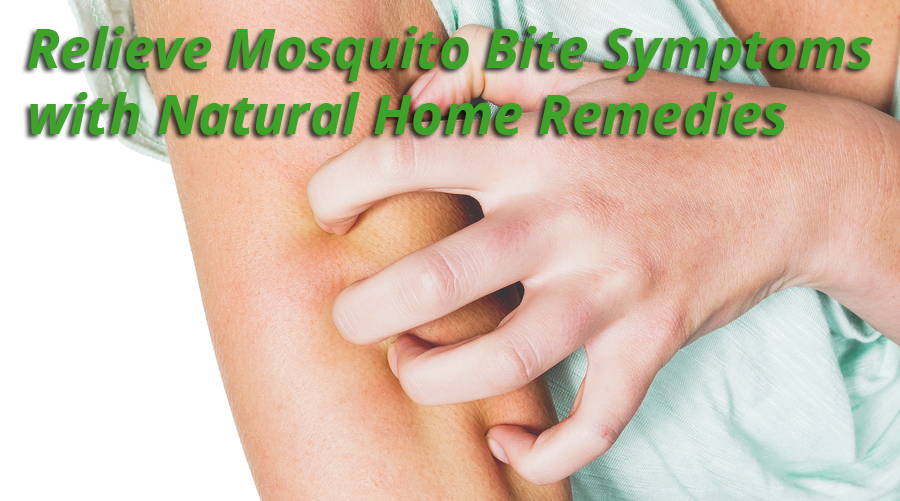
We all need food to survive, right? Unfortunately for us, mosquitoes live off of blood meals from people and animals, which is obtained by biting their victims. Ouch! And chances are, even if you practice strict mosquito prevention, you’ll still be bitten at some point during mosquito season in warm, humid climates. Here’s what you can do to minimize the itching, swelling, rashes, and diseases that mosquito bites often leave behind.
Apply Aloe Vera
Aloe is a natural antiseptic that will minimize swelling, pain, and itching, and will also help the bite to heal faster. Chilled aloe vera works even better. Pop it into the fridge for awhile before applying for maximum results and relief.
Ice It
Applying ice directly onto mosquito bites will reduce swelling, relieve pain, and make the bite less itchy. Leave it on for 10-15 minute increments at a time, using as often as needed.
Take a Bath
Soak in an oatmeal-infused bath for several allergic reactions to mosquito bites. The oatmeal will soothe symptoms of the bites immediately.
Lemon-Aid
Lemons have natural antiseptic and anti-inflamatory properties that will reduce symptoms of mosquito bites and minimize the risk of infection. Cut a lemon in half and rub it over the affected area.
Have Some Tea
Hold a damp green tea bag (preferably cold) onto the mosquito bites for immediate relief from itchiness, swelling, and redness.
Dab of Honey
Honey is a natural antiseptic. Apply a small amount directly onto mosquito bites to help prevent infection.
Cover it
Cover the bites with a bandaid or even tape to keep yourself from scratching it, which will reduce chances of prolonged symptoms and infection.
May 6, 2016 | DIY, DIY Pest Control, Mosquito, Pest Control
While pests in the house are a year-round nuisance here in the South, certain bugs are more active in warmer months. If you own or rent a home or apartment, you’re likely to come across one or all of these 5 summer pests. Here’s what you can do to prevent them.
1. Ants
Most of the ants you’ll find in your home won’t bite, but that’s not always the case. It’s best to eliminate any potential food sources and entry points to keep them out. You can do this by sealing cracks and crevices and by keeping a clean house. Take the trash out regularly, store food in sealed containers, and clean up spills immediately. Leaving pet food unattended can also attract ants and other pests, so keep the food in a sealed container when not being eaten by pets, and off of floors.
2. Mosquitoes
We’ve likely all been bitten at some point by mosquitoes. They’re active in warmer months and lay their eggs in standing water. In order to have the nutrients to lay these eggs, female mosquitoes need a food source – blood from humans and pets. If bitten, you may experience stinging or itching. In rare cases, mosquitoes will transmit diseases to their host. To prevent mosquitoes, eliminate any standing water around your home – debris, toys, bird baths, fountains, ponds, pet water bowls, etc. Wear mosquito repellent when outdoors, make sure pets are current on heartworm medication, and consider a professional mosquito control service from your local exterminating company.
3. Fleas
As temperatures heat up, fleas come out to play by attaching themselves to a food source – usually your pets. Because flea allergies are common, the bites can be itchy and painful, and they transmit diseases, it’s important to keep your pets current on preventative flea medication. Give them baths regularly, keep pet beds clean, and vacuum often. If your pet gets infested with fleas, we recommend contacting a pest control professional. Fleas reproduce quickly and can be hard to get rid of.
4. Flies
Keeping flies out can be hard to do in the summer. Just like most other pests, they’re looking for food. Prevent flies from spreading bacteria throughout your home by keeping windows and doors closed, taking the trash out often and moving garbage cans away from the exterior of your home. Don’t leave food out and clean up dishes and spills immediately.
5. Roaches
Roaches thrive in warm, humid temperatures. And because they eat almost anything, they can be hard to get rid of once inside your home. They’re most often seen in kitchens and bathrooms. Because they spread bacteria and often cause severe allergic reactions, it’s a good idea to contact an exterminator if you’re seeing roaches. Where there’s one roach, there’s probably a few hundred more hiding somewhere close. They reproduce quickly and are one of the most difficult pests to get rid of once your home is infested. To prevent roaches, keep a clean house, don’t bring in boxes or newspapers, and seal any cracks, holes or crevices.
May 6, 2016 | Mosquito, Pest Control
While pests in the house are a year-round nuisance here in the South, certain bugs are more active in warmer months. If you own or rent a home or apartment, you’re likely to come across one or all of these 5 summer pests. Here’s what you can do to prevent them.
1. Ants
Most of the ants you’ll find in your home won’t bite, but that’s not always the case. It’s best to eliminate any potential food sources and entry points to keep them out. You can do this by sealing cracks and crevices and by keeping a clean house. Take the trash out regularly, store food in sealed containers, and clean up spills immediately. Leaving pet food unattended can also attract ants and other pests, so keep the food in a sealed container when not being eaten by pets, and off of floors.
2. Mosquitoes
We’ve likely all been bitten at some point by mosquitoes. They’re active in warmer months and lay their eggs in standing water. In order to have the nutrients to lay these eggs, female mosquitoes need a food source – blood from humans and pets. If bitten, you may experience stinging or itching. In rare cases, mosquitoes will transmit diseases to their host. To prevent mosquitoes, eliminate any standing water around your home – debris, toys, bird baths, fountains, ponds, pet water bowls, etc. Wear mosquito repellent when outdoors, make sure pets are current on heartworm medication, and consider a professional mosquito control service from your local exterminating company.
3. Fleas
As temperatures heat up, fleas come out to play by attaching themselves to a food source – usually your pets. Because flea allergies are common, the bites can be itchy and painful, and they transmit diseases, it’s important to keep your pets current on preventative flea medication. Give them baths regularly, keep pet beds clean, and vacuum often. If your pet gets infested with fleas, we recommend contacting a pest control professional. Fleas reproduce quickly and can be hard to get rid of.
4. Flies
Keeping flies out can be hard to do in the summer. Just like most other pests, they’re looking for food. Prevent flies from spreading bacteria throughout your home by keeping windows and doors closed, taking the trash out often and moving garbage cans away from the exterior of your home. Don’t leave food out and clean up dishes and spills immediately.
5. Roaches
Roaches thrive in warm, humid temperatures. And because they eat almost anything, they can be hard to get rid of once inside your home. They’re most often seen in kitchens and bathrooms. Because they spread bacteria and often cause severe allergic reactions, it’s a good idea to contact an exterminator if you’re seeing roaches. Where there’s one roach, there’s probably a few hundred more hiding somewhere close. They reproduce quickly and are one of the most difficult pests to get rid of once your home is infested. To prevent roaches, keep a clean house, don’t bring in boxes or newspapers, and seal any cracks, holes or crevices.