May 10, 2024 | DIY Mosquito Control, Mosquito
In the warm and humid climate of Georgia, mosquitoes are a common nuisance, particularly during the summer months. While their buzzing may seem harmless, mosquito bites can lead to discomfort and even pose health risks. Understanding how to identify, treat, and prevent these bites is essential for maintaining a safe and enjoyable outdoor experience. In this guide, we’ll delve into everything you need to know about mosquito bites and how to deal with them effectively.
Identifying Mosquito Bites
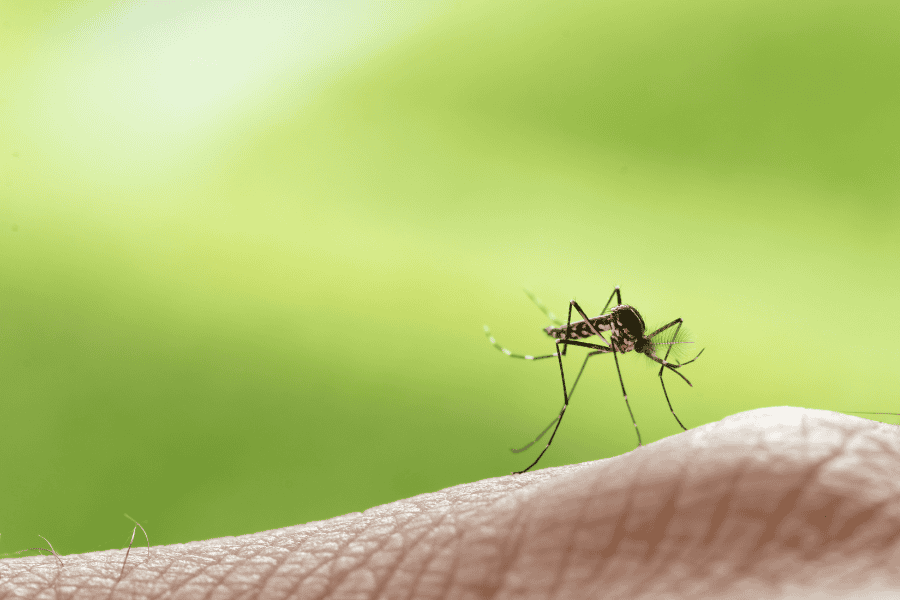
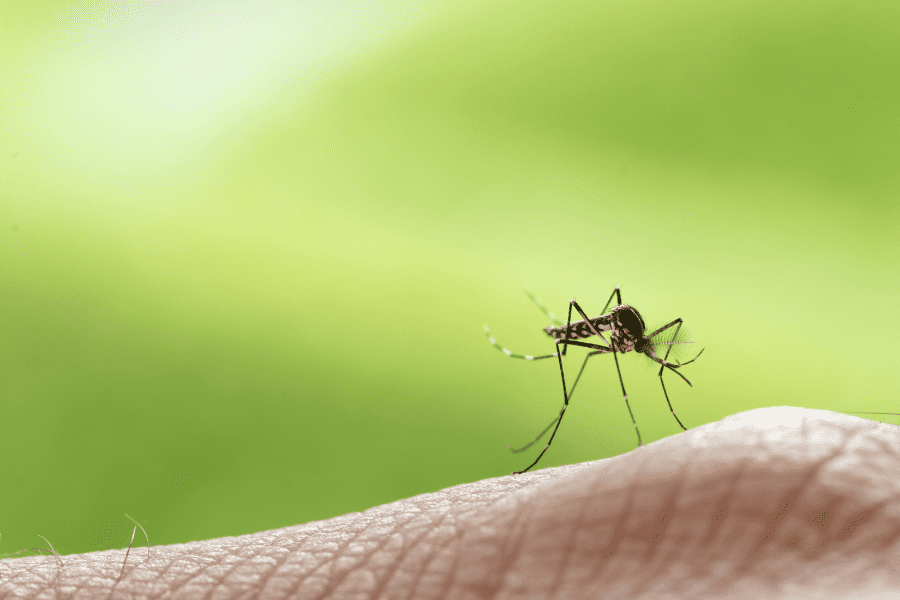
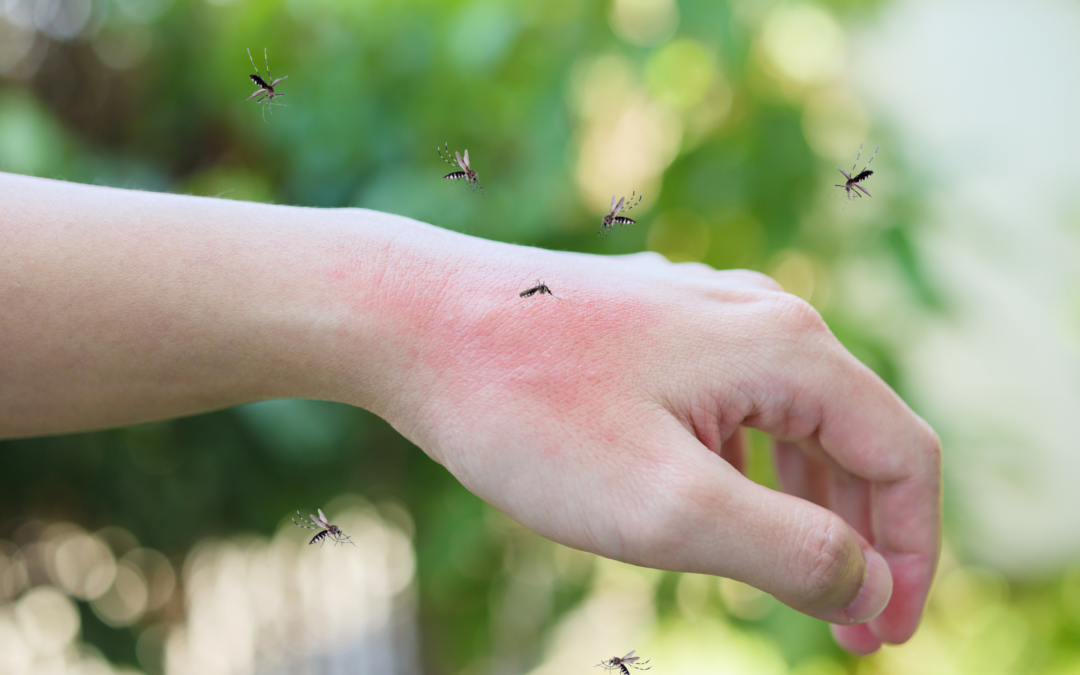
Mosquito bites are typically small, red, and itchy bumps on the skin. They often appear in clusters and can be easily mistaken for other insect bites. However, there are some distinguishing features of bites from mosquitoes that can help you identify them. They usually have a central puncture mark, where the mosquito has inserted its proboscis to draw blood. Additionally, they tend to itch more intensely compared to other insect bites.
Symptoms of Mosquito Bites
Aside from the characteristic red bumps and itching, bites from mosquitoes can sometimes cause more severe reactions in certain individuals. These symptoms may include swelling, soreness, and even blistering around the bite area. In rare cases, individuals may experience allergic reactions to mosquito saliva, leading to symptoms such as hives, difficulty breathing, and swelling of the face or throat. It’s essential to seek medical attention immediately if you experience severe allergic reactions to these bites.
Risks Associated with Mosquito Bites
Mosquito bites not only cause discomfort but also carry the risk of transmitting various diseases. In Georgia, mosquitoes can transmit diseases such as West Nile virus, Eastern equine encephalitis, and Zika virus. Additionally, pets are also susceptible to mosquito-borne illnesses, including heartworm disease in dogs. Mosquito control is crucial for protecting both humans and pets from these potentially harmful diseases.
How Long Do Mosquito Bites Last
The duration of insect bites can vary depending on individual factors such as skin sensitivity and immune response. In general, mosquito bites typically last for a few days to a week. However, the itching and discomfort can persist for longer periods in some cases. Proper treatment and care can help alleviate symptoms and speed up the healing process.
Treating Mosquito Bites
When it comes to treating bites from mosquitoes, there are several home remedies and over-the-counter options available. Calamine lotion or hydrocortisone cream can help reduce itching and inflammation. Applying a cold compress or ice pack to the affected area can also provide temporary relief. Additionally, antihistamines can help alleviate itching and discomfort caused by the bites. For severe reactions or signs of infection, it’s best to consult a healthcare professional for proper evaluation and treatment.
Preventing Mosquito Bites
Prevention is key when it comes to avoiding mosquito bites. Here are some effective strategies to minimize your risk of being bitten:
- Eliminate standing water: Mosquitoes breed in stagnant water, so it’s essential to eliminate any sources of standing water around your home, such as clogged gutters, flower pots, and bird baths.
- Use insect repellent: Apply EPA-approved insect repellents containing DEET, picaridin, or oil of lemon eucalyptus to exposed skin and clothing when spending time outdoors.
- Wear protective clothing: Cover exposed skin with long sleeves, pants, and socks to reduce the risk of mosquito bites.
- Install screens: Keep windows and doors screened to prevent mosquitoes from entering your home.
- Avoid peak mosquito activity: Mosquitoes are most active during dawn and dusk, so try to limit outdoor activities during these times if possible.
Mosquito bites are more than just a nuisance—they can pose serious health risks to humans and pets alike. By understanding how to identify, treat, and prevent them, you can enjoy the outdoors safely and comfortably. Remember to take proactive measures to control mosquitoes around your home and minimize your exposure to these pesky insects. If mosquito infestations persist despite your efforts, consider seeking professional assistance from a trusted mosquito control company to address the issue effectively. Stay informed, stay protected, and enjoy a bite-free summer in Georgia!

May 2, 2024 | DIY Mosquito Control, Florida Mosquito Control
Dealing with mosquitoes is almost a year-round endeavor for Florida homeowners. Florida’s humid and hot weather is the perfect environment for these pesky insects to thrive. Unfortunately, we often deal with their itchy, irritating bites. So why do mosquitoes bite in the first place? And what are the best ways to prevent mosquitoes from biting us and taking over our yards? Let’s breakdown mosquito bites and easy do-it-yourself methods to prevent them.
Why do mosquitoes bite?
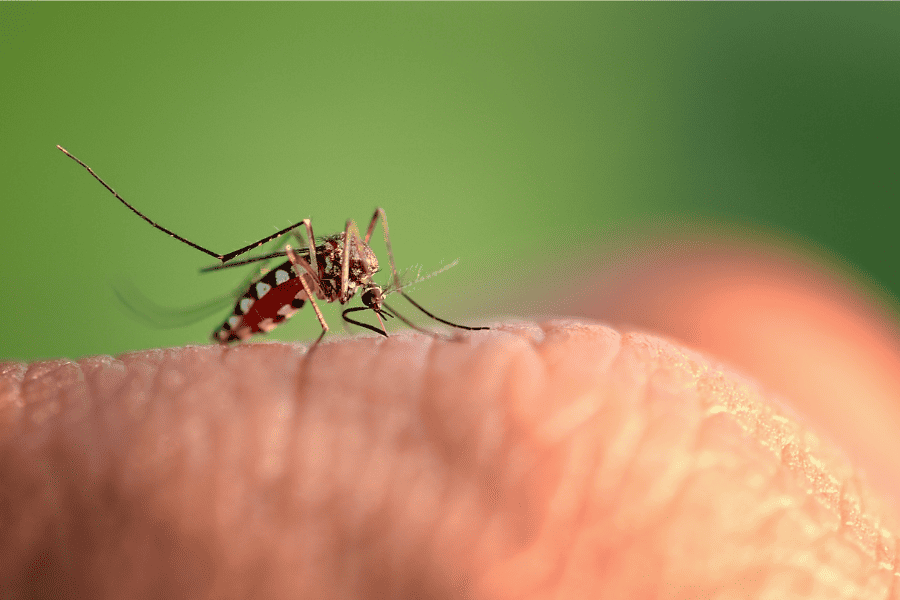
To obtain the protein to develop eggs, female mosquitoes will bite animals and humans. Female mosquitoes will locate a host by the carbon dioxide we exhale, heat, and even body odor. When a mosquito lands on your skin, it will use its proboscis or their long, needle-like mouthpart, to pierce your skin and suck your blood. While the mosquito is feeding, it will inject its saliva onto your skin, which can cause an allergic reaction and result in itchiness and swelling. Mosquitoes will bite and feed on blood until they have consumed enough and are full.
How can I avoid mosquito bites?
Depending on the person, mosquito bites can cause an allergic reaction and are also prone to spread disease, including the Zika virus, West Nile, and Encephalitis, so it’s important to take precautions before you go outside during peak mosquito season and maintain your yard to avoid their infestation. There are several do-it-yourself tips to prevent mosquito bites you can utilize:
- Use mosquito repellent: Apply mosquito repellent containing DEET to your skin before going outdoors during peak mosquito time; make sure to rub the repellent on your skin instead of only spraying it.
- Wear protective clothing: If you’ll be outside for a long period of time, consider wearing long-sleeved shirts and pants to cover your skin. Since mosquitoes are attracted to dark colors, consider wearing light-colored clothing instead.
- Use screens: Install screens on your windows and doors making sure they are in good repair during mosquito season.
- Remove standing water: Mosquitoes use standing water to survive and breed. Remove any items that could hold water, especially after a rainstorm, such as toys, buckets, pet bowls, tarps, old tires, and hollowed logs or stumps.
Eliminating and controlling mosquitoes can feel like an endless battle during Florida’s spring and summer months, even with preventative measures in place. But you don’t have to battle mosquitoes alone! Contact the nearest pest control company for a thorough inspection, effective mosquito control plan, and recommendations on preventing mosquitoes in the future!
Mar 19, 2024 | Florida Mosquito Control
Florida’s tropical weather creates a thriving mosquito environment, often dealing with these nuisance pests year-round. Once mosquitoes invade your yard, they can ruin all your outdoor fun and even transmit diseases, including the West Nile and Zika viruses. One of the best ways you can avoid mosquitoes is creating a less-attractive environment. We breakdown our top 3 mosquito prevention tips you can use throughout your property so you can enjoy your yard again!
3 Common Mosquito Control Tips for Florida Residents
Remove Standing Water
To survive and breed more larva mosquitoes, these pests need the smallest amount of standing water. It’s crucial to remove all standing water from your property, especially after a thunderstorm. Consider the following tips to reduce moisture on your property:
- Remove items that can hold water, including buckets, empty flowerpots, and pet bowls.
- If you have a bird bath, regularly dump old water, clean out debris, and replace the old water with new.
- Clean out clogged gutters of debris and leaves so they doesn’t create a mosquito breeding ground.
Keep a Tidy Yard
Your yard line is the first defense in avoiding mosquitoes so it’s crucial to maintain it on a regular basis; consider these tips on keeping a tidy yard:
- Continue to mow your grass and trim shrubbery as mosquitoes tend to hide in these areas.
- Trim any overgrown trees back to avoid mosquitoes from populating your yard.
- If you store wood on your property, consider placing it in plastic containers with lids and at least 20 feet away from the house.
Call the Pros
Do-it-yourself mosquito prevention will always help efforts in avoiding a mosquito infestation but sometimes it’s best to call a professional mosquito control company for help. These experts will be able to provide you with a mosquito control plan, which typically include:
- Mosquito breeding site identification
- Treatment to eliminate both adult and larva mosquitoes
- Recommendations on preventing mosquitoes in the future
- Additional mosquito control solutions, including the In2Care System
If you have a problem with mosquitoes or would like to start mosquito prevention now, call your Florida pest control company today!
Feb 29, 2024 | Florida Mosquito Control
It’s safe to say that all Florida homeowners dread the arrival of mosquito season! It’s inevitable to run into these insects but that doesn’t mean they have to take over your yard. We breakdown common DIY mosquito control tips you can utilize in your yard!
DIY Mosquito Prevention Tips for Florida Homeowners
Eliminate Standing Water
To survive and breed, mosquitoes only need a small amount of water and will look to your yard for it. One of the best ways to repel mosquitoes from your property is to reduce standing water throughout it. Remove any items that could hold water for more than a week and become a mosquito breeding ground, including empty flowerpots, buckets, tires, toys, and pet bowls. For items that tend to stay outside, like birdbaths and gutters, make sure you are regularly cleaning them, clearing out old water and debris.
Consider a Fan or Two
Your back porch or patio can quickly be taken over by mosquitoes and ruin your outdoor fun. Mosquitoes are weak fliers and are easily manipulated by wind. Consider utilizing fans to help deter them from getting close to you in certain outdoor areas. Fans can also work to disperse carbon dioxide and other mosquito attractant odors our warm-blooded bodies let off.
Plant Natural Repellents
Certain plants and oils can deter mosquitoes naturally from your Florida home. You can mix essential oils such as lemon eucalyptus, peppermint, or tea tree with water and vinegar to repel mosquitoes. Likewise, there are several plants you can plant in your yard to deter mosquitoes, including citronella, lavender, marigold, rosemary, thyme, and basil.
Keep a Tidy Yard
Adult mosquitoes tend to rest in shaded, cool areas so it’s important to create an environment without these factors to keep them away. Continue maintaining your yard by keeping your grass mowed frequently and keeping shrubbery trimmed. If your yard has wood or lawn debris, it’s best to clean up as soon as possible or relocate it at least 20 feet away from the property.
Call Your Florida Pest Provider
While the above DIY tips can provide mosquito-relief sometimes it’s best to call a professional for an ongoing solution to mosquito activity. A pest control provider near you will provide you with a thorough inspection and recommend the best mosquito control options for your home based on your mosquito situation. These mosquito professionals will also provide you with further tips and tricks on avoiding mosquito infestations in the future.
Oct 20, 2023 | Florida Mosquito Control
In Florida, it can seem like mosquito activity will never end. With our tropical, humid weather, mosquitoes thrive and invade our yards looking for standing water to breed. Besides being a nuisance, these pests can also pose health hazards to both humans and animals, transmitting diseases like the West Nile virus and the Zika virus. So, when does mosquito season end in South Florida?
Mosquito Season in Florida
The official mosquito season typically runs from around March through September or October. Though, since Florida is in a tropical area, mosquito season tends to be year-round, often starting as early as February and ending as late as November. While it’s not ideal to deal with mosquitoes year-round, there are certain things you can do around your home to prevent these pests from taking over your yard. Check out our do-it-yourself mosquito control steps you can take to help minimize mosquitoes around your property:
- Eliminate Standing Water: Inspect your property and look for items that can hold water and remove them, including buckets, flowerpots, bird feeders, old tires, wheelbarrows, and more.
- Clean Gutters: Clogged gutters will create a perfect breeding ground for mosquitoes, who only need a small amount of water to do so. Make sure your gutters are free of debris and leaves, especially after a rainstorm.
- Fill in Hollow Areas: Low lying areas like ditches can collect water, make sure you fill them in with dirt if you spot them. Likewise, make sure to check for logs and stumps holding water and remove them as they can provide a place for mosquitoes to habitat during the cold weather.
- Seal Gaps: Inspect your foundation for any openings and holes, repairing them as soon as you can with caulk or wool steel depending on the size. Likewise, inspect your door and window screens for openings throughout your home and replace them if needed.
- Tidy Your Yard: Mosquitoes like tall grass, shrubbery, and damp woodpiles, making it important to keep your grass mowed and cut your shrubs back regularly. Likewise, store your wood piles at least 20 feet from your home and elevate it off the ground.
- Plant Mosquito-Repelling Plants: Citronella, lavender, marigolds, rosemary, thyme, and basil are all plants and flowers that can help repel mosquitoes because of the oils they contain, consider planting these in your yard.
- Consider a Pro: Fighting mosquitoes can feel like a never-ending battle when you live in South Florida; consider calling a professional pest control company who can provide a mosquito elimination service and control options to prevent them in the future. These mosquito professionals will inspect your yard, provide source reduction, recommend elimination techniques, and target adult and larvae mosquitoes.