
Natural Spider Repellent — Safe & Effective Ways to Keep Spiders Away
If you’d rather keep spiders out of your house without spraying chemicals everywhere, you have real options. At Northwest, we get asked about natural spider repellent methods constantly, especially from homeowners with kids, pets, or asthma in the household. The honest version most homeowners don’t hear: most “natural” spider repellents work somewhat, briefly. The methods that hold up long-term are the ones that change the conditions spiders need to survive indoors, not the ones that try to scare them away with scent.
Here are the natural spider repellent methods worth your time, the DIY sprays that actually do something, and the prevention work that does most of the heavy lifting in a Georgia or Alabama home.
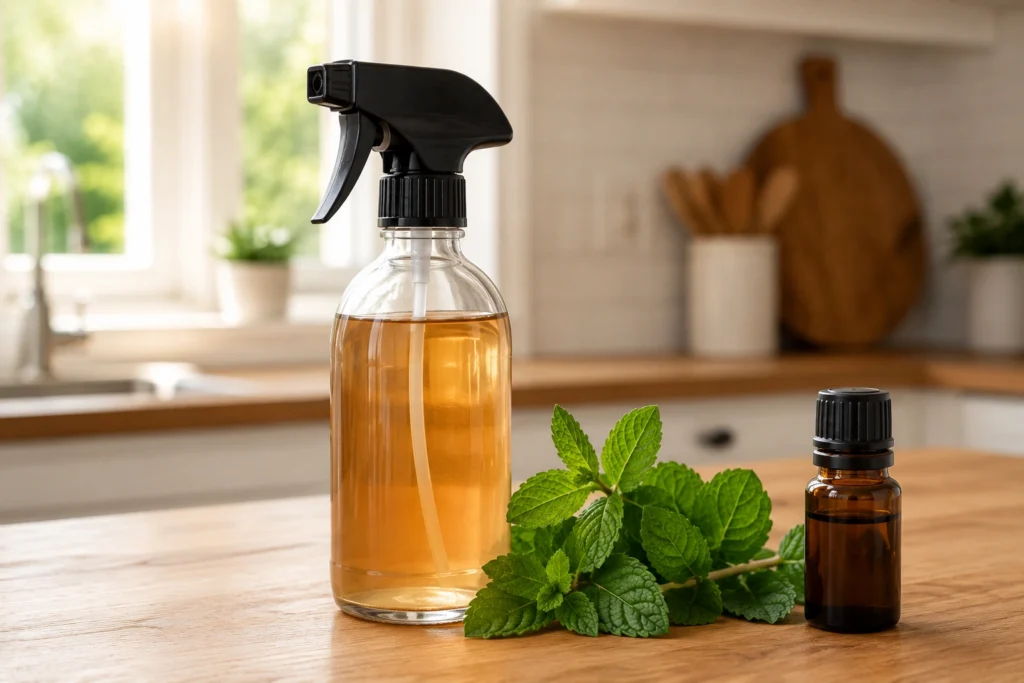
A peppermint and tea tree oil spray is the most common natural repellent and the most effective when used consistently.
Why Use Natural Spider Repellents?
Natural spider repellents have real advantages over conventional pesticides for many Southeast homeowners:
- Chemical-free options. Avoid synthetic pesticide residue indoors, which matters more in homes with kids, pets, or anyone with respiratory sensitivities.
- Safer for pets. Most ingredients (with a few exceptions noted below) won’t harm dogs, cats, or smaller pets if accidentally encountered.
- Eco-friendly. Less impact on beneficial insects, pollinators, and local ecosystems.
- Easier on indoor air quality. No off-gassing of synthetic compounds.
The honest caveat: natural repellents work best for prevention and for managing small, occasional spider activity. They rarely eliminate an established indoor population on their own. For larger infestations or venomous species like black widows or brown widows (see our spiders in Georgia guide for identification), professional pest control is the safer and more effective path.
Common Natural Spider Repellents (and How Well They Actually Work)
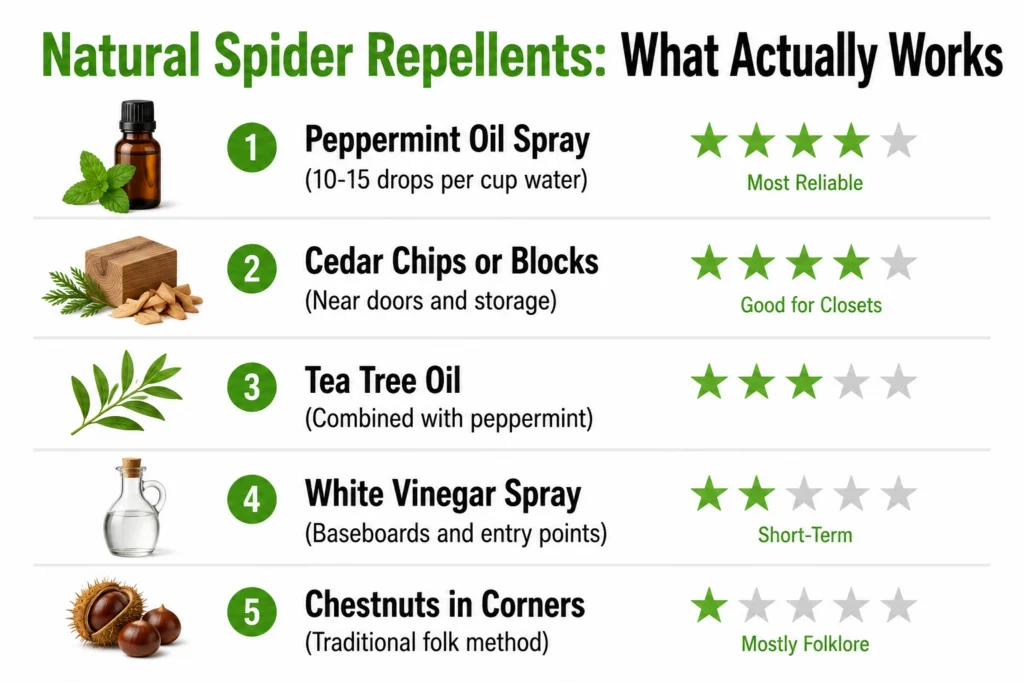
Essential oils and cedar do most of the work. Chestnuts are mostly folklore.
Essential Oils (the Most Effective Natural Option)
Several essential oils show real research-supported spider-repellent activity. The compounds in these oils interfere with spider chemoreception (their ability to navigate using chemical signals), which discourages them from establishing in treated areas.
- Peppermint oil. The most well-studied natural spider repellent. Mix 10 to 15 drops per cup of water in a spray bottle. Apply to corners, windowsills, entry points, and baseboards weekly. Strong scent dissipates within 5 to 7 days, so consistency matters.
- Tea tree oil. Combine with peppermint for a stronger combined effect. Mix 5 to 10 drops per cup of water. Has the bonus of mild antibacterial properties.
- Citrus oil (lemon or orange). Spider-repelling effect is moderate. Some homeowners prefer the scent. Apply same way as peppermint.
- Eucalyptus oil. Repels several arthropod groups including spiders. Use 8 to 12 drops per cup of water.
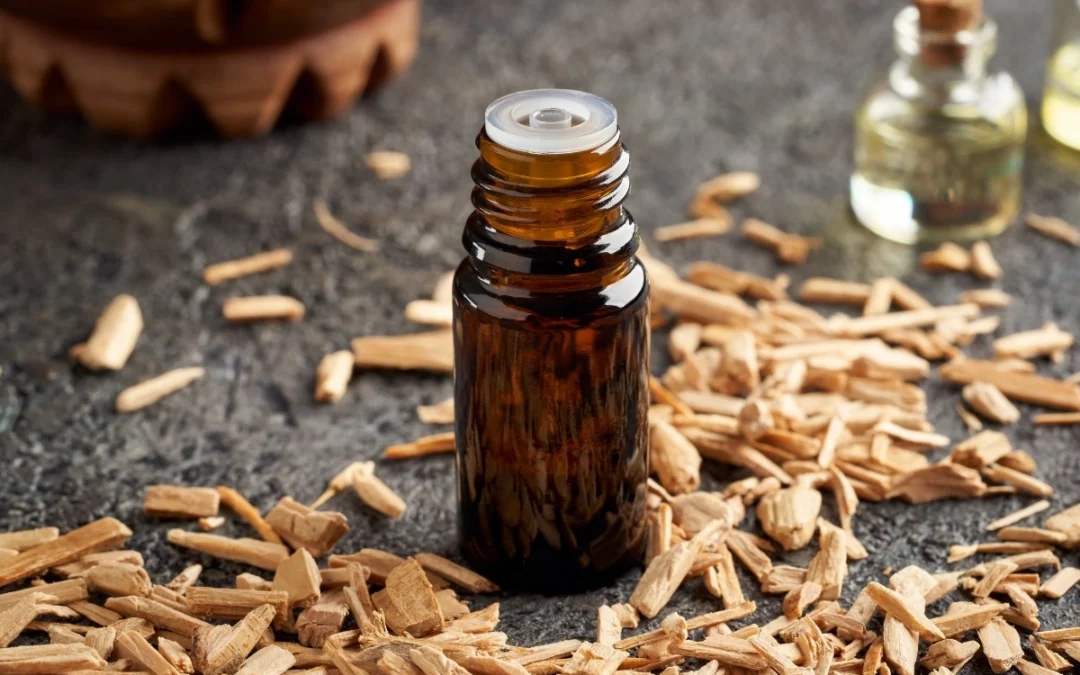
- Cedarwood oil. Different from cedar chips (below) but works on a similar principle. Spray version is more targeted than physical cedar.
Pet safety note: Tea tree and eucalyptus oils can be toxic to cats and small dogs if ingested directly or applied to skin. Diluted spray on baseboards is generally safe once dry, but don’t spray directly on pets or where they regularly lick. Peppermint and citrus oils are safer pet options.
Household Items
- White vinegar. Mix equal parts water and white vinegar in a spray bottle. Apply along baseboards, in corners, and around entry points. Acetic acid is mildly off-putting to spiders. Effect is short-term (24 to 48 hours per application) and the vinegar smell is noticeable to humans too.
- Cedar chips or blocks. Cedarwood naturally contains compounds that repel many arthropods. Place chips or blocks in closets, near doorways, in storage bins, and in basement corners. Effective for several months per application. Refresh by lightly sanding the surface every 3 to 4 months to release new aromatic compounds.
- Chestnuts. A traditional folk method: placing fresh chestnuts in basement corners and near windows. The active compound (chestnut tannins) does show some spider-repellent activity in laboratory testing, but real-world effectiveness in a home is modest at best. Treat as a supplement to other methods, not a primary strategy.
- Diatomaceous earth (food-grade). Not strictly a “repellent”. It kills spiders that crawl through it by damaging their exoskeleton and causing dehydration. Apply a light dusting along baseboards and at entry points. Reapply after vacuuming or moisture exposure.
DIY Spider Repellent Spray Recipe
The most reliable natural spider repellent recipe we recommend:
- 2 cups of water
- 15 drops of peppermint essential oil
- 10 drops of tea tree essential oil
- 1 teaspoon of dish soap (helps the oils mix with water)
Combine in a glass spray bottle (essential oils degrade plastic over time). Shake well before each use. Apply to spider-prone areas weekly: window frames, door thresholds, baseboards, ceiling corners in basements and garages, and around outdoor entry points.
Adjust for sensitivities: drop the tea tree oil if you have cats. Substitute eucalyptus or citrus oil for variety. Don’t apply directly to fabric, finished wood, or painted surfaces without testing in an inconspicuous spot first.
Home Maintenance Tips to Prevent Spiders
The most effective natural spider control isn’t a repellent. It’s prevention. Three categories of home maintenance work harder than any spray.
Reduce Clutter and Hiding Spots
Spiders need stable, undisturbed surfaces to build webs or hide. Reduce that and the population drops:
- Clear storage areas in basements, attics, garages, and closets.
- Move stored items off the floor onto shelves.
- Transfer cardboard storage to plastic bins (cardboard absorbs moisture and provides ideal spider harborage).
- Regularly vacuum corners, under furniture, and along baseboards.
- Don’t let firewood, lumber, or yard debris accumulate near the foundation.
Seal Entry Points
- Caulk cracks around windows, doors, and foundation.
- Install or replace door sweeps and weatherstripping (especially garage side doors).
- Screen crawl space vents with galvanized 1/4-inch hardware cloth.
- Seal gaps around utility line penetrations with steel wool packed into the gap, then caulk over.
Control Outdoor Lighting
This is one of the most underrated spider-prevention tactics. Bright porch and exterior lights attract flying insects, which attract spiders to feed on them. Two changes that reduce indoor spider pressure significantly:
- Switch white LED bulbs to warm-toned LED (2700K to 3000K) or yellow “bug light” bulbs. They attract far fewer flying insects.
- Move outdoor lighting away from primary entry doors when possible. Mount lights on poles in the yard rather than next to the front door.
Seasonal Considerations for Spider Prevention
Spider activity in Georgia, Alabama, Tennessee, and South Carolina peaks in three windows. Plan natural repellent applications around them.
- Spring (April through May): Spider populations rebuild after winter. Apply repellents weekly during this window. Focus on outdoor entry points.
- Late summer (August): Peak indoor and outdoor population. Most spider sightings happen here. Apply repellents 2 times per week.
- Early fall (September through October): Outdoor spiders migrate toward warmer indoor spaces. Reinforce entry-point sealing and outdoor perimeter sprays.
Winter (December through February) is the low-activity window. Use it for entry-point sealing and structural prevention work.
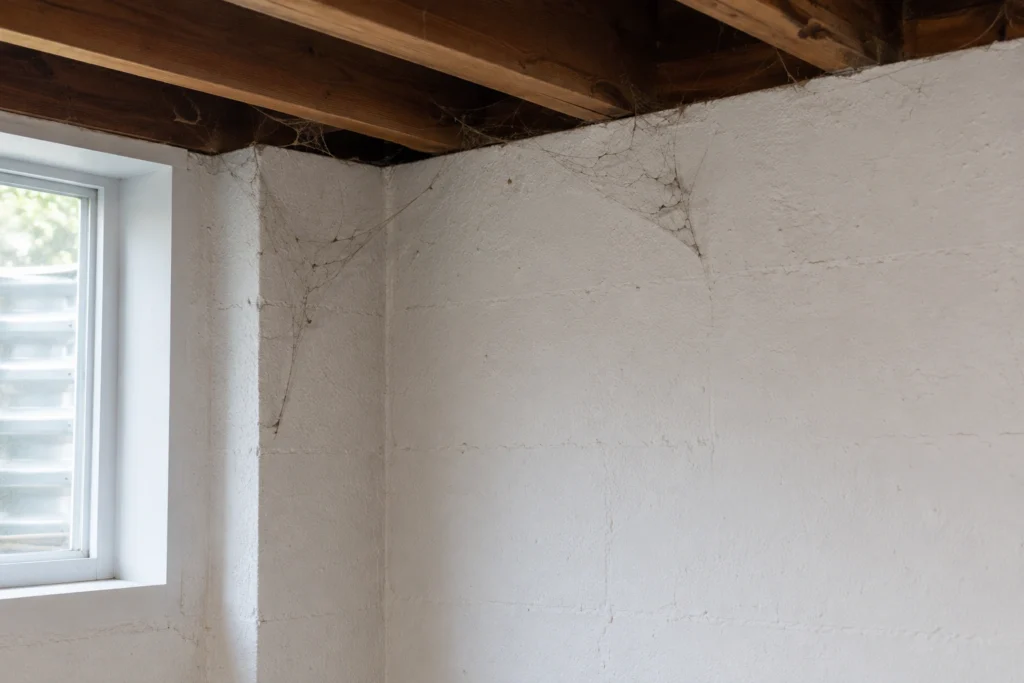
Once webs are visible in multiple corners, natural repellents alone usually aren’t enough.
When Natural Methods Aren’t Enough
Natural spider repellents handle small, occasional spider activity well. They’re not enough for:
- Large or persistent indoor populations. Multiple webs in multiple rooms, spider sightings 3+ times per week, or visible egg sacs suggest an established population that needs targeted treatment.
- Confirmed venomous species. Black widows, brown widows, or any spider you can’t identify and suspect may be medically significant. Don’t use DIY methods near these spiders. Call professionals.
- Recurring problems in living spaces. Spiders in bedrooms, kids’ rooms, or kitchens warrant a faster, more reliable approach.
- Underlying pest issues. If you’re seeing spiders along with other indoor pest activity (small flies, gnats, mosquitoes), the spiders are downstream of a larger problem that needs addressing.
Professional pest control combines exclusion (sealing entry points), targeted treatment at active harborage spots, and addressing whatever’s drawing spiders indoors. The EPA’s Integrated Pest Management (IPM) principles describe the same approach: start with the least-toxic preventive measures (which is exactly what natural repellents are), escalate to targeted treatments when prevention isn’t enough, and address the underlying conditions rather than just the visible pests.
(Tried natural methods and still seeing spiders? Request a free Northwest inspection and we’ll identify what’s around and find the entry points.)
Frequently Asked Questions About Natural Spider Repellents
Do natural spider repellents really work?
Yes, with realistic expectations. Essential oils (especially peppermint, tea tree, and citrus), cedar, and white vinegar all show measurable spider-repellent activity when applied consistently. They work best for prevention and small-scale activity. They rarely clear an established indoor population on their own.
Are essential oils safe for pets?
Some are, some aren’t. Peppermint and citrus oils are generally safe for dogs and cats in dilute sprays applied to surfaces (not directly on the pet). Tea tree and eucalyptus oils can be toxic to cats and small dogs if ingested or applied to skin. Always dilute properly, apply to surfaces (not pets), and let dry before allowing pets in the area. Consult a vet for specific concerns.
How often should I apply natural spider sprays?
Weekly is the general baseline. Apply more frequently during peak spider activity windows (April-May, August, September-October) and after any major cleaning that removes the previous application. Spray formulas typically lose effectiveness within 5 to 7 days as the essential oils evaporate.
Can I prevent spiders indoors year-round?
Yes, with consistent maintenance. Year-round prevention combines weekly natural repellent application during active seasons, ongoing clutter reduction in basements and storage areas, entry-point sealing as a one-time structural improvement, and warm-tone outdoor lighting to reduce insect attraction. Most homes can keep spider activity to occasional sightings rather than ongoing problems with this combined approach.
What’s the most effective natural spider repellent?
A peppermint and tea tree oil spray (15 drops peppermint + 10 drops tea tree per 2 cups water + 1 tsp dish soap) applied weekly to entry points and corners. Combined with cedar blocks in closets and storage areas, this combo handles most residential spider prevention without any chemicals.

When natural repellents aren’t enough, professional treatment addresses entry points and underlying conditions DIY can’t reach.
Try Natural First. Call When You Need Backup.
Natural spider repellents are a smart starting point for most Georgia and Alabama homeowners. They’re safer, cheaper, and effective for prevention. When natural methods aren’t enough (or when you’ve spotted a venomous species), Northwest’s team handles the full spider control workflow with targeted treatment, exclusion, and addressing the underlying conditions that bring spiders in.
- Schedule a Free Spider Inspection
- Learn About Our Pest Control Services
- Call (888) 466-7849. Same-week service available across our Southeast service area.