Aug 21, 2013 | Mosquito
Good news…we’re no longer in a drought!!
Bad news…thanks to all of the record breaking rain, we have record amounts of pests, especially mosquitoes!
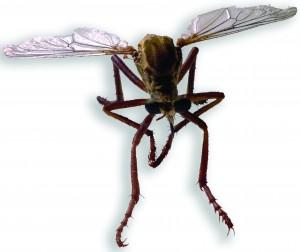
 Moisture is known to attract pests. They, like humans, need moisture to survive. So it’s no surprise that with the large amount of rain we’ve gotten this year that mosquitoes have become a major issue for Georgia residents.
Georgia is no stranger to mosquitoes. Between standing water (lakes, ponds, creeks, even standing water in your yard) and the local vegetation, we are accustomed to this issue. While some residents turn to DIY options, those aren’t always effective. Going to the local hardware store and picking out a product from the shelves may help short term but will not get to the source of the mosquito infestation.
Northwest Exterminating’s Green Mosquito Control provides monthly mosquito treatments by a licensed professional. Our professionals are knowledgeable about the products they are using, what attracts mosquitoes, and the process of keeping them away. Our professional exterminators will inspect the property and identify the source of the breeding and nesting areas. After they’ve determined these areas they are able to apply an environmentally friendly product derived from flowers and bacteria.
For tips on ways to reduce mosquitoes visit HERE.
For more information on Northwest Exterminating’s Green Mosquito Control call 888.466.7849 or visit us online at www.callnorthwest.com
Aug 19, 2013 | Uncategorized
School’s in session!
School is back in so inevitably it’s time to have “the talk”. Ya know, the one we dread every year…the talk about LICE! September is Lice Prevention Month but these days, with school starting in August, it’s best to have the conversation early!
Lice, tiny little wingless insects that make their home in human hair, spreads rapidly! On the bright side, although creepy, they do not spread disease and are by most accounts not a danger to our health. However, they are annoying and highly contagious. They can cause itchiness, redness, and even slight inflammation.
What to Look For:
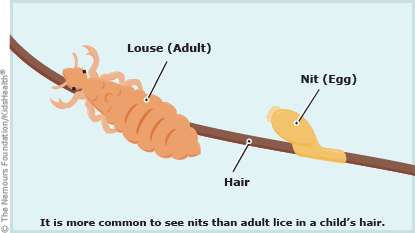
- Nits. Luckily, lice can be seen by thoroughly examining your child’s scalp. Lice lay eggs (nits) that look like tiny dots that are yellow, tan, or brown in color. They are laid on the scalp and can’t be removed by brushing or shaking the hair. Nits take 1-2 weeks to hatch.
- Adult lice. Adult lice are a grayish color and about the size of a poppy seed. It is more common to see nits than adult lice.
- Scratching. Scratching may not always occur right away. A reaction is caused by the saliva of the lice after they bite which then can cause itching and scratching.
- Rash or Redness. A rash or redness can occur from irritation. If excessive scratching occurs it can lead to a bacterial infection.
What to Do If You See Lice:
- Alert your child’s school. By letting your child’s school know they can inform other parents to check their children which will aid in stopping the spread of lice as quickly as possible.
- Treat. Use an over the counter shampoo, cream rinse, or lotion that is developed to kill lice. Make sure to follow the directions.
- Call your Doctor. If OTC treatments aren’t working, contact your child’s doctor so they can recommend other options, even prescription medications.
Note: If your child is 2 years old or younger, contact your child’s Doctor before using any medicated lice treatments.
- Remove by hand. Another option is to remove the lice and nits by hand. Using a fine-tooth comb, comb through your child’s wet, conditioned hair. You should do this every day for 2 weeks after the last live lice is seen.
- Wash and dry clothing. Make sure to wash and dry clothing, sheets, hats, and even backpacks that your child may have used while infected. Use the hot cycle for washing and drying.
- Replace combs/brushes. Throw away any combs and brushes that may have been used while your child was infected with lice. It is also recommended that you soak any hair accessories such as barrettes, hair ties, etc in rubbing alcohol or medicated shampoo.
- Treat household. Since lice is easily transferred to others make sure to inspect all family members.
Prevention:
- Avoid sharing head items. Examples: brushes, combs, hair accessories, helmets, hats, etc.
- Check regularly. Check head’s on a regular basis for nits and lice and treat at the first sign.
Additional Northwest Exterminating posts about lice:
School Has Started…So Has Lice
September is Head Lice Prevention Month
Aug 16, 2013 | Uncategorized
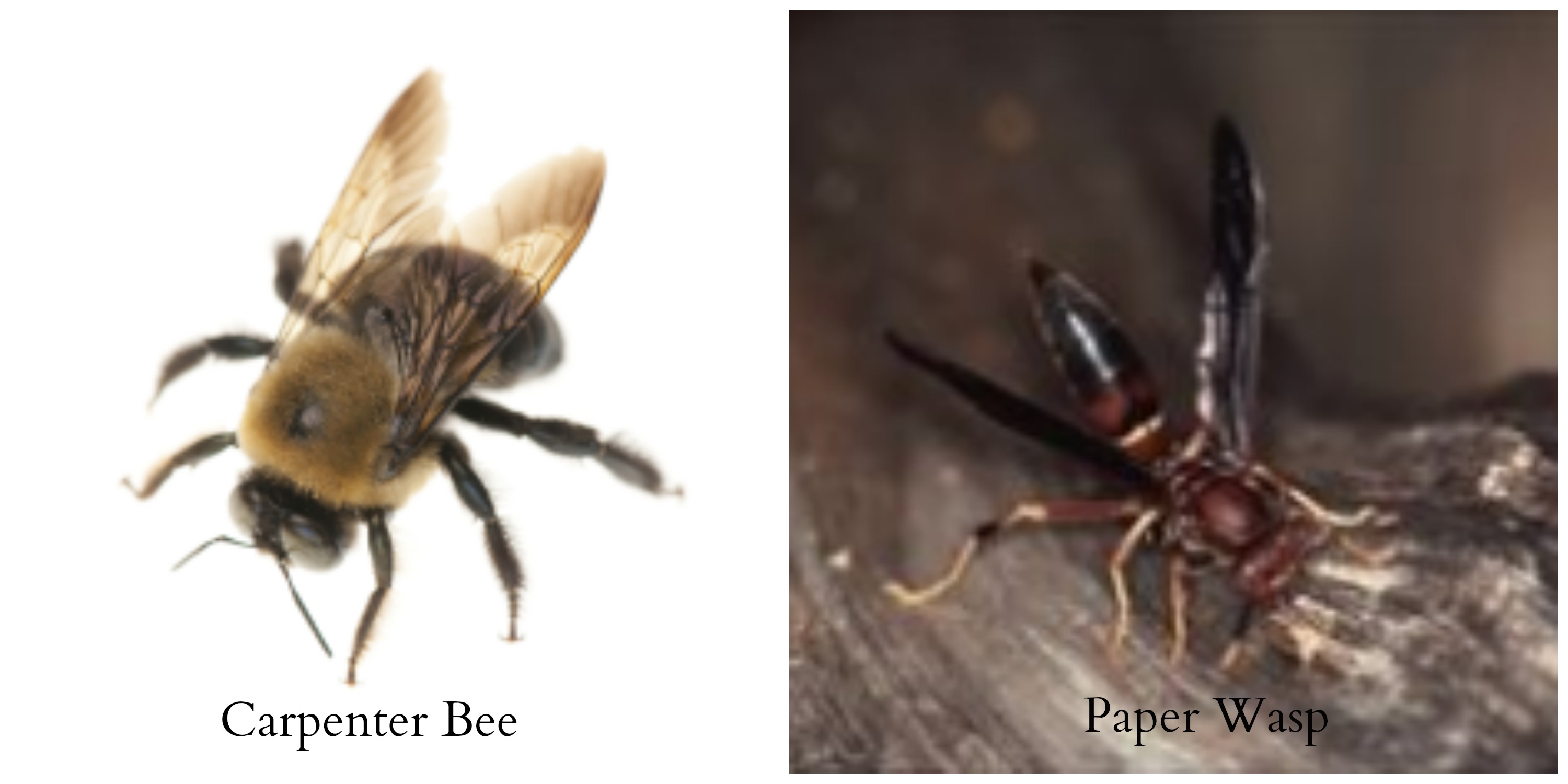
Bees and wasps are often confused for one another. Although they both belong to the hymenoptera order and share similar features, they are different. Below is a list of basic shared features, as well as a list of features that set them apart from one another.
Pictures courtesy of NPMA
Bees AND Wasps
- two sets of wings
- only females can sting
- overwintering pests
- narrow waist
- larvae
- can sting and inject venom
- barb like pointers on stinger used to penetrate victim
Bees
- some bees (honeybees) will die if stinger is pulled from bee, others will continue to live
- round body
- fuzzy appearance
- feed on pollen and nectar
Wasps
- do not leave their stingers behind
- small barbs
- slender and smooth body
- no fuzz
- preys on other insects and spiders
For bee and wasp removal, call our team at Northwest Exterminating!
Aug 14, 2013 | Uncategorized
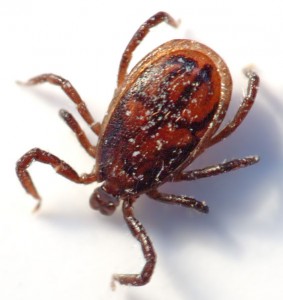
It’s important to protect yourself and your pets from ticks this season! Keep reading for more information on the little suckers!
BRIEF DESCRIPTION
- Size varies depending on the species and type.
- More closely related to spiders than insects.
- Can have either a soft or a hard body.
- Usually brought into homes by animals.
- Feed on animals and humans for their blood meal.
HABITS
- Live in low lying areas such as grass, shrubs, and bushes while waiting for a passing host to attach themselves on to.
- Female ticks have about 3,000 eggs in the spring time.
- Ticks feed on humans, mice, squirrels, raccoons, skunks, dogs, and birds.
SPECIES
- American dog tick
- Blacklegged/deer/bear tick
- Brown dog tick
- Lone Star Tick
- Rocky Mountain Wood Tick
THREATS
- Ticks attach themselves to animals or humans to obtain their blood meal by biting the victim.
- Can cause irritation around the site of the bite, allergic reaction, or cause the mouth parts to get stuck in the skin when the tick is removed.
- Known to transfer Lyme disease, anaplasmosis, and babesiosis.
PREVENTION
- When in wooded areas or tall grass, wear long pants, long sleeves, and closed toed shoes.
- Use a bug repellant that contains DEET.
- Keep grass and other vegetation on your property properly cut and maintained.
- Inspect yourself for ticks after being outdoors.
- Inspect your pets for ticks after being outdoors.
- If you find a tick, use tweezers to remove the tick with a slow, gentle, upward pressure.
OTHER PESTS TO LOOK OUT FOR
Call Northwest Exterminating for information on how to protect your home and loved ones from ticks.
Aug 7, 2013 | Mosquito
Asian Tiger Mosquito
If you are just now being able to absorb the menace of the Gallinipper mosquito, unfortunately you won’t be able to breathe easy just yet. Evidently, tourists aren’t the only people coming to our American shores this summer. The Asian tiger mosquito is named for the black-and-white stripes on its body. You may think that spraying on some bug spray during the day time will help keep them at bay, but think again! This mosquito is different from others in that it bites all day long and pursues not only humans, but also dogs, cats, birds and other animals.
According to Livescience.com, entomology professor Dina Fonseca reports “Part of the reason it is called ‘tiger’ is also because it is very aggressive… you can try and swat it all you want, but once it’s on you, it doesn’t let go.” Another serious concern of this particular insect is that it spreads more than 20 diseases, including West Nile fever, dengue fever, yellow fever and two types of encephalitis.
Since the 1980s, the Asian tiger mosquito has reached 26 states, primarily in the eastern United States. Warm weather helps this pest get around, but its eggs are also capable of surviving cold weather. To help eliminate the potential destruction of this pest, it is important to remove standing water, wear insect repellent and wear long sleeves and pants outdoors. Naturally, Northwest Exterminating is equipped with preventive solutions to give you a mosquito-free summer. If you’re interested in our services, give us a call!
Sources:
http://www.livescience.com/37715-asian-tiger-mosquitoes-chikungunya.html

 Moisture is known to attract pests. They, like humans, need moisture to survive. So it’s no surprise that with the large amount of rain we’ve gotten this year that mosquitoes have become a major issue for Georgia residents.