Jun 17, 2013 | Uncategorized
No-see-um’s, hop-alongs, beach fleas, biting midge, punky…these are just a few of the “cute” names that sand fleas go by! But cute they’re not! And they are very present in the low country area of Savannah, GA!
Sand Fleas reside on the beach and in other sandy areas during warm weather, double in numbers during the spring, produce a loud whine when in groups, and feed early in the morning and late at night. Sand flea bites may feel like a sting because they are very deep causing welts and lesions with severe pain and itching. The female bites for the blood protein needed for her egg laying, however this saliva can trigger your body to react and the bites can cause infections and fever viruses. Sand Fleas tend to “feed” on people with paler skin, as the skin is thinner making it easier to pierce.
To help keep these fleas at bay, try using an insect repellant similar to those used against mosquitoes. If you are bitten, do not scratch the welts, as scratching can cause swelling, itchiness, skin redness, and can lead to sand fleas burying themselves underneath the skin allowing them to continue feeding on blood. For bite relief, you can take a pain killer such as ibuprofen gels. Seek medical advice should the pain or itchiness worsen.
Barry Teubert
Northwest Exterminating
Savannah Service Center Manager
[email protected]
Jun 14, 2013 | Uncategorized
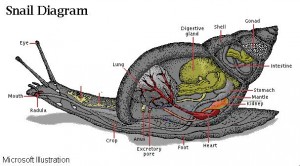
Recent news stories have brought attention to a new pest that has all threat of pests such as rats, including its size! Snails may not seem like the most imposing of pests, but the giant African land snail is definitely a force to be reckoned with. It is starting to invade parts of southern Florida, but has also been seen in parts of Texas and the Great Lake states.

Giant African Land Snail
These snails live up to nine years and can produce 1200 eggs a year, after reaching adulthood in just one year. If you’re not a fan of math, just be certain that these snails can soon become an astronomical problem. Florida knows this especially after having to spend $1 million on its initial infestation – which evidently did not offer them a permanent solution.
So what’s the bigger issue here? Firstly, these snails eat at least 500 different types of plants, thus serving as a huge threat to agriculture. Not only that, but according to Agriculture Department spokeswoman Denise Feiber, giant African land snails carry a human parasite called rat lungworm, a potentially deadly form of meningitis. Homeowners should beware not only for these issues, but also because their shells are so sharp they might shred a tire!
These pests are thought to be carried in through traveler’s luggage, although other, not so wise citizens, carry them as pets and later release them. This was the cause of the original infestation on the American mainland in 1966. Agriculture officials are working to eliminate the pest problem before it becomes a major issue, but urge homeowners that they are the first line of defense against this pest. If you spot a pest similar to these below, call Northwest Exterminating immediately! There might be a larger problem than the one that already meets the eye.
Snail Diagram
If you’re interested in learning more about this pest and pest prevention, view the video here.
Sources:
http://www.aphis.usda.gov/plant_health/plant_pest_info/gas/index.shtml
http://www.invasivespeciesinfo.gov/animals/africansnail.shtml
http://www.cnn.com/2013/04/15/us/florida-giant-snails/index.html?iref=allsearch
http://news92fm.com/350719/giant-african-land-snails-spotted-in-houston/
Jun 7, 2013 | Uncategorized
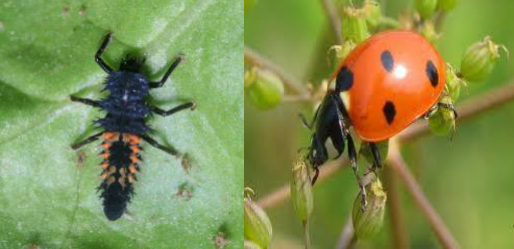
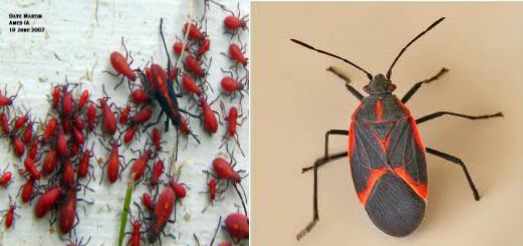
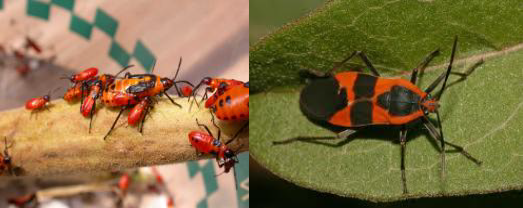
Spring is a time when everything comes to life, blooming into an array of lovely colors. You’ll see flowers that are pink and purple, baby bunnies that are tan or gray and insects that are red and black. Just like every other little life form emerging this time of year, insects can also be a variety of colors and it’s important not to get them confused. Some bugs you might spot frequently are of the Georgia Bulldog variety – red and black spots, stripes and even a combination of both.
If any of these insects or other pests become too much of nuisance, Northwest Exterminating has the expertise and knowledge to take care of your bug problems. Our Director of Pest Services Adam Vannest has provided some information about these bugs that will help you know the difference and what measures to take against them.
Lady Bug
– Beneficial insect
– Overwinters
– Feeds on aphids
– Control Measures: exclusion and vacuuming for long-term prevention. When necessary, chemical contact treatments can knock down a population
Box Elder Bug
– Overwinters
– Female: Box Elder trees and Silver Maple trees serve as the primary host plant
– Control Measures: Exclusion and a contact/residual application around the foundation and base of host plant
Milkweed Bug
– Found in gardens on Milkweed plants or around shelled sunflower seeds
– Control Measures: Over-the-counter garden insecticides
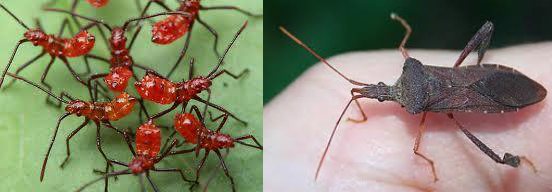
Leaf-Footed Stink Bug
– Feeds on a wide variety of host plants
– Besides birds, they do not have too many natural predators due to their taste and smell
– Control Measures: Over-the-counter insecticides for garden areas. Outside of the garden, any contact or residual product labeled for stink bugs
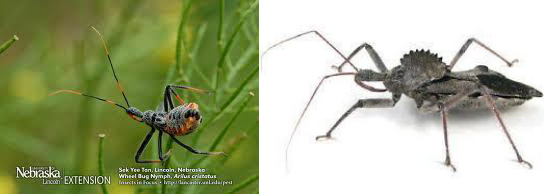
Wheel Bug
– Semicircular cogwheel-like crest on its thorax
– Feeds on a wide variety of insects including caterpillars, beetles, aphids
Control Measures: Prevention is the key! All plants should be inspected before they enter the home. Exclusion should be performed for long-term prevention. All vegetation should be trimmed away from the home, at least one foot. Pesticides are rarely needed
Jun 7, 2013 | Uncategorized
Spring is a time when everything comes to life, blooming into an array of lovely colors. You’ll see flowers that are pink and purple, baby bunnies that are tan or gray and insects that are red and black. Just like every other little life form emerging this time of year, insects can also be a variety of colors and it’s important not to get them confused. Some bugs you might spot frequently are of the Georgia Bulldog variety – red and black spots, stripes and even a combination of both.
If any of these insects or other pests become too much of nuisance, Northwest Exterminating has the expertise and knowledge to take care of your bug problems. Our Director of Pest Services Adam Vannest has provided some information about these bugs that will help you know the difference and what measures to take against them.
Lady Bug
– Beneficial insect
– Overwinters
– Feeds on aphids
– Control Measures: exclusion and vacuuming for long-term prevention. When necessary, chemical contact treatments can knock down a population
Box Elder Bug
– Overwinters
– Female: Box Elder trees and Silver Maple trees serve as the primary host plant
– Control Measures: Exclusion and a contact/residual application around the foundation and base of host plant
Milkweed Bug
– Found in gardens on Milkweed plants or around shelled sunflower seeds
– Control Measures: Over-the-counter garden insecticides
Leaf-Footed Stink Bug
– Feeds on a wide variety of host plants
– Besides birds, they do not have too many natural predators due to their taste and smell
– Control Measures: Over-the-counter insecticides for garden areas. Outside of the garden, any contact or residual product labeled for stink bugs
Wheel Bug
– Semicircular cogwheel-like crest on its thorax
– Feeds on a wide variety of insects including caterpillars, beetles, aphids
Control Measures: Prevention is the key! All plants should be inspected before they enter the home. Exclusion should be performed for long-term prevention. All vegetation should be trimmed away from the home, at least one foot. Pesticides are rarely needed
May 31, 2013 | Uncategorized
Each warm season brings questions from homeowners and pet owners regarding ticks. We worry about our furry family members and ourselves if we plan on spending time outdoors, especially in or around wooded areas.
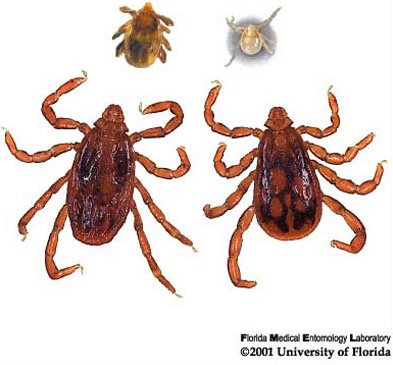
The brown dog tick is one species of tick that should be cause for concern, especially for those who have dogs. Although they feed on a wide variety of mammals, dogs are their preferred host. These ticks are unique in that they can complete an entire life cycle indoors. They feed on the host for about a week before dropping off and laying their eggs…up to 5,000 eggs!! After she’s done laying her eggs, she dies. The full life cycle of a brown dog tick lasts just over two months and generally are long living creatures.
A brown dog tick infestation can develop in high quantities and very quickly. Oftentimes, ticks go unnoticed on dogs until the ticks are spotted throughout the home.
To protect your home and your dog from brown tick infestation, here are some brown dog tick control tips:
- Good house and lawn maintenance goes a long way in keeping ticks and other pests from getting into your home.
- Take trash out of your home on a regular basis and put in a tightly sealed container outside of your home. Make sure this container is emptied regularly.
- Regularly schedule pest control will help to keep ticks and other pests away from your home.
- Treat your animals, dogs especially, with a tick treatment. Your veterinarian is a good source of information on the best products for your dog.
- Regularly check your dogs for ticks and other pests like fleas.
- Use DEET or other insect repellant when going outdoors.
For more detailed information on the brown dog tick, visit http://www.entnemdept.ufl.edu/creatures/urban/medical/brown_dog_tick.htm.