Apr 19, 2013 | Uncategorized
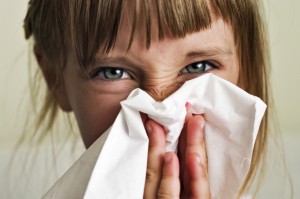
 After a season filled with clouds and rain, I believe most of us are excited for the warmer temperatures that the spring is bringing us. However, not everyone is enjoying the fresh air of spring, especially not those suffering from allergies. Sneezing, itching, and watery eyes shouldn’t be synonymous with spring.
Reports have been made that this could be one of the toughest allergy seasons that we’ve seen in years. A recent pollen count in Atlanta just last week (4/11) was 8,024 (anything over 1,500 is considered extremely high). Pollen is everywhere so it can be difficult to avoid. Below are some steps you can take to reduce your exposure to pollen:
- Stay indoors as much as possible between 10 am and 4 pm.
- Use a HEPA filter on your furnace and air conditioner.
- Wipe pets down before they come indoors from being outside. Pollen can collect on their fur.
- Remove shoes before coming inside so you’re not trekking pollen off the bottom of your shoes.
- Do NOT line dry your clothes outside. Dry all clothes in the dryer.
- Wash bedding on a regular basis to remove pollen left on sheets.
- Shower before going to bed to remove the day’s pollen from your hair and skin.
- Vacuum, sweep, mop, and dust. Keeping floors and surfaces clear of allergens can help reduce the amount of pollen floating around your home. It is highly recommended that you wear a mask and gloves while cleaning.
- Treat allergy symptoms with over the counter allergy relief.
- Consult your Doctor. Your Doctor will be able to help you determine what exactly it is that you’re allergic to.
Sources:
http://www.webmd.com/allergies/spring-allergy-tips
http://www.atlantaallergy.com/
Northwest Exterminating
Apr 17, 2013 | Uncategorized
According to a new study out by Orkin, Atlanta ranks #3 among the U.S.’s most pest infested cities and ranks #1 for mosquitoes. There is little explanation as to why bugs are found in certain cities more than others. Two common factors are climate and building infrastructure of the area.
Knowing that Atlanta ranks so high on both of these lists it is important that you keep your property protected from pests and mosquitoes. A regularly scheduled pest control program and mosquito control program will not only get rid of bugs but it will assist in keeping the bugs away. Our NorPest Green pest control program and our Green Mosquito Control program are customized plans that are developed specifically for the needs of you and your property by one of our highly trained technicians. For more information on NorPest Green visit HERE, for more information on Green Mosquito Control visit HERE.
Source
Apr 10, 2013 | Uncategorized
Everyone knows that warmer weather, mixed with a little rain and lots of sunshine makes for a spring full of bloom and growth. However, it may not be as common knowledge that, just like plants, insect population growth responds to certain types of weather, while being discouraged by some other weather patterns. In particular, temperature and moisture have quite an effect, especially during the warm and dry weather months of April, May, and June.
Temperature has such a significant effect because insects are poikilothermic, which means cold-blooded. Cold-blooded animals are unable to regulate their body temperature, so the environmental temperature affects their internal temperature. Certain insects develop rapidly when environment temperatures are in the 85-90 degree range. Development alone is not the only aspect of insect life affected by temperature, but also insect behavior such as flight, movement, reproduction and feeding. Extreme temperatures, whether very hot (> 120 degrees Fahrenheit) or extremely cold (< 32 degrees Fahrenheit) makes insect growth and behavior restricted and is often deadly.
Moisture is important in a way that most people don’t expect. Humidity itself affects insect development, because low humidity can make it difficult for an insect to regulate it’s water loss. Alternatively, too much moisture, such as excessive rainfall or winter storms, can damage insects. The amount of moisture in an insect’s environment is particularly important for those who depend on crops as their food supply. Cold, wet moisture extremes can also lead to disease, slow growth rates and disturb feeding patterns.
Source
Melissa Brown
[email protected]
Apr 10, 2013 | Uncategorized
Everyone knows that warmer weather, mixed with a little rain and lots of sunshine makes for a spring full of bloom and growth. However, it may not be as common knowledge that, just like plants, insect population growth responds to certain types of weather, while being discouraged by some other weather patterns. In particular, temperature and moisture have quite an effect, especially during the warm and dry weather months of April, May, and June.
Temperature has such a significant effect because insects are poikilothermic, which means cold-blooded. Cold-blooded animals are unable to regulate their body temperature, so the environmental temperature affects their internal temperature. Certain insects develop rapidly when environment temperatures are in the 85-90 degree range. Development alone is not the only aspect of insect life affected by temperature, but also insect behavior such as flight, movement, reproduction and feeding. Extreme temperatures, whether very hot (> 120 degrees Fahrenheit) or extremely cold (< 32 degrees Fahrenheit) makes insect growth and behavior restricted and is often deadly.
Moisture is important in a way that most people don’t expect. Humidity itself affects insect development, because low humidity can make it difficult for an insect to regulate it’s water loss. Alternatively, too much moisture, such as excessive rainfall or winter storms, can damage insects. The amount of moisture in an insect’s environment is particularly important for those who depend on crops as their food supply. Cold, wet moisture extremes can also lead to disease, slow growth rates and disturb feeding patterns.
Source
Melissa Brown
[email protected]
Apr 5, 2013 | Uncategorized
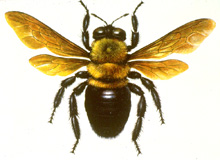
Carpenter bees are often mistake for bumble bees because of their similarity in size and color.
Habits
- Often found under decks or porch railings and under the eaves of a house.
- Make nests by tunneling into wood.
- Leave a trail of sawdust as they discard of the wood to build partitions within the tunnels.
- Feed on plant nectar, not wood.
Threats
- Homes with wooden decks, eaves, or other areas of exposed wood are likely targets for carpenter bee damage.
- Males do not have stingers but can be aggressive to other bees, animals, or people near the nest.
- Females can sting but rarely do unless they are agitated.
Prevention
- Treat or paint all exposed wood surfaces.
- Each nest hole should be treated individually if bees are inside.
- Seal or paint nest holes if bees are not inside.
Other Pests to Look Out For:
For more information on carpenter bees you can visit our PEST ID page or call Northwest Exterminating at 888.466.7849.

 After a season filled with clouds and rain, I believe most of us are excited for the warmer temperatures that the spring is bringing us. However, not everyone is enjoying the fresh air of spring, especially not those suffering from allergies. Sneezing, itching, and watery eyes shouldn’t be synonymous with spring.