Feb 21, 2025 | Bed Bug
Traveling should be a relaxing and enjoyable experience, but nothing can ruin a trip faster than bringing home unwanted guests—bed bugs. These tiny pests are expert hitchhikers, and hotels, motels, and vacation rentals can sometimes harbor infestations. Knowing how to check for bed bugs in a hotel before settling in can save you from bites, discomfort, and the nightmare of an infestation at home.
In this guide, we’ll cover the common signs of bed bugs, how to prevent bed bugs while staying in a hotel, and what to do if you encounter bed bugs during your stay.
A Traveler’s Guide To Bed Bugs
How Do I Know If a Hotel Has Bed Bugs?
While bed bugs can be found in even the cleanest hotels, certain signs indicate their presence. Here’s what to look for when checking your hotel room:
1. Inspect the Mattress and Box Springs
Bed bugs hide in small cracks and crevices, with mattresses and box springs being some of their favorite hiding spots. Pull back the sheets and blankets and carefully inspect the seams, edges, and folds of the mattress.
Look for:
- Rust-colored spots – These are bed bug fecal stains.
- Shed skins – As bed bugs grow, they shed their exoskeletons.
- Tiny white eggs – These are about the size of a pinhead.
- Live bed bugs – Adult bed bugs are reddish-brown, oval-shaped, and about the size of an apple seed.
2. Check the Headboard and Bed Frame
Bed bugs often hide in the crevices of headboards and bed frames. Use a flashlight to check along the seams and any cracks in the wood or upholstery.
3. Inspect Upholstered Furniture
Bed bugs don’t just hide in beds. Upholstered furniture like couches, chairs, and padded headboards can also harbor these pests. Look along seams, under cushions, and in any folds or tufts of fabric.
4. Examine the Luggage Rack
Before setting your bags down, inspect the luggage rack thoroughly. Bed bugs often hide in the cracks and crevices of wooden or fabric-covered luggage racks, waiting for the perfect opportunity to crawl into your suitcase.
5. Look for Signs on Walls and Curtains
If an infestation is severe, you might see rust-colored spots on the walls, curtains, or baseboards. Bed bugs can also hide behind picture frames, electrical outlets, and inside drawers.
How to Prevent Bed Bugs When Staying in a Hotel
Even if you don’t see immediate signs of bed bugs, taking precautions can help ensure you don’t bring them home. Follow these tips to prevent bed bugs when staying in a hotel:
1. Keep Your Luggage Off the Floor and Bed
Instead of placing your suitcase on the bed or floor, use a luggage rack or place your bag in the bathroom, where bed bugs are less likely to hide.
2. Use a Hard-Shell Suitcase
Bed bugs have an easier time clinging to fabric suitcases than hard-shell ones. If possible, opt for a hard-shell suitcase to reduce the chances of bed bugs hitching a ride home.
3. Seal Your Clothing in Plastic Bags
Keep your clothing in sealed plastic bags inside your suitcase. This makes it harder for bed bugs to get into your clothes and travel home with you.
4. Wash Your Clothes Immediately After Returning Home
Even if you didn’t see signs of bed bugs, wash all your clothes in hot water and dry them on high heat as soon as you return home. Heat is one of the best ways to kill bed bugs and their eggs.
5. Vacuum Your Suitcase
Before storing your suitcase after a trip, vacuum it thoroughly to remove any hitchhiking bed bugs.
What to Do If You Encounter Bed Bugs in a Hotel
If you find signs of bed bugs in your hotel room, take action immediately:
1. Report the Infestation to Hotel Management
Notify the front desk as soon as possible. Many hotels take bed bug complaints seriously and will offer a room change or refund.
2. Request a Room in a Different Area
If you’re given a new room, make sure it’s at least two floors away from the infested room. Bed bugs can travel through walls and vents, so a nearby room might also be affected.
3. Inspect the New Room
Just because you switched rooms doesn’t mean you’re in the clear. Check for bed bugs again using the steps outlined above.
4. Take Precautions Before Leaving the Hotel
If you stayed in an infested room, take extra steps to prevent bringing bed bugs home:
- Place your belongings in sealed plastic bags before leaving.
- Wash and dry all clothes on high heat when you return home.
- If you suspect your suitcase has bed bugs, use a bed bug spray or leave it in a plastic bag in a hot car for a few hours to expose it to high heat.
How to Handle a Bed Bug Infestation at Home
If you accidentally bring bed bugs home, you need to act quickly. A bed bug infestation can spread rapidly, so professional treatment is often necessary.
Steps to Take:
- Identify the infestation – Look for rust-colored spots, shed skins, or live bugs in your bedding, furniture, and baseboards.
- Wash and dry all fabrics – Use high heat to kill bed bugs in clothing, bedding, and curtains.
- Vacuum thoroughly – Vacuum all carpets, furniture, and mattresses. Dispose of the vacuum bag in a sealed plastic bag outside your home.
- Use bed bug-proof mattress covers – These can trap and starve any remaining bed bugs.
- Call a professional pest control company – Bed bugs are difficult to eliminate without professional treatment. A pest control company can provide effective bed bug control solutions.
Final Thoughts
Knowing how to check for bed bugs in a hotel can help prevent an infestation and keep your trip stress-free. By inspecting your room upon arrival, taking preventative measures, and acting quickly if you find bed bugs, you can reduce your risk of bringing these pests home.
If you suspect you have a bed bug infestation, don’t wait—contact a professional pest control company to safely and effectively kill bed bugs and prevent further issues.
Want to ensure your home stays bed bug-free? Contact a bed bug control company near you today for expert bed bug control solutions!

Feb 18, 2025 | Florida Green Pest Control
As we become increasingly conscious of the impact our choices have on the planet and our well-being, more homeowners are seeking out sustainable, non-toxic solutions to everyday challenges—pest control being no exception. If you’re looking for a way to keep your home pest-free while prioritizing your family’s and pets’ health, eco-friendly pest control is the answer.
Benefits of Eco-Friendly Pest Control
Family-Friendly & Pet-Friendly
One of the top reasons why eco-friendly pest control is gaining popularity is that it’s family-friendly and pet-friendly. Many conventional pest control products contain harmful chemicals that can linger in your home, posing risks to children and pets who are more sensitive to toxic substances. Eco-friendly solutions, on the other hand, use natural, less-toxic ingredients that provide peace of mind, knowing your loved ones are protected.
Healthier Living Environment
Pest control methods that rely on harsh chemicals can affect the air quality in your home and leave harmful residues on surfaces. Eco-friendly options focus on creating healthier living environments by using less-toxic ingredients that do not compromise indoor air quality or create lingering risks. This contributes to better overall well-being for your family.
Sustainable Solutions for a Greener Future
Eco-friendly pest control methods not only protect your home but also contribute to a more sustainable planet. By choosing green pest control services, you’re reducing the impact of chemical pesticides on the environment. These solutions are designed to work in harmony with nature, promoting a greener, healthier ecosystem for all.
Less-Toxic, More Effective
Many homeowners worry that switching to eco-friendly pest control means sacrificing effectiveness. In reality, these solutions often provide more effective long-term results because they focus on targeting the root cause of pest problems. By using these methods to manage pest populations, eco-friendly treatments can prevent future infestations and provide long-lasting protection.
Peace of Mind
Choosing eco-friendly pest control not only ensures that your home remains free from pests, but it also provides peace of mind. Knowing that you’re using treatments that are natural, non-toxic, and environmentally responsible gives you confidence that you’re making the right choice for your family’s health and the planet. You can rest easy, knowing your home is protected without compromising on sustainability.
The Future of Pest Control
As demand for sustainable and natural products grows, pest control companies are continuously innovating to offer new solutions that prioritize health, sustainability, and eco-friendliness. From pet-friendly, non-toxic sprays to green traps and baits, the future of pest control is focused on providing healthier and more sustainable alternatives for homeowners.
Eco-friendly pest control is more than just a trend; it’s a movement towards a greener, healthier, and more sustainable future for both our homes and the planet. By opting for pest control services that emphasize natural, non-toxic, and responsible methods, you’re not only protecting your family and pets but also contributing to an overall healthy community. As Florida homeowners continue to prioritize well-being and environmental responsibility, eco-friendly options are poised to become the standard in effective pest management. Learn more from your local pest control experts.
Feb 14, 2025 | Wildlife
Georgia is home to a wide variety of snake species, both venomous and non-venomous. While most snakes play a vital role in the ecosystem by controlling rodent populations, their presence in and around homes can be unsettling. Understanding snake behavior, knowing what to do if you encounter one, and exploring snake pest control options can help you manage and prevent unwanted snake encounters.
Snake Pest Control in Georgia
Common Snakes Found in Georgia
Georgia has over 40 snake species, with only a few being venomous. Knowing the difference can help you determine whether a snake poses a danger.
Non-Venomous Snakes
- Eastern Rat Snake – Often found near barns, attics, and basements, these snakes help control rodent populations.
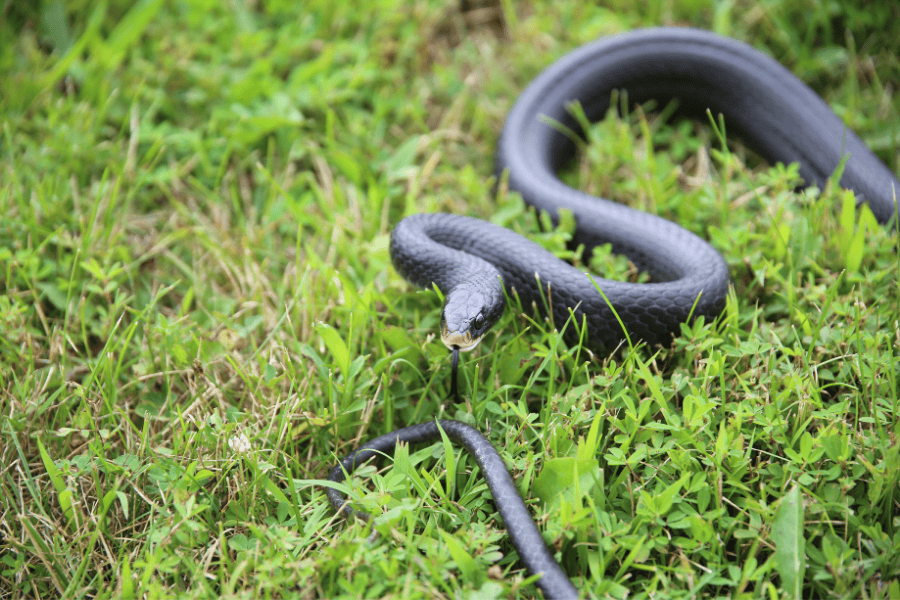
- Black Racer – Fast-moving and non-aggressive, these snakes are commonly seen in yards and gardens.
- Garter Snake – Recognizable by their striped pattern, they are harmless and frequently found in grassy areas.
- Corn Snake – Sometimes mistaken for copperheads, corn snakes are non-venomous and excellent at controlling pests.
Venomous Snakes
- Eastern Diamondback Rattlesnake – The largest venomous snake in the U.S., found in pine forests and coastal areas.
- Copperhead – Often camouflaged in leaves, copperheads are responsible for many snake bites in Georgia.
- Cottonmouth (Water Moccasin) – Typically found near water, they are aggressive and highly venomous.
- Timber Rattlesnake – Found in wooded areas, these snakes deliver a dangerous bite.
- Coral Snake – Rare but venomous, coral snakes have bright red, yellow, and black bands.
What to Do If You Encounter a Snake
Encountering a snake can be alarming, but staying calm is crucial. Here’s what you should do:
- Identify from a Safe Distance – Avoid approaching or handling the snake.
- Back Away Slowly – Snakes are unlikely to attack unless threatened.
- Secure Children and Pets – Keep them away from the snake’s path.
- Do Not Attempt to Kill It – Many snake bites occur when people try to kill or handle them.
- Call a Professional – If you suspect the snake is venomous or it is in your home, contact a snake removal expert.
Can Pest Control Get Rid of Snakes?
Many people wonder, “Can pest control get rid of snakes?” While traditional pest control focuses on insects and rodents, some wildlife control companies specialize in snake removal. These services include:
- Snake Trapping and Removal – Humane traps are used to capture and relocate snakes.
- Property Inspections – Professionals inspect your home for entry points and recommend sealing gaps and cracks.
- Habitat Modification – Removing debris, tall grass, and woodpiles makes your property less attractive to snakes.
- Rodent Control – Since snakes follow their food source, controlling rodents can reduce snake sightings.
What Keeps Snakes Away?
To prevent snakes from entering your property, consider the following snake control strategies:
Eliminate Food Sources
Snakes are drawn to areas with ample food. Reducing rodents, insects, and bird eggs in your yard can deter them.
Modify Landscaping
- Trim Grass and Bushes – Keep your lawn short and bushes trimmed to reduce hiding spots.
- Remove Woodpiles and Clutter – Snakes often hide in stacked wood, debris, and overgrown vegetation.
- Use Snake-Repellent Plants – Plants like marigolds, lemongrass, and wormwood may deter snakes.
Seal Entry Points
Snakes can enter homes through tiny gaps. Seal cracks, holes, and vents with mesh or caulk to prevent entry.
Use Snake Repellents
There are natural and commercial snake repellents available, including:
- Sulfur and Naphthalene – Found in snake repellent granules.
- Essential Oils – Clove and cinnamon oil sprays may repel snakes.
- Commercial Repellents – Products specifically designed for snake deterrence.
Snake Removal: When to Call a Professional
If you frequently see snakes on your property or inside your home, it’s time to call a wildlife control company. Professional snake removal services ensure:
- Safe Handling and Relocation – Experts use proper tools to remove snakes without harm.
- Snake Identification – Professionals determine if the snake is venomous.
- Prevention Plans – Wildlife control experts help keep snakes from returning.
Conclusion
Snakes are an essential part of Georgia’s ecosystem, but they can be a nuisance when they invade homes and yards. By identifying common snake species, knowing what to do if you encounter one, and implementing snake pest control strategies, you can minimize encounters. If you have persistent snake problems, a professional wildlife control company can provide safe and effective snake removal solutions.
For expert assistance in handling snakes on your property, contact a trusted pest control company specializing in snake control and wildlife removal.
Feb 14, 2025 | Florida Pest Control
When Valentine’s Day rolls around, the presence of love is usually a good thing. But in Florida, there’s one kind of “love” you might wish to avoid—love bugs. These harmless but annoying pests thrive in Florida’s warm, humid weather, often causing widespread inconvenience for homeowners and drivers alike. If you’ve encountered love bugs and are searching for solutions without harming the environment, we’ve got you covered.
This blog will explore eco-friendly, non-toxic options to control love bugs while protecting your home—and the planet.
What Are Love Bugs and Why Are They a Problem?
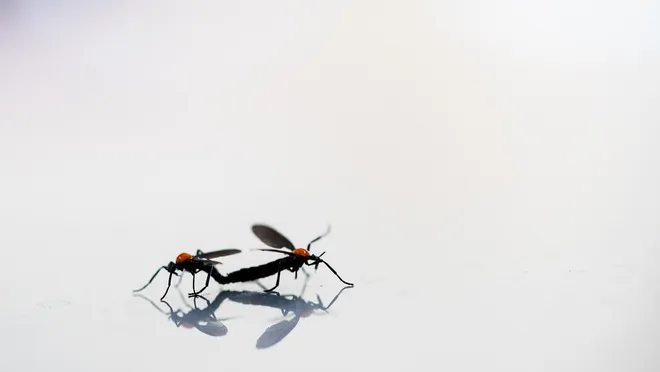
Before we jump into solutions, let’s quickly understand who we’re dealing with. Love bugs, scientifically known as Plecia nearctica, are small, black insects that are attracted to light and warmth. You’ll often find them in pairs (hence the name “love bugs”) during their mating season, which occurs twice a year—spring and late summer.
While they don’t sting or bite, these flying pests are notorious for swarming homes, getting stuck on vehicles, and even damaging car paint with their acidic secretions. Left unchecked, love bugs can turn into a nuisance that’s especially hard to ignore during their peak seasons in Florida.
The Green Way to Get Rid of Love Bugs
Here’s how you can prevent and control love bugs without toxic chemicals, ensuring your Valentine’s Day—and every day after—is pest-free.
- Seal Entry Points
Prevention is the first step in green pest control. Love bugs are not strong fliers, which means they can easily enter your home through cracks, poorly sealed doors, and windows.
- Inspect your home for gaps and crevices.
- Seal all potential entry points using weather stripping, caulking, or screen meshes.
- Install fine mesh screens on windows and doors to keep bugs out while allowing fresh air in.
- Limit Artificial Lighting
Love bugs are attracted to light—particularly white and yellow lights—making your porch or outdoor areas a prime target.
- Opt for LED lights with colors like amber, orange, or red, which are less attractive to love bugs.
- Turn off outdoor lights when not in use or install motion-activated lighting instead.
- Use blackout curtains indoors to reduce light leakage at night.
- Natural Repellents and Home Remedies
Say goodbye to harmful sprays, and hello to healthier alternatives.
- Citrus Oil Spray: Love bugs dislike the smell of citrus. Mix water with a few drops of lemon or orange essential oil and spray it around windows, doors, and other high-activity areas.
- Neem Oil Spray: Widely recognized as a natural pest repellent, neem oil is less toxic for plants, pets, and people alike. Spray it in affected areas to keep love bugs at bay.
- Vinegar-Water Blend: For an easy DIY solution, mix equal parts white vinegar and water in a spray bottle. It’s non-toxic and helps discourage love bugs without harming the environment.
- Plant Bug-Repellent Flora
Love bugs may be fond of light and heat, but they have plants they dislike too! Incorporating natural deterrents into your landscaping is an excellent way to prevent infestations while beautifying your garden.
- Consider planting marigolds, basil, or citronella—all of which naturally repel insects.
- Maintain healthy plants by removing decaying leaves or flowers that can attract bugs.
- DIY Love Bug Traps
If swarms have already invaded your outdoor space, you can use homemade traps to catch them effectively without resorting to toxic pesticides.
Fill a shallow dish with water and add a few drops of dish soap. Place it near a light source outdoors. Love bugs will flock to the light and become trapped in the soapy water.
For larger areas, consider hanging a sticky card or non-toxic adhesive trap.
- Regular Maintenance and Cleaning
- A clean home and yard are less inviting to love bugs. Routine cleaning efforts can drastically reduce their presence over time.
- Power-wash the exterior of your house, including walls, windows, and patio spaces, to remove and discourage bugs.
- Clean out any leaf litter or standing water in your yard, as this can create breeding grounds for other insects that may attract these bugs.
- Frequently wash your car to remove any dead bugs, especially during high swarm seasons, to avoid damage to your vehicle’s paint.
Why It Matters to Show Your Love for the Environment
Using eco-conscious pest control methods is more than just a practical choice—it reflects a commitment to sustainability, protecting the environment for future generations. Florida’s unique ecosystem is home to a wealth of wildlife, pollinators, and beneficial species that chemical pesticides can harm. Taking a green approach ensures that you’re targeting only the bugs you want to remove, leaving everything else undisturbed.
Partner with Green Pest Control Experts
Sometimes, love bugs can be particularly persistent, especially during their mating season. If your DIY efforts aren’t enough, consider working with professional pest control companies that specialize in environmentally friendly solutions. Green pest control experts can assess your space, offer targeted interventions, and help maintain long-term pest-free environments—all while keeping harmful chemicals far away from your home.
Love Your Home, Love the Environment
It’s time to stop letting love bugs wreak havoc on your Florida home. With the green pest control strategies shared above and a local pest control expert near you, you can tackle these harmless but pesky invaders while keeping your commitment to environmental conservation intact. Whether you’re creating a citrus spray, rethinking your outdoor lighting, or sealing up your windows, every small step makes a big difference in keeping pests out and your home healthy.
Feb 11, 2025 | Florida Mosquito Control
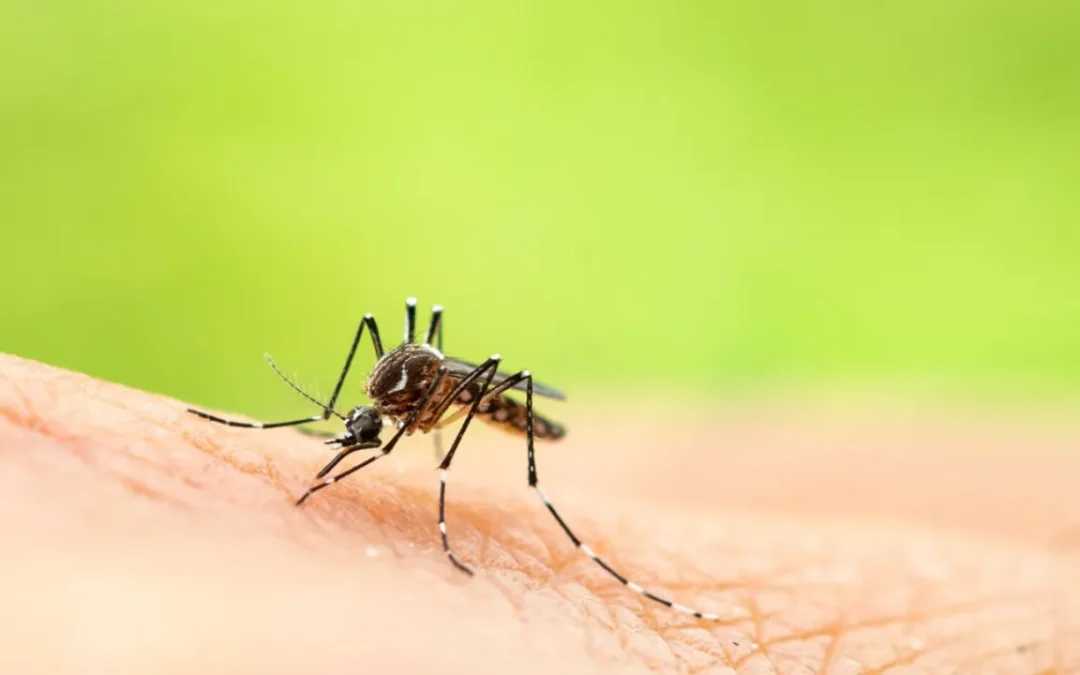
Miami is a city known for its sunshine, vibrant culture, and beautiful outdoor spaces. But with a tropical climate comes an all-too-common nuisance—mosquitoes. For Miami residents, enjoying an evening barbecue or relaxing by the pool often comes with the unwelcome buzz of a mosquito problem. Not only are they annoying, but mosquitoes can also pose significant health risks as carriers of diseases like Zika, Dengue, and West Nile Virus.
If you’ve been battling mosquitoes without success, don’t worry—we’re here to help. This guide will provide practical, effective tips to reclaim your backyard and keep it pest-free, so both you and your family can enjoy the outdoors worry-free.
Why Does Miami Have Such a Mosquito Problem?
The mosquito problem in Miami stems largely from its tropical climate. The city’s warm temperatures, high humidity, and frequent rainfall create the perfect breeding grounds for mosquitoes. Here’s why mosquitoes thrive in Miami:
- Standing Water: After rain showers, water often collects in pools, birdbaths, and even small items like flowerpots. These stagnant water sources are ideal for mosquito eggs to develop into larvae.
- Warm Weather: Mosquitoes are cold-blooded insects that thrive in warm environments, meaning Miami’s consistent heat provides the perfect conditions for year-round activity.
- High Humidity: Mosquitoes need moisture to survive, and Miami’s humidity levels provide the hydration mosquitoes depend on to stay active and reproduce.
Understanding these conditions helps to frame the necessary steps in dealing with them effectively.
Recognizing Mosquito Breeding Spots in Your Yard
Having a mosquito-free backyard begins with identifying potential breeding spots. Mosquitoes only need a small amount of water to lay their eggs, so seemingly minor oversights can become major mosquito problems. Check the following areas in your yard for standing water:
- Buckets, Planters, and Toys
- Birdbaths and Fountains
- Clogged Gutters or Drains
- Pool Covers
- Tire Swings or Old Tires Sitting Unused
By regularly inspecting and maintaining your outdoor space, you can eliminate mosquito breeding habitats before these pests have the chance to multiply.
Simple Mosquito Prevention Tips for Miami Residents
To reduce the mosquito population around your home (and protect your family), adopt these tried-and-true prevention strategies.
1. Eliminate Standing Water
The single most effective way to combat mosquitoes is to remove standing water. Make it a weekly habit to drain and scrub water collection areas. For long-term solutions, invest in larvicides or mosquito dunks that prevent larvae from developing into adults.
2. Install Fans on Your Patio
Mosquitoes are weak fliers, so the consistent breeze from a fan can help keep them at bay. Ceiling fans or oscillating fans placed around your outdoor seating area can significantly reduce mosquito activity.
3. Maintain Your Landscape
Overgrown bushes, tall grass, and leafy plants provide shade and shelter for mosquitoes during hot days. Keep your yard mowed and your shrubbery trimmed to disrupt mosquito hiding spots.
4. Use Mosquito-Repelling Plants
Certain plants, such as citronella, lavender, and lemongrass, naturally repel mosquitoes. Strategically planting these in your garden can act as a secondary line of defense.
5. Use Outdoor-Appropriate Mosquito Repellent
There are a variety of sprays and treatments specifically designed for outdoor use. Options include natural essential oil sprays or professional-grade treatments that remain effective for weeks.
6. Consider Mosquito Nets or Screens
For covered patios or gazebos, using fine mosquito netting or screens can create a barrier between you and these pests. This is especially useful if you enjoy outdoor dining.
Protect Your Family’s Health and Comfort
Beyond avoiding itchy bites, maintaining a mosquito-free backyard is essential for protecting your family’s health. Mosquito-borne diseases are a concern, especially for children, pregnant women, and older adults. By taking proactive measures and addressing mosquito problems early or seeking help from local pest control experts, you can make sure your outdoor spaces remain enjoyable, and pest-free.