Jan 15, 2025 | Florida Green Pest Control
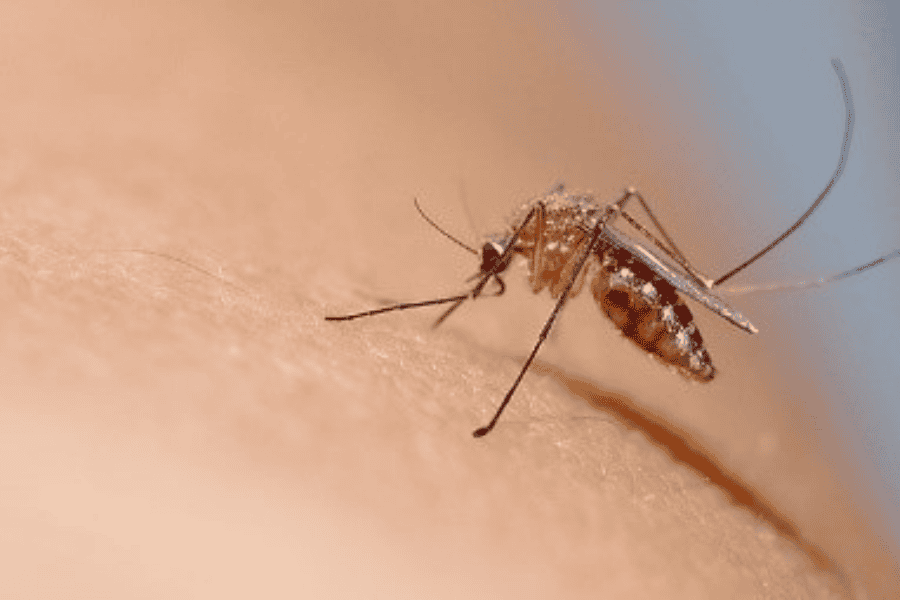
Mosquitoes in Florida aren’t just a nuisance—they can carry diseases like Zika and West Nile virus, putting your family’s health at risk. As more homeowners seek sustainable alternatives to chemical-based solutions, green pest control is the way forward. This guide will show you how to manage mosquitoes naturally through eco-friendly mosquito control methods, protecting both your home and the environment.
Eco-Friendly Mosquito Control Methods
Why Choose Green Pest Control in Florida?
Florida’s warm, tropical climate is a prime breeding ground for mosquitoes, but traditional methods involving harsh chemicals can harm the environment, pollute water supplies, and threaten local wildlife. Green pest control offers a less-toxic alternative. By using eco-friendly solutions, you protect not only your family but also the delicate ecosystem that surrounds you.
Benefits of Going Green:
- Eco-Friendly: Helps protect pollinators and beneficial insects.
- Pet-friendly: Keeps your furry friends away from toxic chemicals.
- Sustainable: Reduces long-term environmental damage.
- Health-Protective: Perfect for those with allergies or sensitivities to chemicals.
Now, let’s dive into some effective DIY mosquito control methods that keep both your family and the planet healthy.
DIY Eco-Friendly Mosquito Control Solutions
1. Eliminate Standing Water
Mosquitoes breed in stagnant water, so removing these sources can significantly reduce their numbers.
How to Remove Standing Water:
- Empty birdbaths and pet water bowls weekly as well as wipe them out to remove eggs that might be left in the container.
- Clear gutters and drains to prevent water buildup.
- Cover rain barrels with mesh to block mosquito access.
- Fill low-lying areas in your yard where water collects.
By regularly managing water sources, you’re already one step ahead in keeping mosquitoes at bay.
2. Plant Mosquito-Repellent Greenery
Certain plants naturally repel mosquitoes. Adding them to your yard not only beautifies your space but also creates a barrier against pests.
Top Mosquito-Repellent Plants:
- Citronella Grass: A well-known mosquito deterrent.
- Lavender: Its fragrance is pleasant to humans but unpleasant to mosquitoes.
- Marigolds: Their pyrethrum content acts as a natural insect repellent.
- Basil: Great for both cooking and warding off bugs.
Plant these near outdoor seating areas or doorways to keep mosquitoes away naturally.
3. Make DIY Essential Oil Sprays
Essential oils are an effective, chemical-free way to repel mosquitoes. Create your own natural spray to apply to your skin or outdoor furniture.
DIY Mosquito Repellent Spray Recipe:
- 1 cup water or witch hazel
- 10 drops citronella essential oil
- 10 drops eucalyptus essential oil
- 5 drops lavender essential oil
Mix the ingredients and store in a spray bottle. Be sure to patch-test the oils on your skin before use.
4. Create Homemade Mosquito Traps
DIY mosquito traps are a simple, effective way to reduce populations in your yard.
DIY Sugar-Water Bottle Trap:
- Cut a 2-liter bottle in half.
- Fill the bottom with 1 cup of sugar, 1 tablespoon of yeast, and warm water.
- Invert the top part of the bottle into the bottom, forming a funnel. Place these traps in areas mosquitoes frequent, and they’ll be caught in no time.
5. Install Natural Mosquito Barriers
Physical barriers are another green solution to keep mosquitoes out of your living space.
- Hanging mosquito nets over patios or seating areas provide a chemical-free shield.
- Mesh screens on windows and doors keep mosquitoes from entering your home.
- Weather-resistant net curtains around pergolas or outdoor lounges offer additional protection.
These measures allow fresh air to flow while preventing mosquitoes from entering your spaces.
Preventative Tips for Ongoing Green Mosquito Control
- Wear light-colored clothing, as mosquitoes are attracted to dark colors.
- Use oscillating fans on your patio—mosquitoes struggle in windy conditions.
- Light citronella candles or outdoor torches to create a repellent ambiance.
- Trim your lawn regularly to remove tall grass where mosquitoes rest.
Long-Term Benefits of Green Pest Control
Choosing eco-friendly mosquito control in Florida helps you maintain a healthy, thriving ecosystem while effectively managing mosquito populations. By avoiding harmful chemicals, you protect your yard, local wildlife, and water quality. In the long run, you’ll enjoy your outdoor spaces and a healthier environment by utilizing green pest control methods.
Jan 15, 2025 | Florida Green Pest Control
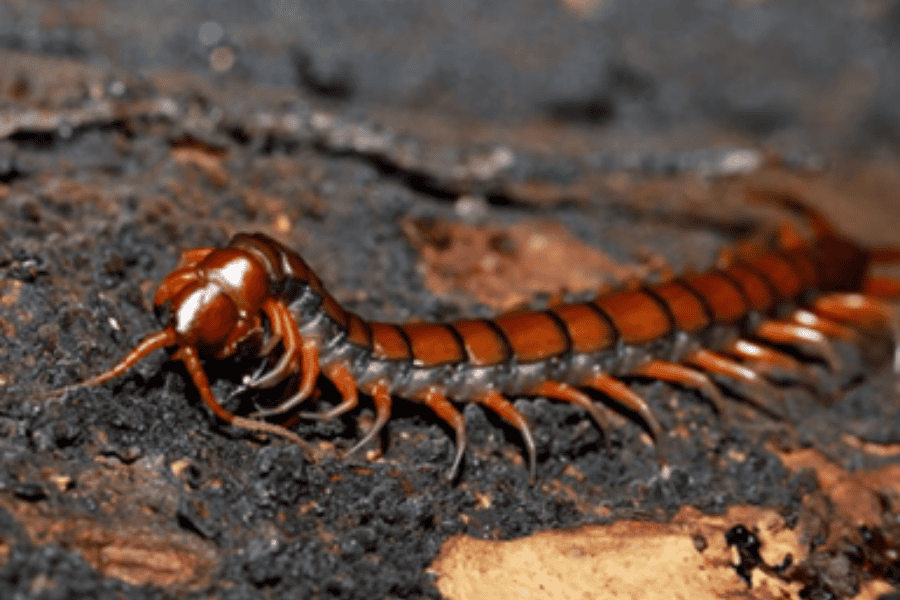
Florida’s sunny climate creates a thriving habitat for centipedes. While these multi-legged creatures are part of the natural ecosystem, they often invade homes, becoming unwelcome guests. Here’s a quick guide on identifying centipedes, understanding their behavior, and managing them with environmentally conscious pest control methods.
Eco-Friendly Pest Solutions for Centipedes
Centipedes vs. Millipedes: Spot the Difference
Centipedes and millipedes are often mistaken for each other. Centipedes are carnivores with one pair of legs per body segment, while millipedes have two pairs and are decomposers. Effective pest control starts with understanding the differences, as managing centipedes requires different strategies from millipedes.
What Do Centipedes Eat?
Centipedes feed on other pests like termites, cockroaches, and spiders, helping control unwanted insects. However, they can bite humans with their venomous claws, causing irritation. If bitten, wash the area with soap and water and apply ice to reduce swelling.
Where Centipedes Live: Common Hiding Spots
Centipedes prefer damp environments and are often found in kitchens, bathrooms, basements , and other humid areas of the home. By reducing moisture and sealing entry points, you can discourage centipedes from taking refuge in your space.
Centipedes as a Pest Indicator
If you spot a centipede, it may indicate an underlying pest problem, as centipedes feed on other pests. Focus on eco-friendly pest control methods like sealing entry points, addressing moisture issues, and identifying the source of the pest infestation.
Eco-Friendly Pest Control Tips For Centipedes
Instead of harsh chemicals, try green pest control methods:
- Seal Entry Points: Inspect and seal any cracks or gaps to prevent centipedes from entering.
- Reduce Moisture: Fix leaks and improve ventilation in humid areas.
- Declutter: Clear clutter where centipedes like to hide.
If these methods don’t work, contact a green pest control professional to find safe and sustainable solutions.
Why Centipedes Matter for Florida Homeowners
While centipedes help control pest populations, their presence indoors can signal larger pest issues. By addressing centipedes early, you can manage the broader pest problems affecting your home.
Prevent Future Centipede Infestations
- Regular Cleaning: Vacuum and wipe down surfaces, especially in kitchens.
- Outdoor Maintenance: Trim trees and remove organic debris to limit access points.
- Routine Inspections: Check for signs of pests, particularly in moisture-prone areas.
By focusing on prevention, you can stop centipedes and other pests from taking over your home.
Take Control with Eco-Friendly Pest Prevention
Centipedes may be a natural part of Florida’s ecosystem, but they don’t belong inside your home. By using green pest control strategies, you can prevent infestations and keep your space pest-free and healthy. For persistent problems, consult with an eco-conscious pest control expert near you who can provide tailored solutions.
Jan 15, 2025 | Pest Control
Decluttering is essential for a productive and healthy home, but it’s also one of the most effective and overlooked ways to prevent pests. Messy environments offer pests food, shelter, and hiding spots, making your home an easy target. Explore why a tidy home is essential for pest prevention and how you can keep your space pest-free by following these decluttering tips!
Why Decluttering is Key to Pest Prevention
Pest prevention is the foundation of experiencing a pest-free living environment. Decluttering your home helps in the following ways:
- Eliminate Pest Hideouts: Cluttered spaces offer pests like cockroaches, spiders, and rodents plenty of places to hide. By removing clutter, you limit their hidden havens.
- Reduce Food Sources: Crumbs and spills are a feast for pests. Decluttering makes it easier to spot and clean up food sources, preventing infestations.
- Encourage Regular Cleaning: A tidy home is easier to clean thoroughly, ensuring pests have less of a chance to settle in.
How to Declutter Your Home to Keep Pests Away
Step 1: Target Common Pest Hotspots
Focus on decluttering areas where pests are most likely to invade:
- Kitchen: Keep countertops cleared, and seal food in airtight containers.
- Closets & Storage: Purge unused items and store remaining belongings in sealed plastic bins.
- Garages & Basements: Remove items you no longer need or use to clear up space and sweep regularly.
- Bedrooms: Don’t leave piles of clothes on the ground. They can quickly become a hiding spot for pests like spiders and roaches!
Step 2: Get Rid of Excess Paper and Cardboard
Pests like roaches and rodents are attracted to piles of paper and cardboard boxes. Switching to plastic bins will help limit the possibility of these pests and offer better protection for your stored items.
Step 3: Seal Entry Points
While decluttering, inspect your home for cracks, gaps, and holes where pests could enter. Use caulk and weatherstripping to seal these gaps.
Step 4: Discard Clutter Responsibly
Old clothes, broken furniture, and expired pantry items can attract pests. Donate reusable items and dispose of the rest properly.
Step 5: Stay Consistent with Cleaning
Decluttering is just the start. Stick to a regular cleaning schedule:
- Vacuum under furniture and along baseboards.
- Clean under kitchen appliances where crumbs accumulate.
- Dust and declutter frequently – don’t forget corners in ceilings where spiders enjoy weaving their webs!
Step 6: Tidy Up Outdoors
- Trim overgrown bushes so they aren’t contacting your home. Move woodpiles away from your foundation to limit the potential for termites. If you use outdoor storage containers, be sure to clean them out regularly to limit hiding spots for wildlife or pests.
Wrapping Up Pest Prevention
Decluttering is more than just tidying up—it’s an effective way to limit the risk of experiencing a pest infestation in your home. If you begin spotting extra pests in your decluttered home, reach out to your local pest control company near you for a free inspection!
Jan 13, 2025 | Florida Mosquito Control, Going Green
Naples, Florida’s warm, humid climate is a perfect breeding ground for mosquitoes, making outdoor relaxation a challenge. Beyond the annoyance, mosquitoes carry health risks like West Nile virus, Zika, and dengue fever. With more people spending time outdoors, effective mosquito control—especially green pest control—is essential. In this blog, we highlight why it’s crucial to address mosquito issues, along with innovative and eco-friendly solutions for creating a mosquito-free yard.
Eco-Friendly Options For A Mosquito-Free Yard
The Health Risks of Mosquitoes
Mosquitoes aren’t just irritating—they’re a health threat. Diseases like West Nile virus, Zika, and dengue fever are all transmitted by mosquitoes. These illnesses can be especially dangerous to pregnant women, the elderly, and those with weakened immune systems. Green pest control solutions help reduce these risks while protecting the environment. Below, we review green mosquito control solutions to avoid their health risk!
Innovative Mosquito Control Solutions
Today’s mosquito control methods go beyond citronella candles and chemical sprays. Homeowners now have access to advanced, eco-friendly solutions designed to deter mosquitoes without harming the environment.
- Automated Misting Systems: Eco-friendly misting systems release mosquito repellents at regular intervals, offering continuous, chemical-free protection for your yard.
- Biological Control: Introducing mosquito-eating fish to ponds or water features targets larvae, naturally reducing the mosquito population.
- Eco-Friendly DIY Solutions: Natural repellents like citronella, lemongrass, and lavender, along with mosquito-repellent plants like marigolds and basil, offer sustainable, chemical-free mosquito control.
Simple Mosquito Prevention Tips
While the above methods can be very effective, there are also simple, green mosquito preventative measures you can take to reduce mosquito populations around your property:
- Eliminate Standing Water: Remove stagnant water from bird baths, planters, and gutters to prevent mosquito larvae and reduce the need for chemicals.
- Trim Vegetation: Maintain your yard by trimming tall grasses and shrubs, which eliminates hiding spots for mosquitoes and helps create a mosquito-free yard.
- Install Screens and Mosquito Nets: Ensure windows and doors are screened and use mosquito nets over outdoor areas for a pesticide-free, bite-free zone.
With mosquitoes becoming more active in Naples as the weather warms up, it’s crucial to take proactive measures to stop their bite. Whatever preventative method you choose, a comprehensive green pest control strategy will ensure your yard remains an enjoyable and bite-free retreat. If you’re ready to stop the buzz, call your local pest control company near you! These experts will inspect your property and provide the best treatment for your mosquito situation, ensuring you have a mosquito-free yard to enjoy!
Jan 6, 2025 | Florida Pest Control, Going Green
As Florida heads into 2025, homeowners will face an evolving pest landscape due to rising temperatures and increased rainfall. These changes are creating new challenges, but with the right information and green pest control solutions, you can protect your property from unwanted invaders while keeping your environmental impact low.
Green Pest Control Options for 2025
Rising Heat: A Game-Changer for Pests
Warmer temperatures are accelerating pest breeding cycles, leading to larger populations of mosquitoes, cockroaches, and other pests. Milder winters also mean pests can survive year-round, requiring more frequent eco-friendly pest control efforts. To stay ahead, keep your home free of standing water and maintain clean, dry spaces, reducing the need for chemical treatments.
Increased Rainfall: Breeding Ground for Pests
More rain creates ideal conditions for pests like termites, mosquitoes, and moisture-loving ants. Ensure gutters are clean, water collection areas are drained, and use dehumidifiers to keep humidity-loving pests at bay. Green pest control methods, like natural dehumidifiers and drainage solutions, help prevent pest problems while being gentle on the environment.
New Pests on the Block
New invaders are making their way into Florida, including the Brown Marmorated Stink Bug, Tropical Bed Bug, and Cactus Moth . These pests pose unique challenges and require specialized control methods. By focusing on eco-friendly pest control, you can reduce reliance on harmful chemicals and take advantage of natural deterrents to keep these pests in check.
Traditional Pests, New Behaviors
Familiar pests like cockroaches, ants, and rodents are adapting to the changing climate. Resistant cockroach strains, aggressive Argentine ants, and rodents seeking shelter indoors are just a few examples of how traditional pests continue to wreak havoc on our Florida homes! To handle these pest challenges, consider green pest control options like bait stations, traps, and natural repellents, which take the environment and your home into consideration.
Green Pest Control Solutions
Opt for natural repellents like essential oils, and preventive measures like sealing cracks and maintaining a clean home. These green pest control options effectively manage pests without harming your family or the environment. By adopting sustainable practices, you can keep pests at bay while reducing your ecological footprint.
Stay Ahead of Pest Trends
As Florida’s climate changes, staying informed and proactive is key. Keep up with pest trends, partner with professional green pest control companies, and invest in regular home maintenance and prevention to protect your property in an eco-conscious way.
If you’ve noticed an influx of pests around your property this New Year, consider reaching out to a local pest control company near you. These professionals will provide you with an inspection and their treatment recommendations based on your pest situation.