Dec 26, 2024 | Florida Termite Control
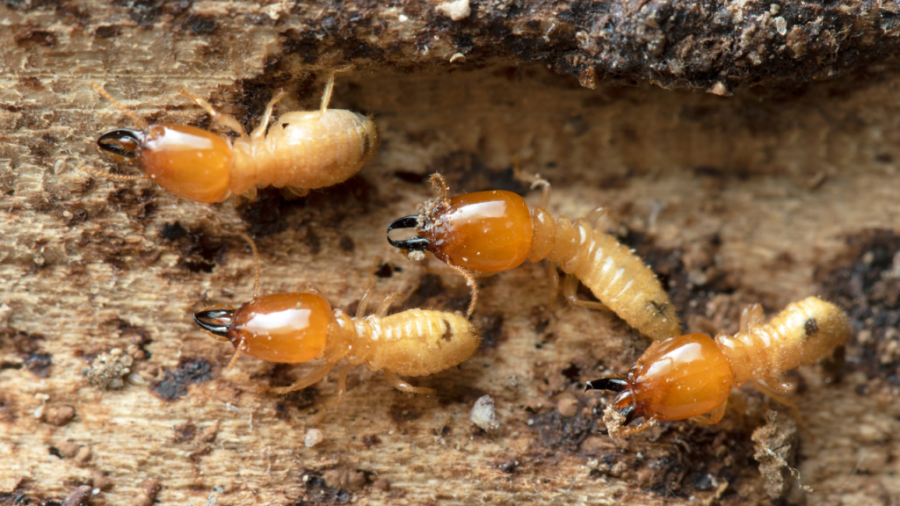
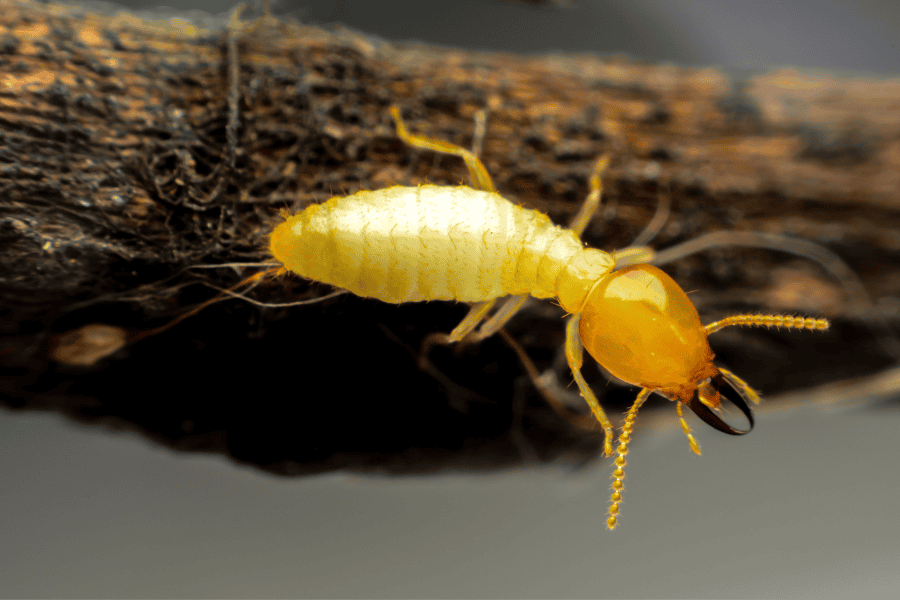
As a homeowner in Fort Myers, you’re no stranger to the warmth and humidity that create the perfect breeding ground for termites. These pests may seem harmless at first, but they can cause devastating damage to your home if left unchecked. In fact, termites are responsible for billions of dollars in property damage each year across the U.S. — and Florida is one of the most affected states. Here’s why termite prevention should be a top priority for any Fort Myers homeowner.
The Benefits of Termite Prevention
1. Protect Your Investment
Your home is likely the largest investment you’ll ever make. Termites can silently and steadily eat away at the wood structure of your home, causing costly damage before you even realize there’s a problem. Preventative measures, like annual inspections and professional treatments, can save you from a costly and stressful repair bill down the road.
2. Florida’s Climate Makes It a Hotspot for Termites
Fort Myers’ tropical climate is ideal for termites, especially the destructive subterranean variety. The moisture in the air and the warm temperatures year-round provide the perfect environment for termites to thrive. Without proper prevention, you’re putting your home at a higher risk of infestation.
3. Prevention is More Cost-Effective Than Repair
Treating an existing termite infestation can cost thousands of dollars, especially if structural repairs are needed. Preventing termites before they invade your home is far more affordable and less disruptive. Routine inspections by a pest control expert can identify signs of termite activity early and help stop infestations before they get out of hand.
4. Avoid Structural Damage
Termites target wood, and that’s exactly what your home’s frame is made of. Over time, even a small infestation can weaken the structure of your home, leading to expensive repairs or even unsafe living conditions. Regular treatment and monitoring give you peace of mind, knowing that your home’s foundation is secure.
5. Long-Term Benefits of Early Detection
The key to effective termite control is early detection. If termites are caught in the early stages, they are much easier—and cheaper—to eliminate. Professional pest control companies use the latest technology such as Sentricon to spot termite activity even before it becomes visible to the untrained eye.
In Fort Myers, termite prevention is not just a good idea—it’s a necessity. With the right precautions in place, you can protect your home from these destructive pests and avoid the high costs associated with repairs. Don’t wait until it’s too late—schedule an inspection today and take the first step toward protecting your home from termites.
Dec 19, 2024 | Florida Pest Control
As temperatures drop in Florida during December, homeowners often find themselves facing an increase in rodent activity. While Florida’s warm climate means pests like rats and mice are a year-round concern, winter months bring a few specific challenges that make Florida rodents more of a problem. Here’s why December is a particularly tricky time for rodent control in the Sunshine State.
Why Florida Rodents Are A Challenge in Winter
1. Seeking Shelter from the Cold
Even though Florida doesn’t experience extreme winter weather, the cooler temperatures of December still drive rodents indoors. Rats, mice, and squirrels are all looking for warmth, food, and shelter as their natural outdoor food sources become scarcer and the air chills. Your home, with its heat and accessible food, becomes an attractive target.
2. Rodents Can Multiply Quickly
A small rodent infestation in December can rapidly turn into a big problem. Mice and rats breed quickly—mice can reproduce as often as every 3 weeks! If you don’t address the issue right away, a handful of rodents can turn into dozens, causing more damage and creating more health risks as the season goes on.
3. Rodents Cause Serious Damage
Rodents are notorious for chewing on electrical wires, insulation, and even structural elements of your home. This can result in costly repairs and pose fire hazards. In addition to physical damage, rodents are carriers of diseases like salmonella, leptospirosis, and hantavirus. When they enter your home, they bring these health risks along with them.
4. Increased Activity at Night
As the days get shorter and the nights get longer in December, rodents become more active after dark. They often search for food during nighttime hours when there’s less human activity. If you’ve noticed strange noises or signs of gnawing at night, it could be a sign of an infestation.
5. Prevention Is Key Before It’s Too Late
The best time to deal with a potential rodent problem is before it gets out of hand. In December, rodent-proofing your home is crucial. Sealing entry points, setting traps, and eliminating food sources are all effective measures to keep rodents out. The earlier you address the problem, the easier and more cost-effective it will be to eliminate.
December presents unique challenges for Florida homeowners when it comes to rodent control. As Florida rodents seek shelter from the cooler weather, they can cause damage, spread diseases, and multiply quickly. By being proactive in rodent prevention, you can ensure your home stays clean and rodent-free throughout the winter months. If you encounter persistent rodent issues, consider contacting a local pest control company for expert assistance and tailored solutions to protect your home.
Dec 12, 2024 | Florida Pest Control
As the cooler weather settles in here in Pompano, homeowners may notice an increase in spider activity around their homes. While these eight-legged creatures can be unsettling, understanding their behavior and how to manage them can help keep your home comfortable and pest-free.
Understanding Spider Activity
Why Are Spiders Coming Indoors?
As temperatures drop, many insects become less active, which can lead spiders to seek shelter indoors where it’s warmer and food is more readily available. Spiders are natural predators, and they often move inside to find their next meal, which may include other pests hiding in your home.
Common Areas for Spider Activity
Spiders are excellent at finding cozy spots to spin their webs. Here are some common areas you should check around your home:
- Corners: Spiders love to create webs in undisturbed corners of rooms. Regularly dusting these areas can help keep webs at bay.
- Basements: These darker, cooler spaces are ideal for spiders looking for refuge. Keep your basement tidy and decluttered to reduce hiding spots.
- Attics: Another popular spot for spiders, attics can accumulate dust and debris, making them inviting for these critters. Inspect your attic regularly to ensure it’s well-maintained.
Tips for Managing Spider Activity
- Regular Cleaning: Dust and vacuum your home regularly to remove spider webs and any potential food sources for spiders, such as other insects.
- Seal Entry Points: Check for cracks and gaps around windows, doors, and the foundation of your home. Sealing these entry points can help prevent spiders from making their way inside.
- Reduce Clutter: Keeping your home organized and free from clutter makes it less inviting for spiders. Pay special attention to storage areas like basements and attics.
- Natural Deterrents: Consider using natural repellents, such as essential oils like peppermint or tea tree oil, which are known to deter spiders. Mix a few drops of water in a spray bottle and apply it to areas where you’ve seen spider activity.
- Consult a Professional: If you’re facing a significant spider problem or are unsure how to handle it, don’t hesitate to contact a pest control professional. They can provide tailored solutions to keep your home spider-free.
While spiders play a beneficial role in controlling insect populations, their presence in your home may not always be welcome. By staying proactive and keeping an eye out for spider activity, you can maintain a comfortable living space in Pompano. Embrace the cooler weather and take these steps to ensure your home remains a cozy refuge—without any unexpected visitors!
Dec 6, 2024 | Bed Bug
Bed bugs are a nightmare for homeowners, and their persistence requires thorough preparation before a bed bug treatment can be successful. These tiny pests can cause discomfort, disrupt sleep, and be notoriously difficult to eliminate. Knowing how to prepare for a professional bed bug treatment is essential to ensure these pests are eradicated from your home.
What To Know Before a Bed Bug Treatment
Identify A Bed Bug Problem
One of the first steps in addressing a potential bed bug problem is recognizing the signs of an infestation. These elusive pests are skilled at hiding, so you need to be vigilant. Here’s how to tell if you have bed bugs:
- Bed Bug Bites: Red, itchy welts on your skin, often appearing in clusters or a zigzag pattern, can be a sign of bed bug bites. They typically occur on exposed areas of the body, such as arms, legs, and neck.
- Bloodstains and Fecal Spots: Small, dark stains on your bed linens, mattress, or furniture are another indicator. These can result from crushed bugs or their droppings.
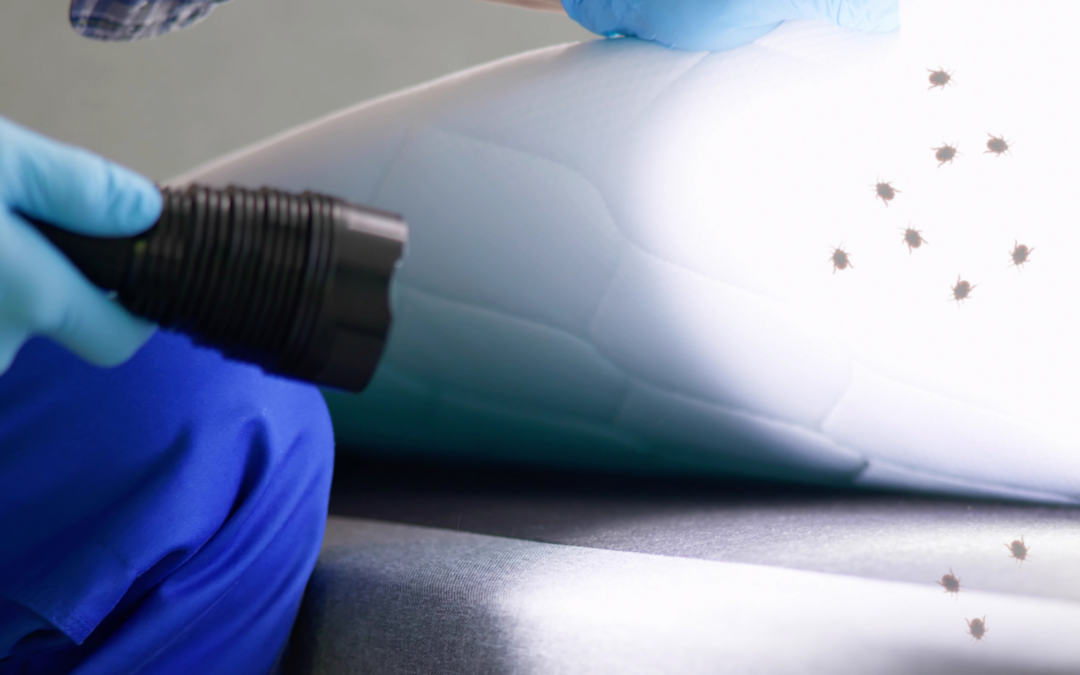
- Shed Skins and Eggs: Bed bugs shed their exoskeletons as they grow. Look for tiny, translucent skins or clusters of whitish eggs in cracks, crevices, or along mattress seams.
- Live Bugs: Adult bed bugs are about the size of an apple seed, reddish-brown in color, and flat. You might spot them crawling on mattresses, headboards, or baseboards.
- Musty Odor: In severe infestations, bed bugs emit a musty, unpleasant smell.
If you notice these signs, contacting a pest control company experienced in bed bug control is crucial to address the issue promptly.
Where Bed Bugs Usually Hide
Bed bugs are experts at hiding in small, dark spaces. They tend to stay close to their food source—humans—but can scatter throughout a home over time. Common hiding spots include:
- Mattresses and Box Springs: Check along seams, tags, and under mattress encasements.
- Headboards and Bed Frames: Inspect crevices and joints where bed bugs might nest.
- Furniture: Upholstered chairs, couches, and behind cushions are ideal hiding spots.
- Wall Cracks and Baseboards: Bed bugs can squeeze into cracks in walls, under baseboards, and behind picture frames.
- Electronics and Appliances: Alarm clocks, televisions, and outlets can also harbor bed bugs.
Understanding these hiding places helps you prepare your home and target the infestation effectively.
Types of Bed Bug Treatments
Several treatment options are available for eradicating bed bugs, and the choice depends on the severity of the infestation. Here are the most common methods:
1. Heat Treatment
Heat treatment is one of the most effective methods to remove bed bugs. This involves raising the temperature of the affected area to levels lethal to bed bugs and their eggs, usually above 120°F. Heat treatment penetrates deep into furniture, walls, and other hard-to-reach areas.
2. Chemical Treatments
Chemical treatments involve applying specialized insecticides to kill bed bugs. A pest control company will typically use a combination of sprays, dusts, and liquids to treat infested areas.
3. Steam Treatment
High-temperature steam can kill bed bugs on contact. This method is particularly effective for treating mattresses, furniture, and small cracks.
4. Encasements and Traps
Mattress and box spring encasements trap bed bugs inside, preventing them from escaping and feeding. Sticky traps and interceptor cups can also help monitor and reduce bed bug populations.
How to Prepare Your Home for a Bed Bug Treatment
Preparation is critical to ensuring the success of a bed bug treatment. Follow these steps to get your home ready:
1. Declutter Your Home
Remove items like clothing, bedding, and personal belongings from infested areas. Keep clutter to a minimum to give pest control professionals easy access to treatment zones.
- Wash all clothing and bedding in hot water and dry on high heat to kill bed bugs and eggs.
- Store cleaned items in sealed plastic bags to prevent re-infestation.
2. Vacuum Thoroughly
Vacuum carpets, rugs, furniture, and mattresses to remove as many bed bugs as possible. Pay extra attention to cracks, crevices, and seams. Dispose of the vacuum bag in a sealed plastic bag outside your home.
3. Inspect and Treat Infested Items
Separate heavily infested items that may need to be discarded. Consult your pest control professional to determine whether they can be treated or should be replaced.
4. Move Furniture Away from Walls
Bed bugs can hide in cracks along baseboards and behind furniture. Move furniture at least two feet away from the walls to allow for thorough treatment.
5. Disassemble Beds and Furniture
Disassemble bed frames, remove drawers from dressers, and open up sofas to expose all possible hiding spots.
6. Secure Pets and Remove Plants
During treatment, keep pets in a safe area away from the treated zones. Remove houseplants as they might be affected by the chemicals or heat.
7. Communicate with Your Pest Control Company
Provide details about the areas where bed bugs have been spotted and discuss any special considerations. Professional bed bug control companies can offer guidance on additional steps based on their treatment method.
8. Avoid Reintroducing Bed Bugs
After treatment, avoid bringing infested items back into your home. Inspect luggage, second-hand furniture, and clothing thoroughly before introducing them into your living space.
Why Choose a Professional Pest Control Company?
While DIY approaches might seem appealing, bed bug infestations are challenging to handle without professional help. A licensed pest control company has the tools, expertise, and treatments to eradicate bed bugs effectively and safely. They can identify the extent of the infestation, recommend the best treatment option, and help you implement prevention strategies to keep your home pest-free.
Preventing Future Bed Bug Infestations
Once your home has been treated, taking preventive measures is crucial to avoid future infestations:
- Inspect Second-Hand Items: Check used furniture, clothing, and other items for bed bugs before bringing them into your home.
- Use Mattress Encasements: Protect mattresses and box springs with bed bug-proof covers.
- Seal Cracks and Crevices: Close gaps in walls, baseboards, and furniture to eliminate hiding spots.
- Be Cautious When Traveling: Inspect hotel beds, avoid placing luggage on the floor, and wash clothes immediately upon returning home.
- Monitor Regularly: Use traps and regular inspections to detect bed bugs early.
Preparing for a bed bug treatment is an essential step in effectively combating these persistent pests. By recognizing the signs of a bed bug infestation, understanding their hiding places, and following preparation guidelines, you can ensure the success of the treatment. Partnering with a professional pest control company in Georgia will give you peace of mind and help you treat your home with expert precision.
If you suspect bed bugs in your home, don’t wait—contact a trusted pest control company today to schedule a thorough inspection and treatment. With the right approach, you can reclaim your home and enjoy a bed bug-free environment.
Dec 5, 2024 | Florida Pest Control
Living in beautiful Broward County comes with its perks—sunshine, beaches, and vibrant neighborhoods. However, it also means dealing with a variety of pests that can invade your home. Understanding the common pest problems in the area can help you take proactive measures to keep your home pest-free. Here’s what every homeowner should know about common pests in Broward!
A Guide to Common Pests in Broward
1. Ants: The Persistent Invaders
Ants are among the most common pests in Broward. Whether it’s fire ants, sugar ants, or carpenter ants, these little critters can be quite a nuisance. They often enter homes in search of food or shelter. To keep them at bay, make sure to seal up any food in airtight containers, clean up spills promptly, and seal cracks around your home.
2. Termites: The Silent Destroyers
Termites can cause significant damage to your home if not caught early. In Broward, the warm climate makes it an ideal environment for these wood-eating insects. Regular inspections by a pest control professional can help you catch any termite activity before it turns into a major problem. Look for signs like mud tubes or discarded wings around your home.
3. Rodents: Unwanted Houseguests
Rodents, including rats and mice, are another common issue. They can enter through small gaps and reproduce quickly, leading to larger infestations. Keeping your home clean and clutter-free is key. Make sure to store food in sealed containers and repair any holes in walls or foundations to deter these furry intruders.
4. Cockroaches: The Resilient Survivors
Cockroaches thrive in warm, humid environments, making Broward an ideal habitat. These pests are not only creepy but can also pose health risks. To prevent an infestation, keep your kitchen and dining areas clean, fix leaky pipes, and ensure all food is stored properly.
5. Mosquitoes: The Outdoor Nuisance
While mosquitoes are more of an outdoor issue, they can become a significant problem during certain times of the year. Standing water is a breeding ground for these pests, so it’s important to eliminate any stagnant water around your yard. Consider using repellents or citronella candles when enjoying your outdoor space.
6. Fleas and Ticks: Pet Owners Beware
For pet owners, fleas and ticks can be a major concern. These pests can hitch a ride on your furry friends and quickly infest your home. Regular grooming and using preventative treatments for your pets can help deter these pests. Additionally, vacuuming frequently and washing pet bedding can minimize the risk of an infestation.
Being aware of these common pests in Broward is the first step toward prevention. Regular maintenance can go a long way towards keeping your home pest-free. If you find yourself facing a pest issue, don’t hesitate to reach out to a local pest control professional. They can provide tailored solutions to keep your home pest-free and comfortable.