Aug 13, 2024 | Commercial
Maintaining a pest-free environment is crucial for any business. Pests can damage property and harm reputations. Understanding the importance of proactive measures in ensuring a pest-free business is beneficial for all. Here are some essential tips to help keep your business pest-free.
Tips For A Pest-Free Business
Maintain Cleanliness
A clean environment is the first line of defense against pests. Regular cleaning routines should include:
- Daily Cleaning: Ensure that all areas, especially kitchens and dining areas, are cleaned daily. This includes wiping down surfaces, sweeping, mopping floors, and cleaning under equipment or appliances.
- Trash Management: Dispose of trash regularly and ensure that bins are sealed properly. Pests are attracted to food waste and can easily make their way into improperly managed trash.
- Storage Areas: Keep storage areas organized and clean. Ensure that products are stored off the ground and away from walls to prevent pests from hiding and breeding. It’s also recommended to steer clear of cardboard boxes, as these attract roaches and other pests.
Regular Inspections
Conduct regular inspections of your premises to identify any signs of pest activity. Look for:
- Droppings: Pests often leave droppings in areas where they are active. Identifying droppings can help pinpoint problem areas.
- Gnaw Marks: Rodents and other pests will often leave gnaw marks on food packaging, furniture, and structures.
- Nesting Materials: Pests may use paper, fabric, and other materials to build nests. Finding these materials can indicate the presence of pests.
Seal Entry Points
Pests can enter your business through even the smallest of openings. It’s important to:
- Inspect and Repair: Regularly inspect the exterior of your building for cracks, gaps, and holes. Repair any damage promptly to prevent pests from entering.
- Install Door Sweeps: Install door sweeps on exterior doors to close gaps that pests could use to enter.
- Seal Windows and Vents: Ensure that windows are properly sealed and that vents are covered with mesh to keep pests out.
Proper Waste Management
Proper waste management is critical in preventing pest infestations:
- Secure Bins: Use bins with tight-fitting lids to prevent pests from accessing waste.
- Regular Collection: Arrange for regular waste collection to ensure that trash does not accumulate and attract pests.
- Clean Dumpsters: Keep dumpsters clean and away from the building to reduce the likelihood of pests being attracted to your premises.
Employee Training
Your employees are your first line of defense against pests. Ensure they are trained to:
- Report Sightings: Encourage employees to report any signs of pest activity immediately.
- Maintain Cleanliness: Train employees on the importance of maintaining a clean workspace.
- Follow Protocols: Ensure that employees understand and follow waste management and storage protocols.
Professional Pest Control Services
Despite your best efforts, pests can still find their way into your business. Professional pest control services provide:
- Regular Monitoring: Regular pest inspections and monitoring to detect and address pest issues early.
- Integrated Pest Management (IPM): A comprehensive approach that includes prevention, monitoring, and control measures tailored to your business’s needs.
- Expert Advice: Guidance on pest-proofing your premises and implementing effective pest management strategies.
Keeping your business pest-free requires a combination of diligent practices and professional expertise. By maintaining cleanliness, conducting regular inspections, sealing entry points, managing waste properly, training employees, and partnering with a professional pest control company, you can ensure a healthy environment for your business. Give a pest management company near you a call for a free, no obligation quote!
Aug 9, 2024 | DIY Pest Control, Pest Control
House flies are a common nuisance in homes across Georgia, often making their presence known with their incessant buzzing and quick movements. Understanding why these pests enter homes, the risks they pose, and how to prevent them can help you maintain a house fly free environment. This blog will explore the characteristics of house flies, why they infest homes, and effective strategies for keeping them out.
Identifying The House Fly
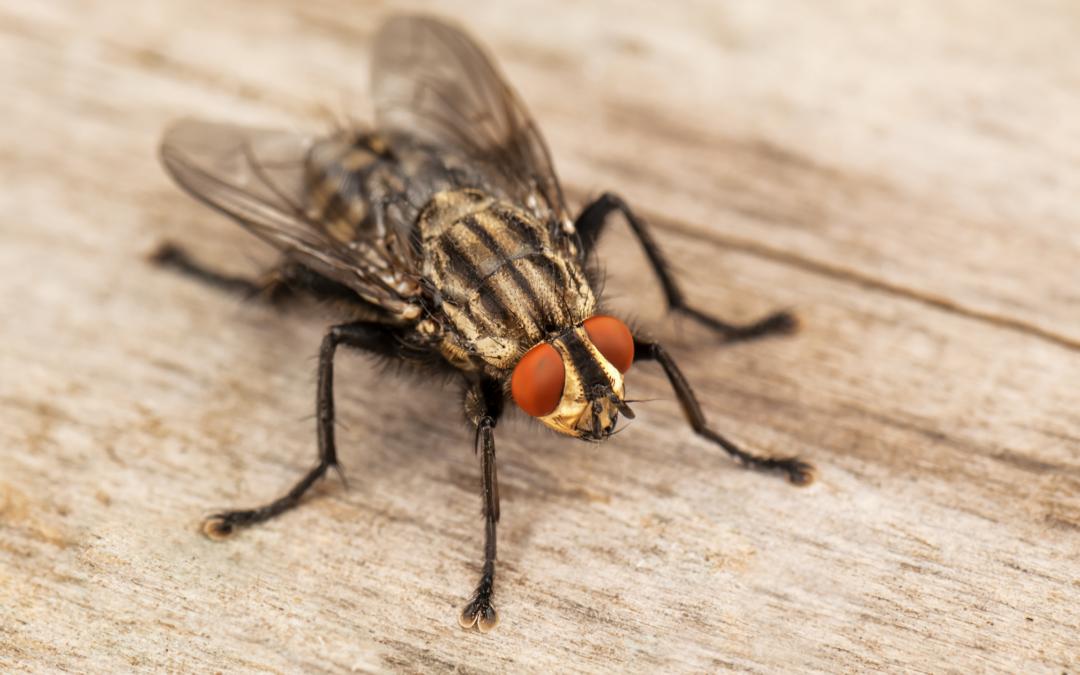
House flies (Musca domestica) are the most common fly species found in homes. They are medium-sized, typically measuring about 1/4 inch long. House flies have gray or black bodies with four dark longitudinal stripes on their thorax. Their eyes are notably large and compound, providing them with a wide field of vision. The life cycle of a house fly includes four stages: egg, larva (maggot), pupa, and adult. Under ideal conditions, this cycle can be completed in as little as seven to ten days, allowing large numbers to develop quickly.
Why Do House Flies Get into Homes?
House flies enter homes primarily in search of food, warmth, and breeding sites. They are attracted to a wide variety of organic materials, including food waste, decaying matter, and animal feces. Kitchens, garbage bins, pet areas, and even indoor plants can become attractive breeding sites. Flies are particularly adept at finding tiny openings in windows, doors, and vents, which they use to gain entry.
During cooler months, house flies seek warmth, which makes homes an attractive refuge. They are also drawn to the scent of food and garbage. Poor sanitation and improperly sealed entry points can exacerbate the problem, leading to an infestation.
Risks Posed by House Flies
While house flies may seem harmless, they can pose significant health risks. The house fly is known to carry and transmit a variety of pathogens, including bacteria, viruses, and parasites. House flies can contaminate food and surfaces with these pathogens, leading to illnesses such as food poisoning, dysentery, and respiratory infections. The fact that house flies frequently feed on waste materials further increases the risk of disease transmission.
In addition to health risks, house flies can be a general annoyance. Their presence can be unsettling, and they can quickly multiply, becoming a larger issue if not addressed promptly.
How to Prevent House Flies from Getting into Homes
Preventing house flies from entering your home requires a combination of good sanitation practices, physical barriers, and, if necessary, professional pest control services. Here are some effective strategies:
- Maintain Cleanliness: Keep your home clean, especially in areas where food is prepared and consumed. Wipe down surfaces, clean up spills promptly, and store food in sealed containers. Regularly take out the trash and ensure that garbage bins are covered and cleaned.
- Eliminate Breeding Sites: Remove potential breeding sites by promptly disposing of organic waste. This includes cleaning up after pets and keeping compost piles away from the house. Ensure that drains are clean and not clogged with organic matter.
- Seal Entry Points: Inspect your home for potential entry points. Install screens on windows and doors, and repair any holes or tears in existing screens. Seal gaps around doors, windows, and vents with weatherstripping or caulking.
- Use Fly Traps and Deterrents: Fly traps, sticky tapes, and electronic fly zappers can help reduce the number of flies indoors. Additionally, natural deterrents like essential oils (e.g., lavender, eucalyptus) can be used to repel flies.
- Professional Pest Control: If you are dealing with a severe infestation or recurring fly problems, consider contacting a professional pest control company. They can provide targeted treatments and offer advice on long-term prevention strategies.
House flies are more than just a minor inconvenience; they pose real health risks and can be a persistent problem if not properly managed. By understanding why these pests enter homes and implementing effective prevention measures, you can keep your living space free of flies. Remember, maintaining cleanliness, eliminating breeding sites, and sealing entry points are key steps in preventing a house fly infestation. For more persistent issues, a professional pest control company can offer comprehensive solutions.
Aug 8, 2024 | DIY Pest Control, Fire Ant, Florida Pest Control
Living in Florida offers plenty of sunshine and beaches, but it also means dealing with fire ants. These pests thrive in our humid, warm environment, quickly taking over yards by creating mounds and delivering painful stings. Reducing and preventing fire ant activity is easier than you think. Let’s breakdown everything you need to know about fire ants.
Understanding Fire Ants
Fire ants are known for their painful stings and aggressive behavior if they feel threatened, often stinging multiple times. If stung, these pests will inject venom that causes a burning and itching sensation, and in some cases will cause allergic reactions.
Fire ants can vary in size, ranging from 1/8 to ¼ inch and have reddish-brownish bodies. You’ll often see fire ants building their large, dome-shaped mounds in areas that are open and sunny, such as lawns, pastures, and along roads. These mounds can reach up to 18 inches in height!
Preventing Fire Ants from Your Yard
Deterring fire ants away from your property is the first step to avoiding an infestation. Consider these DIY fire ant prevention tips:
- Keep your lawn maintained by mowing the grass and removing debris regularly to reduce fire ant activity.
- Avoid over-watering your lawn, as fire ants are attracted to moist environments.
- If you’re eating outdoors, make sure to clean up any food crumbs and drink spills as soon as possible.
- If you have fruit trees, make sure to remove any rotten fruit or fruit that has fallen on the ground.
- Repair any leaking faucets, hoses, or irrigation systems in your yard.
- Consider applying insecticide barriers around the perimeter of your property to deter fire ants from entering.
If you’ve spotted one too many fire ant mounds on your property, call a pest control company near you. These experts will provide you with an inspection, fire ant control plan, and prevention tips to avoid an ant infestation in the future.
Jul 31, 2024 | DIY Pest Control, Florida Pest Control
Miami’s warm, tropical climate is the perfect paradise for not only humans but pests too! It’s crucial for all Florida homeowners to be vigilant in controlling and preventing common household pests to avoid a full-blown infestation. Check out the common pests you should look out for and our tips on preventing them.
Common Household Pests In Miami
- Cockroaches: These pests are difficult to eliminate, often reproducing very quickly. They thrive in our humid environment and will contaminate food, spread diseases, and trigger allergies.
- Ants: Miami is home to several ant species, including fire ants, carpenter ants, and crazy ants. If these pests invade, they can be challenging to control, especially if they have established their colony in walls, lawns, or kitchens.
- Termites: Subterranean and drywood termites are both common in Florida and are a major concern for homeowners due to their potential to cause extensive structural damage.
- Mosquitoes: Not only a nuisance, but mosquitoes can also transmit diseases like Zika, dengue, and West Nile virus. Peak mosquito season is practically year-round because of our warm climate, creating an ideal breeding ground for them.
- Rodents: Rats and mice are common in urban areas, often causing various problems including damage and health concerns. Once these creatures find an area with an available food source, they will continue to come back for more.
- Spiders: While most spiders in Miami are harmless, like daddy long legs, if they’ve infested your home in numbers, they can quickly become a nuisance.
Pest Prevention Tips for Miami Homeowners
Preventing pests from entering your home is the first step in avoiding an infestation. Here are some effective pest prevention tips:
- Regularly clean your home, especially the kitchen and dining areas.
- Wipe down countertops, sweep floors, and clean up spills as soon as possible.
- Store food in plastic or glass containers with tightly sealed lids.
- Inspect your home for gaps and cracks in walls, windows, and doors.
- Seal any openings with caulk or weather stripping.
- Keep your lawn well-trimmed and free of debris.
- Remove standing water to eliminate mosquito breeding grounds and other common household pests.
- Declutter your home by removing old newspapers and magazines, storing items in plastic storage containers instead of cardboard boxes, and avoiding clothes on the floor.
By implementing and staying informed on common pests in your area, you can keep your home pest-free. If you’ve noticed an influx of the pests mentioned above or would like to get ahead of prevention, it’s always best to call a Miami pest control company near you. These pest control professionals will provide you with a thorough inspection, identify the pest, and recommend the best treatment and prevention plan.
Jul 26, 2024 | DIY Pest Control, Pest Control
Ticks are a common nuisance in Georgia, often found in wooded areas, tall grasses, and even in backyards. These tiny arachnids can latch onto you or your pets and cause a range of health issues. Knowing what to do if you get bitten by a tick is crucial to prevent complications. In this blog, we’ll discuss common types of ticks in Georgia, the diseases they can spread, what to do if you get a tick bite, and preventive measures to keep ticks at bay.
Common Types of Ticks in Georgia
- Blacklegged Tick (Ixodes scapularis): Also known as the deer tick, this type is prevalent in Georgia and is notorious for transmitting Lyme disease.
- Lone Star Tick (Amblyomma americanum): Recognizable by the white dot on the back of adult females, this tick can spread diseases like ehrlichiosis and tularemia.
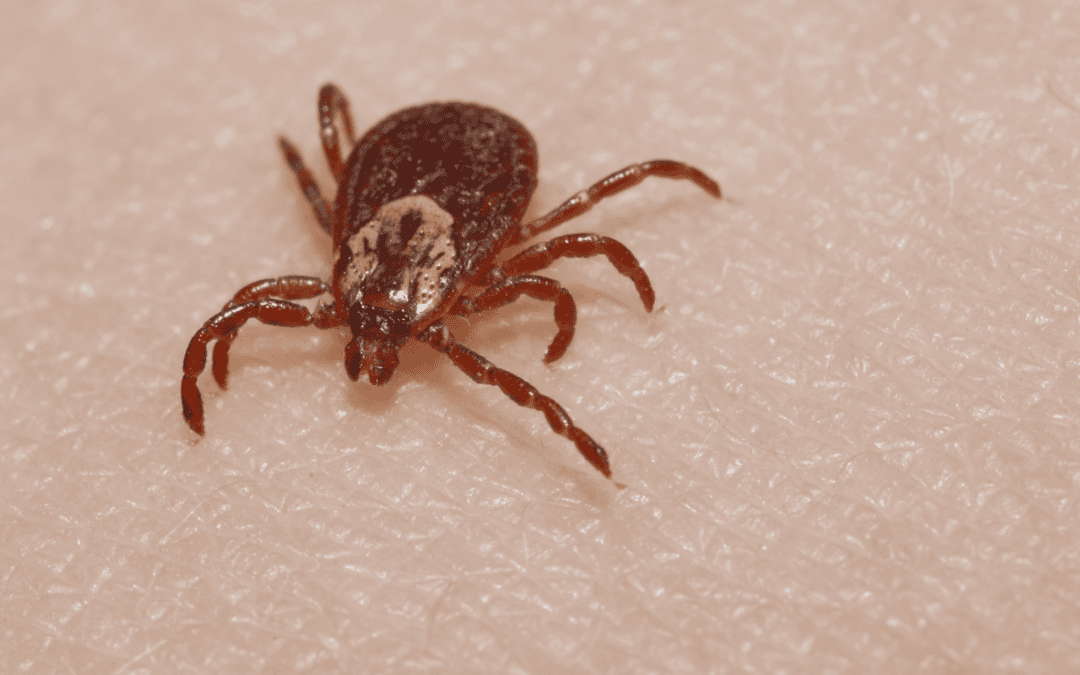
- American Dog Tick (Dermacentor variabilis): Found in grassy and brushy areas, it is a known carrier of Rocky Mountain spotted fever.
Diseases Spread by Tick Bites
- Lyme Disease: Transmitted primarily by the blacklegged tick, symptoms include fever, headache, fatigue, and a characteristic skin rash called erythema migrans.
- Rocky Mountain Spotted Fever: Spread by the American dog tick, it presents with fever, rash, and sometimes fatal complications if not treated promptly.
- Ehrlichiosis and Tularemia: These diseases can be spread by the lone star tick and cause symptoms like fever, headache, and muscle pain.
What to Do If You Get a Tick Bite
- Remove the Tick Properly:
- Use fine-tipped tweezers to grasp the tick as close to the skin’s surface as possible.
- Pull upward with steady, even pressure. Avoid twisting or jerking the tick, as this can cause the mouth parts to break off and remain in the skin.
- If mouth parts remain in the skin, remove them with tweezers if possible. If not, leave them alone and let the skin heal.
- Clean the Area:
- After removing the tick, thoroughly clean the bite area and your hands with soap and water or rubbing alcohol.
- Monitor for Symptoms:
- Watch for signs of tick-borne illnesses, such as rash, fever, fatigue, and muscle aches. These symptoms can develop days to weeks after a tick bite.
- If you develop a rash or other symptoms, contact your healthcare provider promptly.
- When to Worry About a Tick Bite:
- Seek medical attention if you cannot completely remove the tick, if you develop a rash around the bite site, if you experience flu-like symptoms, or if the bite site becomes red, swollen, and painful.
Preventing Tick Bites When Outdoors
- Wear Protective Clothing: Long sleeves, pants tucked into socks, and light-colored clothing can help you spot ticks more easily.
- Use Tick Repellents: Apply insect repellents that contain DEET, picaridin, or permethrin to clothing and exposed skin.
- Avoid Tick-Prone Areas: Stay on well-trodden paths and avoid tall grass and thick vegetation.
- Check for Ticks Regularly: Perform tick checks after spending time outdoors, especially in high-risk areas. Pay special attention to hidden areas like armpits, behind the knees, and the scalp.
Preventing Ticks on Your Pets
- Use Tick Prevention Products: Consult your veterinarian about tick prevention products for your pets, such as tick collars, topical treatments, and oral medications.
- Check Pets Regularly: Inspect your pets for ticks daily, especially after they’ve been outdoors. Focus on areas around the ears, neck, and between the toes.
- Keep Your Yard Tidy: Maintain your yard by keeping grass short, removing leaf litter, and creating a tick-free zone with wood chips or gravel between wooded areas and your lawn.
- Bathe Pets Frequently: Regular baths can help you spot and remove ticks before they attach to your pet’s skin.
Dealing with ticks can be daunting, but your local pest control company in Georgia is here to help. We offer comprehensive pest control services to protect your home, family, and pets from tick infestations. Our experienced technicians can identify tick hotspots around your property and provide effective treatments to eliminate ticks and prevent future problems.
Ticks are more than just a minor inconvenience—they can pose serious health risks to you and your pets. By understanding the types of ticks common in Georgia, recognizing the diseases they can spread, and knowing what to do if you get bitten, you can take proactive steps to protect yourself and your loved ones. Remember, prevention is key, and regular tick checks combined with pest control services can keep your environment tick-free.