Sep 4, 2025 | Pest Control
No one enjoys walking into a web on the way to the mailbox or finding a surprise eight-legged visitor in the shower. If you live in Peachtree Corners and want fewer spiders without harsh chemicals or expensive treatments, eco-friendly methods can help.
Georgia’s warm, humid climate makes our area perfect for a variety of spider species. With consistent natural prevention strategies, you can reduce indoor spider activity while protecting your household and the environment.
Understanding Spiders in Peachtree Corners
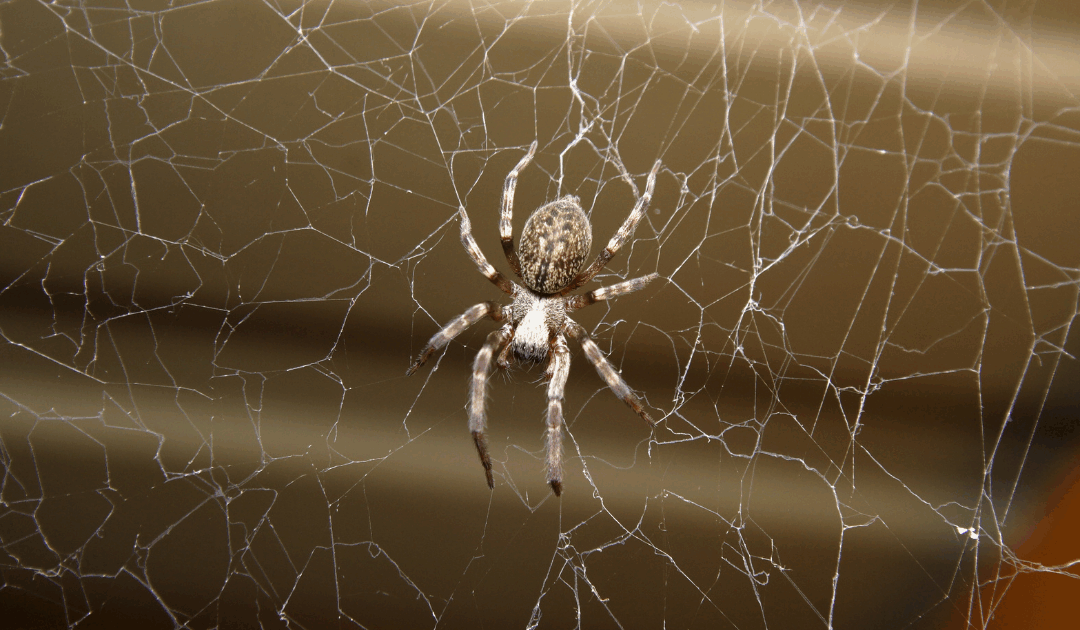
Our subtropical climate supports common spiders such as house spiders and wolf spiders, with occasional brown recluses or black widows. Most are harmless and even help control other pests, but that doesn’t mean they belong in your living space.
Spiders move indoors seeking food, water, and shelter. Removing these attractions is the first step in keeping them out naturally.
Natural Prevention: Your First Line of Defense
Preventing entry is more effective than dealing with an infestation later. These strategies make your home less appealing to spiders while preserving beneficial insects.
Seal Entry Points
Spiders can slip through tiny gaps. Inspect and seal potential entryways:
- Caulk cracks around windows, doors, and foundations
- Repair screens and door sweeps
- Seal spaces around pipes, cables, and utility lines
- Check where siding meets roofing for openings
Reduce Clutter Indoors and Outdoors
Clutter provides hiding spots and attracts insects spiders feed on. To limit this:
- Remove cardboard boxes from garages and basements
- Keep storage areas organized
- Store firewood at least 20 feet from your home
- Trim plants away from exterior walls
- Clear debris from your yard perimeter
Adjust Outdoor Lighting
Outdoor lights attract insects, which attract spiders. Use yellow or sodium vapor bulbs, or opt for motion-activated lights to reduce insect activity near your home.
Natural Repellents That Work
Eco-friendly repellents can help discourage spiders from entering your home.
Essential Oil Sprays
Mix 10–15 drops of peppermint, citrus, tea tree, or eucalyptus oil with water in a spray bottle. Apply around windows, doors, and corners weekly or after cleaning.
Vinegar Solutions
Combine equal parts white vinegar and water. Spray along baseboards, entry points, and common spider areas. The scent fades quickly for people but lingers for spiders.
Spider-Repelling Plants
Add plants spiders dislike to your landscaping:
- Lavender – aromatic and attractive
- Mint – best planted in containers
- Citronella – doubles as mosquito deterrent
- Lemongrass – adds garden texture and pest resistance
Maintaining a Spider-Unfriendly Environment
Consistency is key for long-term success.
Regular Cleaning Routines
Vacuum corners, baseboards, and under furniture. Remove webs immediately to disrupt spider activity and discourage return.
Moisture Management
Limit humidity using exhaust fans in kitchens and bathrooms, fixing leaks quickly, ventilating crawl spaces, and using dehumidifiers in damp areas.
Eliminate Food Sources
Since spiders feed on other insects, reducing indoor pest activity will naturally reduce spiders. Keep kitchens clean and promptly address any insect problems.
When Natural Methods Need Support
If spider activity persists, consider eco-friendly supplemental measures:
- Diatomaceous Earth – A natural powder that damages spider exoskeletons; sprinkle lightly in problem areas away from children and pets.
- Cedar Products – Cedar chips or blocks in closets, storage areas, or around the foundation can deter spiders naturally.
Creating Long-Term Success
Natural spider control takes persistence but provides lasting benefits. Track where spiders appear most often and adjust prevention methods accordingly.
Enjoying a Naturally Spider-Free Home
With consistent prevention, natural repellents, and routine maintenance, you can encourage spiders to stay outdoors where they belong.
Spiders do play a role in controlling other pests, but the goal is to keep that work outside, not inside your home. For ongoing prevention and targeted solutions, contact your local pest control professionals. They can create a customized plan that supports your eco-friendly preferences while keeping your home web-free.

Aug 27, 2025 | Florida Pest Control
Florida summers mean sunny beaches and family fun—but also an increase in bed bug activity. The warmer months bring ideal conditions for these pests to reproduce and spread, especially with more people traveling. Knowing why summer is peak bed bug season and how to prevent them can help protect your home.
Bed Bug Season in Florida
Why Summer Is Peak Season for Bed Bugs in Florida
Bed bugs thrive in Florida’s summer climate. Here’s why they become more active:
- Warm Temperatures
Summer heat speeds up bed bug reproduction. A female can lay hundreds of eggs, and warm temps help them hatch and mature faster.
- Increased Travel
Tourists and locals alike travel more in summer, which increases the risk of spreading bed bugs through luggage and clothing.
- High Humidity
Bed bugs prefer humid environments, and Florida’s moisture-rich air helps them survive longer indoors.
Why Bed Bugs Are More Than Just a Nuisance
Bed bug infestations can lead to a range of issues beyond the annoyance of bites:
- Health Irritations
Bites can cause red welts, itching, and in some cases, allergic reactions. Even without disease transmission, they can disrupt sleep and comfort.
- Financial Strain
Eradication can be costly. Treatment, mattress replacement, and missed work add up quickly.
- Emotional Stress
Living with bed bugs can lead to anxiety and insomnia. Infestations can be persistent and emotionally draining.
How to Prevent and Manage Bed Bugs This Summer
Protect your home with these practical, eco-friendly tips:
1. Inspect and Clean Regularly
- Focus on high-risk areas: Mattress seams, headboards, and furniture crevices.
- Launder items on high heat: Wash and dry bedding, curtains, and clothes on the hottest safe settings.
2. Be Cautious While Traveling
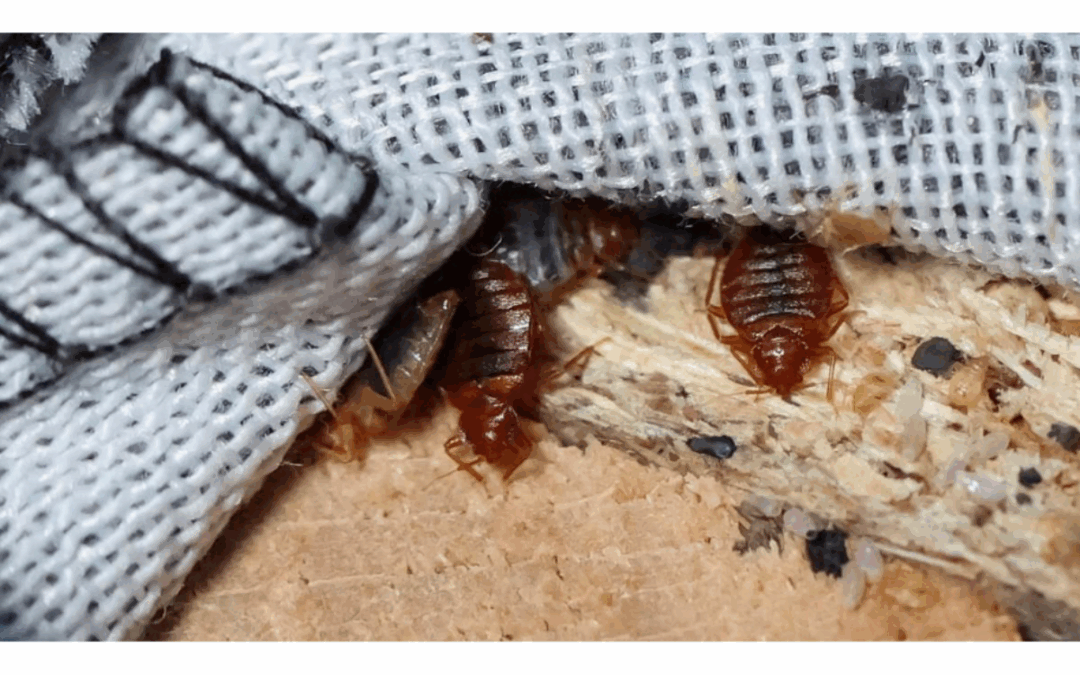
- Check hotel rooms and rentals: Look for small stains, dark spots, or shed skins around mattresses and upholstery.
- Keep bags off beds and floors: Use counters or tables instead, and consider protective covers for extra peace of mind.
3. Declutter Sleeping Spaces
- Bed bugs love hiding in clutter. Keeping spaces tidy and organized makes it harder for them to spread unnoticed.
4. Seal Entry Points in Shared Buildings
- Seal cracks, baseboards, and shared walls in apartments or multi-unit housing to block travel between units.
5. Use Natural Deterrents
- Try lavender, tea tree, or peppermint oil sprays around sleeping areas. While not a cure-all, they may discourage bugs and freshen your space.
6. Install Mattress Encasements
- Use bed bug-proof covers on your mattress and box spring to trap pests and prevent infestation.
7. Monitor with Interceptor Traps
- Place bed bug traps under bed legs to catch early activity before it becomes a full-blown problem.
8. Call in the Experts
- If you suspect or confirm an infestation, contact your local pest control professionals. They have the tools and training to safely and effectively eliminate bed bugs.
Bed bugs may be more active in summer, but that doesn’t mean you have to suffer. Regular inspections, clean travel habits, and protective bed bug control measures can make your home less inviting to these pests.
Stay informed, stay alert, and enjoy your Florida summer without the unwanted guests.
Aug 25, 2025 | Commercial
For commercial property owners, pest control often gets overlooked—until it’s too late. What seems like a minor issue can quickly escalate into costly property damage, tenant loss, and operational disruption. This case study highlights what happens when pest prevention is ignored and why working with a commercial exterminator is a smart, long-term investment.
Commercial Exterminator: Benefits For the Long Term
A Commercial Property’s Pest Problem
The Scenario:
An office complex in a busy metro district houses 15 tenants, including law firms, tech startups, and marketing agencies. To cut operating costs, the property manager skips regular pest control services.
With no immediate signs of infestation, they assume everything is under control. But behind the scenes, unsealed cracks, food waste in the breakroom, and humid ductwork attract ants, cockroaches, and eventually, rodents. Within months, the situation spirals.
Consequences of Neglecting Pest Control
1. Financial Losses
Ignoring pest management leads to significant costs:
- Structural Damage: Rodents chew wiring and insulation. Ants damage drywall. Repairs cost $30,000 in six months.
- Compliance Issues: An employee files a health hazard complaint. The company receives a $5,000 fine.
- Lost Rent: Two tenants break their leases early. Replacing them takes time, costing $50,000 in lost income.
Preventive pest services would have cost a fraction of these losses.
2. Reputational Damage
- Tenant Complaints: Online reviews describe poor hygiene and pest sightings. Potential tenants look elsewhere.
- Negative Perception: Local businesses and customers associate the complex with poor management and unsanitary conditions.
Even after repairs, it’s difficult to rebuild credibility. Reputation damage lingers long after pests are gone.
3. Operational Disruption
- Closures: Health code violations shut down common areas temporarily, including kitchens and conference rooms.
- Lower Productivity: Employee discomfort reduces focus and morale, especially in affected offices.
Tenants grow frustrated. Businesses consider relocating, and occupancy dips below target levels.
The Value of Proactive Pest Control
Professional pest control is not a reactive fix—it’s a preventative strategy. Here’s how it protects your property and bottom line:
1. Early Detection
Routine inspections catch early signs of infestation—like droppings, chew marks, or moisture issues—before they become problems.
2. Customized Solutions
No two properties are alike. Commercial exterminators develop treatment plans tailored to your structure, industry, and tenant needs—whether that means sealing entry points, installing traps, or applying low-impact treatments.
3. Health Code Compliance
Pest control pros help you stay aligned with local codes and standards, reducing the risk of penalties, shutdowns, and lawsuits.
4. Eco-Conscious Treatments
Today’s commercial pest services prioritize environmentally responsible methods—biodegradable repellents, targeted treatments, and strategies that minimize disruption to tenants and surrounding businesses.
Invest in Prevention, Not Damage Control
The cost of ignoring pests adds up fast—from repairs and lost revenue to tenant dissatisfaction and negative reviews. Regular pest control protects your investment, enhances tenant retention, and supports uninterrupted operations.
Ready to Protect Your Commercial Property?
If you’re a property manager, building owner, or commercial landlord, don’t wait for signs of trouble. Partner with a pest control company that specializes in commercial properties and preventative care.
Aug 20, 2025 | CrawlSpace
Crawl spaces are easy to overlook—but in an area like Chattanooga, Tennessee, they play a major role in the comfort, health, and efficiency of your home. If you’ve been noticing musty odors, high energy bills, or unwanted pests, it may be time to take a closer look under your floors. Crawl space encapsulation helps protect your home from moisture, mold, and pests—common challenges in southeastern Tennessee. Let’s explore what encapsulation is, how to spot warning signs, and why more Chattanooga homeowners are choosing to seal their crawl spaces for good.
What To Know About Crawl Space Encapsulation
What Is Crawl Space Encapsulation?
Encapsulation involves sealing off your crawl space with a thick vapor barrier and often includes added insulation and a dehumidifier. The goal? Lock out moisture and prevent common issues like:
- Mold and mildew growth
- Wood rot and structural damage
- Pest infestations
- Rising indoor humidity
For Chattanooga homes, where high humidity is the norm, encapsulation helps keep indoor air healthier and your home more energy-efficient.
Why Encapsulation Is a Smart Move in Naples
Here’s what makes encapsulation a worthwhile investment for homeowners in our area:
Improved Indoor Air Quality
- A large portion of the air you breathe comes from your crawl space.
- Sealing it reduces allergens, mold spores, and musty smells.
Better Moisture Control
- Encapsulation blocks outside humidity from entering your home.
- This helps prevent wood damage, mold, and warping floors.
More Energy Efficiency
- With less humidity and more insulation, your HVAC system doesn’t have to work as hard.
- That can mean lower energy bills and more consistent temperatures.
Pest Prevention
- Sealing up entry points and removing moisture makes your crawl space less inviting to rodents, termites, and other unwanted guests.
Increased Home Value
- Encapsulation protects your home long-term and can boost resale value by making your property healthier and more efficient.
Signs Your Crawl Space May Need Attention
Living in Chattanooga, you might spot these red flags around your home:
- Musty odors: That damp smell could be mold or mildew under your floors.
- High humidity or condensation: Moisture from your crawl space may be impacting your living areas.
- Visible mold or mildew: Growth around baseboards or in corners can often trace back to crawl space moisture.
- Pests: Rodent droppings or bug sightings may signal a problem below.
- Sagging floors: Moisture can weaken your home’s foundation over time.
What to Expect During Encapsulation
Professional encapsulation typically includes:
- Crawl space inspection and cleanout
Checking for mold, pests, or damage and clearing debris.
- Sealing with a vapor barrier
Installing a thick liner on floors and walls, and sealing vents or openings.
- Humidity management
Adding a dehumidifier or sump pump if needed to keep moisture under control.
- Final inspection
Ensuring the space is properly sealed and functioning as it should.
Long-Term Benefits for Chattanooga Homeowners
Crawl space encapsulation delivers ongoing value in a climate like ours:
- Fewer repairs from mold, pests, or water damage
- Improved indoor comfort year-round
- Peace of mind knowing your home is better protected from below
Is Crawl Space Encapsulation Right for Your Chattanooga Home?
If you’re noticing signs like high indoor humidity, musty smells, or pest activity—or just want to protect your home from potential issues, encapsulation with professional help might be the right move. It’s a proactive way to improve your home’s air quality, reduce moisture, and keep pests at bay in Chattanooga’s climate. Contact your local crawl space care provider for a quote today!
Aug 18, 2025 | Going Green, Mosquito
As temperatures rise in Alabama, mosquito season kicks into full gear—especially in the summer. The state’s warm, humid climate creates ideal breeding conditions, and without action, mosquito populations can quickly grow. More than just a nuisance, mosquitoes are known to spread diseases like West Nile Virus and Zika. If you’re looking to reduce mosquito activity around your home, sustainable, eco-conscious methods can help. Below are practical green mosquito control strategies to help keep mosquitoes away this season—without relying on harsh chemicals.
Why Green Mosquito Control Is Important in Alabama
Peak Season:
Mosquito activity typically spikes in July due to standing water, warm nights, and rising humidity.
Health Risks:
Mosquitoes carry several viruses that can affect humans and pets:
- West Nile Virus: May cause fever, fatigue, or, in rare cases, neurological complications.
- Zika Virus: Can be especially concerning for pregnant women due to risks of birth defects.
- Other Risks: Includes dengue fever and chikungunya, though less common in Alabama.
Everyday Impact:
Mosquitoes can make backyards unusable and outdoor gatherings unpleasant, especially during the evenings.
Sustainable Ways to Reduce Mosquitoes
1. Eliminate Standing Water
Mosquitoes lay eggs in stagnant water. Removing these sources helps limit breeding:
- Empty Containers: Check flowerpots, birdbaths, toys, and gutters.
- Refresh Water: Clean and refill birdbaths or pet bowls every few days.
- Improve Drainage: Fill low-lying spots where water pools after rain.
2. Add Mosquito-Repelling Plants
Certain plants help deter mosquitoes naturally:
- Effective Options: Citronella, lavender, marigolds, lemongrass, and basil.
- Where to Plant: Use near patios, entryways, and outdoor seating areas.
These plants provide mosquito control and improve your home’s landscaping.
3. Use Mosquito Traps
Mosquito traps attract and capture adult mosquitoes:
- Types: Options include CO₂-based, UV-light, and fan-powered traps.
- Eco Benefits: Choose chemical-free or reusable traps like In2Care, which uses environmentally friendly ingredients and reduces the need for broad insecticide spraying.
4. Modify Landscaping
Your yard’s design plays a big role in mosquito activity:
- Trim Overgrowth: Keep grass mowed and bushes pruned to reduce resting spots.
- Fix Drainage Issues: Ensure water flows away from your home.
- Encourage Natural Predators: Dragonflies, frogs, and birds feed on mosquitoes.
5. Use Non-Toxic Sprays
Skip the harsh pesticides and opt for more natural alternatives:
- DIY Repellents: Use essential oils like citronella, eucalyptus, or peppermint.
- Store-Bought Sprays: Look for plant-based ingredients and low-toxicity formulas.
Additional Ways to Deter Mosquitoes
- Install Screens: Repair any tears in window and door screens to block entry.
- Use Outdoor Fans: Mosquitoes avoid air movement, making fans on porches effective.
- Dress Smart: Light-colored, loose-fitting clothes are harder for mosquitoes to bite through.
Reclaim Your Yard This Season
Mosquitoes don’t have to take over your outdoor spaces this summer. By removing breeding grounds, enhancing your landscaping, and using natural repellents, you can enjoy more time outside. For added support, reach out to a local pest control provider with expertise in eco-conscious, green mosquito solutions.
Make this mosquito season manageable, starting today.