Oct 6, 2017 | DIY, DIY Pest Control, Pest Control
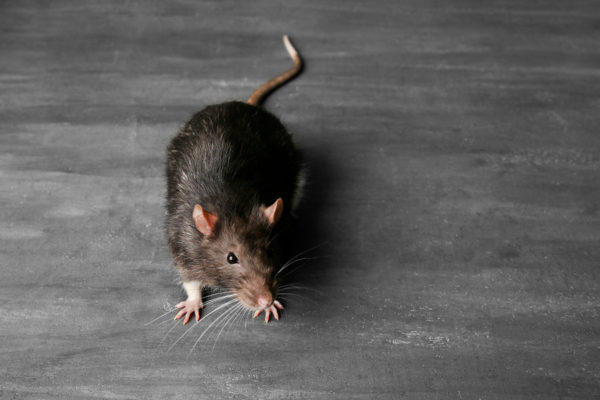
1. Mice and Rats

Mice and rats will seek shelter and warmth during the cold winter months. They can fit through very small openings so eliminating entry points is an effective way at preventing them from coming into your home. Eliminating food and water sources is also effective. Replace damaged roof tiles and fill any cracks in the roofing cement. Keep your attics and garages tidy and clutter free. Store your items in plastic containers versus cardboard. Install chimney caps to keep them from nesting inside your chimney. Cover your air vents with wire mesh. Store food in airtight containers and don’t leave any dirty dishes in the sink. Empty your trash regularly and make sure trash can lids are secure. Don’t leave trash bags out in the open. Clean countertops, stoves, and behind the fridge regularly and sweep and vacuum often. Seal holes around pipes using caulk or expanding foam. Keep branches and shrubbery trimmed away from the house and store firewood at least 20 feet from the home. Don’t leave pet food out overnight and seal unused pet food in airtight containers. Replace weatherstripping on windows and doors.
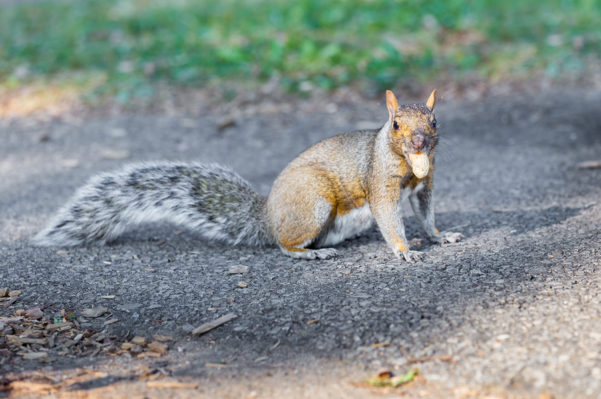
2. Squirrels
Squirrels like to frequent attics and chimneys to make their nests. Cover chimneys with chimney caps. Keep shrubbery trimmed away from the house and cut down overhanging limbs. Replace rotting wood and seal any entry points including where pipes and utilities come into the home and overhanging eaves.
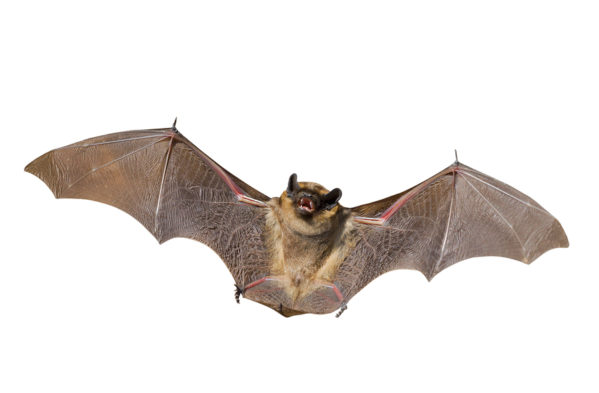
3. Birds and Bats
Birds and bats can and will come into your home through any opening in the exterior of the house. Chimneys should be sealed with chimney caps. Inspect the outside of your home for any openings and seal them with steel wool or foam rubber. Keep doors and windows shut as much as possible. Use screens if you must have your windows open and inspect the screens regularly for damage.
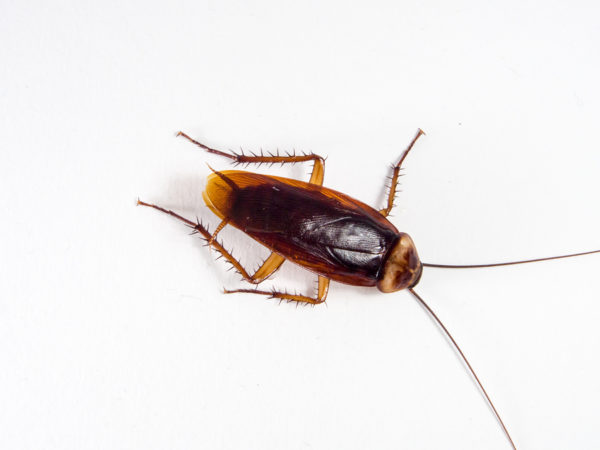
4. Cockroaches
Cockroaches are attracted to moisture and excess water. They will also enter your home in search of food. Check your pipes regularly for leaks and repair quickly. Remove obstructions in pipes to prevent bursting and leaks. Seal around pipe entry points into the home. Clean your gutters. Store items in plastic containers rather than cardboard and keep them off the floor. Store food (including pet food) in airtight containers. Don’t leave dirty dishes in the sink. Wipe down countertops and sweep and vacuum regularly. Clean under sinks, in stoves, and behind appliances regularly. Empty the trash regularly.
5. Fleas
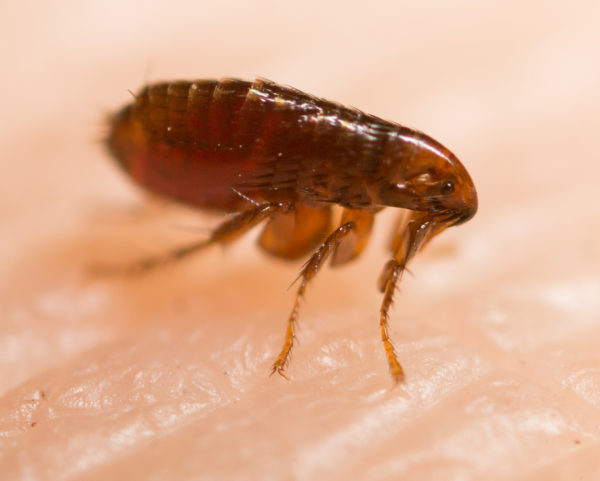
Fleas will hitch a ride into your home on your pets. The first step in preventing fleas is to treat your animals with a flea preventative, whether through medicine or shampoos or both. Check your rugs, carpets, furniture, and pet bedding for signs of fleas. Wash your pet’s bedding and other items in hot water frequently. Vacuum regularly and be sure to empty the vacuum each time you use it. Keep your grass mowed and your shrubs trimmed as this gives fleas less room to hide. Fleas can come into your yard on wild animals so don’t leave pet food out overnight to tempt them to enter your yard. Seal entry points into the house or under porches to prevent them from hiding there, as well.
6. Bed Bugs
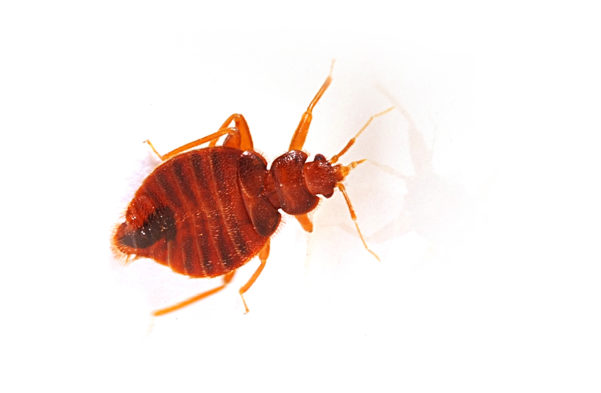
Bed bugs can come into your home in luggage (be vigilant about preventing bed bugs when traveling!) on furniture, bedding, boxes, and even clothing. Check luggage, furniture, bedding, etc. carefully before bringing it into your home. Use a mattress cover that encases the mattress and the box springs. Vacuum frequently. Wash and dry bedding on high heat regularly. Do the same with clothing after traveling.
7. Moths
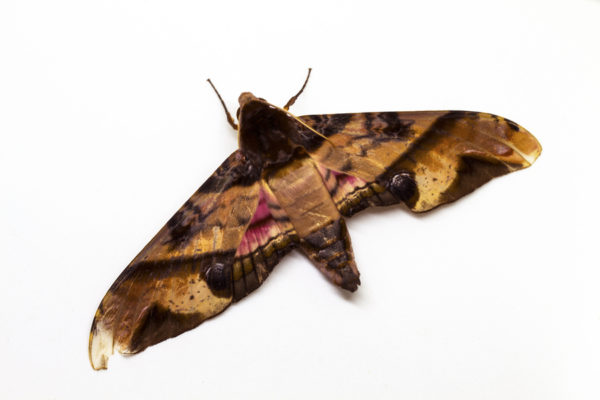
Moths are attracted to wool, fur, and upholstered furniture. Be sure to check your clothes regularly for signs of damage. Wash clothes and store them in sealed bags. Use moth balls. Vacuum and clean the insides of storage areas including wardrobes, closets, and drawers regularly.
8. Spiders
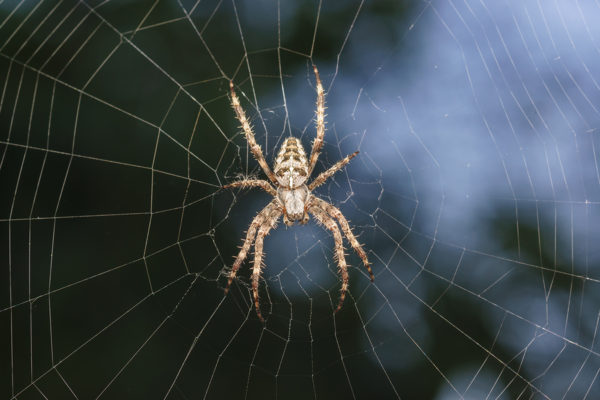
Spiders like to hide in areas of the home that are seldom used. Store seldom used items in sealed plastic containers. Seal cracks and holes in the exterior of your home to keep them from coming inside. Keep your outdoor lights off and use blinds or curtains to block the inside light. Spiders aren’t attracted to the lights but other insects are which the spiders feed on. This eliminates a food source for spiders. Keep shrubbery trimmed away from your home. Keep the grass mowed and remove debris from around your home. Sweep and vacuum regularly. Clear out as much clutter as possible. Vacuum spiders and spider webs.
Oct 6, 2017 | Pest Control
1. Mice and Rats
Mice and rats will seek shelter and warmth during the cold winter months. They can fit through very small openings so eliminating entry points is an effective way at preventing them from coming into your home. Eliminating food and water sources is also effective. Replace damaged roof tiles and fill any cracks in the roofing cement. Keep your attics and garages tidy and clutter free. Store your items in plastic containers versus cardboard. Install chimney caps to keep them from nesting inside your chimney. Cover your air vents with wire mesh. Store food in airtight containers and don’t leave any dirty dishes in the sink. Empty your trash regularly and make sure trash can lids are secure. Don’t leave trash bags out in the open. Clean countertops, stoves, and behind the fridge regularly and sweep and vacuum often. Seal holes around pipes using caulk or expanding foam. Keep branches and shrubbery trimmed away from the house and store firewood at least 20 feet from the home. Don’t leave pet food out overnight and seal unused pet food in airtight containers. Replace weatherstripping on windows and doors.
2. Squirrels
Squirrels like to frequent attics and chimneys to make their nests. Cover chimneys with chimney caps. Keep shrubbery trimmed away from the house and cut down overhanging limbs. Replace rotting wood and seal any entry points including where pipes and utilities come into the home and overhanging eaves.
3. Birds and Bats
Birds and bats can and will come into your home through any opening in the exterior of the house. Chimneys should be sealed with chimney caps. Inspect the outside of your home for any openings and seal them with steel wool or foam rubber. Keep doors and windows shut as much as possible. Use screens if you must have your windows open and inspect the screens regularly for damage.
4. Cockroaches
Cockroaches are attracted to moisture and excess water. They will also enter your home in search of food. Check your pipes regularly for leaks and repair quickly. Remove obstructions in pipes to prevent bursting and leaks. Seal around pipe entry points into the home. Clean your gutters. Store items in plastic containers rather than cardboard and keep them off the floor. Store food (including pet food) in airtight containers. Don’t leave dirty dishes in the sink. Wipe down countertops and sweep and vacuum regularly. Clean under sinks, in stoves, and behind appliances regularly. Empty the trash regularly.
5. Fleas
Fleas will hitch a ride into your home on your pets. The first step in preventing fleas is to treat your animals with a flea preventative, whether through medicine or shampoos or both. Check your rugs, carpets, furniture, and pet bedding for signs of fleas. Wash your pet’s bedding and other items in hot water frequently. Vacuum regularly and be sure to empty the vacuum each time you use it. Keep your grass mowed and your shrubs trimmed as this gives fleas less room to hide. Fleas can come into your yard on wild animals so don’t leave pet food out overnight to tempt them to enter your yard. Seal entry points into the house or under porches to prevent them from hiding there, as well.
6. Bed Bugs
Bed bugs can come into your home in luggage (be vigilant about preventing bed bugs when traveling!) on furniture, bedding, boxes, and even clothing. Check luggage, furniture, bedding, etc. carefully before bringing it into your home. Use a mattress cover that encases the mattress and the box springs. Vacuum frequently. Wash and dry bedding on high heat regularly. Do the same with clothing after traveling.
7. Moths
Moths are attracted to wool, fur, and upholstered furniture. Be sure to check your clothes regularly for signs of damage. Wash clothes and store them in sealed bags. Use moth balls. Vacuum and clean the insides of storage areas including wardrobes, closets, and drawers regularly.
8. Spiders
Spiders like to hide in areas of the home that are seldom used. Store seldom used items in sealed plastic containers. Seal cracks and holes in the exterior of your home to keep them from coming inside. Keep your outdoor lights off and use blinds or curtains to block the inside light. Spiders aren’t attracted to the lights but other insects are which the spiders feed on. This eliminates a food source for spiders. Keep shrubbery trimmed away from your home. Keep the grass mowed and remove debris from around your home. Sweep and vacuum regularly. Clear out as much clutter as possible. Vacuum spiders and spider webs.
May 29, 2013 | Uncategorized
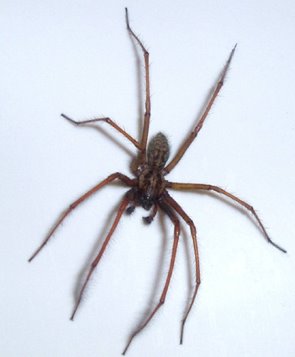
The house spider is a common problem that we’re seeing in homes lately. We’ve had lots of calls and concerns about the tiny little pests hanging around. The most effective way of getting rid of spiders is to prevent them from ever coming into your home. Spiders, like most insects, come into your home in search of food. By ridding your home of other insects (regularly scheduled pest maintenance) your home will be useless to the spider.
Ways to Prevent Spiders from coming into your home:
- Seal cracks and crevices around the perimeter of your home that can be used as entry points into your home.
- Use screens on doors and windows.
- Use a vacuum to suck up spiders and their eggs (they often escape if a broom is used).
- Spider survival is low in homes with low humidity, few insects, higher garages, sheds, barns, warehouses, etc.
- Spider webs are often built in corners and angles of walls and windows so web brush often or ask your pest professional to do it while they are treating your home.
- Spiders build webs by trial and error which explains why there may be multiple vacant webs around your home.
- Keep your home clean. Clutter is good for spiders because it gives them a place to hide.
- Ensure that bushes and other plants are trimmed back from the outside wall of your home.
- Make sure mulch is kept a few inches back from the foundation of your home.
- Use plastic storage boxes instead of cardboard. Spiders love cardboard.
Again, regularly scheduled pest control from a professional pest management company will keep out the spiders and their food sources.
Dec 10, 2012 | Uncategorized
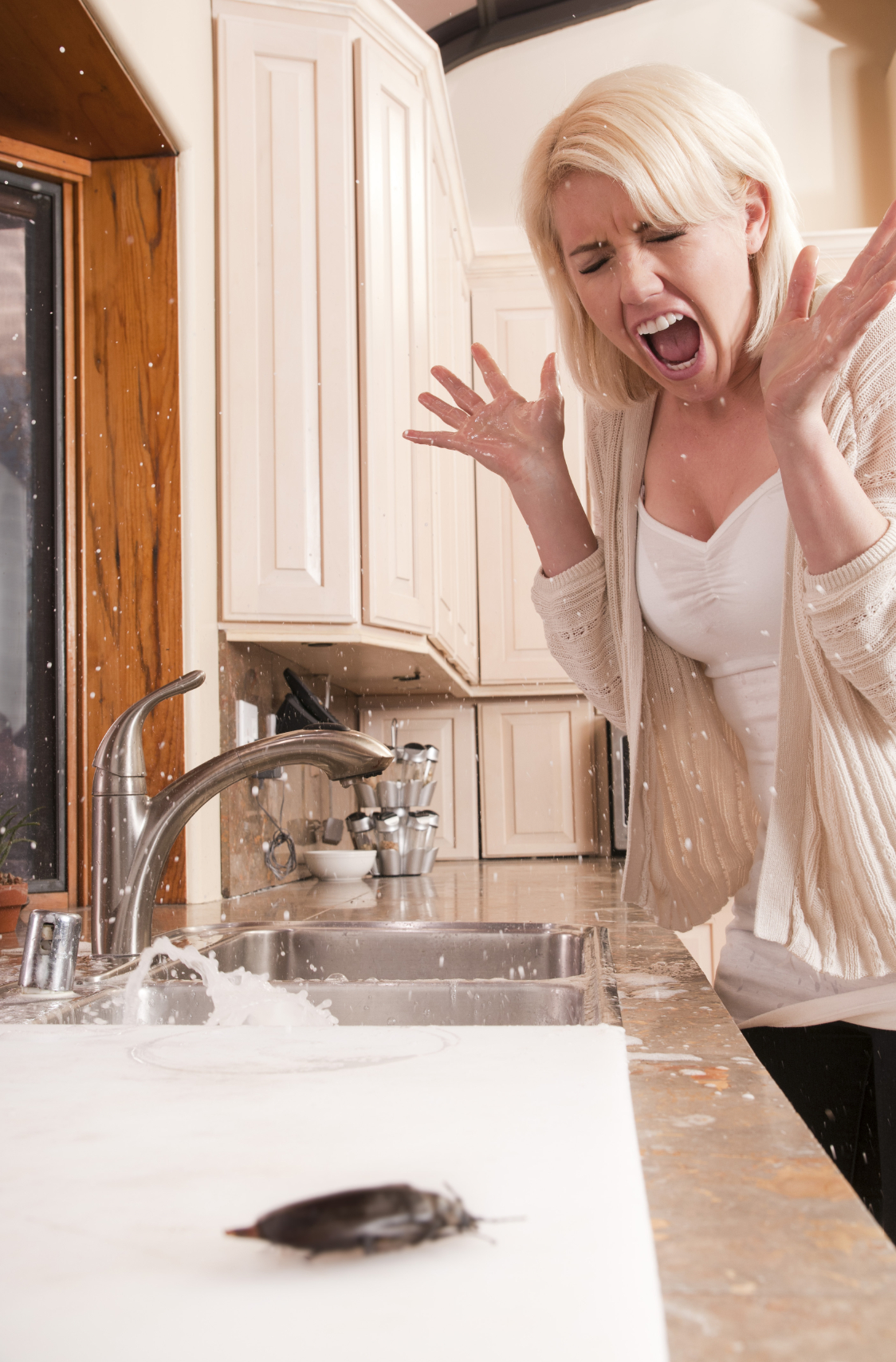
Spotting a spider or roach may cause someone to jump from fright. Most people who have a typical fear of bugs may have these fears for various reasons. For instance, people who avoid bees may have a legitimate concern about being stung, especially if they’ve been stung before and found themselves to be allergic. Some bugs such as bees, wasps, poisonous spiders and mosquitoes can carry threats that many people try to protect themselves from. Northwest Exterminating provides an extensive amount of services to protect homes and businesses from such threats.
Then there are the bugs that may not carry much of a threat but we know the sight of them indicates other unpleasant conditions. Flies and roaches tend to flock to places that are unhygienic and not the cleanest. Maintaining a clean living and working environment usually helps eliminate the presence of these bugs, as well as the related fear. Our preference for a bug-free environment may be due to that in more industrialized, urbanized societies, we do not have firsthand experience with bugs because we do not live in their natural environment. Out of sight is out of mind, so spotting an unusual insect might always be a little bit surprising.
Other people have much more than an aversion, but rather a legitimate fear of insects otherwise known as entomophobia. A well-known form of entomophobia is arachnophobia, the fear of spiders. As the definition suggestions, the fear or concern has little to do with bugs themselves and more to do with somebody’s psychological disposition. Northwest Exterminating may not be able to fix your fears, but we can certainly take care of the bugs for you. Call us today to schedule an appointment!
Source
Melissa Brown
[email protected]
Oct 26, 2012 | Pest Control
If you’re a lover of tasty treats and creative costumes, then your favorite celebration is right around the corner! Halloween is thought to have originated with the ancient Celtic festival of Samhain, when people would light bonfires and wear costumes to ward off roaming ghosts. This festival celebrated their new year on November 1 and marked the end of summer and harvest as the dark, cold winter began. Over time, Celtic areas became overtaken by the Romans and many Roman Catholic and Celtic traditions were intertwined. In the 8th century, Pope Gregory III designated October 31st as All Hallow’s Eve, the day before a Catholic holiday known as All Saint’s Day.
Though today’s celebration is more about dressing up and having a good time, many of the older traditions and superstitions about Halloween remain the same. One of the superstitions regarding Halloween is that anyone who has seen a spider on this evening has encountered the spirit of a loved one watching over them. In actuality, you probably will not see too many spiders around this time because most of them have already laid eggs and died. In fall and winter, spiders might be found in the dark corners of your home or basement as they prepare to begin laying eggs again. If the site of these creatures troubles you, Northwest Exterminating has experienced technicians who can scare these pests away from your home!
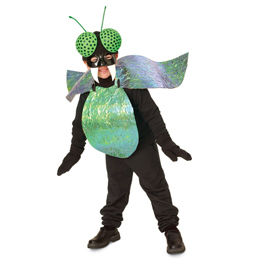
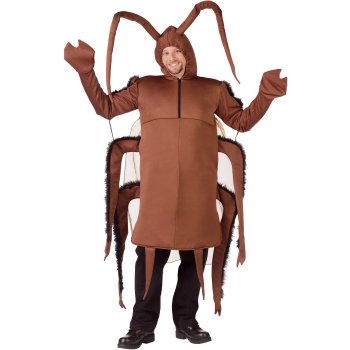
Northwest Exterminating can take care of pests in the home for you, but if you would like to embrace pests in a different way, maybe some of these costumes will do the trick!
Lady bug
Bug eyed bug
Giant Cockroach
Melissa Brown
[email protected]
Sources:
http://www.history.com/topics/halloween
http://suite101.com/article/halloween-nature-myths-a151873
http://www.read-legends-and-myths.com/halloween-myths.html