Aug 14, 2013 | Uncategorized
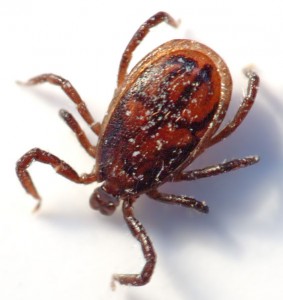
It’s important to protect yourself and your pets from ticks this season! Keep reading for more information on the little suckers!
BRIEF DESCRIPTION
- Size varies depending on the species and type.
- More closely related to spiders than insects.
- Can have either a soft or a hard body.
- Usually brought into homes by animals.
- Feed on animals and humans for their blood meal.
HABITS
- Live in low lying areas such as grass, shrubs, and bushes while waiting for a passing host to attach themselves on to.
- Female ticks have about 3,000 eggs in the spring time.
- Ticks feed on humans, mice, squirrels, raccoons, skunks, dogs, and birds.
SPECIES
- American dog tick
- Blacklegged/deer/bear tick
- Brown dog tick
- Lone Star Tick
- Rocky Mountain Wood Tick
THREATS
- Ticks attach themselves to animals or humans to obtain their blood meal by biting the victim.
- Can cause irritation around the site of the bite, allergic reaction, or cause the mouth parts to get stuck in the skin when the tick is removed.
- Known to transfer Lyme disease, anaplasmosis, and babesiosis.
PREVENTION
- When in wooded areas or tall grass, wear long pants, long sleeves, and closed toed shoes.
- Use a bug repellant that contains DEET.
- Keep grass and other vegetation on your property properly cut and maintained.
- Inspect yourself for ticks after being outdoors.
- Inspect your pets for ticks after being outdoors.
- If you find a tick, use tweezers to remove the tick with a slow, gentle, upward pressure.
OTHER PESTS TO LOOK OUT FOR
Call Northwest Exterminating for information on how to protect your home and loved ones from ticks.
Aug 5, 2013 | Uncategorized
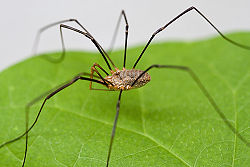
Daddy Long legs or Daddy Long legs Spider?
 Daddy Long legs, or harvestmen, are not actually spiders. Daddy long legs are not poisonous, have long legs and a large bulbous-looking body. They feed on insects, which makes them helpful around the garden. They are especially active at the time of harvest, toward the end of summer and beginning of fall. To keep daddy long legs away, vacuum carpet, upholstery, and curtains frequently to remove spider webs, adult spiders, and egg sacs. Be sure to dispose of the vacuum bag. Tightly seal the trash bag to make sure eggs can’t hatch and crawl out of the bag.
Tip for preventing daddy long legs: Pour 1 cup white vinegar and 1/3 cup vanilla extract into a spray bottle and shake. Spray areas where the daddy long legs have been spotted indoors and out. The smell will repel the insects.
Daddy Long legs Spiders, or cellar spiders, although venomous, are not known to be harmful to humans. Their fangs are short and they do not have enough muscle to be able to penetrate human skin. Daddy long legs spiders are very fragile and delicate. They are usually brown or gray in color, cylindrical in shape and their legs are very long and thin. Daddy long legs spiders survive on others species of spiders, or on occasion they will invade other spiders’ webs and consume the host, their egg, and any prey caught in the web. They hang upside down on their webs, which they create in dark, damp places like home cellars, caves or abandoned animal burrows.
Tip for preventing daddy long leg spiders: To keep daddy long legs spiders away you will need caulk, a vacuum cleaner, a duster, boric acid/Borax, and spider traps. Caulk cracks in your walls, foundation, and loose window frames. With a vacuum cleaner attachment, suck up spiders and their webs at wall corners, undersides of furniture, floors beneath appliances, crevices along the baseboards and around windows and curtains. Insects attract daddy long legs spiders so dust frequently and repair leaking pipes and faucets both inside and out. Sprinkle boric acid under doorways, around window sills, along baseboards, and under appliances. Boric acid is a common ingredient in household cleaning products and is not harmful to humans and pets. Place spider traps in areas where spiders are usually seen.
Barry Teubert
Northwest Exterminating
Savannah Service Center
[email protected]
Jun 26, 2013 | Uncategorized
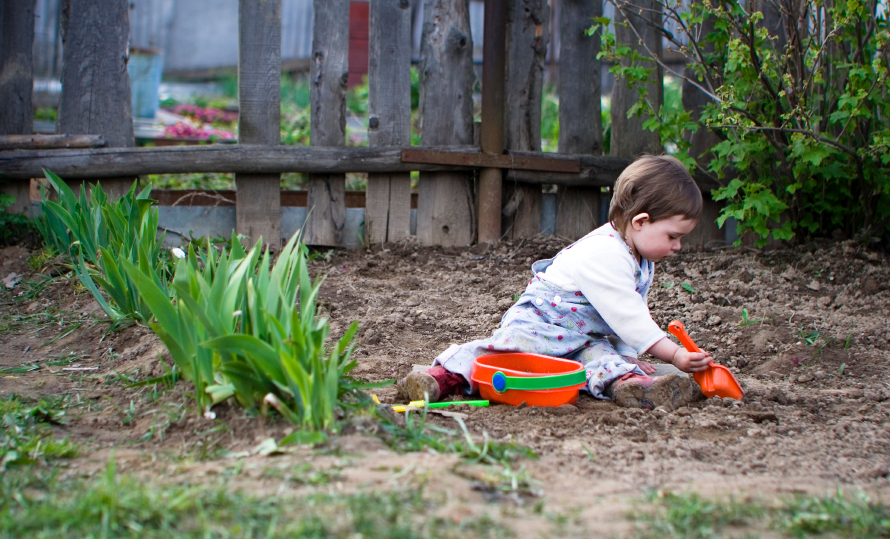
This past weekend I was outside working in the garden when I came across a few unwanted guests. There were a few spiders, a couple ground beetles, and a large amount of ants. The ants and beetles were present because my garden provides them with a large amount of food and water. The spiders were there because my garden provides them food (the other insects).
As most of you know the most common insecticides should not be used in gardens. Leaving the everyday gardener to reach out to “over the counter” products from their local nursery or hardware store to help rid them of pests. Although many of these products are effective for short periods of time, they require a minimum time lapse before you can harvest your yield. As many of you know, at Northwest Exterminating we care about protecting your family from pests in the most natural ways possible. And when it comes to the family garden our service technicians are trained to stop the pest before they enter the garden area. That being said, a lot of the garden insects start in the garden area and never leave it – making it hard to control them. So what can you do? Below I have listed some natural ways to help assist you in keeping the pest populations down in your family’s garden this growing season. Following these steps and methods will ensure a healthy garden with minimal pesticide use.
Environmental Tips:
- Be careful not to over water. Excess water will provide a water source that is attractive to most pests.
- Don’t plant too much. Dense garden foliage will provide hidden shelter for pests including rodents.
- Weed your garden regularly. Eliminating the weeds will allow open spaces that leave pests exposed to other predators.
Natural Plantings You Can Add To Help Keep The Pests Down:
- Plant some of your herbs in amongst your garden staples. The strong aroma from these plants can deter harmful pests, and attract predators to some of the damaging pests. Examples: Basil, Citronella, Dill, Fennel, and Lemongrass
- Spread coffee grounds around the garden to help reduce snails and provide an extra source of fertilizer.
- Use a few peppermint essential oil drops in some water and lightly spray your plants to keep the ants off.
- Plant onions, marigolds, and radishes around the garden to help as well!
We hope some of these tips help you keep your family garden healthier this season! For more information on Northwest’s Pest Control and Services visit us at callnorthwest.com
Adam Vannest
Director of Pest ServicesNorthwest Exterminating
[email protected]
Jun 26, 2013 | Uncategorized
This past weekend I was outside working in the garden when I came across a few unwanted guests. There were a few spiders, a couple ground beetles, and a large amount of ants. The ants and beetles were present because my garden provides them with a large amount of food and water. The spiders were there because my garden provides them food (the other insects).
As most of you know the most common insecticides should not be used in gardens. Leaving the everyday gardener to reach out to “over the counter” products from their local nursery or hardware store to help rid them of pests. Although many of these products are effective for short periods of time, they require a minimum time lapse before you can harvest your yield. As many of you know, at Northwest Exterminating we care about protecting your family from pests in the most natural ways possible. And when it comes to the family garden our service technicians are trained to stop the pest before they enter the garden area. That being said, a lot of the garden insects start in the garden area and never leave it – making it hard to control them. So what can you do? Below I have listed some natural ways to help assist you in keeping the pest populations down in your family’s garden this growing season. Following these steps and methods will ensure a healthy garden with minimal pesticide use.
Environmental Tips:
- Be careful not to over water. Excess water will provide a water source that is attractive to most pests.
- Don’t plant too much. Dense garden foliage will provide hidden shelter for pests including rodents.
- Weed your garden regularly. Eliminating the weeds will allow open spaces that leave pests exposed to other predators.
Natural Plantings You Can Add To Help Keep The Pests Down:
- Plant some of your herbs in amongst your garden staples. The strong aroma from these plants can deter harmful pests, and attract predators to some of the damaging pests. Examples: Basil, Citronella, Dill, Fennel, and Lemongrass
- Spread coffee grounds around the garden to help reduce snails and provide an extra source of fertilizer.
- Use a few peppermint essential oil drops in some water and lightly spray your plants to keep the ants off.
- Plant onions, marigolds, and radishes around the garden to help as well!
We hope some of these tips help you keep your family garden healthier this season! For more information on Northwest’s Pest Control and Services visit us at callnorthwest.com
Adam Vannest
Director of Pest ServicesNorthwest Exterminating
[email protected]
Jun 19, 2013 | Uncategorized
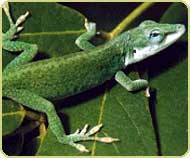
No, it’s not the Geico Gecko…it’s a green anole. This lizard is native to the U.S. and is nicknamed the “chameleon” due to it’s ability to change colors from bright green, to brown, to gray…all depending on their mood. Their heads have pointed snouts, their tails and bodies are long and slender, they have special padding on their feet for crawling along walls, and they make no sound. Of their total length, their tails are the major portion of their bodies. The males have a pink flap of skin that hangs below their neck that turns a fiery red color during territorial displays or courting and mating. The males also have two sets of bigger scales at the point where their tail starts and both males and females shed off their tails and can grow a new one in its place. In the southeastern United States, these lizards can be found in trees, shrubs, on walls or fences. They require greenery, some shade, and a moist environment and they eat small insects and spiders by stalking them in shrubs, vines, walls, and even window screens. So don’t be afraid of these little guys, think of them as nature’s green exterminators.
Barry Teubert
Northwest Exterminating
Savannah Service Center
[email protected]