Oct 4, 2013 | Uncategorized
Termites are some of the hardest working pests in the business. 24/7 they are in search of food which is oftentimes the wood from our homes. Termites are responsible for an estimated amount of over 2 billion dollars worth of damage to home in the US each year.
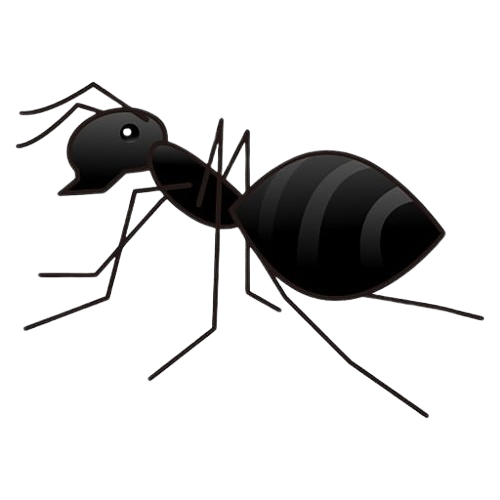
One of the first signs of a termite infestation is spotting termite swarmers. Swarmers are winged termites that are often mistaken for flying ants. Swarming (flying) termites have only 2 body segments, straight antennae, and 2 sets of wings equal in length. Flying ants, on the other hand, have 3 body segments, bent antennae, and 2 sets of wings that differ in length. Mud tunnels or tubes along the foundation are also signs that termites have found their way to your home.
The best action against termites is to be proactive.
- Divert water away from the foundation of your property.
- Reduce humidity, especially in areas like attics, basements, and crawlspaces.
- Keep all wood at least 20 feet away from your home and at least 5 inches off the ground. Termites are known to travel in tunnels underground.
- Keep mulch at least 15 inches away from the foundation.
- Call Northwest Exterminating at the first sign of termites. Termite infestations need immediate action by a licensed pest professional.
Sep 13, 2013 | Uncategorized
 The colder months are a time when pests, rodents, and other creatures make their way into homes and businesses for food and shelter. These pests can be a nuisance and sometimes even a health concern to your home.
If you’re wondering about a specific insect or rodent that you’re seeing you can find out more information at Northwest Exterminating’s Learning Center at callnorthwest.com.
Our Learning Center serves as a helpful tool to our customers that helps them to identify pests, learn about their habitats, and learn what the best solution is to get rid of them and prevent them from returning. You can also find out how at risk your home may be for termites. And our frequently asked questions page offers answers on some of the questions that we see and hear often from other customers just like you.
If there is anything that you would like to see on our Learning Center page, please feel free to tell us by filling out our “Ask the Mouse” section located on our site.
Jul 29, 2013 | Uncategorized
UGA recently released an article that gave helpful tips on how you can help your home to be less of a target to termites. We all know that termites cause millions of dollars worth of damage each year. Once you have a termite infestation, not only do you have to repair the damage but you must call on the help of a professional to get rid of them. These simple steps are a great way to stay proactive so that termites don’t become an issue.
Tips such as keeping wood products away from the perimeter of your home, keeping water away from the foundation, sealing cracks and crevices in the structure, and working with your termite professional to prevent termites feeding on your home.
To read the full article with helpful tips from UGA entomologist, Brian Forschler, CLICK HERE.
For termite protection on your property, call Northwest!
Apr 22, 2013 | Uncategorized

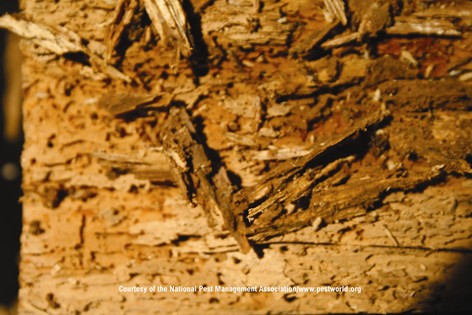
Carpenter Bee Damage Source: NPMA
There’s been a lot of buzz (pun intended) on our blog about carpenter bees and termites. It’s termite season so we always want to keep our readers aware of the potential risks and damage that termites can cause. And carpenter bees are our Pest of the Month for the month of April. Both of these wood-boring pests should be taken seriously due to the great amount of damage that they can cause.
Carpenter bees eat through soft woods where they make their nests and lay their eggs inside the tunnels. This can cause damage to decks, eaves, porches, or even support beams in your home. Luckily, they are rarely a threat to humans. Males don’t have stingers but do tend to be aggressive toward other bees, animals, or humans that are near their nests. The female carpenter bee has a stinger but rarely uses it.
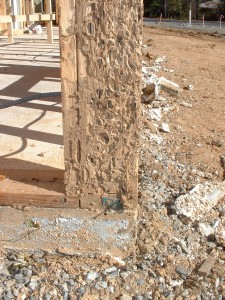
Termite Damage Source: NPMA
Termites (March’s Pest of the Month) are working 24/7 to find food…and unfortunately for us, their food is typically the wood that was used to build our homes. Without termite protection, your home could be at risk for severe damage. Termites are responsible for more than $2 of damage to homes in the US each year. Like carpenter bees, termites often leave a trail of wood that can serve as a tell-tale sign that they are there.
Whether you have carpenter bees or termites, you should contact a licensed pest professional. Not only will they be able to correctly identify the insect but they will be able to develop a customized plan that is specific to your home and your situation. By doing this, you are ensuring that the problem is diagnosed correctly, that the correct product, if any, is being used correctly and safely, and that proper steps are taken to ensure that the issue does not reoccur. Northwest Exterminating and our highly trained pest professionals will be glad to come to your home and do a free inspection of your home. Just give us a call at 888.466.7849 or visit us at www.callnorthwest.com
Apr 8, 2013 | Uncategorized
Monday, April 1, 2013
This April, the National Pest Management Association encourages homeowners to take precautions against common pests
FAIRFAX, VA – The National Pest Management Association (NPMA) celebrates April as National Pest Management Month, an observance that’s been taking place for more than 30 years to recognize the pest management industry for its commitment to the protection of public health and property from common household pests.
“Whether it’s rodents, ants, termites, bed bugs or cockroaches, pest professionals play an important role in preserving our quality of life,” said Missy Henriksen, vice president of public affairs for the NPMA. “We’d like to recognize these men and women for all they do to keep our families and homes safe from unwanted pests not just during National Pest Management Month, but year-round.”
This April, homeowners are reminded to pest-proof their home in preparation for the upcoming pest season. NPMA experts recommend the following tips:
- Seal cracks and holes on the outside of the home including entry points for utilities and pipes.
- Repair fascia and rotted roof shingles.
- Replace weather-stripping and repair loose mortar around the foundation and windows.
- Keep tree branches and shrubbery well trimmed and away from the house.
- Store fire wood at least 20 feet away from the house and five inches off the ground.
- Eliminate sources of standing water around the house, including birdbaths and in clogged gutters.
- Keep basements, attics and crawl spaces well ventilated and dry.
- Keep kitchen counters clean, and store food in sealed containers.
- Store garbage in sealed containers and dispose of it regularly.
- Avoid leaving pet’s food dishes out for long periods of time.
“As the weather continues to get warmer, pests will begin to emerge from their overwintering sites and look for food indoors. National Pest Management Month comes at the perfect time to make pest-proofing a priority to prevent an infestation during the spring and summer seasons,” added Henriksen.
For more information on National Pest Management Month or for information on common household pests, please visit Pestworld.org.
The NPMA, a non-profit organization with more than 7,000 members, was established in 1933 to support the pest management industry’s commitment to the protection of public health, food and property.
Source