Apr 5, 2013 | Uncategorized
 Carpenter bees are often mistake for bumble bees because of their similarity in size and color.
Habits
- Often found under decks or porch railings and under the eaves of a house.
- Make nests by tunneling into wood.
- Leave a trail of sawdust as they discard of the wood to build partitions within the tunnels.
- Feed on plant nectar, not wood.
Threats
- Homes with wooden decks, eaves, or other areas of exposed wood are likely targets for carpenter bee damage.
- Males do not have stingers but can be aggressive to other bees, animals, or people near the nest.
- Females can sting but rarely do unless they are agitated.
Prevention
- Treat or paint all exposed wood surfaces.
- Each nest hole should be treated individually if bees are inside.
- Seal or paint nest holes if bees are not inside.
Other Pests to Look Out For:
For more information on carpenter bees you can visit our PEST ID page or call Northwest Exterminating at 888.466.7849.
Mar 22, 2013 | Uncategorized
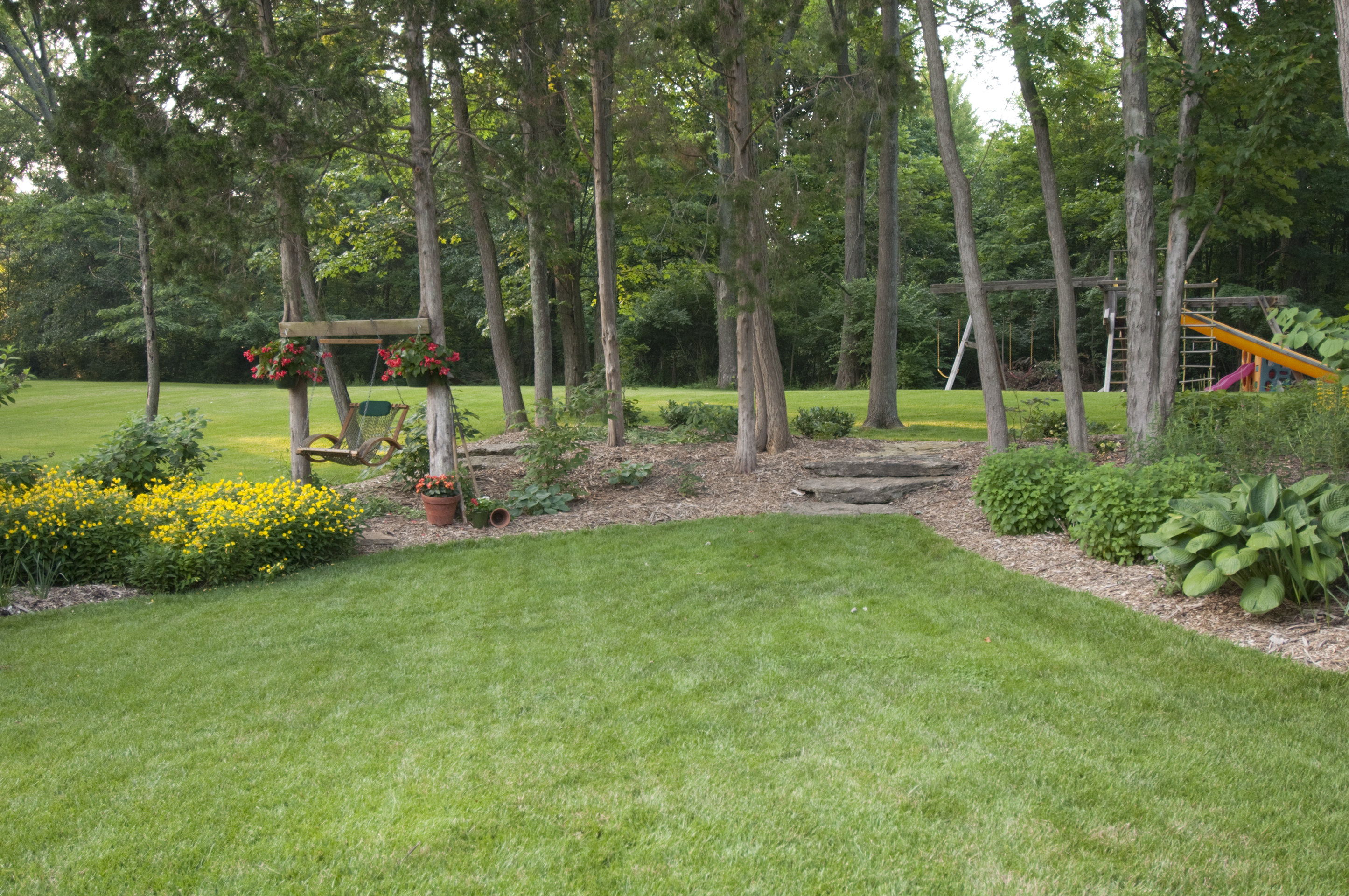
Wednesday marked the first day of Spring. For many of us that means one thing…Spring Cleaning! We often think about all the things to do indoors but what about outdoors? It’s time to spring clean your lawn as well.
Here are some Spring Cleaning Tips for your Lawn:
- Clean up lawn debris – Remove trash, animal debris, dead grass, leaves, pine cones, sticks, etc from your lawn. Debris removal will not only make your lawn look better but it also eliminates hiding and feeding areas for pests and rodents.
- Rake Leaves – If you have piles of leaves left over from fall or some stragglers that have come down more recently, rake those up and dispose of them. Raking up leaves and removing debris will eliminate hiding spots for occasional invaders like millipedes, ants, and other pests.
- Check leftover firewood – Check under any leftover firewood for signs of pests that often hide between and underneath wood. Make sure that wood piles are located as far away from your home as possible. The last thing you want is termites next to your structure.
- Remove standing water – Standing water is a breeding ground for pests, especially mosquitoes. Dump water from bird baths or install drains that will aid in water flowing from your yard rather than gathering.
- Trim Bushes – By trimming your bushes you are not only making your lawn look aesthetically pleasing but you’re also reducing the risk of pests near the structure of your home.
- Apply pre-emergent – Now is the perfect time to prevent weeds from popping up in your lawn. Call a lawn care professional for the most effective products and treatment options for your lawn.
There’s no better time than now to trust Northwest’s experts to prepare your lawn to be healthy and green for the upcoming months so you can enjoy the outdoors!
Mar 4, 2013 | Uncategorized
Termites are very destructive and cause billions of dollars of damage to homes each year in the U.S. That is why we are dedicating March’s Pest of the Month to TERMITES!
Habits
- Operate under a caste system. There are workers, soldiers, and reproductives.
- Live in colonies underground or in moist secluded areas.
- Feed on items containing cellulose.
- Swarm in the spring when reproductive termites go out to start new colonies.
Different Species
Threats
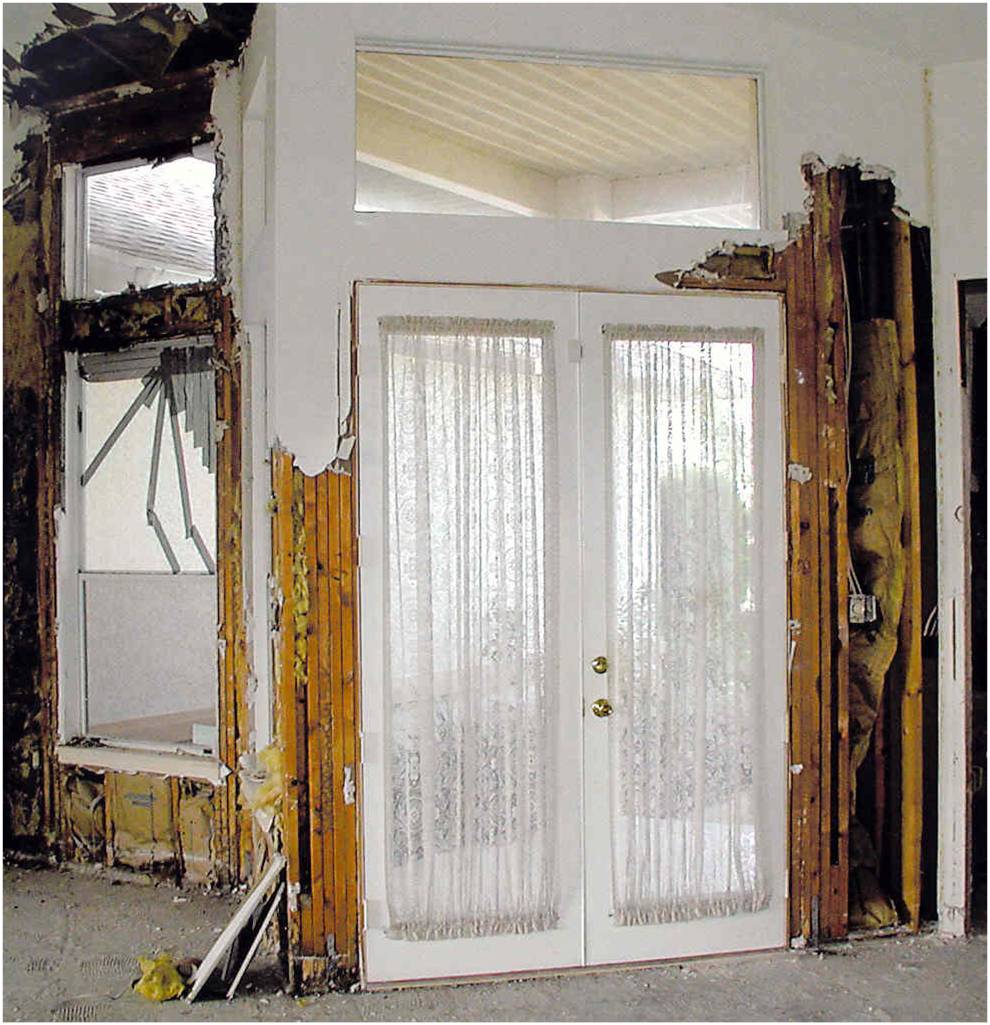
- Cause severe damage to a structure by chewing away at the wood.
- Responsible for more than $2 billion of damage to homes in the US each year.
- Cause more damage in an average year than floods, fires, and tornadoes.
- A termite colony may contain several hundred thousand individuals.
Prevention
- Divert water away from the foundation of a structure.
- Repair leaky faucets, pipes, and AC units on the outside of the home.
- Properly ventilate areas of high humidity like crawl spaces, attics, and basements.
- Keep mulch or ground cover at least 15 inches away from the foundation of a structure.
- Sentricon Termite Elimination baiting systems may be placed around the perimeter of a structure.
Other Pests to Look Out For
If you think you may have termites, or other pests in your home, call the mouse at 888.466.7849 or visit us online at www.callnorthwest.com
Feb 13, 2013 | Uncategorized
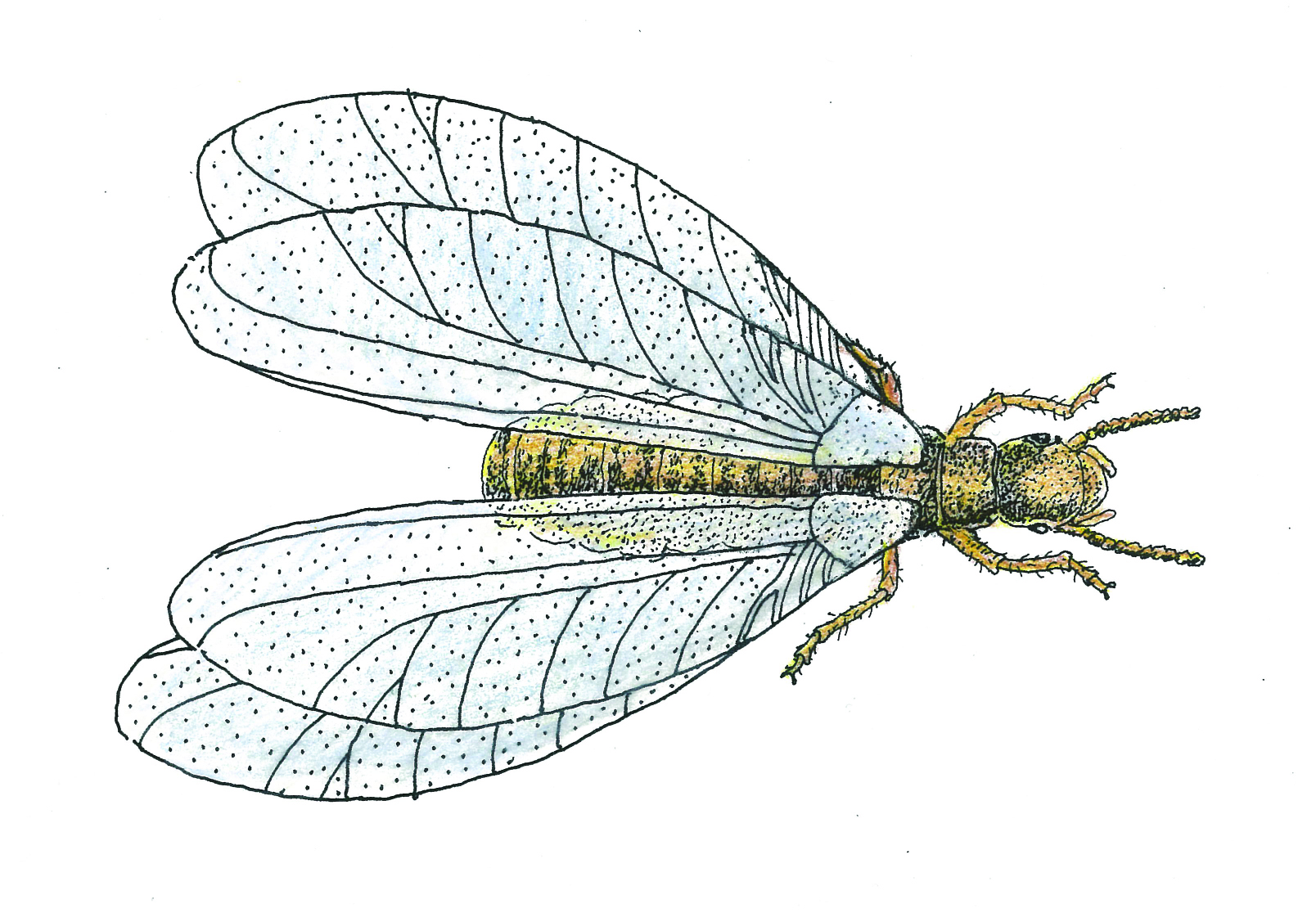
When the season starts getting warm, the termites start to swarm! So what does that mean for homeowners? If homeowners spot fully grown winged adults (swarmers), then the damage may already be done. If the swarmers are found within the home, there may be an infestation in or around the house. Once termites swarm, they may cause structural damage to your home which can lead to serious issues.
Why is it that termites may arise unexpectedly and cause damage? Well, that may be because that they usually have nests underground where they thrive, usually in the wood of your home. Southern states are very likely to get termites. In Georgia, Tennessee, Alabama and South Carolina, where we service, the chances are extremely high.
It’s not just important to get rid of termites, it’s also important to prevent them. Getting rid of the termites you already have may eliminate the initial problem, but will not prevent termite activity in the future. Northwest Exterminating offers liquid pretreatments, borate pretreatments and Sentricon baiting in order to prevent termites from infesting a home. In addition, these treatments come with a 5 year repair and retreat warranty that guarantees up to one million dollars in structural damage.
Melissa Brown
[email protected]
Source:
http://www.ces.ncsu.edu/depts/ent/notes/Urban/termites/pdf/termiteswarmers.pdf
Feb 4, 2013 | Uncategorized
Northwest Exterminating recently added another tool to our website that will benefit business and homeowners. The 2013 Pest Calendar is available for printing and download on our site. Each month we highlight a particular pest that is often seen at that time of the year. Along with a visual reference, we offer some little known facts about the pest.
We cover squirrels, cockroaches, termites, carpenter bees, mosquitoes, bed bugs, fire ants, fleas/ticks, stink bugs/kudzu bugs, spiders, rats, and raccoons.
We hope this will serve as a useful tool to our customers and those that visit our site at www.callnorthwest.com
Go to our website and check out our 2013 Pest Calendar!

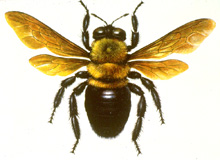 Carpenter bees are often mistake for bumble bees because of their similarity in size and color.