Jul 15, 2013 | Pest Control
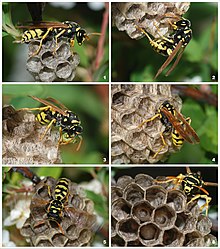
Unless you’re a Georgia Tech fan, wasps are likely not one of your favorite animals. The major concern regarding wasps is their poisonous sting, which for can be fatal for those who are allergic. Wasps tend to have two pairs of wings, few to no thickened hairs on their bodies and terrestrial. They also all have a pair of talons. Though these are similar in appearance to bees, these insects actually have a different function in nature as predators to almost every pest insect in nature. For instance, there are cicada killer wasps or spider hunting wasps.
There are two types of wasps – solitary wasps and social wasps. Adult solitary wasps operate alone and therefore tend not to create nests, but are all fertile. One the other hands, social wasps are the type that create nests in the eaves of homes and live in colonies where not every member is reproductive. This said, the queen can mate with male wasps but the majority of the colony is comprised of sterile female workers.

Nests
You may also find that adult wasps feed on nectar just like bees and therefore will be attracted to your garden full of fresh flowers during the warmer months. Wasps build nests in various places, but often choose sunnier spots. Though they can be found in the eaves of homes, they can also be found underground, along bodies of water, beneath floors or on the sides of walls, trees or plants. When their nests are threatened, wasps will sting humans. Protecting your home is an important part of pest control and if you spot any nests around your home, call Northwest Exterminating to eliminate the problem.
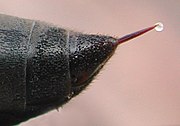
Wasp stinger
Sources:
http://www.adkinsbeeremoval.com/wasp-identification.php
http://en.wikipedia.org/wiki/Wasp
Dec 10, 2012 | Uncategorized
Spotting a spider or roach may cause someone to jump from fright. Most people who have a typical fear of bugs may have these fears for various reasons. For instance, people who avoid bees may have a legitimate concern about being stung, especially if they’ve been stung before and found themselves to be allergic. Some bugs such as bees, wasps, poisonous spiders and mosquitoes can carry threats that many people try to protect themselves from. Northwest Exterminating provides an extensive amount of services to protect homes and businesses from such threats.
Then there are the bugs that may not carry much of a threat but we know the sight of them indicates other unpleasant conditions. Flies and roaches tend to flock to places that are unhygienic and not the cleanest. Maintaining a clean living and working environment usually helps eliminate the presence of these bugs, as well as the related fear. Our preference for a bug-free environment may be due to that in more industrialized, urbanized societies, we do not have firsthand experience with bugs because we do not live in their natural environment. Out of sight is out of mind, so spotting an unusual insect might always be a little bit surprising.
Other people have much more than an aversion, but rather a legitimate fear of insects otherwise known as entomophobia. A well-known form of entomophobia is arachnophobia, the fear of spiders. As the definition suggestions, the fear or concern has little to do with bugs themselves and more to do with somebody’s psychological disposition. Northwest Exterminating may not be able to fix your fears, but we can certainly take care of the bugs for you. Call us today to schedule an appointment!
Source
Melissa Brown
[email protected]
Sep 7, 2012 | Pest Control
You are probably seeing cicada killer wasps working overtime these last few weeks of summer. They are preparing to overwinter by digging their underground burrows and stuffing them with paralyzed cicadas that they will use as food for their larvae.
Cicada tunnels can range from 30-70 inches long and run 12-15 inches below the surface. Each tunnel has an average of 15 side chambers. Each tunnel contains 1-3 paralyzed cicadas and a cicada egg that is due to hatch in 2-3 days. The larvae will feed for about 10 days before leaving the tunnel. Cicadas only produce one generation each year.
Where are cicadas found?
Cicadas do not have a pack mentality; they are typically a solitary species. They prefer dry, light textured soils in full sunlight that are near trees that harbor other cicadas. Common places to find cicada killers are along sidewalks, patios, in flowers beds, gardens, sand boxes and in lawns.
Do cicadas sting?
Female cicadas have stingers that are used to inject venom into other cicadas that causes them to be paralyzed. Female cicada stings are very painful. Luckily, females are not territorial like honey bees or hornets. Male cicadas do not have stingers but are very territorial.
Can cicada killers cause damage?
Female cicada killers burrow and dig tunnels which cause the soil to be misplaced and smother grass. Cicadas dig loose soil in garden and flower beds that can ruin garden plants and/or vegetables. A burrow at the base of a plant can disrupt the root system.
How to get rid of cicadas?
Cicadas do not like wet soil so keeping soil watered will deter them from making their borrows and cause current cicadas to abandon the site. Watering the soil can also help to settle the soil back into the ground if it has been disrupted by a burrowing cicada. Another tip is to regularly stir soil or sand to discourage wasps from creating tunnels.
When treating for cicadas, the application should be made directly into the burrow or at entrance. If you have cicadas messing up your lawn, call Northwest!
Jul 9, 2012 | Pest Control
The NPMA recently released the results of a survey that listed the Top 5 Pests of the Summer for homeowners. The results are not too surprising to us here at Northwest Exterminating.
- Mosquitoes
- Ants
- Ticks
- Wasps & hornets
- Spiders
Along with being an annoyance, these pests can cause health and sanitary issues for homeowners and their families. Stings, bites, and disease are all risks that come with such pests. Luckily, with good housekeeping and an exterminator that you can trust, you can rest easy.
The NPMA has offered tips to avoid these pests throughout the summer:
- Clean out all parts of your kitchen where food products are stored to ensure that there are no crumbs or spills. Keep foods like cereal, crackers and cookies in sealed containers. This eliminates the food supply that attracts ants, mice, and cockroaches.
- Dust and vacuum regularly to prevent cobwebs and the spiders that weave them.
CLICK HERE to view the rest of the tips to avoid these summer pests.
Do you agree with the Top 5 pest results?
Jul 6, 2012 | Fire Ant, Pest Control, Wildlife
People love a good myth. These narratives contribute bright symbolism of interactions between higher powers, people, and nature. They assist in many relevant functions as well as further adding colorful stories. One valuable role of myths is to illustrate some angle of life.
Several myths describe the beginnings, morphology, and conduct of various insects. Here are just a few:
The origin of mosquitoes is revealed by The Tlingit Indians of North America. The narration tells of a blood sucking carnivorous giant who dines on humans. This giant is eventually avenged after his horrific death by coming back to feed on humans in the appearance of blood sucking mosquitoes.
An Algonquin tale of North America justifies why bees, wasps, and hornets have stingers. This myth grants that the god Wakonda bestowed stingers to bees because the bees were industrious, but required a defense. Since wasps and hornets are linked to bees, The Great Spirit willingly endowed them with stinging weapons as well.
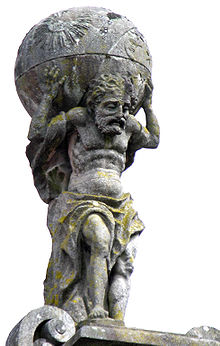
Ant actions are revealed in an African myth that reminds us of the everlasting punishments of Atlas, Prometheus, and Sisyphus of classical mythology. An infinite punishment of bearing a burden is handed down to ants by deception in the African myth. Accordingly, we see the outcome today in ants repeatedly transporting things in their everyday routine.
Atlas
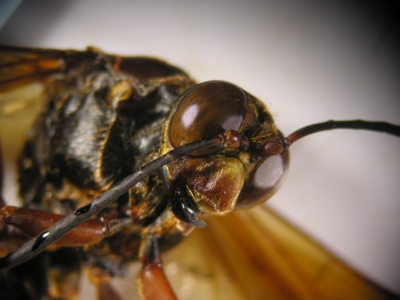
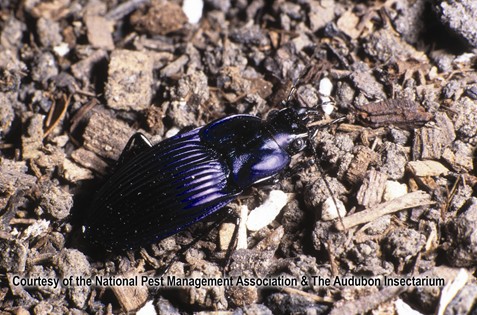
And on an absolutely universal spectrum, the composition of our galaxy, The Milky Way, is translated in an insect myth of the Cochiti. This myth tells of an Eleodes Beetle that was in charge of depositing stars in the sky. The stars were dropped due to his ego and recklessness, thus forming the Milky Way. The beetle was so distraught at what he had done, that even today, the beetle hides his face in the dirt when approached – will lower its head, raise its abdomen, and emit a disagreeable odor probably for defense. This simple insect myth explains not only insect behavior, but also the start of our own galaxy.
Beetle
Who are your favorite mythological characters?