Feb 20, 2023 | Wildlife
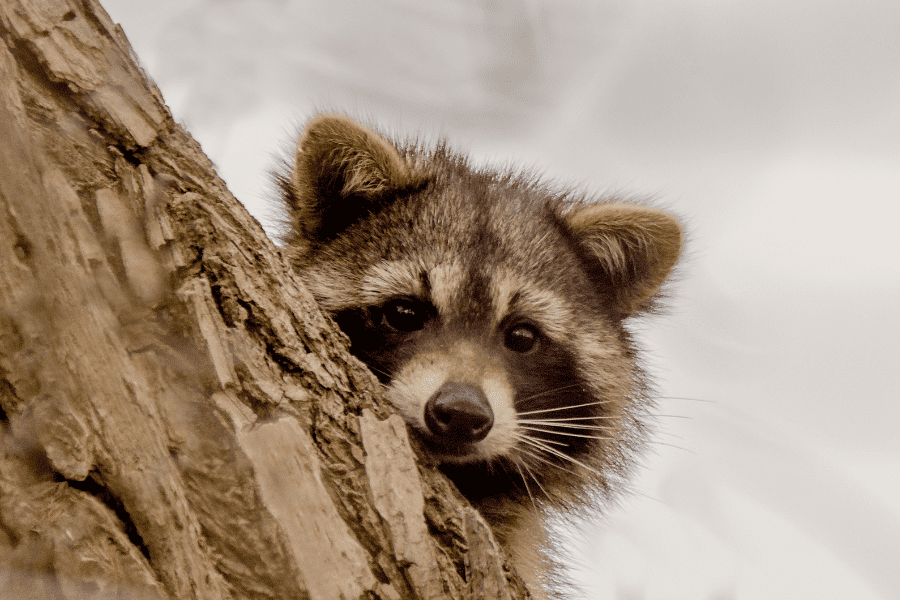
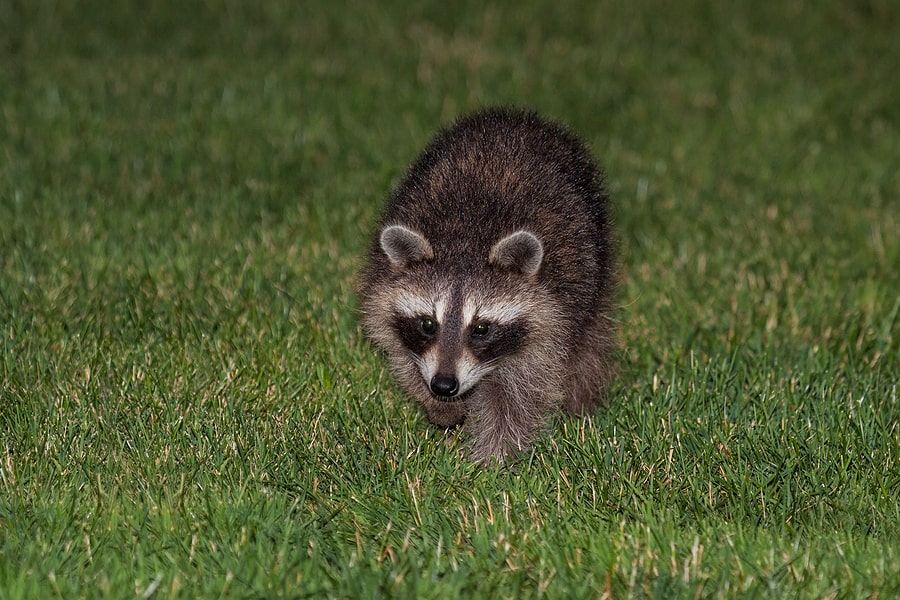
Raccoons are highly adaptive pests that are capable of causing significant damage to your home. The two main reasons raccoons come around are a search for food and a search for a place to live. These wildlife creatures are easily recognizable with their ringed tails and mask-like markings on their faces. Their paws are dexterous, allowing them to access areas other pests can’t. Raccoons can bite when threatened and also carry diseases such as rabies, distemper, and parasites. They can cause damage to crawlspaces and attics by chewing through walls, sheetrock, etc.
Raccoons are nocturnal creatures and oftentimes can hang out around your house without you even realizing they are there. Here are 5 signs you may have a raccoon problem around your home.
- Raccoon Tracks: Raccoon tracks are one of the most common signs that they are in or near your home. Raccoon tracks are easy to identify; in fact, they are very similar to human footprints. They usually measure 4″ or less in size. They can commonly be found in areas with soft soil, near fences, near buildings, at the bases of trees, and near trash cans.
- Feces: Raccoon feces, also known as scat, can be hard to tell apart from the feces of other animals. Raccoons will usually leave their scat near tree bases, woodpiles, and trash cans.
- Scratching: Raccoons are known to scratch the bark of trees, especially near the base. You may also find scratch marks on sheds, porches, and other outdoor structures.
- Sounds: Raccoons are capable of producing over 50 unique sounds including growls, squeals, and purrs. If you are hearing odd sounds that you can’t attribute to other common animals, you may have a raccoon lurking.
- Trash: Raccoons are attracted to the smell of garbage in your trash cans. With their dexterous paws, they are capable of opening trashcan lids and will do anything within their means to get inside. When raccoons are present you will often wake up to trashcan lids open, cans turned over, and ripped trash bags with their contents strewn around your yard.
Raccoons can become an issue when they take up residence in or near your home. Keep raccoons out of your home with these tips:
- Don’t approach a live raccoon. They will bite or scratch if they feel threatened.
- Don’t feed raccoons. They will continue to return in search of more food.
- Secure your trashcans with rope, chain, clamps, or even cinder blocks.
- Feed your pets indoors; if they must be fed outdoors, don’t leave their food out overnight.
- Bring in bird feeders at night, as well.
- Lock pet doors at night.
- Secure compost containers, as well.
- Cover any entry points to your home with metal mesh or metal flashing.
- Double bag any meat products before throwing them away.
- Rake up any fallen fruit from trees.
- Utilize motion activated lights, sound machines, etc. to scare them away.
- Trim back branches and limbs from the exterior of your home to limit their access to your roof.
If you have a problem with raccoons or other wildlife, contact your local wildlife control company for a thorough inspection and wildlife control plan.

Feb 7, 2023 | Wildlife
The weather is still a bit chilly, but spring is just around the corner and that means more wildlife will be out and about. Just because they left your attic alone this past winter doesn’t mean they won’t be attracted to it for the springtime. This is the time of year they will be searching for shelter to bear and rear their young. They are well-adapted to urban life and will typically be attracted to homes to find a safe place to settle down. Let’s go over which animals it’s time to keep an eye out for:
- Raccoons: Raccoons are not aggressive towards people; however, they will attack if they feel cornered. They are known as scavengers and will mostly hunt for food at night. Being highly intelligent helps them to find their way into your attic, chimney, or under decks.
- Opossums: They begin breeding as early as January and will usually produce 2 liters a year. These nocturnal creatures are not aggressive but will hiss and show their teeth when scared. Opossums can cause damage if they enter your house, typically your attic.
- Skunks: These easy-to-spot (and smell) critters emerge form hibernation and become more active in the spring. They will usually give birth to their first litter in early to mid-spring. Skunks can cause damage to your home by burrowing under buildings.
Wildlife Prevention
Most wildlife creatures are generally harmless but can be problematic if they get inside your home. Wildlife control begins with prevention. Here are some handy tips:
- Keep windows locked and screened
- Clean gutters to prevent water pooling and potential nesting sites
- Trim tree branches and shrubs away from your home
- Block off any openings under porches, decks, patios, and garages with wire mesh or chicken wire
- Keep garbage stored in tightly sealed trashcans or use cans that latch close
If you suspect a problem with wildlife or other pests, give your local wildlife control company a call today for a free inspection!
Nov 30, 2022 | Wildlife
Winter is nearing and that means it is time to make sure your attic doesn’t become a sanctuary for wildlife critters. The most common winter wildlife critters that you should keep an eye out for this winter are raccoons, squirrels, bats, and mice. They can all cause severe damage to your home and pose a significant threat to your health.
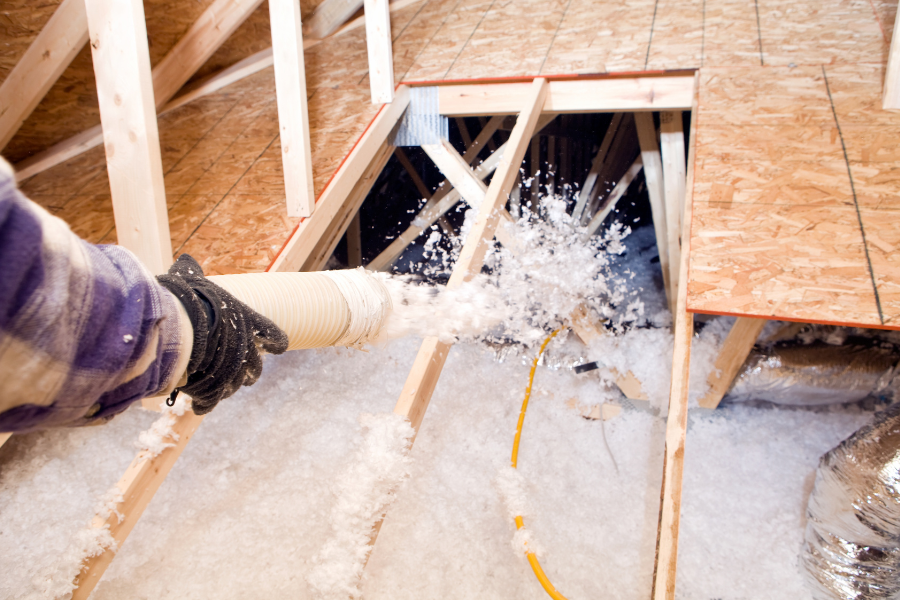
The most obvious way for wildlife to get into your attic is through vents and any gaps in your home’s exterior. Once inside, they can make their nest in your attic which results in ripped or destroyed insulation. They could also begin compromising the well-being of your attic from their urine or feces. This can make for a smelly home or become a hazard to your family’s health since animal waste can contain parasites or bacteria.
If you discover wildlife has taken over your attic, then it’s best to call in professional help to get them removed. If your insulation has been impacted, then it’s imperative to get it replaced as soon as possible. Insulation that has been removed or contaminated can lead to higher energy bills and no one wants that.
Reach out to your local wildlife control company to assist with the removal of these pests, so you can get back to enjoying your home this winter!
Oct 13, 2022 | Wildlife
Fall is in full swing, and winter is just around the corner. We aren’t the only ones preparing to stay indoors longer than usual. Wildlife are also thinking about making their way inside. This typically means our homes could become refuge for the critters. There are a few wildlife creatures to look out for once it begins to get cooler – squirrels, raccoons, rodents, and more!
Most homeowners don’t think they have a wildlife problem, because they’ve probably never seen it with their own eyes. That isn’t the case. Most homeowners don’t notice the problem because most of the creatures are nocturnal and will only be active at night. The most common signs of a wildlife problem are:
- Chew and gnaw marks around the attic, basement, or electrical wiring
- Garbage cans and bags that have been broken into
- Foul smells lingering around your home – could be urine or droppings
- Scratching sounds coming from the attic or walls
DIY Wildlife Prevention Tips
Many homeowners don’t even realize the things they’re doing that attract wildlife into their homes. Here are some of the best ways you can prevent an infestation in your home this winter!
- Close Access Points: Wildlife can enter your home through the smallest of openings. Make sure your home’s attics, vents, windows, chimney, and crawl space are secure. Seal any gaps and holes that can be considered entry points.
- Secure Garbage Containers: Most of the wildlife mentioned above are known to eat just about anything. Outside garbage containers offer a multitude of food options and the best way to deter them is to secure trash can lids, avoid overfilling containers, and clean out the cans regularly.
- Keep Trees and Shrubs Cut Short: When branches or shrubs are too close to your home, it gives squirrels, raccoons, and other critters easier access to your home. Keeping them cut short and away from your home will help cut the bridge of them getting inside.
- Don’t Leave Food Near Home: This goes hand in hand with the garbage can, but another big invitation to wildlife is your pet’s food bowls. Avoid leaving them out overnight, especially outdoors. Another tip is to pick up any fallen fruit and protect gardens with a fence or netting to keep animals out.
If you begin to notice signs of wildlife in or around your home, be sure to reach out to your local wildlife control company and they can help determine the critter causing the issues and create a customized solution to get rid of them.
Oct 6, 2022 | Pest Control, Wildlife
We never expect our homes to fall victim to rodent invaders, but it can happen to anyone! Getting rid of these critters can be difficult, but with the help of a wildlife control company, it can be made possible. Before reaching out to someone for assistance, be sure you’re identifying these rodents correctly. Here are some of the most common rodents found in the South.
Deer Mouse
Often referred to as field mice, these rodents are typically found in the woodlands and desert areas. They rarely invade residential properties but will sometimes seek shelter in our homes for winter since they don’t hibernate. When indoors, deer mice are typically found in basements or attics. The biggest threat about them is that they can transmit the dangerous hantavirus, so it’s vital to get them taken care of as soon as possible.
House Mouse
Just like the deer mouse, these mice also carry diseases and shouldn’t be kept in your home for long once discovered. The house mouse prefers to move along baseboards and countertops and can be seen eating anything they can find. They will contaminate your food and can transmit diseases like salmonella and even the bubonic plague. They are also known to cause structural damage such as creating tunnels in walls and chewing exposed wires.
Norway Rats
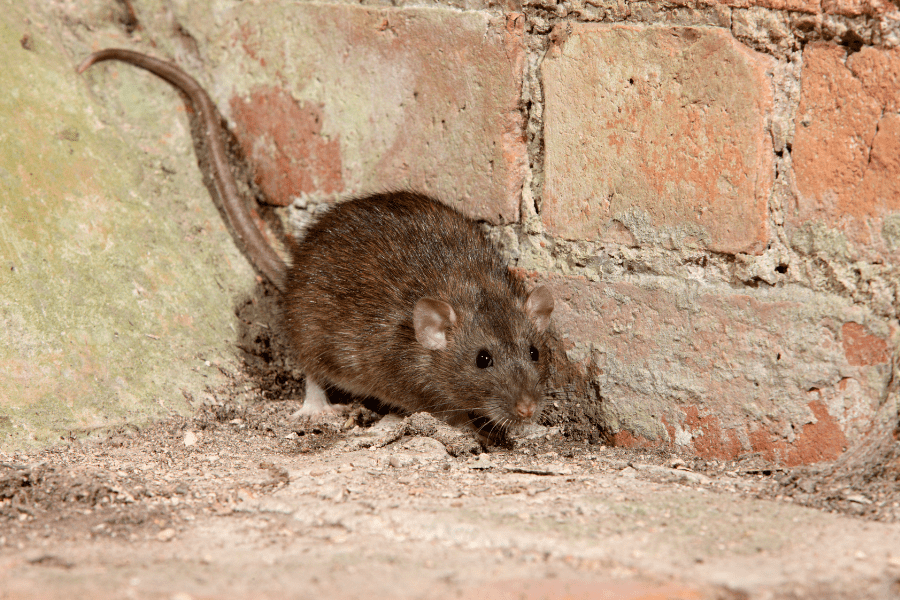
These stocky, heavy-bodied rats are larger and more aggressive than the roof rat. They rely heavily on human activity for survival and will eat anything like cereal grains, meats, fish, nuts, and some fruits. Norway rats are more active at night and can cause considerable damage to homes, gardens, and structures. The main concern is the diseases they are known to spread, which include jaundice, rat bite fever, and salmonella.
Roof Rats
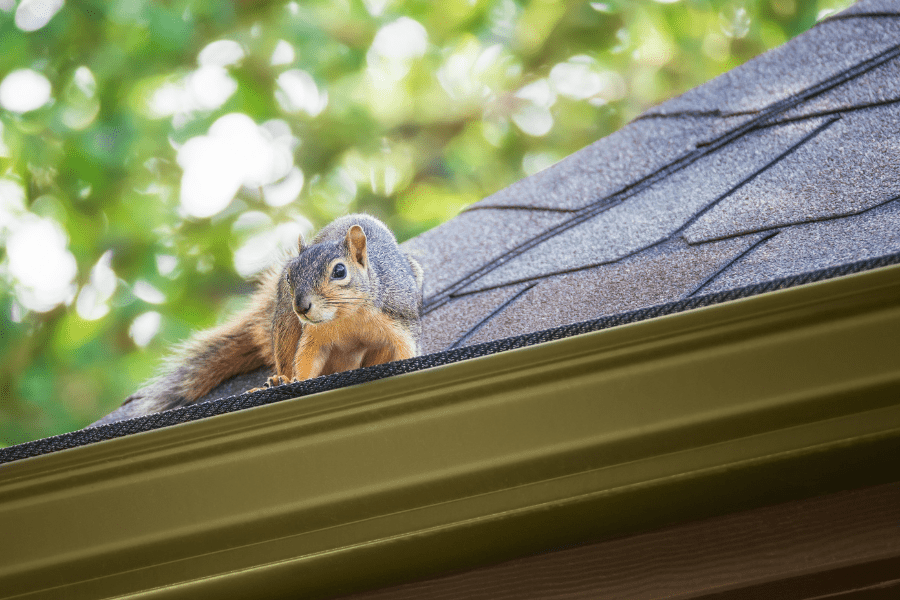
Known as a serious pest problem, they are also dependent on humans for survival and will usually infest homes. They have padded feet that make it easier for them to climb, so they are usually found in attics, eaves, and roof lines. Roof rats are known for spreading multiple diseases, including salmonella, leptospirosis, and rat bite fever. They contaminate food when they are foraging, impacting not just humans, but also pets and livestock.
If you think you have a rodent problem, it’s important to get it taken care of as soon as possible. Reach out to your local wildlife control company so they can create a customized plan to rid your home of rodents.