Wildlife Removal: What to Do When Animals Get Into Your Attic
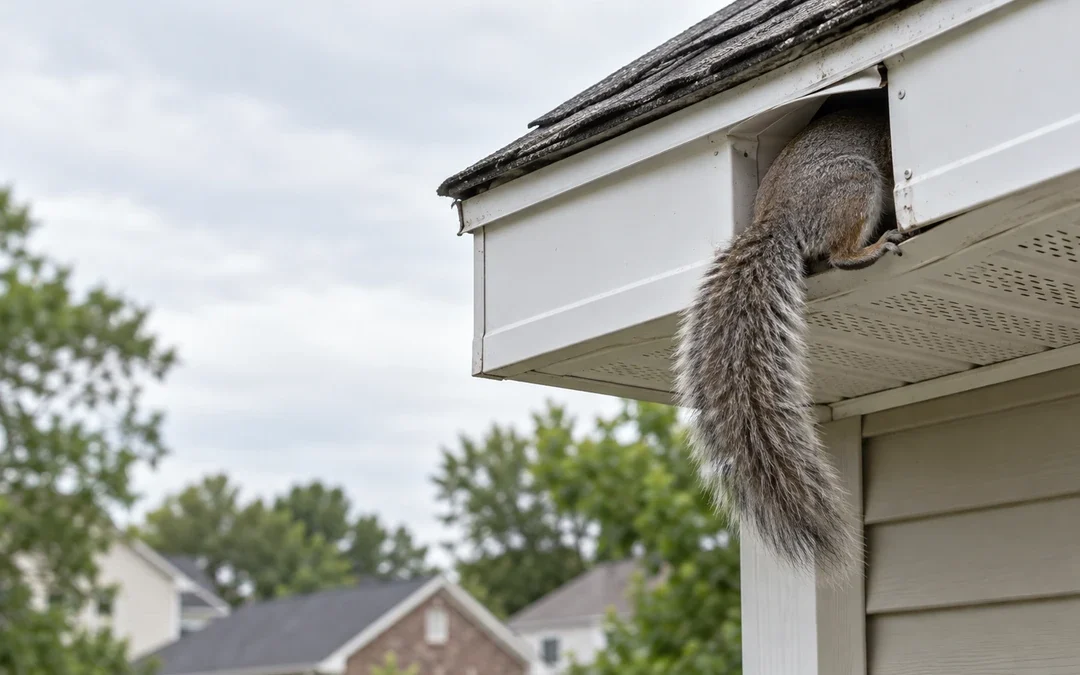
Quick answer: Northwest provides professional wildlife removal, exclusion, and attic restoration services across Georgia, Tennessee, and Alabama. If you are hearing movement in your ceiling or finding droppings in your attic, Northwest’s wildlife services team identifies the animal, remove it humanely, seal the entry point, and repair any damage left behind.
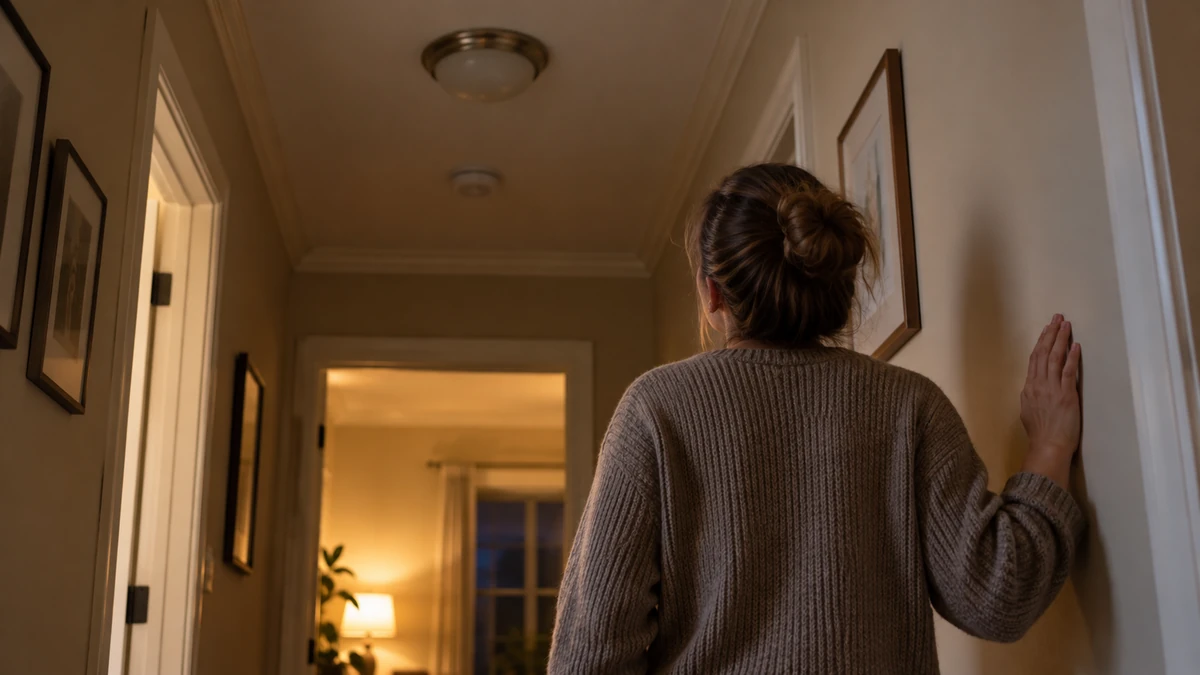
Scratching in the ceiling at 2 a.m. rarely means good news. It could be a squirrel that squeezed through a gap in your roof return, a family of raccoons that tore through your soffit vent, or bats that have been roosting above your insulation for months without your knowledge. Each of these situations calls for a different response, and getting it wrong, whether by sealing an entry point too early or trying to trap an animal yourself, can make the problem worse or even illegal.
This guide walks through how to identify what is in your attic, what each type of wildlife intrusion typically involves, how professional removal works from start to finish, and what homeowners across Georgia, Tennessee, and Alabama can expect to pay for the process.
What Is in Your Attic? Identify by Sound, Time of Day and Droppings
Before any removal plan makes sense, you need to know what you are dealing with. The table below breaks down the most common attic invaders by the clues they leave behind.
| Animal | When You Hear It | What It Sounds Like | Droppings | Entry Size | Typical Damage |
|---|---|---|---|---|---|
| Squirrels | Early morning and late afternoon | Quick scurrying, scratching, occasional gnawing | Small, pellet-shaped, clustered near nesting sites | 1.5 to 2 inches | Chewed wiring, gnawed fascia and roof returns |
| Roof rats | Mostly at night | Light scratching, running along joists | Small, spindle-shaped, scattered along travel paths | Dime-sized, about 0.5 inch | Chewed insulation, gnawed wiring, contaminated stored items |
| Raccoons | Nighttime, heavier movement | Loud thumping, rolling, chirping if kits are present | Large, tubular, often in a single latrine spot | 4 to 6 inches or larger | Torn ductwork, crushed insulation, ceiling stains |
| Bats | Dusk and dawn, near roost entry | Faint squeaking, fluttering | Small, crumbly, resembles mouse droppings but crumbles into powder | 0.5 inch or a gap the width of a finger | Guano accumulation, staining, odor |
| Opossums | Nighttime, slow movement | Low shuffling, occasional hissing | Larger, tubular, irregular | 3 to 4 inches | Insulation displacement, minor structural damage |
| Birds | Daytime, especially early morning | Chirping, fluttering, scratching near vents | Small, whitish, concentrated near nests | 1 to 3 inches, often at vents | Blocked vents, nesting debris, odor |
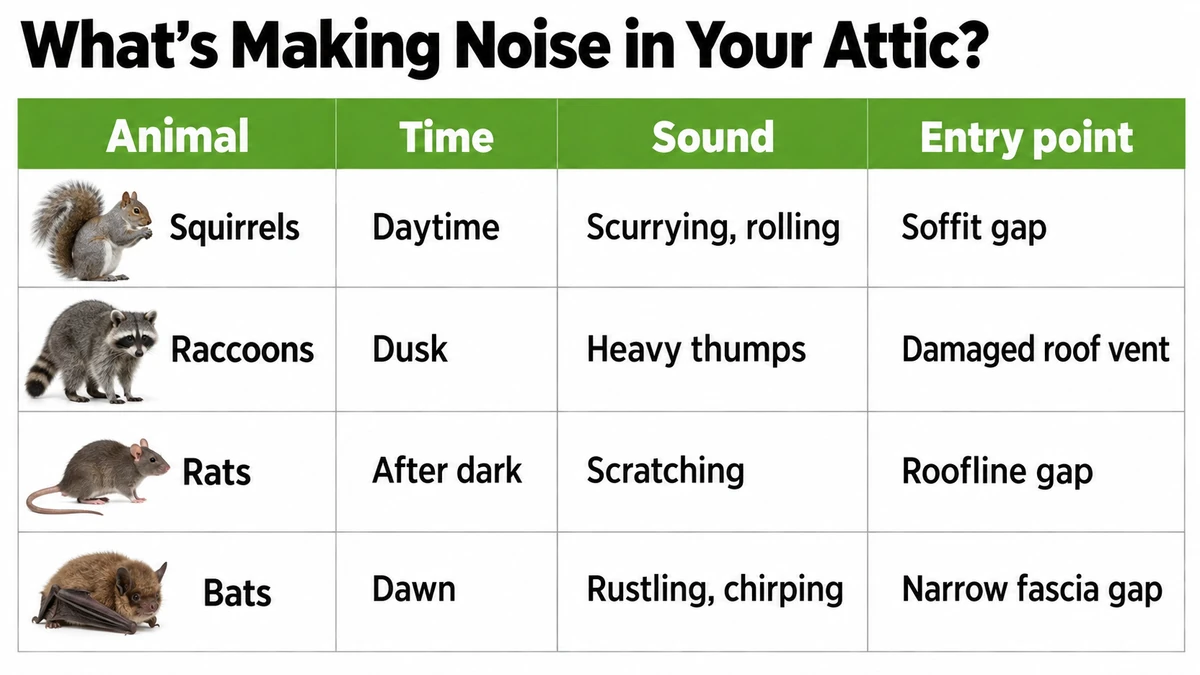
The simplest tell is timing. Daytime scampering usually means squirrels, after-dark scratching usually means rats or raccoons, and rustling at dusk near the gable usually means bats.
Squirrels in the Attic
Squirrels are the most common attic intruder across the Southeast, and for good reason. They breed twice a year, typically in late winter and again in mid-summer, which means a single female can move into an attic to raise a litter with little warning. Once nested, squirrels chew on fascia boards, roof returns, and anything that gets in the way of their den, including electrical wiring.
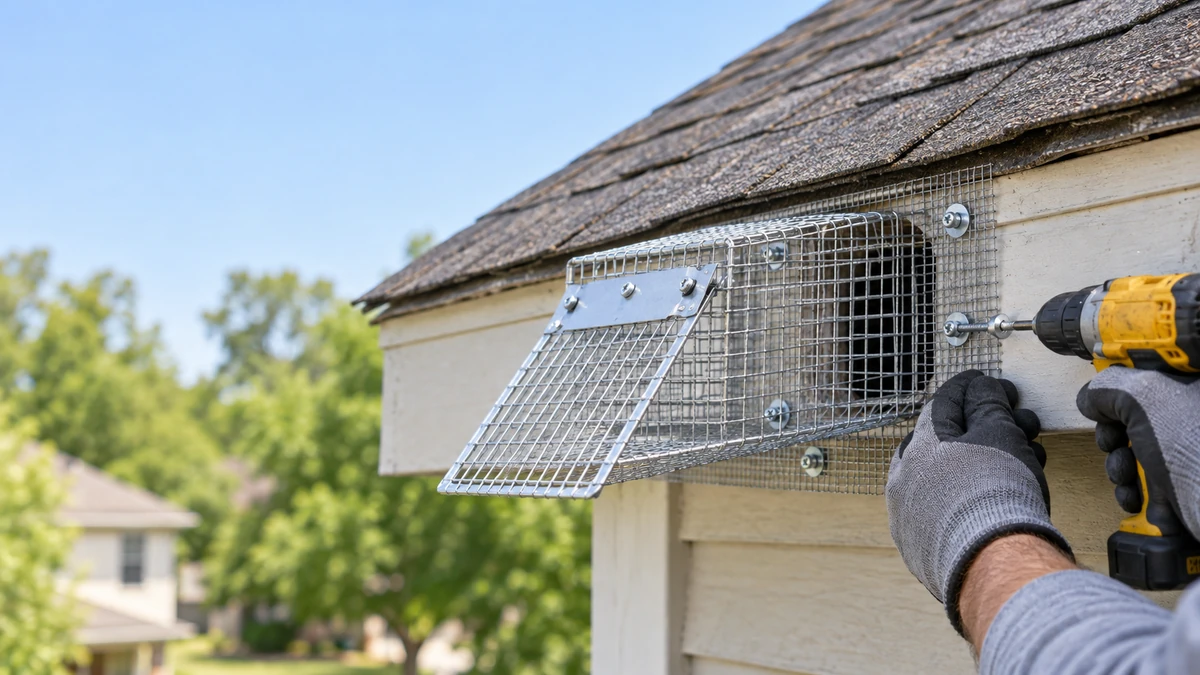
That last point matters more than most homeowners realize. Chewed wiring inside an attic is a documented fire risk, and it is one of the reasons professional exclusion focuses on more than just removing the visible animal. Northwest technicians typically install one-way exclusion doors at the identified entry point, which allow squirrels to leave the attic to forage but prevent them from returning. This method works well for adult squirrels, but it is not a complete solution if there is a nest of young inside. Trapping or excluding an adult while leaving dependent young behind creates a bigger problem: the young will die in the attic, and the mother will often attempt to chew a new entry point to reach them.
“The most common mistake we see is a homeowner sealing what looks like the only entry point before confirming the attic is clear. Once you do that, you have trapped animals inside, and the damage they cause trying to get out is almost always worse than what brought them in,”
says Curt Lockhart, QA Technical Field Trainer & Inspector, Northwest Family of Brands.
Raccoons in the Attic
Raccoons cause some of the most extensive attic damage of any wildlife species, largely because of their size and strength. A raccoon looking for a denning site will tear through soffit material, crush insulation to create a nesting area, and often damage ductwork in the process. Their droppings also present a genuine health concern. Raccoon latrines can contain roundworm eggs that pose a risk to humans and pets if disturbed without proper protective equipment.
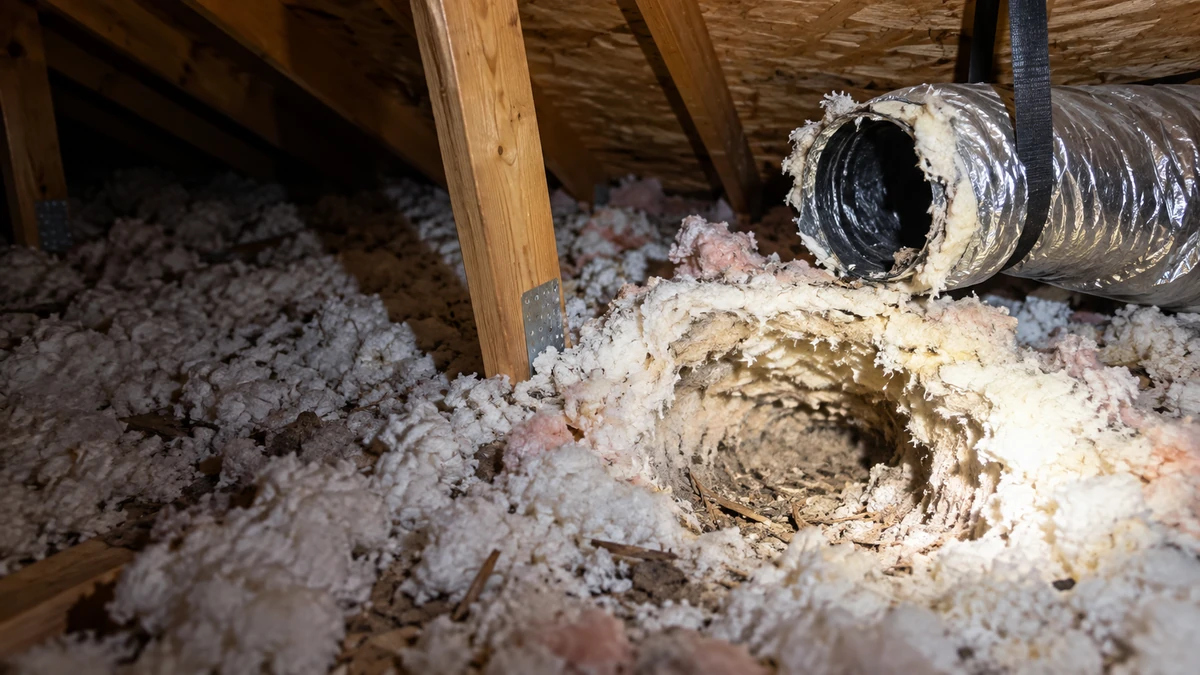
Mother raccoons denning with kits add another layer of complexity. Removing a mother without accounting for her young can leave dependent kits trapped in the attic, and state wildlife regulations in Georgia, Tennessee, and Alabama generally require licensed operators to handle raccoon removal specifically because of these disease and welfare considerations. This is not a species homeowners should attempt to handle on their own, both for safety reasons and because most jurisdictions require licensing for raccoon trapping and relocation.
Bats in the Attic
Bats present a different set of challenges entirely. A bat colony can grow slowly and quietly, leaving guano to accumulate for months before a homeowner notices the smell or spots droppings in the insulation. Beyond the odor, accumulated guano can pose respiratory risks and requires careful remediation.
Timing is the critical factor with bat exclusion. Most bat species in the Southeast have a maternity season, typically from late spring through mid-summer, during which flightless pups remain in the roost while adults come and go to feed. Sealing an attic during this window traps pups inside, where they will die, and creates both an ethical problem and a decomposition and odor issue. For this reason, licensed operators wait until young bats are flying on their own before installing one-way exclusion valves, which let the colony leave naturally without being able to return. Sealing an attic at the wrong time of year is one of the most common and most damaging mistakes in wildlife exclusion, which is why species identification and seasonal timing both matter before any sealing work begins.
“With bats, timing is everything. If exclusion work starts during maternity season, the pups cannot leave on their own yet, and sealing the roost can trap them inside. The odor and structural damage that follow are often worse than the original problem. Identifying the species and confirming the season before any sealing begins is non-negotiable,”
explains Curt Lockhart.
How Animals Get In
Wildlife does not need a large opening to find its way into an attic. Most entry points trace back to one of the following:
- Overhanging limbs and canopy contact. Tree branches touching or hanging near the roofline give squirrels and raccoons a direct bridge onto the house.
- Gable and ridge vents. These vents are often protected by thin screening that deteriorates over time or that animals chew through.
- Soffit and fascia gaps. Rot or minor separation in soffit and fascia boards creates an easy access point, particularly for squirrels and rats.
- Roof return junctions. The seams where roof planes meet are common weak points, especially on older roofs.
- Chimney chases. Uncapped or poorly capped chimneys are a frequent bat and raccoon entry route.
- Ridge vent lift. Wind and age can lift sections of ridge vent, creating gaps large enough for smaller animals to slip through.
- Rotted trim and construction gaps. Any area where wood has softened from moisture exposure is vulnerable to gnawing and expansion by animals looking for a way in.
How Professional Wildlife Removal Works, Step by Step
A proper wildlife removal process involves more than trapping the animal you can see. Northwest’s process generally follows these steps:
- Inspection and identification. A technician inspects the attic, roofline, and exterior to identify the species involved, locate entry points, and assess the extent of nesting or damage.
- Humane removal or one-way exclusion. Depending on the species and season, technicians either remove animals directly or install one-way exclusion devices that let them leave without returning.
- Entry point sealing. Once the attic is confirmed clear, all identified entry points are sealed with materials designed to withstand future gnawing or weather exposure.
- Damage repair. Chewed wiring, torn ductwork, and damaged fascia or soffit material are repaired to restore the attic’s structural integrity.
- Insulation remediation and sanitation. Contaminated or crushed insulation is removed and replaced, and affected areas are sanitized to address droppings, urine, and odor.
- Follow-up monitoring. Technicians check sealed entry points and the attic space to confirm the exclusion held and no new activity has started.
Wildlife Removal Across the Northwest Service Area
Wildlife pressure varies by region, shaped by local tree cover, housing age, and climate. Northwest serves homeowners dealing with attic wildlife across the following metro areas:
- Marietta, GA. Mature tree canopy throughout established neighborhoods gives squirrels and raccoons easy roof access, making canopy contact one of the most common entry routes Northwest addresses in the area.
- Chattanooga, TN. The mix of wooded hillside properties and older housing stock in Chattanooga means soffit and fascia gaps are a frequent point of entry, particularly in homes built before modern vent screening standards.
- Savannah, GA. Savannah’s humidity and mature oak canopy create ideal conditions for both squirrel activity and bat roosting, and Northwest’s technicians account for seasonal maternity timing when planning exclusion work in the area.
- Atlanta, GA. As one of the most heavily wooded metro areas in the Southeast, Atlanta sees consistent squirrel and raccoon pressure, with roof returns and ridge vents among the most common entry points.
- Birmingham, AL. Birmingham’s older neighborhoods, many with aging rooflines and chimney chases, see frequent raccoon and bat activity, and Northwest’s wildlife services team is equipped to handle the regulatory requirements specific to Alabama.
Northwest serves each of these metros with the same inspection-first approach, adjusted for the entry points and species most common to the local area.
What It Costs and What Is Included
Wildlife removal pricing can vary depending on the animal, property size, and what is needed to fully address the issue.
- Removal starts at $350.
- Exclusion, sealing, and remediation are customized based on the property and scope of work.
Every project begins with a free inspection so our team can identify the issue, recommend the right solution, and provide an accurate estimate before work begins.
Frequently Asked Questions
Who do I call for an animal in my attic?
A licensed wildlife removal company should be your first call, particularly for species like raccoons and bats, which are subject to state regulations around trapping and relocation. Northwest provides inspection and removal services across Georgia, Tennessee, and Alabama.
What company provides wildlife removal in Marietta, Chattanooga, or Savannah?
Northwest Exterminating provides wildlife removal services in Marietta, Chattanooga, and Savannah, as well as throughout Georgia, Tennessee, and Alabama. Services include attic inspection, humane animal removal, entry point exclusion and sealing, insulation remediation, and follow-up monitoring.
How do I know if it is squirrels, rats, or raccoons?
The type of sound, the time of day you hear it, and the size and shape of any droppings you find are the clearest indicators. Squirrels are typically active at dawn and dusk, rats mostly at night, and raccoons produce louder, heavier movement after dark. A professional inspection can confirm the species with certainty.
Is wildlife removal humane?
In most cases, yes. Northwest uses humane removal methods and one-way exclusion devices that allow animals to leave an attic on their own without being able to return. A small number of situations, such as a sick or injured animal or a species that cannot be safely excluded, call for a different approach, and your technician will explain that before any work begins.
How much does wildlife removal cost?
Costs depend on the species involved, the extent of exclusion work needed, and whether damage repair or insulation remediation is required. A free inspection is the best way to get an accurate quote for your specific situation.
How long does the whole process take?
Timelines vary by species and situation. Exclusion using one-way doors typically takes one to two weeks to confirm an attic is clear, while species like bats may require waiting for maternity season to end before sealing can begin safely.
Concerned About Wildlife in Your Attic?
If you are hearing movement overhead or finding droppings in your attic, waiting rarely makes the problem smaller. Book a free wildlife inspection with Northwest for wildlife removal, exclusion, and attic restoration across Georgia, Tennessee, and Alabama.
For related pest concerns, see Northwest’s wildlife control service page, along with guides on Roof Rats: How to Identify and Get Rid of Them and Northwest’s rodent control services.
For additional guidance on the health risks associated with wildlife droppings and guano, the CDC’s guidance on rodent-associated diseases provides further detail.
Reviewed for Accuracy
Cory Goeltzenleuchter, B.C.E., P.H.E., Director of Technical Services for Northwest Exterminating, is one of the organization’s leading technical experts in pest management. As a Board Certified Entomologist and Public Health Entomologist, he oversees technical training, service standards, and industry best practices while helping ensure customers receive extraordinary service through science-based solutions, ongoing education, and innovative approaches across the Northwest Family of Brands.