Sep 9, 2025 | Good Deed Team
On August 26, Gainesville, GA teammates gathered at Fire Station 1 for a special cookout to honor local police officers, firefighters, and EMTs.
Firefighters gave teammates a rare, behind-the-scenes look at what it takes to serve in their role. Northwest Teammates learned how to operate the Jaws of Life by playing an oversized game of Jenga, felt the strength of the water flow while handling a fire hose, and even practiced knocking down a locked training door using firefighter tools. One teammate suited up in full gear to experience the weight and intensity of what firefighters carry when responding to emergencies.
“It was a fun, informational, and eye-opening way to get a small glimpse of the skills and strength they put into their work every day,” said Gainesville Office Manager Crystal Munday.
At Northwest Exterminating, First Responder Cookouts are our way of showing appreciation to the men and women who dedicate their lives to keeping our communities safe. This afternoon of appreciation and fellowship wasn’t just about great food and fun; it was a meaningful opportunity to connect with the first responders who protect the communities where we live and work.
Sep 8, 2025 | Good Deed Team
For the first time, Northwest Exterminating’s Good Deed Team partnered with Connections for Special Parents to sponsor a fishing trip for children with disabilities. The fun filled day of activities took place on August 16 at Lake Hartwell in Hartwell, GA.
For many of the children, it was their first time casting a fishing rod. The new experience brought excitement to the children and parents were delighted as they watched their children discover something new. The event gave everyone the chance to enjoy the great outdoors and connect with others in a safe and welcoming environment.
To make the day even more memorable, Good Deed Team Co-Director Greg Green provided lunch for more than 60 people, serving his Southeast (almost) famous hamburgers along with hot dogs, baked beans, potato salad, cookies and Popsicles. It was the perfect day for casting lines, creating new experiences and making fun memories.
Connections for Special Parents is an organization that provides resources and support to parents and caregivers who have children with special needs. The group helps children explore new experiences and opportunities in a safe and encouraging environment.
The Good Deed Team plans to continue this new partnership and find more future initiatives to support and serve these families in meaningful ways. The team enjoyed the chance to share time and in something new together.
At Northwest Exterminating we believe in serving communities with more than just pest solutions. We’re committed to finding ways to show care for people and spread kindness.
Sep 5, 2025 | Florida Pest Control
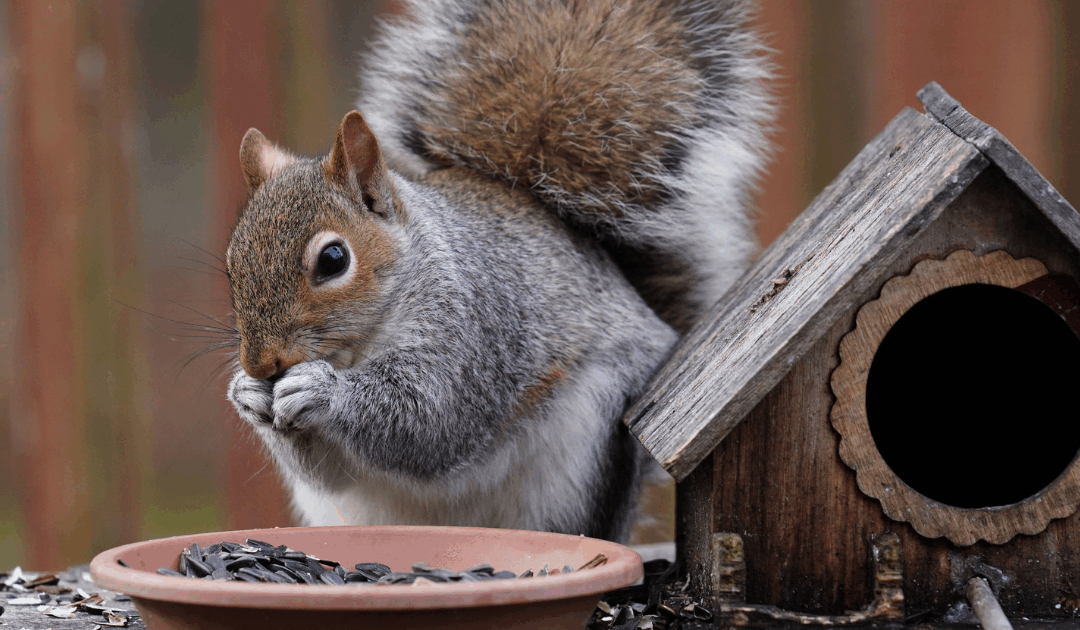
Broward County’s year-round warmth and lush vegetation make it a haven for squirrels. While they can be entertaining in parks, these agile climbers are less welcome when they invade attics, damage gardens, or chew through home structures. By understanding squirrel behavior and using strategies tailored to South Florida, homeowners can protect their property while maintaining balance with the local environment.
Understanding Broward County’s Squirrel Population
South Florida is home to several squirrel species, with gray squirrels and fox squirrels most common around residential areas. They use power lines, fences, and trees as travel routes and often seek shelter in attics, sheds, or crawl spaces.
Because Broward’s climate keeps squirrels active all year, the risk of property damage, noise, and potential health concerns is ongoing. Females typically have two litters a year—late winter and mid-summer—making these peak times for activity.
Signs of Squirrel Problems in Your Home
Early detection helps prevent costly repairs. Common signs include scratching or scampering in attics, especially at dawn or dusk, chewed roof edges or soffits, damaged screens, and gnaw marks on wood or wires. Outdoors, you may notice disturbed bird feeders, dug-up flower beds, or plants stripped of fruit and vegetables.
Natural Prevention Strategies
Habitat Modification
Remove attractants that encourage squirrels to linger. Trim branches at least six feet from the roof, clear fallen fruit and nuts promptly, and relocate or squirrel-proof bird feeders.
Physical Exclusion Methods
Cover vents, chimneys, and other openings with hardware cloth or metal screening, using mesh smaller than one inch. Seal gaps with caulk, foam, or metal patches, and reinforce vulnerable roof edges with flashing.
Eco-Friendly Deterrent Solutions
Natural Repellent Applications
Sprinkle cayenne pepper or hot sauce around problem areas, or place cotton balls soaked in peppermint, eucalyptus, or citrus oil near entry points. Predator scents, like fox or coyote urine, can also discourage squirrels.
Strategic Garden Protection
Use lightweight row covers, plant squirrel-resistant flowers like marigolds and alliums, or create decoy feeding spots away from your home and garden.
Attic and Roof Protection
Inspection and Monitoring
Check attics and roofs regularly for signs of damage or nesting materials. Pay special attention after storms, which can create new entry points. Motion-activated cameras can help track activity patterns.
Professional-Grade Solutions
Install chimney caps, vent guards, and tree banding to block climbing routes. These measures reduce access without harming wildlife.
Safe and Humane Management Practices
Live Trapping Considerations
If removal is necessary, use humane live traps with appropriate bait, following Broward County regulations on relocation. Complex situations may require trained wildlife experts who understand local squirrel behavior.
Long-Term Population Management
Encourage natural predators, and coordinate with neighbors for community-wide prevention efforts. Consistent approaches reduce squirrel pressure across the area.
Maintaining Long-Term Success
Broward squirrel control works best with ongoing attention—seasonal inspections, refreshed deterrents, and regular maintenance of exclusion methods. By combining habitat changes, physical barriers, and humane deterrents, you can keep squirrels from becoming long-term houseguests while still protecting the wildlife that makes South Florida unique. For stubborn or recurring issues, experienced pest control professionals can help ensure your home stays squirrel-free. Contact pest control near you for a free quote!
Sep 4, 2025 | Pest Control
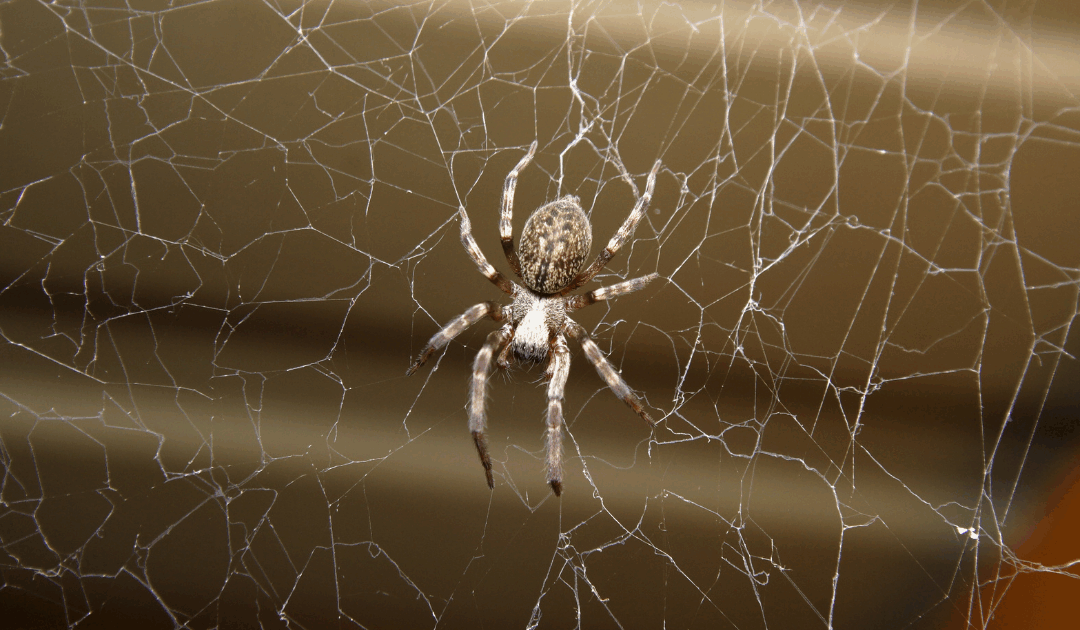
No one enjoys walking into a web on the way to the mailbox or finding a surprise eight-legged visitor in the shower. If you live in Peachtree Corners and want fewer spiders without harsh chemicals or expensive treatments, eco-friendly methods can help.
Georgia’s warm, humid climate makes our area perfect for a variety of spider species. With consistent natural prevention strategies, you can reduce indoor spider activity while protecting your household and the environment.
Understanding Spiders in Peachtree Corners
Our subtropical climate supports common spiders such as house spiders and wolf spiders, with occasional brown recluses or black widows. Most are harmless and even help control other pests, but that doesn’t mean they belong in your living space.
Spiders move indoors seeking food, water, and shelter. Removing these attractions is the first step in keeping them out naturally.
Natural Prevention: Your First Line of Defense
Preventing entry is more effective than dealing with an infestation later. These strategies make your home less appealing to spiders while preserving beneficial insects.
Seal Entry Points
Spiders can slip through tiny gaps. Inspect and seal potential entryways:
- Caulk cracks around windows, doors, and foundations
- Repair screens and door sweeps
- Seal spaces around pipes, cables, and utility lines
- Check where siding meets roofing for openings
Reduce Clutter Indoors and Outdoors
Clutter provides hiding spots and attracts insects spiders feed on. To limit this:
- Remove cardboard boxes from garages and basements
- Keep storage areas organized
- Store firewood at least 20 feet from your home
- Trim plants away from exterior walls
- Clear debris from your yard perimeter
Adjust Outdoor Lighting
Outdoor lights attract insects, which attract spiders. Use yellow or sodium vapor bulbs, or opt for motion-activated lights to reduce insect activity near your home.
Natural Repellents That Work
Eco-friendly repellents can help discourage spiders from entering your home.
Essential Oil Sprays
Mix 10–15 drops of peppermint, citrus, tea tree, or eucalyptus oil with water in a spray bottle. Apply around windows, doors, and corners weekly or after cleaning.
Vinegar Solutions
Combine equal parts white vinegar and water. Spray along baseboards, entry points, and common spider areas. The scent fades quickly for people but lingers for spiders.
Spider-Repelling Plants
Add plants spiders dislike to your landscaping:
- Lavender – aromatic and attractive
- Mint – best planted in containers
- Citronella – doubles as mosquito deterrent
- Lemongrass – adds garden texture and pest resistance
Maintaining a Spider-Unfriendly Environment
Consistency is key for long-term success.
Regular Cleaning Routines
Vacuum corners, baseboards, and under furniture. Remove webs immediately to disrupt spider activity and discourage return.
Moisture Management
Limit humidity using exhaust fans in kitchens and bathrooms, fixing leaks quickly, ventilating crawl spaces, and using dehumidifiers in damp areas.
Eliminate Food Sources
Since spiders feed on other insects, reducing indoor pest activity will naturally reduce spiders. Keep kitchens clean and promptly address any insect problems.
When Natural Methods Need Support
If spider activity persists, consider eco-friendly supplemental measures:
- Diatomaceous Earth – A natural powder that damages spider exoskeletons; sprinkle lightly in problem areas away from children and pets.
- Cedar Products – Cedar chips or blocks in closets, storage areas, or around the foundation can deter spiders naturally.
Creating Long-Term Success
Natural spider control takes persistence but provides lasting benefits. Track where spiders appear most often and adjust prevention methods accordingly.
Enjoying a Naturally Spider-Free Home
With consistent prevention, natural repellents, and routine maintenance, you can encourage spiders to stay outdoors where they belong.
Spiders do play a role in controlling other pests, but the goal is to keep that work outside, not inside your home. For ongoing prevention and targeted solutions, contact your local pest control professionals. They can create a customized plan that supports your eco-friendly preferences while keeping your home web-free.
Aug 27, 2025 | Florida Pest Control
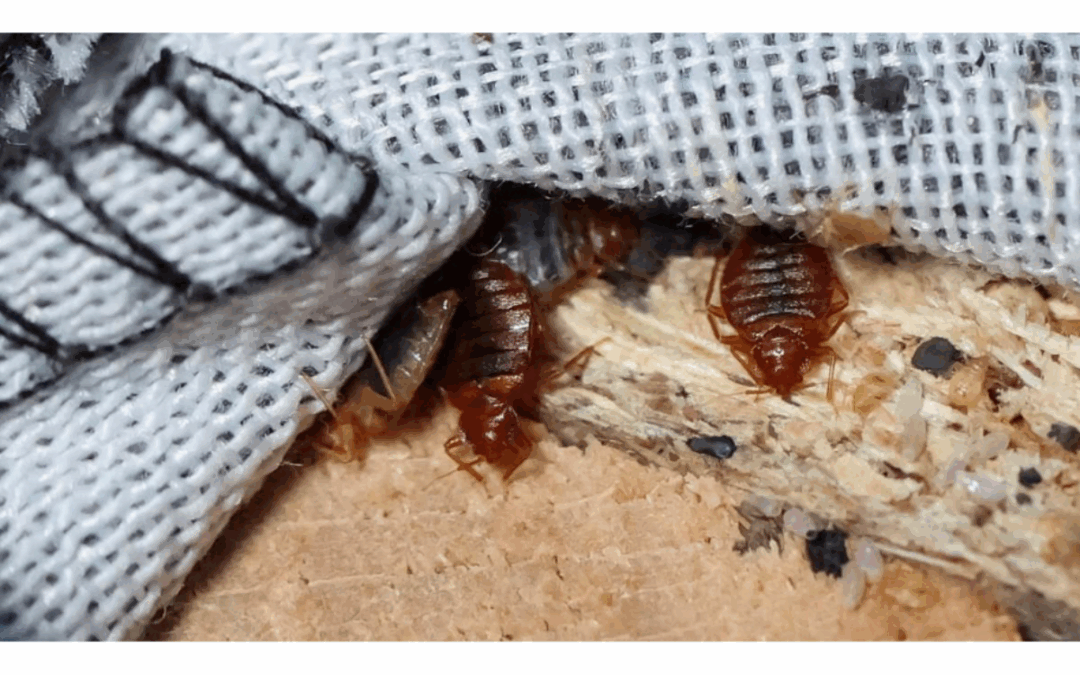
Florida summers mean sunny beaches and family fun—but also an increase in bed bug activity. The warmer months bring ideal conditions for these pests to reproduce and spread, especially with more people traveling. Knowing why summer is peak bed bug season and how to prevent them can help protect your home.
Bed Bug Season in Florida
Why Summer Is Peak Season for Bed Bugs in Florida
Bed bugs thrive in Florida’s summer climate. Here’s why they become more active:
- Warm Temperatures
Summer heat speeds up bed bug reproduction. A female can lay hundreds of eggs, and warm temps help them hatch and mature faster.
- Increased Travel
Tourists and locals alike travel more in summer, which increases the risk of spreading bed bugs through luggage and clothing.
- High Humidity
Bed bugs prefer humid environments, and Florida’s moisture-rich air helps them survive longer indoors.
Why Bed Bugs Are More Than Just a Nuisance
Bed bug infestations can lead to a range of issues beyond the annoyance of bites:
- Health Irritations
Bites can cause red welts, itching, and in some cases, allergic reactions. Even without disease transmission, they can disrupt sleep and comfort.
- Financial Strain
Eradication can be costly. Treatment, mattress replacement, and missed work add up quickly.
- Emotional Stress
Living with bed bugs can lead to anxiety and insomnia. Infestations can be persistent and emotionally draining.
How to Prevent and Manage Bed Bugs This Summer
Protect your home with these practical, eco-friendly tips:
1. Inspect and Clean Regularly
- Focus on high-risk areas: Mattress seams, headboards, and furniture crevices.
- Launder items on high heat: Wash and dry bedding, curtains, and clothes on the hottest safe settings.
2. Be Cautious While Traveling
- Check hotel rooms and rentals: Look for small stains, dark spots, or shed skins around mattresses and upholstery.
- Keep bags off beds and floors: Use counters or tables instead, and consider protective covers for extra peace of mind.
3. Declutter Sleeping Spaces
- Bed bugs love hiding in clutter. Keeping spaces tidy and organized makes it harder for them to spread unnoticed.
4. Seal Entry Points in Shared Buildings
- Seal cracks, baseboards, and shared walls in apartments or multi-unit housing to block travel between units.
5. Use Natural Deterrents
- Try lavender, tea tree, or peppermint oil sprays around sleeping areas. While not a cure-all, they may discourage bugs and freshen your space.
6. Install Mattress Encasements
- Use bed bug-proof covers on your mattress and box spring to trap pests and prevent infestation.
7. Monitor with Interceptor Traps
- Place bed bug traps under bed legs to catch early activity before it becomes a full-blown problem.
8. Call in the Experts
- If you suspect or confirm an infestation, contact your local pest control professionals. They have the tools and training to safely and effectively eliminate bed bugs.
Bed bugs may be more active in summer, but that doesn’t mean you have to suffer. Regular inspections, clean travel habits, and protective bed bug control measures can make your home less inviting to these pests.
Stay informed, stay alert, and enjoy your Florida summer without the unwanted guests.