Sep 26, 2025 | Florida Mosquito Control
Miami’s tropical climate is perfect for year-round outdoor living, but it also provides ideal conditions for mosquitoes. Warm temperatures, high humidity, and frequent rain create a nearly constant breeding environment for these pests. Sustainable mosquito management offers a way to reduce mosquito activity while protecting the local environment and preserving the beauty of South Florida’s natural spaces.
Why Sustainable Mosquito Control Matters in Miami
In Miami, mosquitoes are more than a seasonal annoyance. Species such as the Aedes aegypti thrive in small amounts of standing water and can be active much of the year. Conventional chemical treatments may offer quick relief but can also affect pollinators, beneficial insects, and waterways.
Sustainable mosquito control addresses the root causes of infestations through prevention, environmental awareness, and targeted treatments. By making small, consistent changes to outdoor spaces, it is possible to enjoy a yard with fewer interruptions from mosquitoes.
Integrated Pest Management for Mosquitoes
Integrated Pest Management (IPM) combines prevention, monitoring, and precise treatments to manage pests effectively with minimal environmental impact.
Reducing Breeding Sites
Since mosquitoes need standing water to reproduce, removing or treating these sources is one of the most effective control measures. Emptying containers, cleaning gutters, and changing water in birdbaths or pet bowls regularly all help break the breeding cycle.
Encouraging Natural Predators
South Florida’s environment supports beneficial wildlife such as dragonflies, bats, and certain fish species that naturally help manage mosquito populations. Supporting these species through balanced landscaping can provide ongoing mosquito control.
Targeted Treatment Options
When additional measures are needed, targeted tools such as In2Care systems can help. These stations attract mosquitoes and expose them to a treatment that affects both adults and larvae, providing ongoing control while minimizing impact on non-target species.
Eco-Friendly Solutions for Miami’s Mosquito Challenges
Natural Repellents
Plants like citronella, marigolds, and basil can deter mosquitoes while adding greenery to outdoor areas. Essential oils such as eucalyptus, peppermint, and lemongrass can be used in sprays for added protection.
Low-Impact Treatments
In2Care stations and targeted larvicides offer effective mosquito reduction without disrupting beneficial insect activity. These methods focus on specific problem areas, limiting environmental impact.
Benefits of a Sustainable Approach to Mosquito Control
Family and Pet-Friendly Living
Reducing chemical use creates a healthier outdoor space for children, pets, and wildlife while also protecting South Florida’s waterways and coastal ecosystems.
Long-Term Results
Addressing mosquito activity at the source reduces the need for frequent treatments, leading to more consistent comfort outdoors.
Preserving South Florida’s Natural Beauty
Eco-friendly mosquito control supports biodiversity, protects pollinators, and maintains the vibrant, tropical environment that makes Miami unique.
A Healthier Way to Manage Mosquitoes
Sustainable mosquito management is about prevention, balance, and smart intervention. By removing breeding sites, encouraging natural predators, and using targeted solutions like In2Care, Miami residents can enjoy their outdoor spaces while supporting a healthier environment for the community.

Sep 25, 2025 | Commercial
Termites cause over $5 billion in property damage annually in the United States, and commercial buildings are prime targets. These structures often house multiple businesses, valuable equipment, and critical operations that cannot afford unexpected shutdowns. For property managers and business owners, understanding termite risks and taking proactive termite control measures is essential to protecting your investment, keeping tenants satisfied, and maintaining long-term property value. Let’s take a look at why commercial termite control is necessary to protect your business from these wood-destroying pests.
Commercial Termite Control
Why Commercial Properties Face Higher Termite Risks
Commercial buildings have unique vulnerabilities that attract termites. Large structures mean more entry points, extensive wooden frameworks, and complex utility systems that allow infestations to spread unnoticed.
Construction Materials and Design
Many commercial buildings contain substantial wood, from beams to fixtures. Open layouts and suspended ceilings make it easy for termites to move between areas undetected.
Moisture Sources
More plumbing, HVAC systems, and high-use areas like kitchens and bathrooms create humidity termites thrive in.
Landscaping Factors
Mulch beds, irrigation systems, and decorative wood features near foundations can host termite colonies close to the building.
The True Cost of Termite Damage
For commercial properties, the financial impact extends beyond repairs.
Structural Repairs
Major infestations may require replacing load-bearing walls, floor joists, or supports—costing tens of thousands of dollars.
Business Disruptions
Repairs can force tenants to relocate, leading to lost income, legal disputes, and damaged client relationships.
Property Value Decline
A termite history can reduce property value and make selling or refinancing more difficult.
Early Detection: Your First Line of Defense
Catching termites early keeps costs lower and damage minimal.
Quarterly Visual Inspections
Train staff to spot warning signs like mud tubes, discarded wings, and hollow-sounding wood.
Professional Annual Inspections
Hire licensed professionals for thorough checks using specialized detection tools.
Monitor High-Risk Areas
Pay attention to basements, crawl spaces, water-adjacent areas, and where wood meets soil.
Sustainable Prevention Strategies
Modern prevention focuses on long-term protection using eco-conscious methods.
Physical Barriers
Install steel mesh or sand barriers during construction or renovations.
Moisture Management
Reduce humidity with ventilation, dehumidifiers, and quick leak repairs. Maintain proper drainage away from the building.
Landscaping Modifications
Keep mulch and soil at least 12 inches from the foundation, remove dead wood, and choose termite-resistant landscaping materials.
Regular Maintenance
Seal foundation cracks, keep wood from soil contact, and maintain clear space between landscaping and structures.
Professional Termite Treatment Options
When prevention isn’t enough, professional solutions can eliminate colonies with minimal disruption.
Baiting Systems
These systems use small amounts of active ingredients to remove entire colonies and work well in busy commercial settings.
Localized Heat Treatment
Heat kills termites and eggs without chemicals—ideal for sensitive equipment areas.
Targeted Liquid Applications
When needed, modern liquid treatments can be applied precisely to protect surrounding areas.
Building Long-Term Termite Protection Plans
Ongoing management keeps your property secure.
Documentation
Track inspections, treatments, and preventive measures for patterns and proof of due diligence.
Staff Training
Educate employees to spot and report early warning signs quickly.
Vendor Partnerships
Work with pest control providers specializing in commercial properties for consistent service and faster response times.
Taking Action Now
Termite prevention is far less costly than repairs and business interruptions. Schedule a comprehensive inspection with a licensed commercial pest control expert, then create a customized prevention plan based on your building’s vulnerabilities.
Protect your investment, keep tenants happy, and maintain your property’s value for years to come—contact your local pest control professionals today.
Sep 23, 2025 | Good Deed Team
Teammates across Northwest Exterminating’s Family of Brands donated nearly 4,000 coloring books and hundreds of boxes of crayons to CURE Childhood Cancer. This idea began after a normal conversation with a customer and Buford Service Professional, Devon Cazee.
Devon has always found behind the scenes ways to quietly serve. He has worked with Northwest Exterminating’s local Buford, Ga. Service Center for nearly 9 years and is celebrated by his customers for the type of experience he delivers and the relationships he builds. Last year, he collected knit hats to donate to cancer patients, and he is always an active participant in Northwest’s small acts of kindness initiatives. Devon is especially fond of creating ripple effects of kindness throughout one of the communities he serves in Hoschton, Ga.
Devon learned about the organization CURE Childhood Cancer and their incredible mission after speaking with one of his long-term customers, whose daughter, Kristin Conor, is the CEO.
After checking in with one of his regular customers, he learned about CURE Childhood Cancer, an organization led by the customer’s daughter, Kristin Connor. Reaching out to Kristin to learn more, Devon was quick to ask, “What can we do?” As Devon shares, we have to do something, even if it’s small. He suggested collecting coloring books, and Kristin immediately loved the idea. When asked, she explained that coloring books could give patients a simple yet powerful escape, even if only for a moment, from the weight of their illness.
With Kristin’s backing, Devon went to work! He enlisted the full support of the Northwest Family of Brands Good Deed Team, which includes every teammate from all 6 states we serve. Devon started with a goal of collecting at least 2,400 coloring books, but teammates surpassed that goal. After only one month, teammates from across the Southeast and the local Deaton Creek community collected and donated 3,968 coloring books. The donation will be divided amongst local hospitals in Augusta, Atlanta, and Savannah, Ga.
CURE Childhood Cancer is an invaluable resource for families facing cancer. Their mission is to provide vital support services like the Open Arms Meal Program, mental health resources, bereavement care, and provide funding for groundbreaking research to find a cure.
Devon’s coloring book donation drive is just one example of the way teammates are seeking opportunities to give back and support community partners, non-profits, and local initiatives. We are so thankful for teammates like Devon for keeping their eyes open to serve and for all the incredible work CURE does to support the children and families facing these unimaginable challenges. The team plans to continue to partner with CURE in the future. For more information on CURE and their mission, please visit curechildhoodcancer.org.
Sep 19, 2025 | Florida Snake Control
Florida’s warm climate and diverse ecosystems create habitats for over 46 snake species, making encounters a normal part of life. While most are harmless, six venomous species live here, making it important to know which ones pose risks and how to identify them. Education, prevention, and knowing how to respond are key. By understanding snake behavior, recognizing warning signs, and using proven prevention strategies, you can protect your family from Florida snakes while respecting these important members of Florida’s ecosystem.
A Guide To Florida Snakes
Florida’s Venomous Snake Species
Eastern Diamondback Rattlesnake
Florida’s largest venomous snake can grow up to eight feet. Recognizable by diamond-shaped patterns and a rattling tail, they inhabit pine flatwoods, scrub areas, and coastal regions. Their venom is powerful, but these snakes usually avoid people unless threatened.
Cottonmouth (Water Moccasin)
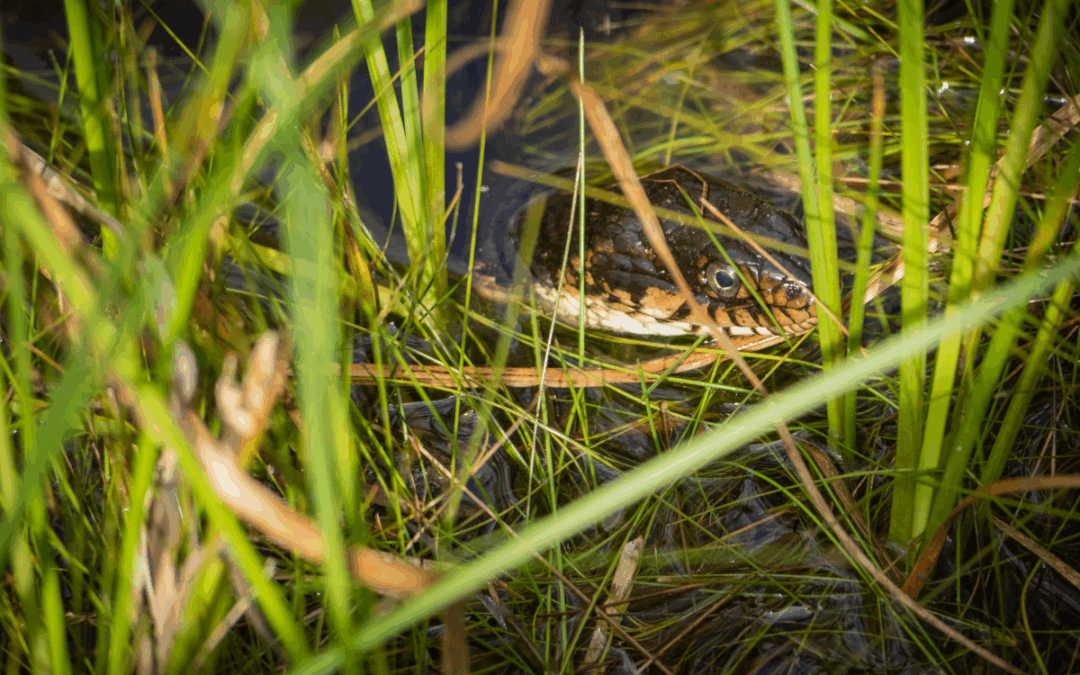
Often found in swamps, marshes, and lakeshores, cottonmouths have dark bodies and a white mouth interior. Unlike many snakes, they may hold their ground when approached. Their venom can cause significant tissue damage.
Coral Snake
Coral snakes have bright red, yellow, and black bands. Remember: red touches yellow, kills a fellow to distinguish them from non-venomous lookalikes. Secretive by nature, they prefer sandy soils and wooded areas. Their venom affects the nervous system.
Copperhead
Found in northern Florida, copperheads have copper-colored bodies with hourglass-shaped crossbands. While their venom is rarely fatal with treatment, it can cause pain and swelling.
Timber Rattlesnake & Dusky Pygmy Rattlesnake
Timber rattlesnakes live in northern forests, while pygmies are found statewide. Both have rattles, though pygmy rattles are faint. Venom can cause serious complications without treatment.
Identifying Habitats and Risk Areas
Natural Environments
Wetlands, pine flatwoods, scrub areas, and hardwood hammocks provide shelter for many species. Cottonmouths thrive near water, while coral snakes prefer sandy or wooded areas.
Residential Risk Zones
Yards with ponds, irrigation systems, or dense vegetation can attract snakes and their prey. Brush piles, woodpiles, and overgrown plants provide ideal hiding spots. Garages, sheds, and crawl spaces also offer shelter.
Warning Signs and Behavior
Visual Recognition
Venomous snakes may have triangular heads, vertical pupils, and heat-sensing pits, though these traits can be misleading. Instead, learn the distinct patterns and colors of dangerous species.
Behavioral Cues
Rattlesnakes shake their tails to warn intruders, cottonmouths show their white mouths, and most snakes retreat if given the chance. Striking is typically a last resort.
Prevention Strategies for Florida Homes
Landscape Adjustments
Keep grass trimmed, remove brush piles, and maintain a clear perimeter around the home. This reduces shelter for both snakes and the small animals they hunt.
Structural Improvements
Seal gaps under doors, cracks in foundations, and utility entry points. Use hardware cloth barriers under porches or decks. Fix leaks and eliminate standing water to discourage both snakes and their prey.
Responding to Florida Snake Encounters
If You See a Snake
Stay calm and slowly back away. Never try to catch or kill a venomous species. Give it space to escape.
In Case of a Bite
Call 911 or go to the nearest emergency room immediately. Never attempt to capture the snake, as this is unnecessary and could result in another bite. Remove jewelry and tight clothing from the affected area, and keep the person as still as possible until help arrives.
Florida’s snakes play a vital role in controlling pests and maintaining ecological balance. Learning how to identify species, modify your property, and respond appropriately will help you coexist with these reptiles. If you’re unsure whether a snake is venomous or how to handle an encounter, a trained snake removal expert can provide proper identification and humane removal. Contact us today for a free snake removal quote!
Sep 18, 2025 | Bed Bug
Waking up with mysterious bites? Finding tiny brown spots on your sheets? If you’re scratching your head (literally), wondering how bed bugs found their way into your Murfreesboro home, you’re not alone. These sneaky little hitchhikers are masters at finding new places to call home, and unfortunately, your cozy Tennessee house might’ve just made their list. Don’t panic though! Understanding how these pests arrive is your first step toward getting rid of them for good. Let’s explore the most common ways bed bugs enter Murfreesboro homes and what you can do to prevent future bed bug infestations.
The Great Bed Bug Mystery: How They Really Get In
Contrary to popular belief, bed bugs aren’t a sign of poor housekeeping. These crafty creatures can infest even the cleanest homes because they’re excellent at finding rides. Think of them as the ultimate freeloaders of the pest world.
Travel Is Their Favorite Transportation Method
Did you take a vacation recently? Stay in a hotel or rental property? Bed bugs love to stow away in luggage, backpacks, and even the clothes you’re wearing. They’re particularly common in hotels, where they can easily move from room to room through luggage and belongings. Common hiding spots include mattresses, headboards, and in and around bedside tables.
Here’s the thing about traveling to and from Murfreesboro: whether you’re visiting Nashville for a weekend getaway or heading out on business, you might be bringing more than memories home with you.
Secondhand Finds Can Bring Unwanted Guests
Love hunting for treasures at thrift stores, garage sales, or online marketplaces? That vintage dresser or “like new” mattress might come with some unwanted extras. Bed bugs can hide in the tiniest crevices of furniture, making secondhand purchases a common source of bed bug infestations.
Your Neighbors Might Be Sharing More Than Sugar
In apartments, condos, or closely situated homes, bed bugs can actually walk from one unit to another through wall voids, electrical outlets, and shared spaces. If your neighbors are dealing with an infestation, you might be next on the guest list.
Prevention Tips That Actually Work
Ready to become a bed bug prevention pro? Here’s how to keep these unwelcome visitors from making themselves at home in your Murfreesboro house.
Travel Smart, Travel Bug-Free
Before settling into any hotel room or rental property, do a quick inspection:
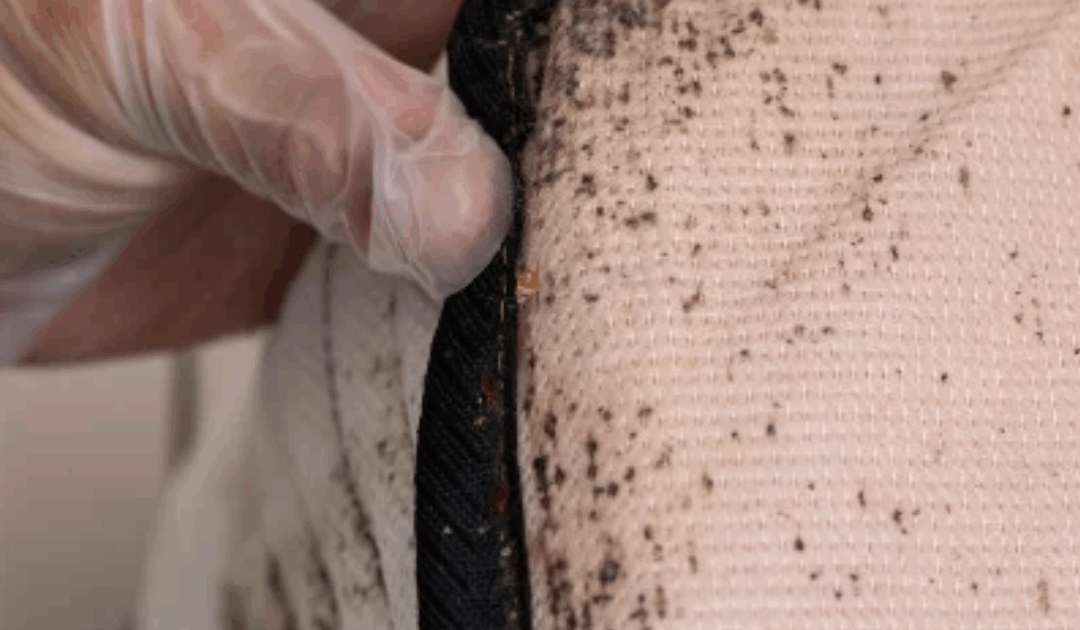
- Pull back the sheets and check the mattress seams for dark spots or stains
- Look for tiny blood spots on pillowcases
- Check upholstered chairs and curtains near the bed
- Keep your luggage in the bathroom while you inspect (bed bugs hate hard surfaces)
When you get home, wash all your clothes in hot water immediately, even if you don’t wear them. Store your suitcase in the garage or basement until you can thoroughly inspect it.
Shop Secondhand Safely
That antique nightstand calling your name? Here’s how to bring it home without hitchhikers:
- Inspect every crack and crevice before purchasing
- Look for dark spots, shed skins, or sweet musty odors
- Consider quarantining items in your garage before bringing them inside
Create a Fortress Around Your Home
While you can’t control what your neighbors do, you can make your home less appealing:
- Seal cracks around baseboards and electrical outlets
- Use mattress and box spring encasements as protective barriers
- Reduce clutter, especially around sleeping areas
- Vacuum regularly, paying special attention to seams and crevices
Eco-Friendly Solutions for Murfreesboro Homeowners
If bed bugs have already moved in, don’t despair. You’ve got options that won’t harm your family or Tennessee’s beautiful environment.
Steam Cleaning Power
A quality steam cleaner can kill bed bugs and their eggs on contact. Focus on mattress seams, furniture crevices, and carpet edges where these pests like to hide.
Natural Deterrents
While not eliminating methods, essential oils like tea tree, lavender, and peppermint can help repel bed bugs. Mix with water and spray bed frames and furniture.
When to Call Murfreesboro Bed Bug Professionals
Sometimes DIY just isn’t enough, and that’s perfectly okay. Consider professional help if you’re seeing:
- Multiple bites appearing regularly
- Live bugs during daylight hours
- Dark stains or spots on mattresses
- Sweet, musty odors in bedrooms
Professional Murfreesboro bed bug control experts understand local conditions and can implement targeted treatments that work specifically for Tennessee homes.
Don’t Let Bed Bugs Win
If bed bugs continue to be a problem despite your efforts, it’s wise to consult a pest control professional who can provide targeted treatments for bed bug infestations and help restore comfort to your Murfreesboro home quickly and effectively.