Nov 4, 2025 | Company News
If you’ve ever attended a Northwest Exterminating event or an event where Northwest might be in attendance, chances are you’ve seen Chuck Negas, Director of Commercial Development, behind the camera capturing smiles, teamwork, and special moments that tell the story from that day. But on October 14, the tables turned when Chuck found himself in front of the lens for a change.
Chuck was recognized as the very first recipient of the “Friends of the Industry” Award, presented by Ghertner & Company at their Second Annual Invitational in Nashville, Tennessee.
This year Chuck was asked to provide photography services, capturing team photos throughout the day so that participants will be able to take home a memory of the day’s events. Chuck happily accepted the opportunity, always eager to support partners and strengthen relationships.
Midway through the event, Chuck was called to the front as Ghertner’s leaders began sharing their appreciation for Northwest Exterminating’s partnership, including details about Chuck’s dedication, dependability, and personal commitment to service. To his complete surprise, they presented him with an award, honoring his professionalism, collaboration, and genuine care for their team.
When asked about the award and what it meant to him, Chuck stated, “I was totally shocked, but mostly, I was very humbled by it and proud as well! Just to be able to get Northwest’s name mentioned and recognized in front of such a large audience. I really enjoy what I do, and the opportunity to meet and build relationships with such incredible people.”
This recognition is more than an individual achievement; it’s a reflection of Northwest’s dedication to building strong, lasting relationships rooted in trust, respect, and genuine friendship.
“Relationship building is not about somebody that goes out and tries to get a fast sale.” Said Chuck. “People have to see and understand that you’re there to serve them. They need to know how much you care – that’s what it is all about, care.”
Chuck’s recognition stands as a testament to what happens when dedication meets authenticity. His unwavering commitment to serving others embodies the Northwest Way – where relationships come before sales, and every partnership is built to last.
Congratulations, Chuck! We’re proud to see you honored for the same care and service you bring to every interaction both behind and in front of the camera.

Oct 31, 2025 | Florida Termite Control
For homeowners in Broward County, the idyllic fall weather doesn’t mean termites take a break. Florida’s warm, humid climate allows these silent destroyers to remain active year-round. October is a key time for vigilance, as certain termite species continue their work, threatening the structural integrity of your home. Understanding the threat and recognizing early signs can save thousands in repairs. This guide covers why termites are a persistent problem in the fall and what steps you can take to protect your property through termite control solutions.
Why Termites Are a Year-Round Threat in Broward
South Florida’s Ideal Climate for Termites
Unlike regions with cold winters, Broward’s subtropical climate provides constant warmth and moisture. Species like Formosan and Asian subterranean termites thrive year-round. While swarming is more common in spring, colonies continuously forage for cellulose, keeping your home at risk even in October.
The Hidden Damage to Your Home
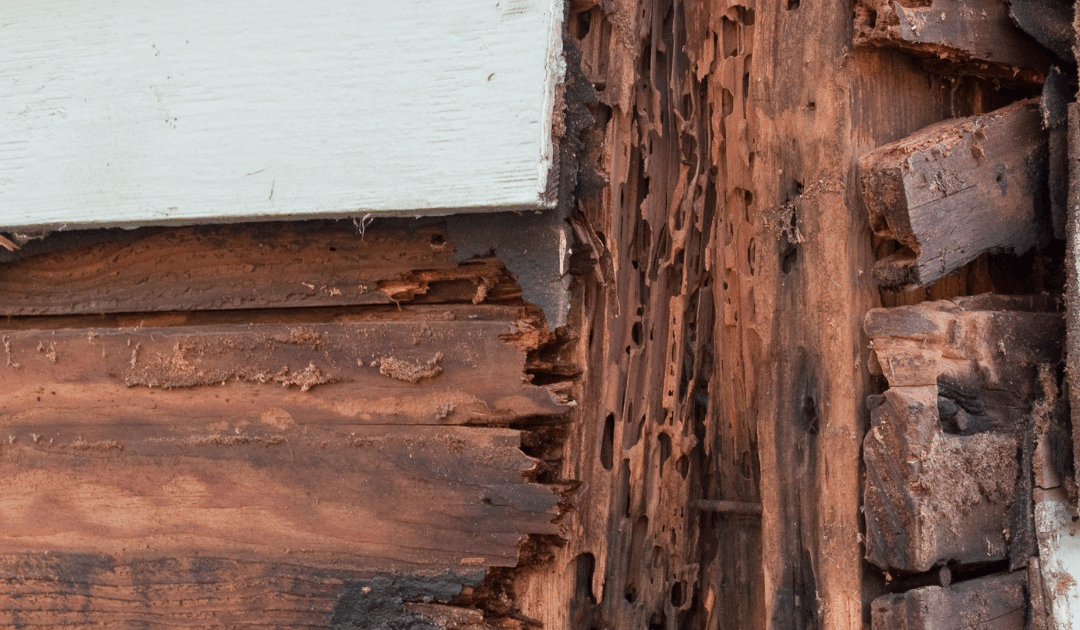
Termites consume wood from the inside out, often leaving the exterior intact until damage is severe. Infestations can go unnoticed for years, weakening foundations, support beams, and walls. By the time damage is visible, repairs can be extensive and costly.
How to Identify a Termite Infestation
Mud Tubes on Foundations
Subterranean termites build pencil-sized tunnels from soil, wood, and saliva. These “mud tubes” serve as protected pathways from underground colonies into your home. Inspect foundations, crawl spaces, and interior walls.
Discarded Wings
After mating, reproductive termites shed wings that resemble tiny, translucent fish scales. Check windowsills, doorways, and spiderwebs for these telltale signs.
Damaged or Hollow-Sounding Wood
Tap on baseboards, door frames, and exposed beams. Wood that sounds hollow or feels papery may be compromised. Bubbling paint or darkened wood can also indicate termite activity.
Proactive Prevention for Broward Homeowners
Eliminate Moisture
Termites are attracted to water. Check and repair leaky pipes, faucets, and AC units. Keep gutters clean and downspouts directing water away from your home’s foundation.
Remove Food Sources
Direct wood-to-ground contact gives termites an easy entry point. Store firewood, lumber, and cellulose debris at least 20 feet from your home and raised off the ground. Maintain a clear gap between mulch or soil and siding.
Keeping Your Home Protected With Termite Control
Termite prevention requires year-round diligence, from controlling moisture and removing wood debris to monitoring signs like mud tubes and discarded wings. Even with the best precautions, an established infestation requires a professional approach to ensure complete colony elimination. If you notice any signs of termites or want to strengthen your defenses, a certified pest control expert can provide a thorough inspection and a targeted termite control plan.
Oct 30, 2025 | Pest Control
As winter arrives in Laurens, SC, cooler temperatures often drive pests indoors in search of warmth, food, and shelter. Your home becomes a cozy refuge, making it a prime target for winter infestations. Knowing which pests are most likely to move inside is the first step toward protecting your property.
The Most Common Winter Pests
Rodents (Rats and Mice)
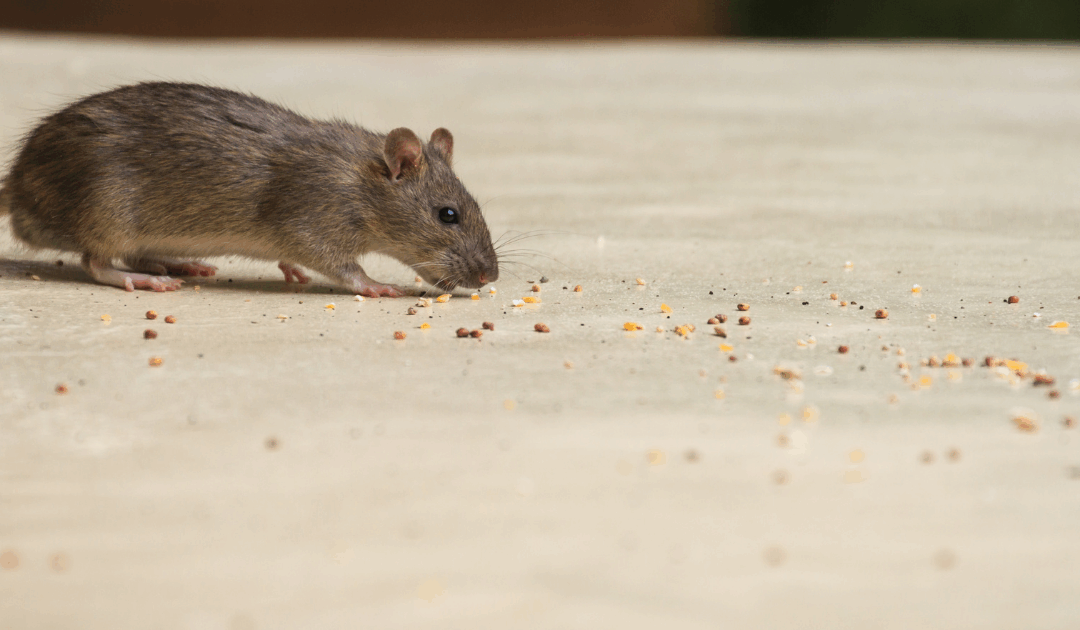
Rodents are among the most persistent winter pests. With outdoor food scarce and temperatures dropping, mice and rats seek warmth and reliable food indoors. They can squeeze through tiny cracks in foundations, siding, and rooflines.
(Risks Posed by Rodents)
Inside, rodents can gnaw on wiring, creating a fire hazard, and damage insulation or drywall for nesting. They also contaminate surfaces with droppings and urine, carrying diseases and bacteria that can affect your family’s health.
Cockroaches
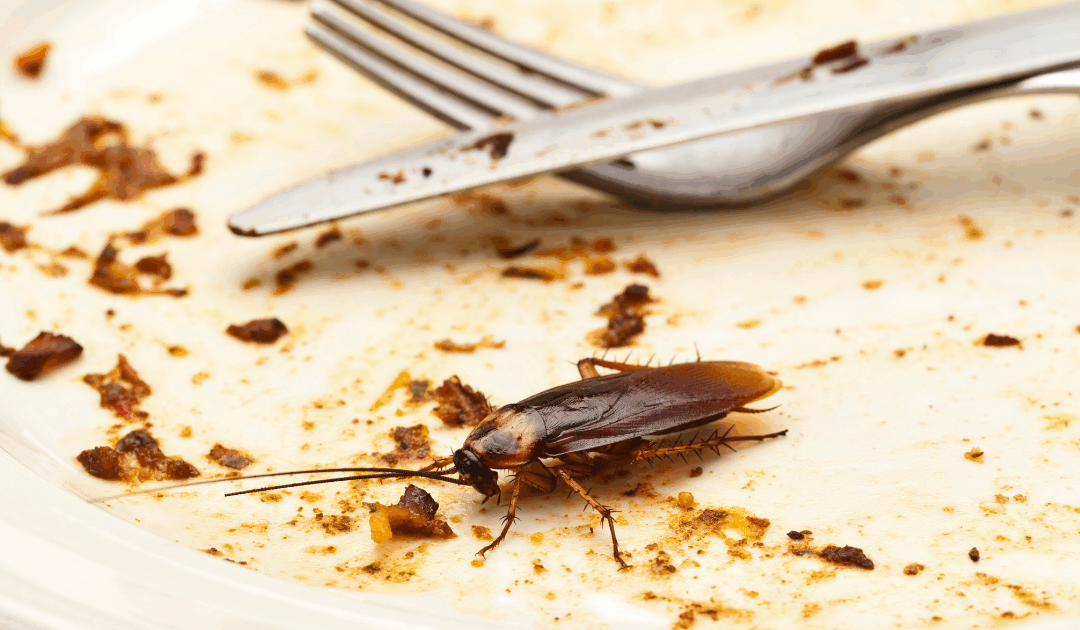
Some cockroach species, like the American cockroach, move indoors during winter to escape the cold. They prefer dark, moist areas such as kitchens, bathrooms, and basements.
(Health Concerns from Cockroaches)
Cockroaches spread pathogens from unsanitary areas to food preparation surfaces. Their droppings and shed skins contain allergens that can trigger asthma and allergic reactions, especially in children or those with respiratory sensitivities.
Spiders
Outdoor spiders often follow prey indoors as temperatures drop. You might notice webs in basements, attics, closets, or garages. Most house spiders are not dangerous, but their presence is usually unwelcome.
(Identifying Potential Issues)
A noticeable increase in spiders may indicate other pest activity, as spiders feed on insects like ants, flies, or crickets.
Proactive Prevention Strategies
Seal Your Home’s Exterior
Blocking entry points is the most effective way to prevent winter pests.
- Inspect and Seal: Check foundations, siding, and rooflines for cracks and holes. Seal gaps with caulk or steel wool.
- Doors and Windows: Add weather stripping to doors and ensure window screens are intact.
- Cover Openings: Install chimney caps and vent screens to keep pests out.
Eliminate Indoor Attractants
Make your home less appealing by removing food and moisture sources.
- Maintain Cleanliness: Store food in airtight containers, wipe spills promptly, and avoid leaving pet food out overnight.
- Control Moisture: Fix leaks and use dehumidifiers in damp spaces.
- Reduce Clutter: Declutter basements, closets, and garages to remove hiding spots.
Winter Pest Recap
Winter pests like rodents, cockroaches, and spiders look for warmth, food, and shelter inside homes. Preventive measures, including sealing entry points, reducing clutter, controlling moisture, and keeping a clean home, are the most effective ways to protect your property. If pests are already inside, a professional inspection ensures they are removed and the problem is addressed. Contact a certified pest control expert today to protect your Laurens home throughout the winter.
Oct 24, 2025 | Florida Pest Control
Finding cockroaches in your Naples home can be unsettling, often raising the question: do they bite? While the idea is alarming, it’s important to separate fact from fiction. Understanding the real risks helps you protect your household and take effective action. This guide clarifies the truth about cockroach bites, outlines actual health concerns, and offers practical prevention tips.
Do Cockroaches Actually Bite Humans?
The Reality of a Cockroach Bite
Yes, cockroaches can bite, but it’s extremely rare. They are not aggressive toward humans and only bite under extreme conditions, such as a severe infestation with scarce food. Bites may occur on fingernails, eyelashes, or calloused skin, usually while a person is sleeping.
Identifying a Potential Bite
A bite appears as a small, red, raised bump similar to a mosquito bite. It may become itchy or inflamed. Due to its generic appearance, it’s nearly impossible to confirm a cockroach bite without signs of a significant infestation.
The Real Health Risks of a Cockroach Infestation
Contamination and Disease Transmission
Cockroaches frequent unsanitary places like drains, sewers, and garbage, picking up bacteria and pathogens. As they crawl across food, counters, and utensils, they can transfer germs like Salmonella and E. coli, increasing the risk of illness.
Allergies and Asthma Triggers
Cockroach saliva, droppings, and shed skins contain proteins that become airborne allergens. Sensitive individuals, particularly children and the elderly, may experience allergic reactions, rashes, sinus infections, and asthma attacks. Infestations can significantly reduce indoor air quality.
How to Prevent Cockroaches in Your Naples Home
Eliminating Food and Water Sources
Make your home inhospitable to cockroaches with diligent sanitation.
- Wipe up crumbs and spills immediately and avoid leaving dirty dishes overnight.
- Store all food, including pet food, in airtight containers.
- Use trash cans with tight lids and remove garbage regularly.
- Repair leaky faucets and pipes to remove moisture sources.
Sealing Entry Points and Reducing Clutter
Prevent access and remove hiding spots.
- Seal cracks in walls, around pipes, and along baseboards.
- Check doors and windows for intact weather stripping and screen integrity.
- Declutter areas like cardboard boxes and stacked newspapers to reduce harborage.
Keeping Your Home Cockroach-Free
Sanitation, moisture control, and sealing potential entry points are your first defense. While bites are rare, contamination and allergens are real concerns. If you spot cockroach activity, it signals a problem that should be addressed promptly.
Call a certified pest control technician for a thorough inspection and a targeted treatment plan to protect your home and enjoy peace of mind this season.
Oct 23, 2025 | Green Commercial Pest Control
Keeping a medical facility pest-free is crucial for patient health and property protection. Pests can compromise sanitation, damage property, and pose health risks. For healthcare administrators in Atlanta, selecting a provider that prioritizes both effectiveness and environmental responsibility is key. Eco-friendly pest control offers a healthy, targeted solution that meets these needs.
The right provider will understand the unique challenges of medical environments and use strategies that are both compliant and low-impact. This guide explains what to look for to protect your facility, staff, and patients.
Why Eco-Friendly Pest Control is Essential for Healthcare
A Commitment to Patient and Staff Health
Medical facilities house vulnerable populations, making protection a top priority. Eco-friendly methods, like Integrated Pest Management (IPM), minimize chemicals and focus on prevention, monitoring, and targeted treatments to create a healthier indoor environment.
Adherence to Strict Regulatory Standards
Healthcare facilities are subject to inspections from bodies like the Joint Commission. Pest sightings can lead to failed inspections or citations. Providers using IPM maintain detailed records of services and pest activity, helping your facility demonstrate compliance during audits.
What to Look for in a Pest Control Provider
Expertise in Healthcare Environments
Select a provider experienced in medical facilities who understands sensitive areas like kitchens, patient rooms, and waste disposal sites. Technicians should work efficiently and discreetly, avoiding disruption to patient care.
A Clear Integrated Pest Management (IPM) Strategy
Ask providers to outline their IPM program. Key elements include:
- Inspection and Monitoring: Identify pests and conditions supporting them.
- Prevention and Exclusion: Seal entry points, control moisture, and improve sanitation.
- Targeted Treatments: Focused solutions for sensitive areas, using non-chemical methods when possible.
Proper Licensing, Insurance, and Training
Ensure the company and technicians hold the necessary Georgia licenses and insurance. Staff should be trained in both pest control and healthcare protocols, including HIPAA and infection control, ensuring reliable and secure service.
Protect Your Facility with Responsible Pest Control
Eco-friendly pest control safeguards patient care, regulatory compliance, and your facility’s reputation. Providers with healthcare expertise, a strong IPM plan, and thorough documentation provide the most effective, secure, and responsible solutions.
Don’t wait for pests to become a problem. Contact a certified commercial pest control expert today for a tailored consultation and a plan designed for your facility’s unique needs.