Dec 27, 2024 | Insulation
Proper attic insulation is a crucial part of maintaining an energy-efficient and comfortable home. In Georgia, where temperatures can vary widely, choosing the right insulation method can make a significant difference. One increasingly popular choice is blown-in attic insulation, a versatile and effective option for homeowners.
This blog explores how blown-in insulation is installed, how it differs from other forms of attic insulation, and its numerous benefits. By the end, you’ll see why searching for attic insulation near me might be one of the smartest moves you make for your home.
A Guide to Blown In Attic Insulation
What Is Blown In Attic Insulation?
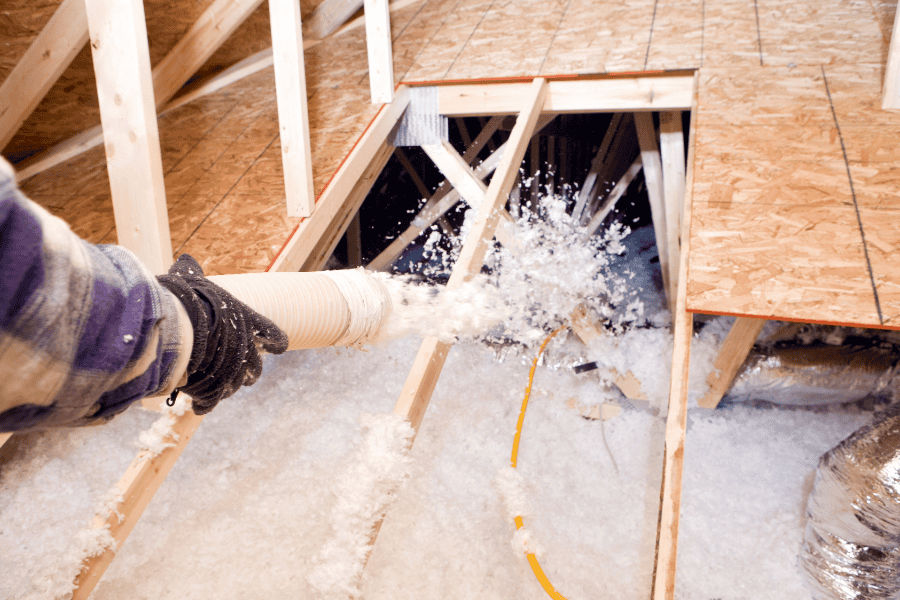
Blown-in insulation, as the name suggests, involves blowing loose insulation materials into your attic space using specialized equipment. Common materials include fiberglass, cellulose, or mineral wool. These small, lightweight particles settle into cracks, crevices, and hard-to-reach areas, creating a seamless insulating barrier.
How Blown-In Insulation Is Installed
The process of installing blown-in attic insulation is straightforward but requires professional equipment and expertise:
- Inspection and Preparation: A professional inspects your attic to ensure it’s free of pests, leaks, or structural issues. Old, damaged insulation may also need to be removed.
- Sealing Air Leaks: Before applying insulation, any gaps or holes are sealed to prevent air leaks that could compromise efficiency.
- Blowing in the Insulation: Using a high-powered blower, technicians distribute the insulation material evenly across the attic floor, covering all gaps and irregular spaces.
- Adjusting the R-Value: The R-value, which measures insulation’s resistance to heat flow, is adjusted by adding more material to meet your home’s specific needs.
How Does Blown-In Insulation Differ from Other Types?
When considering insulating an attic, homeowners often weigh the pros and cons of blown-in insulation versus other forms like batt or spray foam insulation. Here’s how blown-in insulation stands out:
- Coverage: Unlike batts or rolls, blown-in insulation fills every nook and cranny, making it ideal for irregularly shaped attics or spaces with obstacles.
- Installation Speed: Installing blown-in insulation is faster than placing batts or applying spray foam, making it a cost-effective choice for labor.
- Material Versatility: With options like cellulose (made from recycled materials) or fiberglass (resistant to mold and fire), you can choose a material tailored to your home’s needs.
The Benefits of Blown-In Attic Insulation
Now, let’s dive into the advantages of opting for blown-in insulation for your Georgia home:
1. Enhanced Energy Efficiency
One of the top reasons homeowners invest in insulation is to improve energy efficiency. By creating a tight seal in your attic, blown-in insulation reduces heat transfer, keeping your home cooler in summer and warmer in winter. This consistency helps your HVAC system work more efficiently, reducing wear and tear and cutting down on energy bills.
2. Cost-Effective Installation and Maintenance
When searching for attic insulation cost, blown-in options often come out ahead due to their quick installation time and minimal material waste. Additionally, the long-term savings on energy bills make it an investment that pays for itself over time.
3. Noise Reduction
Blown-in insulation not only keeps your home comfortable but also acts as a sound barrier. If you live near busy streets or noisy neighbors, the dense material can help reduce external noise, making your home a quieter, more peaceful place.
4. Improved Indoor Air Quality
High-quality blown-in insulation, particularly cellulose, can prevent dust, allergens, and pollutants from entering your home through the attic. This barrier is especially beneficial in Georgia, where pollen and humidity levels can exacerbate allergies and respiratory issues.
5. Long-Term Durability
Unlike batt insulation, which can sag or shift over time, blown-in insulation tends to stay in place. This stability ensures its effectiveness for the long term, minimizing the need for reinstallation or frequent maintenance.
6. Environmentally Friendly Options
Homeowners interested in sustainable solutions can choose cellulose blown-in insulation, which is made from recycled paper products. By opting for eco-friendly insulation materials, you’re reducing your carbon footprint while enjoying the same high-performance benefits.
Is Blown-In Insulation Right for Your Home?
If you’re considering attic insulation, blown-in insulation is a versatile solution that works well for most homes in Georgia. It’s particularly effective in:
- Older homes with irregular attic spaces.
- Homes looking to improve energy efficiency without major renovations.
- Properties needing quick, hassle-free insulation upgrades.
Factors to Consider for Attic Insulation Cost
The cost of blown-in insulation varies depending on several factors:
- Material Type: Fiberglass is typically more affordable, while cellulose and mineral wool may cost slightly more.
- Square Footage: Larger attics require more material and labor, increasing costs.
- R-Value Requirements: Higher R-values require more insulation, which can affect pricing.
- Existing Insulation: If old insulation needs to be removed, this adds to the cost.
While initial costs might seem high, the long-term savings on energy bills and improved comfort make it a worthwhile investment.
Why Choose Professional Installation?
Although some homeowners might consider DIY solutions, professional installation ensures your insulation is applied correctly and efficiently. Improper installation can lead to uneven coverage, air leaks, and reduced effectiveness. Professionals also have access to specialized equipment and can help you determine the best insulation materials for your specific needs.
Blown-in attic insulation is a practical, efficient, and cost-effective solution for Georgia homeowners. From reducing energy bills to improving indoor air quality and comfort, the benefits of this insulation method are hard to overlook.
If you’re ready to enhance your home’s energy efficiency and comfort, now is the perfect time to search for attic insulation near me. A professional pest control company offering insulation services can guide you through the process, ensuring your attic is properly insulated for the long term.
Contact a trusted insulation expert today to get an estimate on attic insulation cost and take the first step toward a more energy-efficient home.

Dec 26, 2024 | Florida Termite Control
As a homeowner in Fort Myers, you’re no stranger to the warmth and humidity that create the perfect breeding ground for termites. These pests may seem harmless at first, but they can cause devastating damage to your home if left unchecked. In fact, termites are responsible for billions of dollars in property damage each year across the U.S. — and Florida is one of the most affected states. Here’s why termite prevention should be a top priority for any Fort Myers homeowner.
The Benefits of Termite Prevention
1. Protect Your Investment
Your home is likely the largest investment you’ll ever make. Termites can silently and steadily eat away at the wood structure of your home, causing costly damage before you even realize there’s a problem. Preventative measures, like annual inspections and professional treatments, can save you from a costly and stressful repair bill down the road.
2. Florida’s Climate Makes It a Hotspot for Termites
Fort Myers’ tropical climate is ideal for termites, especially the destructive subterranean variety. The moisture in the air and the warm temperatures year-round provide the perfect environment for termites to thrive. Without proper prevention, you’re putting your home at a higher risk of infestation.
3. Prevention is More Cost-Effective Than Repair
Treating an existing termite infestation can cost thousands of dollars, especially if structural repairs are needed. Preventing termites before they invade your home is far more affordable and less disruptive. Routine inspections by a pest control expert can identify signs of termite activity early and help stop infestations before they get out of hand.
4. Avoid Structural Damage
Termites target wood, and that’s exactly what your home’s frame is made of. Over time, even a small infestation can weaken the structure of your home, leading to expensive repairs or even unsafe living conditions. Regular treatment and monitoring give you peace of mind, knowing that your home’s foundation is secure.
5. Long-Term Benefits of Early Detection
The key to effective termite control is early detection. If termites are caught in the early stages, they are much easier—and cheaper—to eliminate. Professional pest control companies use the latest technology such as Sentricon to spot termite activity even before it becomes visible to the untrained eye.
In Fort Myers, termite prevention is not just a good idea—it’s a necessity. With the right precautions in place, you can protect your home from these destructive pests and avoid the high costs associated with repairs. Don’t wait until it’s too late—schedule an inspection today and take the first step toward protecting your home from termites.
Dec 20, 2024 | Termite Control
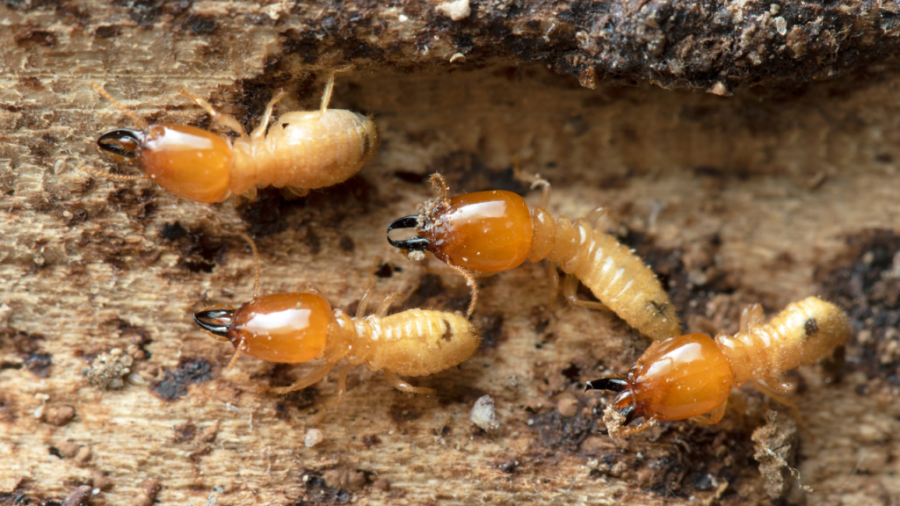
Termites are among the most destructive pests that can invade your home, often causing extensive damage before being noticed. Regular termite inspections by professionals are crucial to protect your property. If you’re searching for “termite inspectors near me,” this guide will help you understand what to expect during an inspection and how to keep termites at bay.
What To Know About Termite Inspectors
Do Termite Inspectors Come Inside?
Yes, termite inspectors often examine the interior and exterior of your home. While termites can cause visible damage outside, their most devastating effects occur within walls, ceilings, and other structural elements, making it necessary to inspect inside. Inspectors will check basements, crawl spaces, and attics, as these areas are prone to termite activity.
How Is a Termite Inspection Done?
- Exterior Examination: Inspectors will start by walking around the outside of your home to identify potential entry points. They’ll look for mud tubes, damaged wood, and other signs of termites near the foundation, siding, or wood piles.
- Interior Check: Inside your home, inspectors will look for hollow-sounding wood, blistered paint, or other indications of hidden termite activity. They’ll inspect baseboards, door frames, and wood furniture for subtle clues.
- Moisture Levels: Termites thrive in moist environments. Inspectors often use moisture meters to detect high levels of humidity in walls and crawl spaces.
- Termite Identification: If termite activity is found, inspectors will identify the type of termite—such as subterranean or drywood termites—since different species require specific treatments.
- Damage Assessment: Termite damage is often difficult to spot early. Inspectors evaluate the extent of damage to determine if repairs are needed alongside treatment.
Signs of Termites Inspectors Look For
- Mud Tubes: These pencil-sized tubes are used by subterranean termites to travel between their nest and food sources.
- Discarded Wings: A sign of swarming termites, often found near windowsills or doors.
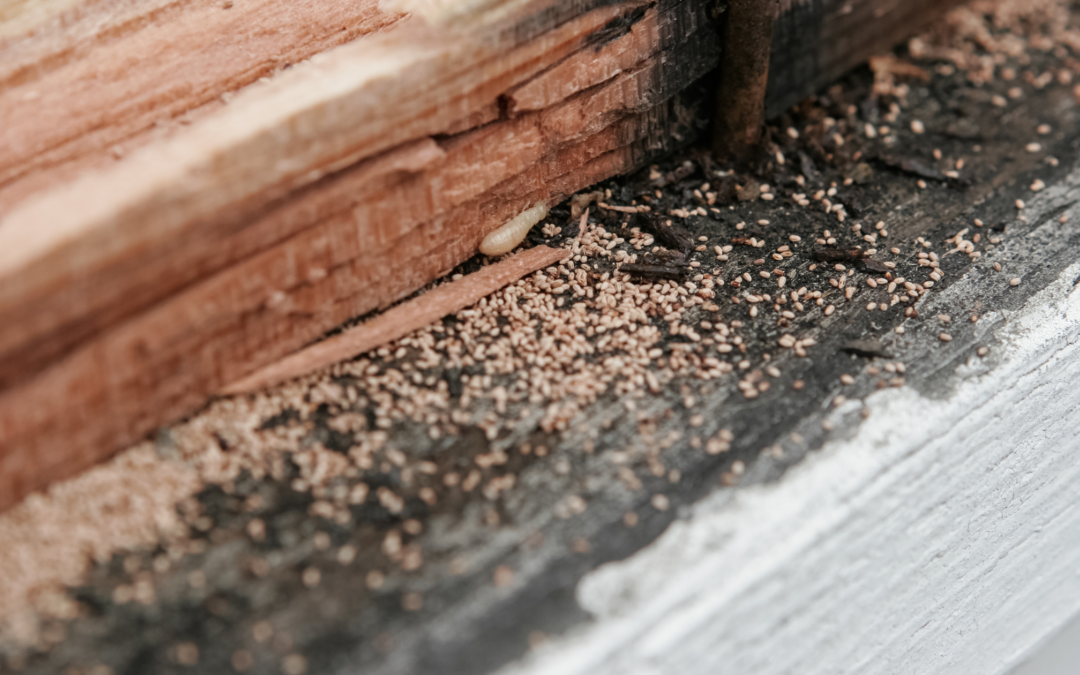
- Frass: Termite droppings that resemble wood shavings or sawdust.
- Hollow-Sounding Wood: Tap wood surfaces to detect hollowness, a common indicator of termite infestations.
- Structural Damage: Cracks in walls, sagging floors, and damaged wood may point to termite problems.
Termite Treatments and Control
If termites are detected, your pest control company may recommend the following treatments:
- Bait Systems: These attract termites and deliver a slow-acting poison that eliminates the colony.
- Liquid Treatments: A chemical barrier is applied to the soil around your home to prevent termites from entering.
- Fumigation: For severe infestations, this method eliminates all termites in the structure.
Prevention Tips to Keep Termites Away
- Reduce Moisture: Fix leaks and ensure proper drainage to reduce the humidity termites need to survive.
- Remove Wood Debris: Keep firewood, mulch, and wooden debris away from your home’s foundation.
- Seal Entry Points: Inspect your home for cracks in the foundation or gaps in siding and seal them promptly.
- Schedule Regular Inspections: Professional termite inspections help catch termite activity before it becomes a full-blown infestation.
Inspection Cost
The cost of a termite inspection varies based on factors such as your home’s size and location. Many pest control companies offer free inspections or bundle the cost with treatment plans. Be sure to inquire about pricing when scheduling.
Protect Your Home with Professional Termite Control
Termite infestations can be devastating, but routine inspections by qualified termite inspectors ensure your property stays safe. If you’re worried about “termite infestation” or “termite damage,” don’t wait until the problem worsens. Contact a reliable pest control company to inspect your home and provide effective solutions.
For trusted termite control services in Georgia, request an inspection today!
Dec 19, 2024 | Company News
At Northwest, we’re all about recognizing the hard work and dedication of our extraordinary teammates, and this year we’re thrilled to celebrate Chad Gilbert, who has been named PCT’s 2024 Residential Teammate of the Year! We sat down with Chad to ask him a few questions about this honor, his journey at Northwest, and his advice for others. Here’s what he had to say!
How did you feel when you found out that you won PCT’s Residential Teammate of the Year award?
Chad: I was honestly very surprised and shocked! It felt really good that Northwest recognized me and took the time to send my application to represent the company and team. I’ve always looked to give my best at everything I do, but I never expected to be highlighted like this.
What made you choose to be a part of Northwest initially?
Chad: I was looking for a company that genuinely cares about their people. At Northwest, it’s not just about getting the job done. It’s about growing with each other and making sure everyone feels valued, both teammates and customers. Northwest’s vision for growth has always been a big factor for me too, there’s always room to learn and enhance in my role. Northwest offers that, and I’m grateful to be here.
What is your favorite Northwest Service Standard and why?
Chad: Definitely Customers First. Our customers count on us to deliver extraordinary service every single day. If we didn’t have them, Northwest wouldn’t be here, plain and simple. Customers First standard also honors our teammates too – because delivering extraordinary service takes extraordinary people to keep Customers for Life. When you put customers first, you’re also lifting everyone on the team to do what’s right.
What advice would you give others looking to join our industry?
Chad: I’d say, treat everyone the way you want to be treated, whether it’s customers, teammates, or anyone you interact with. This industry is all about relationships, so kindness and respect go a long way. Also, don’t get comfortable in one position, keep pushing yourself to grow. Growth might be uncomfortable at times, but that’s where you can find strength.
Outside of work, what do you enjoy doing?
Chad: I love attending festivals and cosplay conventions – it’s a great way to unwind and meet people with similar interests! I also film videos for my friend’s tribute bands, which is a fun creative outlet for me. It’s different from what I do day-to-day, and it gives me a chance to be involved in something artistic and community focused.
Where do you see yourself in the next five years?
Chad: I’d like to step into a safety role within quality assurance. I really enjoy helping people and making sure everyone has the tools they need to do their best work, all while being safe for their team, family, and community. I would love the opportunity to support teammates, encouraging them and supporting their growth so they too can find a path and home at Northwest.
Chad’s dedication to his work, team, and community truly exemplifies what it means to be a Northwest teammate. Congratulations again, Chad, and thank you for all that you do to make Northwest a place of extraordinary service and opportunity!
Dec 19, 2024 | Good Deed Team
This holiday season, our Northwest family came together to make spirits bright for the children at Atlanta Inner City Ministry. Teammates from our Jasper and Commercial Pest – Tucker service centers, and Team Support Center teammates partnered with AIM Atlanta to serve breakfast for dinner, cookies, hot chocolate, and smiles to over 50 kids in our community. It was a joyful experience filled with connection, laughter, and plenty of holiday cheer.
Our Good Deed Team Co-Director, Kristen, led the charge in cookie decorating. While our other Co-Director, Greg, worked on making sure the breakfast for dinner hit all the marks. With a warm cup of hot chocolate in hand and holiday music in the background, the kids enjoyed every moment, creating memories they’ll cherish for years to come.
We’re grateful to AIM Atlanta for allowing us to be a part of such a special evening. At Northwest, we believe that giving back is at the heart of what we do, and this event was a reminder of the power of small acts of kindness. To everyone who participated—thank you for showing the true spirit of the season!