Oct 29, 2024 | Florida Mosquito Control
Living in Pompano Beach means enjoying sunny days and warm evenings, but it also means dealing with mosquitoes. If you’re still seeing these pesky pests buzzing around your property, you’re not alone! Even with efforts to control them, mosquitoes can be a consistent problem in South Florida. Let’s break down why you might still see them take over your yard and, more importantly, what you can do for mosquito reduction!
Why Mosquitoes Stick Around
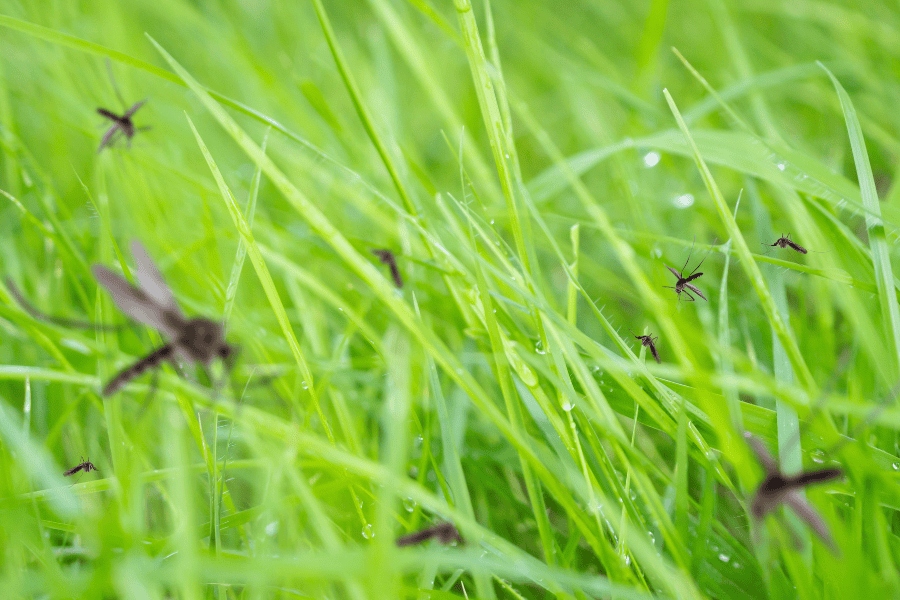
Mosquitoes thrive in warm, humid environments like Pompano. If you have even the smallest amounts of standing water or lush greenery, you may be giving them the perfect breeding ground. It’s easy to miss places where water collects, like in plant saucers, clogged gutters, or even toys left outside!
Another reason they stick around? Mosquitoes are excellent at hiding during the day and coming out in the evening when it cools down, making it seem like they’re never really gone.
What You Can Do Today For Mosquito Reduction
The good news is you can take action now to help reduce the number of mosquitoes on your property.
- Check for Standing Water: Walk around your yard and look for anything that could hold water. Birdbaths, flowerpots, kiddie pools, and even bottle caps can attract mosquitoes. Dump the water, rinse it out, and look to keep these areas dry.
- Maintain Your Yard: Trim back shrubs, bushes, and tall grass where mosquitoes like to rest. A well-maintained yard not only looks great but also cuts down on mosquito hiding spots.
- Consider Mosquito Repellents: Sprays and citronella candles can help, especially when you’re spending time outdoors. For a more long-term solution, consider professional mosquito treatment options.
- Schedule Professional Mosquito Control: If you’ve done everything you can and mosquitoes are still around, it might be time for professional service. Recurring mosquito treatments create a barrier around your home, keeping mosquitoes from breeding and biting your family and pets.
Mosquito season in Pompano can feel never-ending, but with a few simple steps, you can regain control of your yard. By addressing the root causes and keeping up with treatments, you can reduce the number of mosquitoes buzzing around. If you’re still battling these pests, don’t hesitate to reach out to a local pest control company for help! These professionals will provide you with a free inspection and recommendations on the best treatment and prevention plan based on your mosquito situation.

Oct 25, 2024 | Wildlife
When it comes to pest control, most homeowners think of rodents, insects, or larger wildlife. However, one species of bird, the starling, can cause significant problems for property owners in Georgia. With their large flocks, destructive habits, and invasive nature, starlings have become a nuisance in both urban and rural areas. This blog will explore what starlings are, how to identify them, why they are considered a nuisance, and effective and legal ways to manage their presence around your home.
What Are Starlings?
Starlings, specifically the European starling (Sturnus vulgaris), are small to medium-sized birds that were introduced to North America in the late 19th century. A group of bird enthusiasts, inspired by William Shakespeare’s references to the starling, released 100 of these birds in Central Park, New York, in 1890. What followed was an ecological domino effect that resulted in the species spreading across the entire continent. Today, starlings are classified as an invasive species in the U.S., meaning they compete with native birds and wildlife for resources, often to the detriment of local ecosystems.
How to Identify Starlings
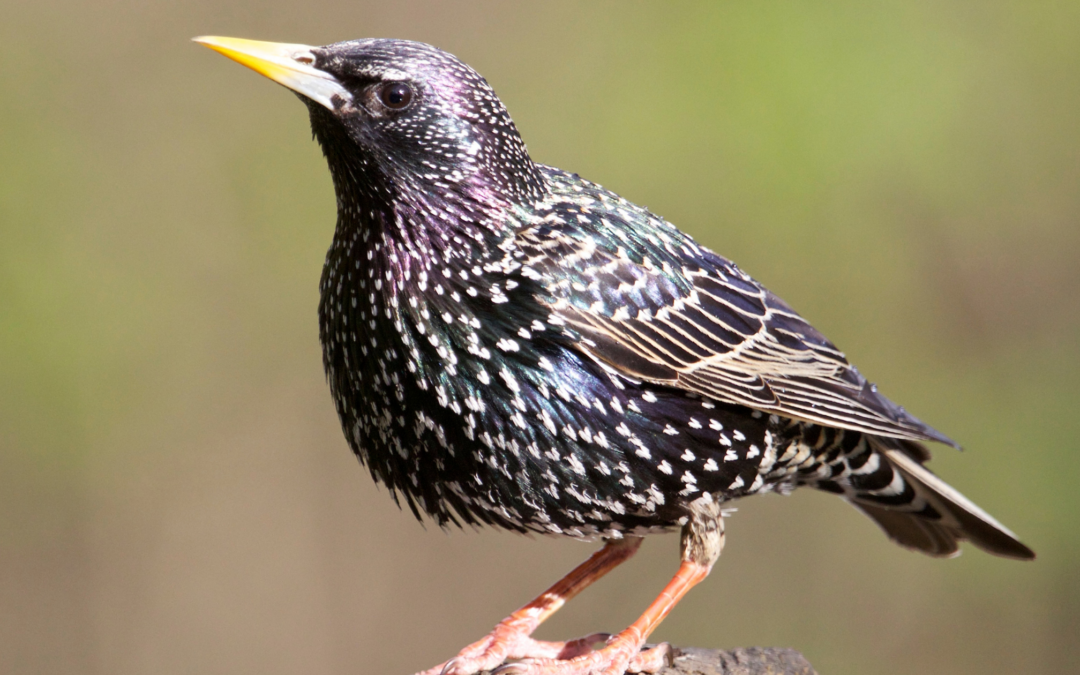
Starlings are distinctive birds, making them relatively easy to identify. They have short tails, pointed yellow beaks, and glossy black feathers that shimmer with hints of purple and green in the sunlight. During the winter months, their feathers are speckled with white spots, adding to their recognizable appearance.
They are often seen in large flocks, especially during their breeding season in the spring and early summer. They are incredibly vocal, known for their variety of chirps, whistles, and even mimicking other birds and sounds. If you notice large groups of noisy black birds swarming your yard, you’re likely dealing with these nuisance birds.
Why Are Starlings a Nuisance?
Starlings are more than just noisy birds—they can cause significant issues for homeowners and the environment. Here’s why:
- Property Damage: Starlings are cavity nesters, which means they seek out holes and crevices to build their nests. They often invade vents, gutters, and eaves of homes, sometimes clogging these systems and leading to water damage. They are known to make nests inside buildings, causing structural damage and creating fire hazards if their nesting material is placed near electrical wiring.
- Health Risks: Like other birds, starlings can carry diseases that are harmful to humans. Their droppings, which are acidic and can corrode building materials, may also harbor pathogens such as histoplasmosis, a respiratory disease. The large flocks they form can produce significant amounts of droppings, increasing the health risk for homeowners.
- Crop Damage: Starlings have a broad diet and are notorious for raiding crops. They consume fruits, vegetables, and grains, making them a major agricultural pest. In urban areas, starlings scavenge for human food, which encourages them to flock to parks, dumpsters, and residential neighborhoods.
- Competition with Native Birds: One of the biggest reasons starlings are considered a nuisance is their impact on native bird species. As an invasive species, starlings aggressively outcompete native birds like bluebirds, woodpeckers, and swallows for food and nesting sites. Their presence reduces biodiversity and harms local ecosystems.
What Do Starlings Eat?
Starlings are omnivorous, meaning they eat both plant and animal matter. Their diet includes insects, earthworms, fruits, seeds, and grains. In urban areas, starlings often scavenge for leftover human food, adding to their reputation as a nuisance in populated areas. During the breeding season, their diet shifts to more protein-rich foods like insects, which they feed to their chicks. Their adaptability in diet allows them to thrive in various habitats, from urban areas to farmlands, making them difficult to control.
How to Get Rid of Starlings
Given their ability to form large flocks and cause property damage, controlling starling populations can be challenging. Here are some effective and legal methods to reduce starling activity around your home:
Exclusion Methods
The most effective way to deal with starlings is to prevent them from entering your property in the first place. Sealing off vents, chimneys, and other potential nesting sites can stop starlings from setting up nests in your home. Installing bird netting around high-traffic areas such as attics and eaves can deter them from gaining access.
Deterrents
Starlings are known to avoid certain visual and auditory deterrents. Hanging reflective objects like aluminum foil strips or installing bird spikes on ledges can make your home less appealing. You can also use sound machines that play predator calls or distress signals to scare starlings away.
Limit Food Sources
Starlings are opportunistic feeders. Removing easy access to food by securing garbage cans, picking up fallen fruits, and using bird feeders designed to exclude starlings can reduce their presence in your yard.
Professional Wildlife Services
For more extensive infestations, contacting a wildlife control company that specializes in bird control may be necessary. These professionals can implement more advanced strategies such as trapping or relocating starlings. In some cases, they may even use chemical repellents that are safe for both the birds and your family.
Legal Considerations: The Migratory Bird Treaty Act
It’s important to note that while starlings are invasive, they are still protected under some federal laws. The Migratory Bird Treaty Act (MBTA), passed in 1918, protects many bird species from being hunted or harmed without a proper permit. However, starlings, along with other invasive species like pigeons and house sparrows, are not afforded the same protections under this law. This means that homeowners and wildlife services can legally take action to reduce starling populations on their property, as long as it is done humanely and within local regulations.
Reducing Starling Populations During Breeding Season
During the breeding season, starlings are especially active as they search for food and nesting sites. This is the time when large flocks can form, and their presence can become overwhelming for homeowners. It’s crucial to take preventive measures before the breeding season begins in the spring. By sealing entry points and removing food sources early, you can prevent starlings from making your home their nesting site.
Starlings, with their adaptability and invasive nature, can pose significant challenges for Georgia homeowners. Their large flocks, property damage, and competition with native species make them a nuisance that requires proactive control methods. By identifying these birds early and implementing exclusion and deterrent strategies, you can reduce the likelihood of a starling infestation. If your starling problem persists, contacting a professional wildlife control company that specializes in bird control can ensure the issue is managed legally and effectively.
Whether you’re dealing with starling flocks or preventing them from nesting in your home, understanding these nuisance birds and taking swift action is key to protecting your property and local wildlife.
Oct 24, 2024 | Good Deed Team
Our Commercial Pest East Cobb team partnered with the Good Deed Team to organize a school supply drive for Powers Ferry Elementary School in Marietta, GA. Understanding the importance of providing students with essential tools, both teams worked together to gather necessary supplies, including notebooks, pencils, backpacks, and art materials. This initiative aimed to show the students at Powers Ferry that their community values their education and future.
The collection process highlighted the generosity of our company and the local community. Donation stations were set up at various locations, encouraging contributions from employees, clients, and residents. The positive response quickly filled boxes with supplies, each contribution bringing us closer to our goal of supporting Powers Ferry students and teachers. The event culminated in a rewarding delivery day, where our team personally handed over the supplies, meeting the staff who expressed their gratitude.
We thank everyone who contributed to the success of this initiative, making a significant impact on young learners’ lives. As we continue serving Marietta and nearby areas, we remain dedicated to supporting local schools and reinforcing our role as a committed community partner.
Oct 24, 2024 | Good Deed Team
In response to the devastation caused by Hurricane Helene in Western North Carolina, the Northwest Exterminating Team Support Center demonstrated remarkable agility and dedication. Within a mere three days, our team rallied to collect crucial supplies, including bottled water, baby essentials, hygiene items, and non-perishable food. This swift action was driven by an unwavering commitment to support communities in need, even those outside our usual service area.
Our efforts were significantly bolstered by our partnership with the Good Deed Team, an organization known for its community support. Together, we navigated the logistical challenges to ensure that these essential resources reached the affected areas promptly. This collaboration exemplifies the true spirit of service and community, highlighting how united actions can make a substantial difference in times of crisis.
This initiative underscores our dedication to serving beyond boundaries, reinforcing the values of empathy and swift action. The success of this collection drive is a testament to the power of teamwork and community involvement, and we extend our deepest gratitude to everyone who participated in bringing aid and hope to our neighbors in Western North Carolina.
Oct 24, 2024 | Good Deed Team
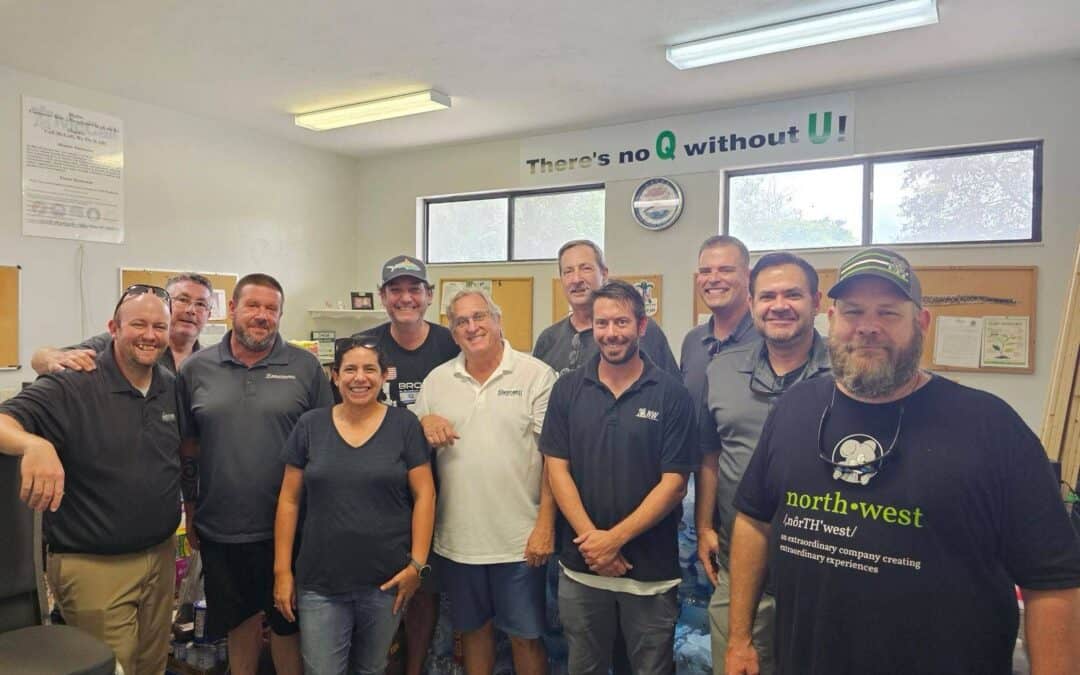
In the wake of Hurricane Helene, our Northwest South Florida team promptly coordinated efforts to deliver essential supplies to our sister brand, McCall, in Gainesville, Tallahassee, Tampa, and surrounding areas. The team gathered crucial items such as food, water, and hygiene products to address the immediate needs of those affected by the storm. Their prompt action underscored our commitment to supporting team members during emergencies.
The delivery of these supplies provided vital relief to our colleagues, ensuring they had access to the necessary resources to begin the recovery process. By focusing on essential needs, the team played a key role in helping to stabilize the situation for those impacted by Hurricane Helene. This effort demonstrated the strength and resilience within our organization, highlighting our readiness to respond in times of crisis.
The impact of the South Florida team’s support extended beyond material aid, fostering a sense of unity and reassurance among the affected communities. Through their decisive actions, they not only fulfilled immediate needs but also reinforced the importance of community support, showcasing our commitment to standing by one another through challenging times.