Dec 22, 2025 | Florida Green Pest Control
The holiday season in Bonita Springs is a time for enjoying mild weather and festive gatherings, not for worrying about unwanted pests. While much of the country deals with snow, our pleasant climate means many insects and rodents remain active. As you prepare your home for guests and celebrations, it’s important to remember that pests are also looking for shelter and food. For homeowners who prefer environmentally responsible solutions, keeping your home pest-free does not require the use of harsh chemicals. This guide provides practical, eco-friendly strategies to help you protect your Bonita Springs home this December. By focusing on prevention and exclusion, you can ensure your holidays remain comfortable and uninterrupted by pests.
Why Pests Remain Active in a Bonita Springs Winter
Florida’s subtropical climate is a key reason pests are a year-round concern. While our December weather might be cooler, it is rarely cold enough to cause insects or rodents to hibernate or die off. Instead, the slight drop in temperature and changes in outdoor conditions drive them to seek more stable environments. Your home offers the warmth, moisture, and food sources they need to thrive.
Common Holiday Intruders
During the winter months, Bonita Springs homeowners often see an increase in specific pests moving indoors:
- Ants: Various species, including ghost ants and carpenter ants, will forage inside for food and water, often finding their way to your kitchen.
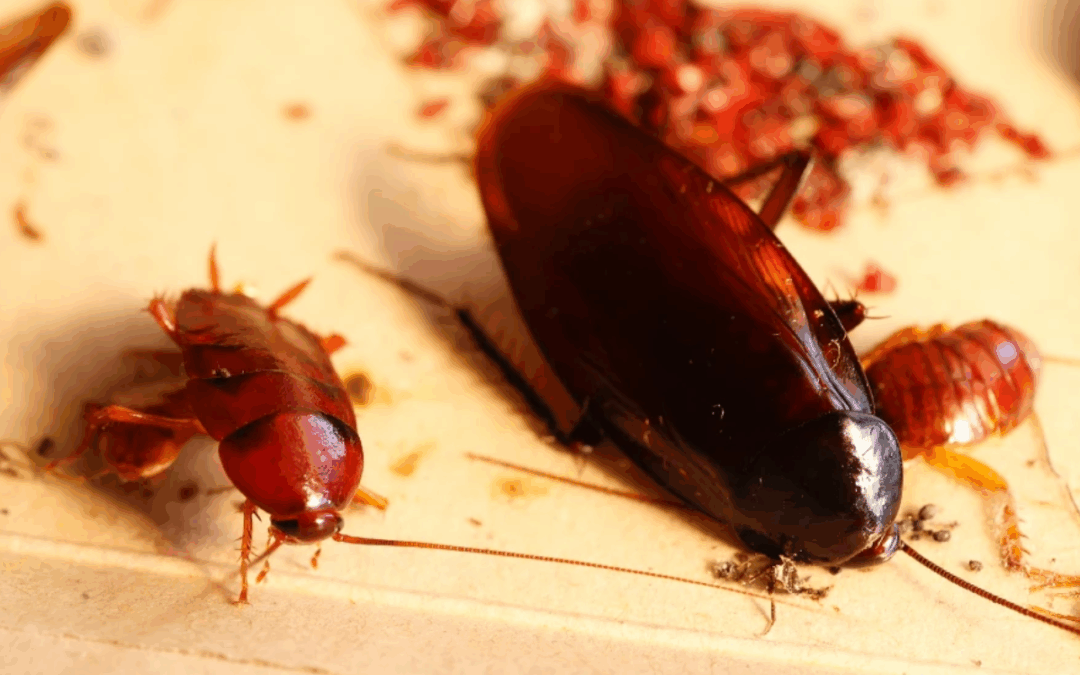
- Cockroaches: A persistent issue in Florida, cockroaches are driven indoors more frequently as they search for warmth and moisture.
- Rodents: Mice and rats seek shelter from cooler nights and can easily find their way into attics, garages, and wall voids.
- Spiders: These pests often follow other insects indoors, setting up webs in quiet, undisturbed areas of the home.
The Advantages of Eco-Friendly Strategies for Pest Control
Choosing an eco-friendly pest control approach focuses on long-term prevention by understanding pest behavior and making your environment less inviting to them—delivering effective, sustainable results that protect your family, pets, and the planet.
Practical Green Pest Prevention for Your Home
You can take several effective, chemical-free steps to fortify your home against pests this holiday season.
Fortify Your Home’s Exterior
The most effective eco-friendly strategy is exclusion—blocking pests before they can get inside.
- Seal Cracks and Gaps: Carefully inspect your home’s foundation, walls, and roofline for any openings. Use caulk to fill small cracks and steel wool combined with sealant for larger holes to deter rodents.
- Secure Doors and Windows: Install weather stripping around doors and windows to eliminate gaps. Check that all window and door screens are in good repair.
- Cover Vents: Use durable mesh to cover vents, soffits, and chimney openings to block a common entry route for rodents and other wildlife.
Remove Indoor Attractants
Pests enter your home looking for resources. By limiting their access to food and water, you make your home less appealing.
- Practice Clean Kitchen Habits: Store all food, including holiday treats and pet food, in airtight containers. Clean up crumbs and spills right away.
- Manage Waste Properly: Use trash cans with tight-fitting lids and empty them regularly. Rinse food residue from recycling items.
- Control Moisture: Repair any leaky faucets, pipes, or appliances. Ensure bathrooms and laundry areas are properly ventilated to reduce humidity, which attracts pests like cockroaches and earwigs.
Maintain Your Landscaping
The area immediately surrounding your home can either invite or deter pests.
- Trim Vegetation: Cut back tree limbs, shrubs, and vines so they don’t touch your house. These can act as bridges for ants and rodents.
- Clear Debris: Rake leaves, clear away woodpiles, and remove other yard debris where pests can hide. Store firewood on a raised platform at least 20 feet from your home.
When to Seek Professional Assistance
While these preventative measures are highly effective, an established infestation may require more direct intervention. If you continue to see pests despite your best efforts, consulting a professional is the next step in your eco-friendly strategies for pest control.
Dec 16, 2025 | Commercial, Commercial Pest Control
December brings unique challenges for business owners. As temperatures drop, rodents like mice and rats move indoors in search of warmth and food, making commercial spaces a prime target for infestations. When signs of activity appear, the question quickly becomes: handle it yourself or call a professional commercial exterminator?
For businesses, pest issues are more than a nuisance — they threaten reputation, operations, and compliance. Choosing between DIY methods and professional pest control services is an important decision.
Understanding the Stakes for Your Business
A rodent problem in a commercial setting can impact customers, employees, and your brand image. Rodents contaminate inventory, damage wiring and structures, and create unsanitary conditions. In industries like food service, hospitality, and healthcare, even one sighting can lead to failed inspections, bad reviews, and lost trust.
The DIY Pest Control Approach
Many business owners start with DIY methods, such as traps or baits, for a quick and inexpensive fix. While this can offer short-term relief, there are clear limitations.
Potential Positives
- Lower Upfront Cost: Retail traps and baits cost less initially than hiring a service.
- Immediate Action: You can respond right away without scheduling a visit.
Key Drawbacks
- Limited Effectiveness: DIY tools rarely solve larger infestations hidden in walls, ceilings, or equipment.
- Misidentification: Using the wrong product for the pest wastes time and money.
- No Root Cause Solution: Without sealing entry points, new rodents will continue to enter.
- Improper Use: Incorrect placement or handling can make traps ineffective and create new issues.
The Professional Commercial Exterminator Approach
A licensed commercial exterminator offers a strategic, long-term solution tailored to your business.
Benefits of Professional Service
- Expertise: Technicians are trained in rodent biology and behavior, allowing for targeted, effective treatment.
- Comprehensive Inspections: Pros identify current infestations, entry points, and contributing conditions.
- Custom Plans: Integrated Pest Management (IPM) programs combine exclusion, sanitation, and targeted applications for lasting prevention.
- Compliance & Documentation: Detailed reports and records support health inspections and regulatory requirements.
Making the Right Choice for Your Business
DIY solutions may seem cost-effective, but they often provide only temporary relief. A professional commercial exterminator delivers the expertise, strategy, and documentation needed to protect your business long-term.
Don’t let a winter rodent issue threaten your operation or reputation. Schedule a professional inspection this December and keep your business protected year-round with commercial pest control services.
Dec 15, 2025 | Florida Termite Control
December in Naples brings beautiful weather and festive holiday preparations. While many people believe that pests become less of a concern during the cooler months, termites are one threat that never takes a day off. Florida’s mild climate allows these destructive insects to remain active year-round, silently putting your property at risk even as you decorate for the holidays. For homeowners, understanding that termites don’t hibernate is crucial for protecting your most valuable asset. The arrival of winter does not mean your home is out of danger. This guide will explain why termite activity persists in December and outline the essential defensive strategies you can implement to protect your Naples home.
Why Termites Remain Active in Naples During Winter
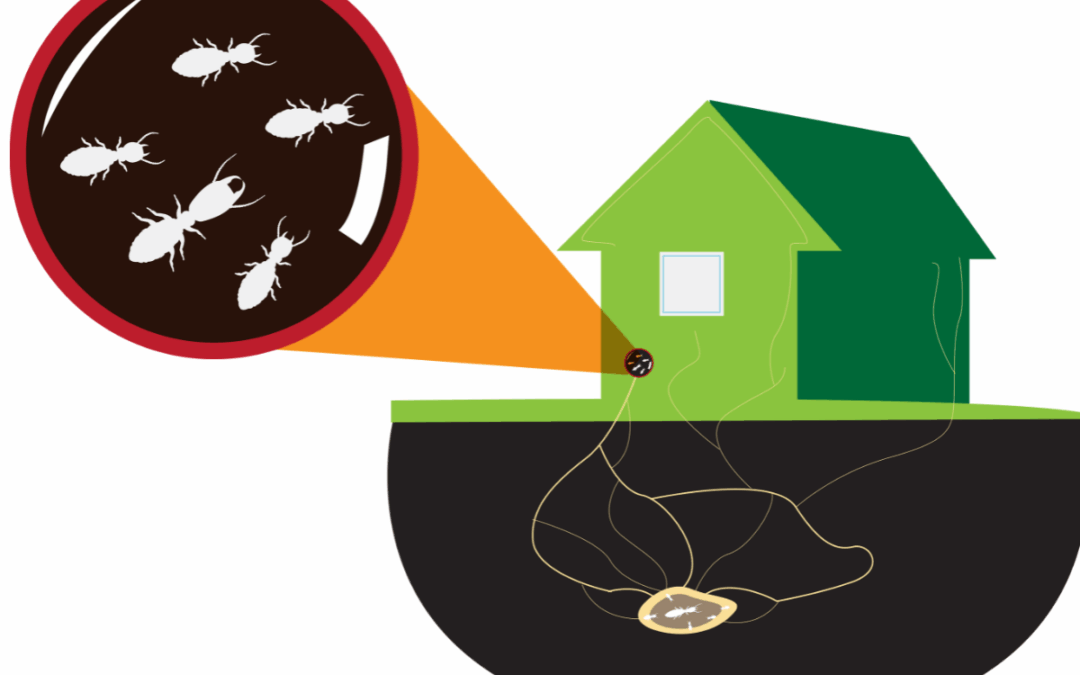
Unlike in colder climates where insects die off or go dormant, the subtropical environment of Naples provides ideal conditions for termites to thrive throughout the year. Subterranean termites, the most common type in this region, build their colonies deep underground where they are insulated from minor temperature fluctuations.
Consistent Temperature and Humidity
The soil in South Florida remains warm and moist enough for termites to continue foraging, feeding, and expanding their colonies. They are not exposed to the harsh freezes that would force them into inactivity. Your home’s structure provides a consistent, climate-controlled environment, offering them a perfect place to find food and shelter from any slight temperature drops.
An Uninterrupted Food Source
Termites feed on cellulose, the primary component of wood. Your home’s wooden framework, from the foundation to the roof trusses, represents an endless buffet. Because their food source is readily available and protected from the elements, their destructive habits continue unabated through every season.
The Risks of a Year-Round Termite Presence
A termite infestation is one of the most significant threats a homeowner can face. The damage they cause is often gradual and hidden from view, making it difficult to detect until it becomes severe.
Structural Damage
Termites eat wood from the inside out, hollowing out support beams, floor joists, and wall studs. Over time, this can compromise the structural integrity of your home, leading to sagging floors, warped walls, and weakened foundations. This damage can be incredibly expensive to repair and is typically not covered by homeowner’s insurance.
Hidden Destruction
Because termites operate behind walls and underground, an infestation can go unnoticed for years. By the time visible signs appear—such as mud tubes on the foundation, discarded wings, or wood that sounds hollow when tapped—extensive damage may have already occurred.
Your December Defense Plan Against Termite Activity: Proactive Prevention
The most effective way to combat termites is through prevention. By making your home less appealing to these pests, you can significantly reduce the risk of an infestation.
Eliminate Moisture Sources
Termites require moisture to survive. Reducing excess water around your property is a critical step in termite defense.
- Repair any leaky faucets, pipes, and air conditioning units.
- Ensure gutters and downspouts are clean and direct water away from the foundation.
- Grade the soil around your home so that it slopes away from the structure.
Remove Wood-to-Ground Contact
Termites can easily access your home through any wood that touches the ground.
- Store firewood, lumber, and other wood debris on a raised structure at least 20 feet away from your house.
- Keep mulch and other landscaping materials pulled back several inches from the foundation.
- Trim shrubs and tree branches so they do not touch the siding or roof.
Seal Entry Points
Even small openings can provide termites with access to your home.
- Seal any cracks or gaps in your foundation.
- Fill openings around utility lines and pipes that enter the house.
While these preventative measures are helpful, the only certain way to identify and manage a termite problem is with professional assistance. If you have not had a recent termite inspection, December is an excellent time to schedule one.
A trained pest control expert can conduct a thorough inspection of your property to detect any signs of termite activity. They can identify vulnerabilities and recommend a tailored prevention and treatment plan to address your home’s specific needs. Contact a professional termite control service today to schedule an inspection and ensure your Naples home is protected from termites this holiday season and beyond.
Dec 9, 2025 | Pest Control
Winter in Savannah brings cooler temperatures and a break from the summer heat, but not from pest activity. Because the area’s winters are mild, many pests remain active — often moving indoors in search of warmth, food, and shelter. Rodents, cockroaches, and spiders are among the most common intruders this time of year. Understanding which common winter pests stay active and how to keep them out is the first step to protecting your home all season long.
Why Pests Seek Shelter in Winter
Even a subtle drop in temperature can signal a significant change for pests. As their natural outdoor habitats become less hospitable, your home offers an ideal alternative with stable temperatures, moisture, and a consistent supply of food. This instinctive drive for survival is what leads to an increase in indoor pest sightings during the winter months. These pests can enter through the smallest of openings, turning your home into their winter retreat.
Rodents: Mice and Rats
House mice and roof rats are two of the most common pests to invade Savannah homes in winter. They are intelligent and resourceful, capable of squeezing through tiny cracks and holes to gain entry.
- Behavior: Once inside, rodents establish nests in dark, secluded areas like attics, basements, wall voids, and behind large appliances. They are nocturnal, so you may hear scratching or scurrying sounds at night before you ever see a mouse or rat.
- Risks: Rodents pose a considerable risk to property and well-being. They must constantly gnaw to keep their incisors short, leading them to chew through electrical wiring, drywall, and plastic pipes, which can create fire hazards and cause leaks. They also contaminate food and surfaces with their droppings and urine.
Cockroaches
Cockroaches are a year-round problem in Georgia, but their indoor presence can become more noticeable in winter. Species like the American cockroach and the German cockroach are experts at finding their way inside.
- Behavior: Cockroaches are drawn to moisture and food. They often hide in kitchens, bathrooms, laundry rooms, and basements. They thrive in cluttered areas and can reproduce quickly, allowing a small problem to become a major infestation in a short amount of time.
- Risks: Cockroaches can spread germs and bacteria across your home. Their shed skins, droppings, and saliva contain proteins that are known to trigger allergies and asthma symptoms, especially in children and sensitive individuals.
Spiders
Spiders are not typically winter pests, but they often follow their food source—other insects—indoors. If you see an increase in spiders, it could be a sign of another underlying pest issue.
- Behavior: Spiders prefer quiet, undisturbed areas to build their webs, such as corners, closets, basements, and attics. While most common house spiders are not aggressive, their presence and webs can be a nuisance.
- Risks: The primary concern with spiders is their webs and the unsettling feeling of sharing your home with them. Their presence often indicates that other pests are available as a food source within your home.
Effective Winter Pest Prevention Strategies
A proactive approach is the best way to maintain a pest-free home. Focusing on exclusion and sanitation can make your property far less appealing to these unwanted winter guests.
Seal Entry Points
Carefully inspect your home’s exterior for any gaps or openings that pests could use to get inside.
- Fill cracks in the foundation and around windows with caulk.
- Use steel wool to seal holes around pipes and utility lines, as rodents cannot chew through it.
- Install weather stripping on doors and windows to create a tight seal.
Eliminate Attractants
Remove the food, water, and shelter that pests are searching for.
- Store all food, including pet food, in airtight containers.
- Clean up crumbs and spills immediately and avoid leaving dirty dishes in the sink.
- Fix leaky faucets and pipes to reduce moisture.
- Keep your home, especially storage areas like basements and attics, clean and clutter-free.
When Professional Help Is Needed
While these prevention methods are effective, an established pest population can be difficult to manage on your own. If you see signs of infestation, such as droppings, gnaw marks, or the pests themselves, it is time to consult a pest control professional to ensure your Savannah home remains a comfortable, pest-free space this winter.
Dec 8, 2025 | Florida Pest Control
November in Miami brings cooler weather, but it also drives smokybrown cockroaches indoors. Unlike other roaches, these large, winged pests aren’t attracted to filth—they’re seeking shelter for the cooler months. This guide explains how to identify them, why they move inside in November, and how to keep your home roach-free.
Getting to Know the Smokybrown Cockroach
The Smokybrown cockroach (Periplaneta fuliginosa) is a large species, typically measuring over an inch long. They are a uniform, shiny mahogany or black color and have fully developed wings that extend beyond their bodies. While they are strong fliers, they are often more attracted to light than other roach species.
These roaches are outdoor dwellers by nature. They thrive in warm, humid environments and are commonly found in areas with plenty of moisture and organic matter, such as:
- Mulch and leaf litter
- Tree holes and stumps
- Greenhouses and planters
- Gutters filled with debris
Unlike German cockroaches, which infest kitchens and bathrooms in search of crumbs, Smokybrowns need a high degree of humidity to survive and will dehydrate quickly without it.
Why Are They Invading Miami Homes in December?
As the season changes, so do the living conditions for Smokybrown cockroaches. Even the subtle temperature drop and drier air of a Miami November can be enough to drive them indoors in search of a more stable environment.
A Need for Moisture
The primary driver for a Smokybrown cockroach invasion is moisture. As the air becomes less humid, these roaches will migrate toward areas that can provide the dampness they require. Your home may offer several attractive spots, including basements, crawlspaces, laundry rooms, and bathrooms.
Shelter from the Elements
Your home provides protection from cooler temperatures and predators. Smokybrowns will exploit any available opening to gain access, often hiding in attics, wall voids, or behind cabinets where they can remain undisturbed.
The Issues with a Smokybrown Infestation
While a single roach might seem like a minor issue, their presence can indicate a larger problem. You should not have to share your living space with these pests.
- Contamination: Cockroaches walk across a variety of surfaces, including garbage and decaying matter, before crawling over your countertops, dishes, and food preparation areas. This can lead to the spread of germs throughout your home.
- Allergens: Cockroach droppings, saliva, and shed skins contain proteins that can trigger allergic reactions and asthma attacks, particularly in sensitive individuals and children.
- A Sign of a Larger Problem: Seeing Smokybrowns indoors often points to a moisture issue or an unsealed entry point that could allow other pests to enter as well.
How to Prevent an Indoor Invasion
Proactive prevention is the most effective way to keep Smokybrown cockroaches out of your home. The focus should be on exclusion and reducing moisture.
Seal Your Home’s Exterior
Conduct a thorough inspection of your property and seal any potential entry points.
- Fill cracks in the foundation and gaps around pipes with caulk or sealant.
- Install weather stripping on doors and windows to ensure a tight fit.
- Repair or replace damaged screens.
- Cover attic vents and other openings with fine mesh.
Reduce Moisture Levels
Make your home less attractive by controlling humidity.
- Fix leaky faucets, pipes, and drains immediately.
- Ensure crawlspaces and attics are properly ventilated.
- Use dehumidifiers in damp areas like basements.
- Keep gutters clean and ensure they direct water away from the foundation.
Maintain Your Yard
Since these roaches live outdoors, managing your landscape is key.
- Keep mulch and pine straw at least a foot away from your home’s foundation.
- Clear away leaf litter, woodpiles, and other organic debris.
- Trim tree branches and shrubs so they do not touch the house.
Don’t let these sneaky invaders disrupt your holiday season. Contact a pest control professional to schedule an inspection and ensure your Miami home remains a comfortable, pest-free environment.