Aug 23, 2024 | DIY Wildlife Prevention, Wildlife
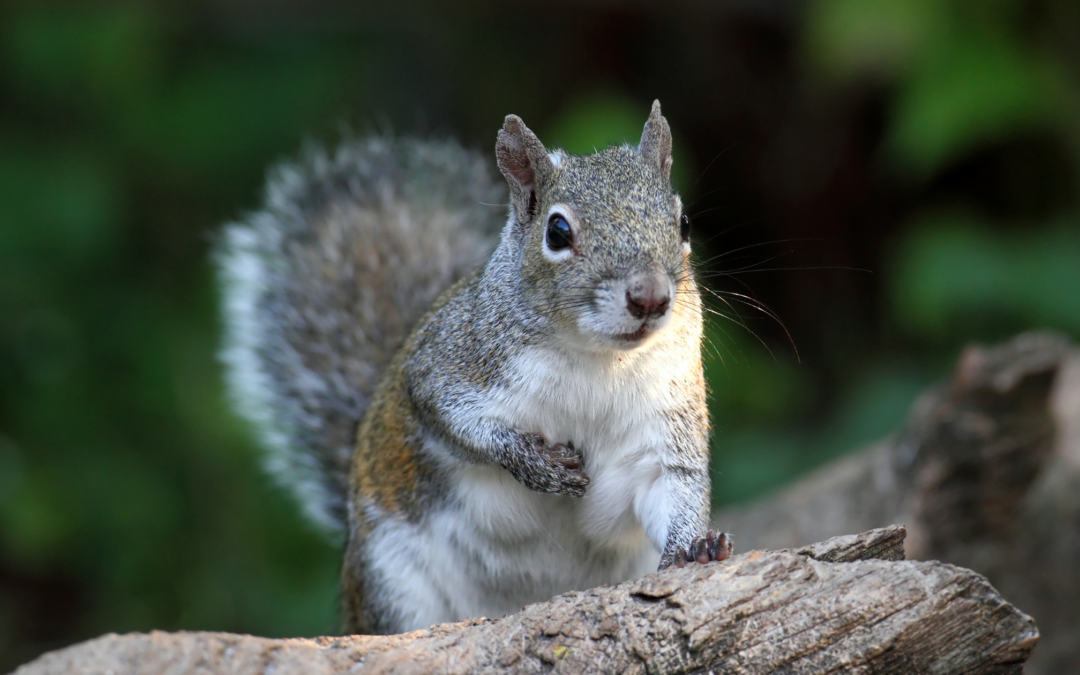
Squirrels are a common sight in Georgia, often seen scampering through trees and parks. While they can be charming to watch, these bushy-tailed rodents can become a significant nuisance when they invade your home and yard. This blog will discuss the common types of squirrels in Georgia, the hazards they pose, and effective squirrel control methods to deter them. We will also provide tips on what to do if you find a squirrel inside your home.
Common Types of Squirrels in Georgia
Georgia is home to several species of squirrels, but the most common types that homeowners encounter are the Eastern Gray Squirrel, the Fox Squirrel, and the Southern Flying Squirrel.
- Eastern Gray Squirrel: These are the most prevalent squirrels in Georgia. They are easily recognizable by their gray fur and bushy tails. They are active during the day and are often found in both urban and rural areas.
- Fox Squirrel: Larger than the Eastern Gray Squirrel, Fox Squirrels have a mix of gray, brown, and orange fur. They are less common but are known to inhabit areas with large trees and open spaces.
- Southern Flying Squirrel: These small, nocturnal squirrels are less commonly seen due to their nighttime activity. They have a unique membrane that allows them to glide between trees. Despite their name, they don’t actually fly.
Hazards Posed by Squirrels
While squirrels may seem harmless, they can cause a range of problems for homeowners:
- Structural Damage: Squirrels are notorious chewers. They can gnaw through wooden structures, insulation, and even electrical wiring, which can pose a fire hazard. They often enter homes through vulnerable spots like attics, eaves, and vents.
- Garden and Yard Damage: Squirrels love to dig, which can lead to damage in gardens and lawns. They may uproot plants and bulbs, and their constant foraging can create unsightly holes in your yard.
- Health Risks: Squirrels can carry diseases and parasites, such as fleas and ticks, which can spread to humans and pets. Additionally, their droppings can harbor harmful pathogens.
What to Do If You Find a Squirrel Inside Your Home
Discovering a squirrel inside your home can be startling. Here’s what you should do:
- Stay Calm: Squirrels are likely more scared of you than you are of them. Avoid startling the animal, as it may cause it to panic and injure itself or cause damage.
- Isolate the Squirrel: If possible, close off the room where the squirrel is located to prevent it from roaming further into your home.
- Provide an Exit: Open a window or door to allow the squirrel an easy escape route. Leave the room and give it time to find its way out.
- Call a Professional: If the squirrel doesn’t leave on its own or if it’s trapped in an inaccessible area, contact a wildlife control company for safe and humane removal.
Tips to Prevent Squirrels from Entering Your Home and Yard
Preventing a squirrel infestation is much easier than dealing with one. Here are some effective strategies for squirrel control:
- Seal Entry Points: Inspect your home for any potential entry points, such as gaps in the roof, vents, and chimneys. Use materials like metal mesh or hardware cloth to seal these openings, as squirrels can chew through softer materials.
- Trim Tree Branches: Squirrels often access roofs and attics via overhanging tree branches. Trim branches that are close to your home to prevent easy access.
- Secure Food Sources: Squirrels are attracted to easily accessible food sources. Keep bird feeders away from your home and use squirrel-proof feeders. Secure trash cans with tight-fitting lids and avoid leaving pet food outside.
- Protect Your Garden: Use fencing or netting to protect gardens and flower beds. You can also plant squirrel-repellent plants like daffodils and alliums, which squirrels tend to avoid.
- Use Squirrel Traps: If you’re dealing with a persistent squirrel problem, consider using live traps to capture and relocate them. Make sure to follow local regulations and guidelines for humane wildlife removal.
- Install Squirrel Deterrents: Devices like motion-activated sprinklers and ultrasonic repellents can help deter squirrels from your property. These tools are especially useful in gardens and yards.
- Keep Your Attic Clean: Squirrels often nest in attics. Regularly clean and declutter your attic space, and store items in sealed containers to make it less attractive to these rodents.
Why Professional Squirrel Removal is Important
While DIY methods can be effective for minor squirrel issues, professional wildlife control services are recommended for larger infestations or if the squirrels have caused significant damage. Wildlife control companies have the expertise and equipment to safely and humanely remove squirrels from your home. They can also provide advice on preventing future infestations and repair any damage caused by the animals.
If you’re facing a squirrel problem, don’t hesitate to search for “squirrel removal near me” to find a reliable wildlife control company in Georgia. Professional services ensure that the job is done thoroughly and humanely, providing peace of mind and a squirrel-free home.
Squirrels, while fascinating creatures, can become problematic when they invade our homes and yards. By understanding the common types of squirrels in Georgia and the potential hazards they pose, homeowners can take proactive steps to prevent infestations. Remember, effective squirrel pest control involves a combination of exclusion, deterrents, and, if necessary, professional wildlife removal. Keep your home safe and secure by addressing any signs of squirrel activity promptly and maintaining preventive measures year-round.

Aug 22, 2024 | DIY Pest Control, Florida Pest Control
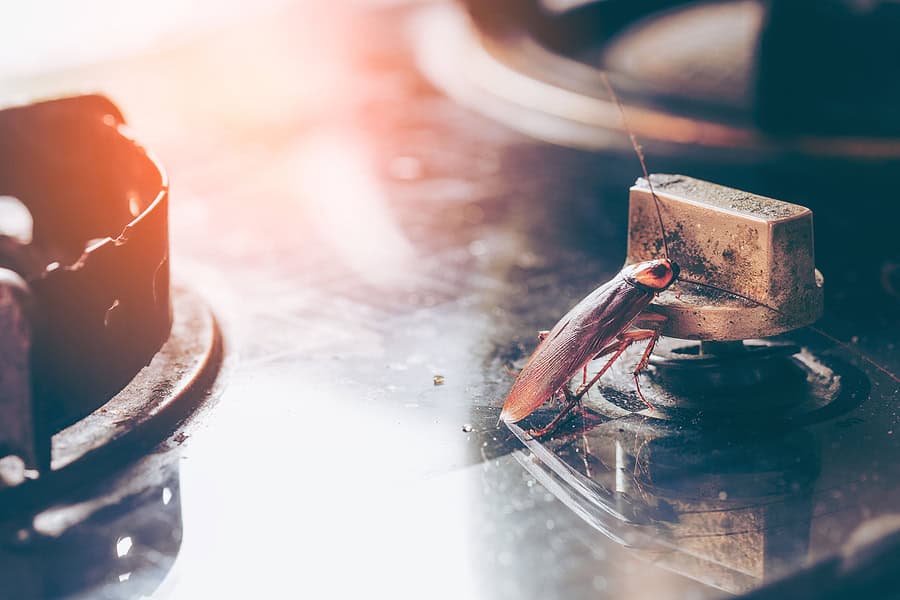
Roaches are resistant and highly adaptable pests, skilled at finding their way indoors and multiplying quickly to create an infestation in your home! One of the best ways you can keep a roach-free home is implementing some effective DIY prevention measures! Let’s review the reasons roaches infest and the ways you can deter them from your home.
How to Keep A Roach-Free Home
What Attracts Roaches?
There are several, everyday factors that will attract roaches inside your home, including:
- Food Sources: Cockroaches are drawn to any food source they can find. Crumbs, spills, and even pet food can attract them. They are also known to prefer sugary and starchy foods too.
- Water: To survive, roaches need water and will go looking for it in our kitchens, bathrooms, and crawlspaces. These pests only need a small amount, making leaky pipes and standing water a major attraction.
- Shelter: Roaches seek out dark warm places to hide and breed, like our storage closets. You will often find them in clutter, cardboard boxes, and pules of paper to hide.
How Can I Stop a Roach Infestation?
Roaches contaminate surfaces they touch and can trigger allergies and asthma, so stopping them before they even enter your home is important for the health of your family. Here are some easy, roach prevention tips that every Florida homeowner can utilize:
- Seal Entrances: Ensure all openings in doors, windows, and foundations are sealed. Likewise, replace old weatherstripping and make sure there are no holes in windows or screens to help stop these pests.
- Limit Moisture: Since roaches need water to survive, it’s crucial to remove any standing water throughout your property. Dripping faucets and leaky pipes will attract them inside your home, so look to repair them as soon as possible. Consider enclosing your crawlspace to ensure no moisture is found.
- Declutter Your Home: Cockroaches will find hiding places during the day, but at night emerge to seek out food and water. Decluttering and cleaning out unnecessary items in your home will help limit their hiding spaces and prevent them in the future. Remove any old newspapers, use plastic containers over cardboard, and make sure clothes are not piled on the floor.
- Tidy Your Kitchen: Your kitchen can be a paradise for roaches if it is not pest-proofed! To avoid roaches in your kitchen, clean up any spills or crumbs immediately and regularly take the trash out. When storing food in your pantry, look to use plastic or glass containers with lids on them.
While prevention can help keep cockroaches away, sometimes it’s best to get professional help! Call a pest control company near you to inspect your home and provide you with the best treatment and prevention plan to make sure you have a roach-free home.
Aug 22, 2024 | Florida Insulation
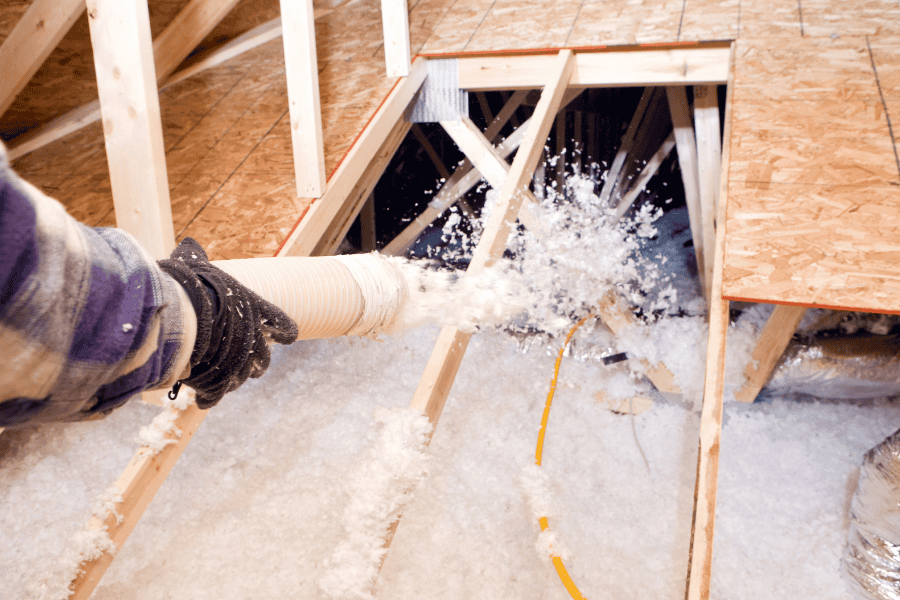
As a Florida homeowner, you know that frequent home repairs and utility bills can become costly. Summers in Florida will not only bring in unwanted pests that threaten your home, but they can also welcome an increase of energy bills with an HVAC system working overtime to cool your house. Attic insulation can be a major benefit in both saving money and a healthy home overall. Let’s review the benefits of Florida attic insulation.
Benefits of Attic Insulation in Florida
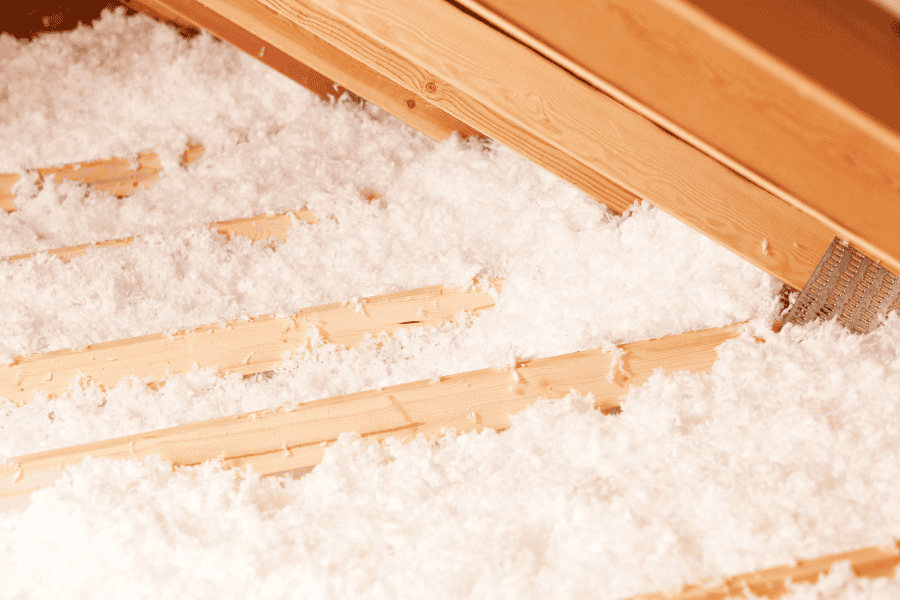
- Consistent temperatures: Installed attic insulation will create pockets that slow heat or cold air from flowing through your home, helping with uneven temperatures.
- Lower utility bills: Your HVAC won’t need to work as hard to maintain a comfortable temperature inside, creating less energy consumption and lowering your HVAC bills by 30 percent!
- Noise control: Insulation can act as a sound barrier and reduce the outside noise and create a quieter indoor environment.
- Safe home structure: Insulation can protect your home from damage caused by heat and moisture.
- Better indoor air quality: Poor insulation can allow dust, dirt, fungus, and mildew to enter your home; with newly installed insulation, you can avoid these dangers!
- Pest protection: Many insulations installed in homes are treated with borates, which can act as a natural deterrent against common household pests like ants, roaches, and silverfish.
If you’re ready to replace your attic insulation, call a pest control company near you to get a free quote!
Aug 22, 2024 | Florida Insulation
Attics can often just be looked at as a place for storage, but it can have a negative or positive impact on our entire home, depending on the state of the installed insulation! With hot and humid summers practically year-round, your attic insulation should be working to keep your home cool. If you’re visiting the thermostat more than usual, this could be a sign that your attic is poorly insulated. Let’s breakdown the importance of attic insulation in your home.
Importance of Attic Insulation
Consistent Temperatures
If your attic isn’t properly insulated, room temperatures will often fluctuate and cause you to change the thermostat. Changing your thermostat several times during the day can overwork your system and, in return, cause HVAC inefficacies. With proper attic insulation installed, it will work to keep you and your family’s overall comfort inside by keeping consistent temperatures throughout your home.
Energy Bill Savings & HVAC Repairs
A well-insulated attic should cool and heat a home to help reduce annual energy bills! When an attic is insulated, your HVAC won’t need to work as hard to regulate your home’s temperatures, so it will easily heat during the winter and cool it off during the summer. Likewise, the life of your HVAC system will extend, allowing you to avoid costly repairs and improve its overall performance.
Pest Protection
Attic insulation can act as a barrier, seal your attic, and help you avoid unwelcome guests including roaches, ants, and other pests from invading your home. Several pest control companies opt to utilize insulation that is coated in borates, which will affect pests by causing a disruption to their stomachs, affecting their nervous systems, which will often deter them away.
The importance of attic insulation in your Florida home cannot be emphasized enough. If you’re interested in replacing your home’s attic insulation, call a pest control company near you for a free inspection!
Aug 22, 2024 | Florida Insulation
Due to hot summers, air conditioning units working overtime, and Florida’s unique climate and energy demands, the decision to insulate your attic is a critical one. Let’s dig deeper into the reasons why Florida attic insulation is truly worth the investment:
The Benefits of Florida Attic Insulation:
- Energy Efficiency: Attic insulation acts as a barrier, preventing cool air from escaping and hot air from infiltrating your home, thus reducing cooling costs and enhancing energy efficiency.
- Year-Round Comfort: Proper insulation helps trap heat inside during the cooler months and prevents cold drafts, ensuring consistent comfort for you and your family.
- Moisture Control: Adequate insulation can also prevent moisture buildup, protecting your home against potential damage and moisture growth.
Deter Pests with Attic Insulation
Northwest’s attic insulation serves as a protective barrier, sealing your attic and preventing unwanted visitors such as roaches, ants, and other pests from infiltrating your living space. Certain types of insulation are even infused with boric acid, which disrupts pests’ stomachs and nervous systems, effectively deterring infestations. Additionally, outdated insulation may harbor nests and droppings, posing health risks to your family. Therefore, it’s crucial to update or replace your insulation to maintain a healthy and pest-free home environment.
From lowering energy bills and enhancing indoor comfort to reducing pest populations, the benefits far outweigh the initial investment. So, if you’re looking to make your home more energy-efficient and comfortable year-round, consider upgrading your Florida attic insulation today. Call a pest control company near you to received a free insulation quote today!