Aug 22, 2024 | Florida Insulation
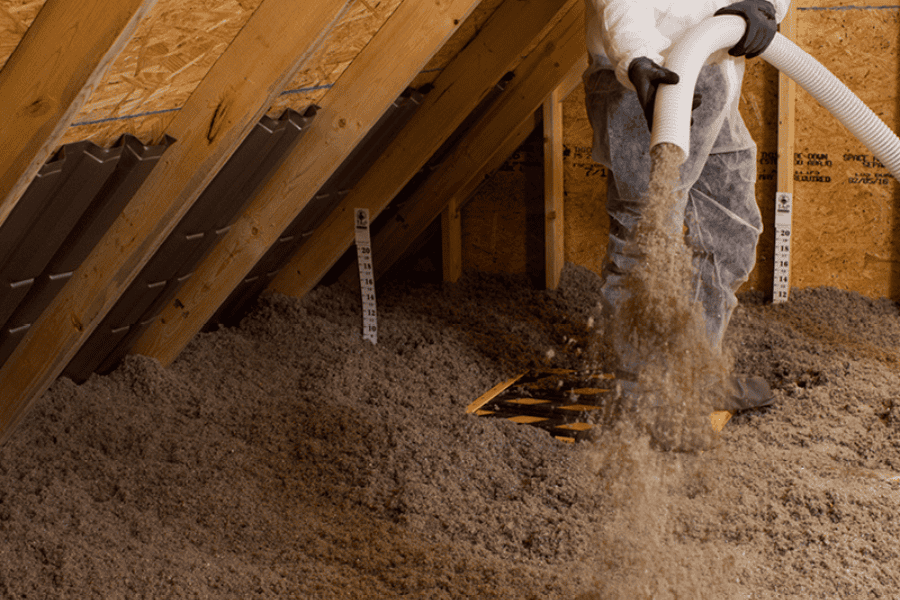
Florida offers a warm, humid climate, which can present unique challenges to homeowners. Proper insulation is crucial for maintaining comfort, energy efficiency, and structural integrity. Let’s explore the importance of attic insulation in Florida homes:
Why Attic Insulation Matters
Insulation creates pockets that slow heat or cool air from attempting to flow through your home. This will help with uneven temperatures throughout your home. Installing insulation will also help your HVAC system run more efficiently and will help cut down on the times you have to adjust the thermostat, allowing lower energy bills.
Attic Insulation Benefits:
- Enhanced Comfort: If your attic isn’t properly insulated, you might notice that your rooms fluctuate in temperature, causing you to change the thermostat and, in return, overwork your system and cause HVAC inefficiencies.
- Energy Bill Savings: An insulated attic will help extend the life of your HVAC system and avoid costly repairs, improving the performance and operation overall. But with proper insulation your HVAC won’t have to work as hard to regulate your home’s temperatures, which saves you money and lowers energy costs!
- Structural Integrity: The higher humidity levels in Florida can wreak havoc on wooden structures. Proper insulation can help reduce moisture buildup, reducing the risk of wood rot and moisture damage.
Not sure if you need to replace your attic insulation? Give an attic insulation team near you a call today for a free inspection.

Aug 20, 2024 | Commercial
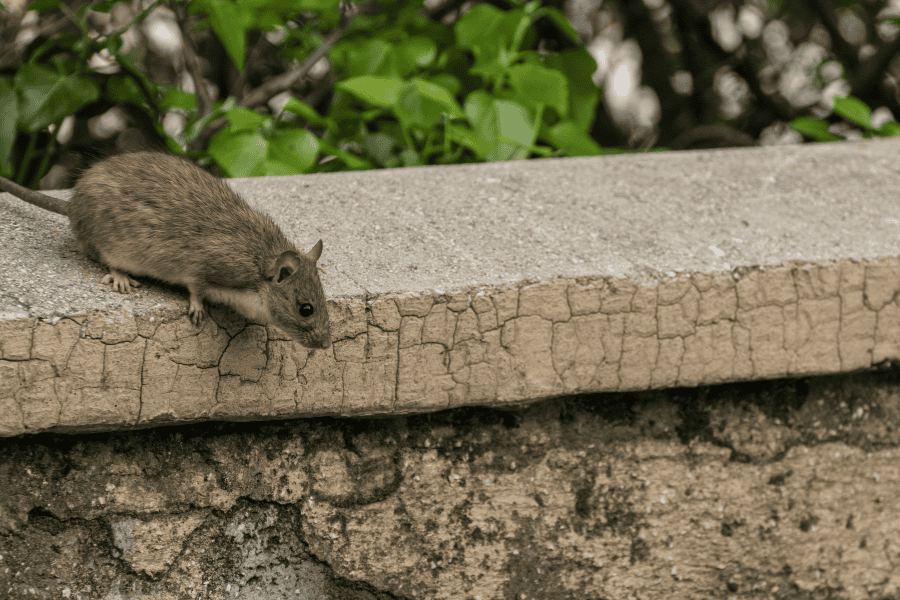
As a business owner, maintaining a clean and reputable environment is paramount. One of the most significant threats to this is rodent infestation. Rats and mice can cause extensive damage to your property, compromise health standards, and tarnish your reputation. Understanding how to protect your business from these unwelcome guests is crucial. Here’s a comprehensive guide to keeping your commercial space rodent-free.
Tips For A Rodent-Free Business
Understanding the Threat
Rats and mice are more than just a nuisance. They pose serious health risks as they carry diseases such as Hantavirus and Salmonella. These pests are also notorious for gnawing through electrical wires, which can lead to fire hazards, and contaminating food supplies, which can result in substantial financial losses and legal implications.
Signs of a Rodent Infestation
Early detection is key to controlling a rodent problem. Be vigilant for the following signs:
- Droppings: Small, dark, pellet-shaped droppings typically found near food sources.
- Gnaw Marks: Fresh gnaw marks or holes in walls, floors, and food containers.
- Nests: Shredded paper, fabric, or dried plant matter used to create nests.
- Noises: Scratching or scurrying sounds, especially at night.
- Odor: A strong, musky odor often accompanies a large infestation.
Preventative Measures
To protect your business from rodents, implement these strategies:
- Seal Entry Points: Inspect your property for potential entry points. Rats can squeeze through openings as small as a quarter, and mice through dime-sized gaps. Seal cracks in walls, floors, and foundations, and ensure doors and windows close tightly.
- Maintain Cleanliness: Regularly clean your business premises, particularly food preparation and storage areas. Dispose of waste promptly and keep trash bins covered. Rodents are attracted to food crumbs and garbage.
- Proper Food Storage: Store food in airtight containers and keep them off the floor. Ensure that inventory is rotated regularly to prevent spoilage and attract pests.
- Landscaping: Keep vegetation trimmed and away from the building’s exterior. Rodents often use overgrown plants as hiding spots and entry points.
- Regular Inspections: Conduct routine inspections of your property for signs of rodent activity. Early detection can prevent a small problem from becoming a significant infestation.
Professional Pest Control Solutions
While preventative measures are essential, partnering with a professional commercial pest control company provides an added layer of protection. Experienced pest control specialists can:
- Conduct thorough inspections to identify and address potential entry points.
- Implement tailored rodent control programs suited to your business’s specific needs.
- Use effective treatments to eliminate existing infestations.
- Provide ongoing monitoring and maintenance to ensure a pest-free environment.
Protecting your business from rats and mice is vital for maintaining a clean and reputable establishment. For more information on how to keep your business rodent-free, contact your local pest management team today. Our team of experts is ready to assist you with tailored solutions to meet your specific needs.
Aug 16, 2024 | DIY Mosquito Control, Mosquito
Mosquitoes are more than just a nuisance; their bites can pose serious health risks to humans and pets. In Georgia, where warm and humid conditions create an ideal breeding ground for these pests, it’s essential to understand how to protect your family effectively. This blog will detail the risks associated with mosquito bites, tips to prevent them, and the most effective mosquito repellents, including natural options and mosquito-repellent plants.
Risks Posed by Mosquito Bites
Mosquito bites can lead to more than just itchy welts. They are vectors for several dangerous diseases, posing significant health risks:
- West Nile Virus: This virus can cause severe neurological diseases in humans. There have also been recent cases of West Nile Virus related deaths reported.
- Zika Virus: Known for causing birth defects, this virus can have severe consequences for pregnant women.
- Dengue Fever: This painful, debilitating disease can lead to severe flu-like symptoms and, in extreme cases, death.
- Heartworm in Pets: Mosquito bites can transmit heartworm larvae to dogs and cats, which can be fatal if untreated.
Tips to Prevent Mosquito Bites
Preventing mosquito bites involves a combination of personal protection and environmental management. Here are some practical tips:
- Wear Protective Clothing: Long-sleeved shirts and pants can reduce skin exposure.
- Avoid Peak Mosquito Hours: Mosquitoes are most active during dawn and dusk.
- Use Mosquito Nets: Especially effective for protecting babies and young children.
- Eliminate Standing Water: Mosquitoes breed in stagnant water, so regularly empty containers, birdbaths, and gutters.
- Install Screens: Ensure windows and doors have screens to keep mosquitoes out of your home.
Most Effective Mosquito Repellents
When it comes to mosquito repellents, efficacy and safety are paramount. Here are some of the best options:
DEET (N,N-Diethyl-meta-toluamide)
DEET is the most widely used active ingredient in mosquito repellents and is highly effective. Products containing 20% to 30% DEET provide long-lasting protection and are safe when used as directed by the Environmental Protection Agency (EPA).
Picaridin
Picaridin is another effective mosquito repellent that provides comparable protection to DEET. It is odorless, non-greasy, and less likely to irritate the skin. Products with 20% picaridin are recommended for the best protection.
Oil of Lemon Eucalyptus (OLE)
OLE is a plant-based repellent recognized by the CDC as an effective alternative to DEET and Picaridin. Products with 30% OLE can provide protection for up to six hours. It’s important to note that OLE should not be used on children under three years old.
Natural Mosquito Repellents
For those looking for natural options, several plant-based repellents can help keep mosquitoes at bay:
Citronella
Citronella oil, derived from lemongrass, is a common natural mosquito repellent. Candles, sprays, and lotions containing citronella can provide short-term protection. However, it’s not as long-lasting as DEET or Picaridin.
Lavender
Lavender oil not only has a pleasant fragrance but also acts as a natural mosquito repellent. Applying diluted lavender oil to the skin can help deter mosquitoes.
Tea Tree Oil
Tea tree oil has antiseptic and anti-inflammatory properties. It can be used as a natural repellent, though it should be diluted before application to avoid skin irritation.
Mosquito-Repellent Plants
Incorporating mosquito-repellent plants into your garden can provide additional protection. Here are some plants known for their mosquito-repellent properties:
Marigolds
Marigolds contain pyrethrum, a compound used in many insect repellents. Planting marigolds around your home can help keep mosquitoes at bay.
Basil
Basil is not only a culinary herb but also a mosquito repellent. The essential oils in basil can deter mosquitoes, making it an excellent choice for patio gardens.
Catnip
Catnip contains nepetalactone, which is highly effective at repelling mosquitoes. It is ten times more effective than DEET in some studies.
Mosquito control is essential for protecting your family from the health risks associated with mosquito bites. By combining effective mosquito repellents with preventive measures and natural solutions, you can enjoy the outdoors without the constant threat of these pests. For comprehensive mosquito control, consider consulting a professional mosquito control company in Georgia. They can provide tailored solutions to keep your home and yard mosquito-free.
Aug 15, 2024 | DIY Pest Control, Florida Termite Control
Drywood termites cause significant damage to homes and structures if left unprotected, causing millions of dollars in repairs. Unlike their counterpart, the subterranean termite, drywood termites live entirely within the wood they infest, making them challenging to control. Luckily, there are several effective drywood termite treatment options available to Florida residents to eliminate and prevent these pests! Let’s explore these treatment options.
Drywood Termite Treatment Options
Fumigation
Fumigation involves tenting an entire structure and utilizing gas to penetrate the wood and eliminate termites. This method can be highly effective at eradicating termites, eliminating any that are present on the property. Fumigation is also known to treat large termite infestations throughout an entire structure. Fumigation does require the occupants to vacate the property for several days.
No-Tent Treatment
Professional termite experts will directly inject an advanced, non-repellent product into drywood termite galleries to eliminate the termites found in a home. The no-tent treatment is slow acting, which allows termites who encounter the product to take it back to the queen and colony to eliminate it. This method is a great alternative to the fumigation method if you would rather avoid leaving your home.
DIY Drywood Termite Prevention Tips
The best way to ensure that you don’t end up with a drywood termite invasion is to deter them away from your home in the first place. Check out our DIY tips to preventing drywood termites:
- Regularly inspect your home for drywood termite signs, such as seeing swarmers, discarded wings on windowsills, damaged wood, and more.
- Seal openings around doors, windows, and utility pipes with sealants as soon as possible to help keep termites and other household pests out.
- Always inspect used furniture and firewood before bringing it inside your home.
- Termite are attracted to light, so make sure to turn any outdoor lights off and close your curtains at night.
While these tips will support efforts to deter termites, if you notice termite activity on your property, it’s best to call a termite control company near you to start termite control treatments and schedule an annual termite inspection to prevent future infestations.
Aug 13, 2024 | Commercial
Maintaining a pest-free environment is crucial for any business. Pests can damage property and harm reputations. Understanding the importance of proactive measures in ensuring a pest-free business is beneficial for all. Here are some essential tips to help keep your business pest-free.
Tips For A Pest-Free Business
Maintain Cleanliness
A clean environment is the first line of defense against pests. Regular cleaning routines should include:
- Daily Cleaning: Ensure that all areas, especially kitchens and dining areas, are cleaned daily. This includes wiping down surfaces, sweeping, mopping floors, and cleaning under equipment or appliances.
- Trash Management: Dispose of trash regularly and ensure that bins are sealed properly. Pests are attracted to food waste and can easily make their way into improperly managed trash.
- Storage Areas: Keep storage areas organized and clean. Ensure that products are stored off the ground and away from walls to prevent pests from hiding and breeding. It’s also recommended to steer clear of cardboard boxes, as these attract roaches and other pests.
Regular Inspections
Conduct regular inspections of your premises to identify any signs of pest activity. Look for:
- Droppings: Pests often leave droppings in areas where they are active. Identifying droppings can help pinpoint problem areas.
- Gnaw Marks: Rodents and other pests will often leave gnaw marks on food packaging, furniture, and structures.
- Nesting Materials: Pests may use paper, fabric, and other materials to build nests. Finding these materials can indicate the presence of pests.
Seal Entry Points
Pests can enter your business through even the smallest of openings. It’s important to:
- Inspect and Repair: Regularly inspect the exterior of your building for cracks, gaps, and holes. Repair any damage promptly to prevent pests from entering.
- Install Door Sweeps: Install door sweeps on exterior doors to close gaps that pests could use to enter.
- Seal Windows and Vents: Ensure that windows are properly sealed and that vents are covered with mesh to keep pests out.
Proper Waste Management
Proper waste management is critical in preventing pest infestations:
- Secure Bins: Use bins with tight-fitting lids to prevent pests from accessing waste.
- Regular Collection: Arrange for regular waste collection to ensure that trash does not accumulate and attract pests.
- Clean Dumpsters: Keep dumpsters clean and away from the building to reduce the likelihood of pests being attracted to your premises.
Employee Training
Your employees are your first line of defense against pests. Ensure they are trained to:
- Report Sightings: Encourage employees to report any signs of pest activity immediately.
- Maintain Cleanliness: Train employees on the importance of maintaining a clean workspace.
- Follow Protocols: Ensure that employees understand and follow waste management and storage protocols.
Professional Pest Control Services
Despite your best efforts, pests can still find their way into your business. Professional pest control services provide:
- Regular Monitoring: Regular pest inspections and monitoring to detect and address pest issues early.
- Integrated Pest Management (IPM): A comprehensive approach that includes prevention, monitoring, and control measures tailored to your business’s needs.
- Expert Advice: Guidance on pest-proofing your premises and implementing effective pest management strategies.
Keeping your business pest-free requires a combination of diligent practices and professional expertise. By maintaining cleanliness, conducting regular inspections, sealing entry points, managing waste properly, training employees, and partnering with a professional pest control company, you can ensure a healthy environment for your business. Give a pest management company near you a call for a free, no obligation quote!