Jan 6, 2026 | Good Deed Team
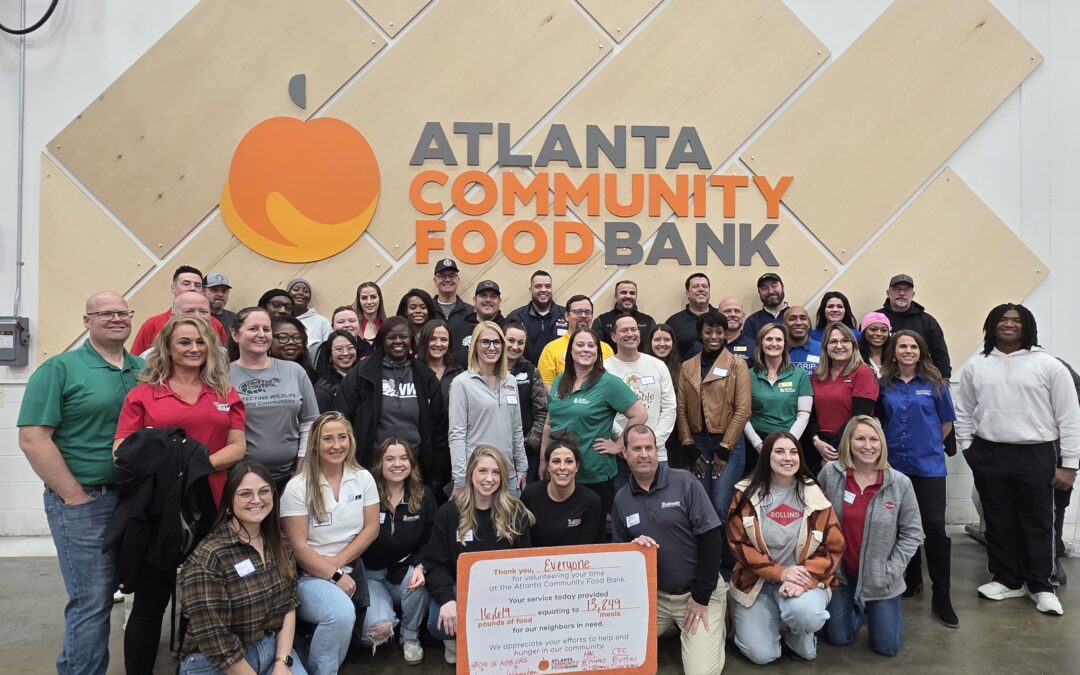
Northwest Exterminating’s Good Deed Team joined the Georgia Pest Control Association
(GPCA) on December 4 for GPCA Gives at the Atlanta Community Food Bank, and their
impact was felt far beyond the walls of the warehouse.
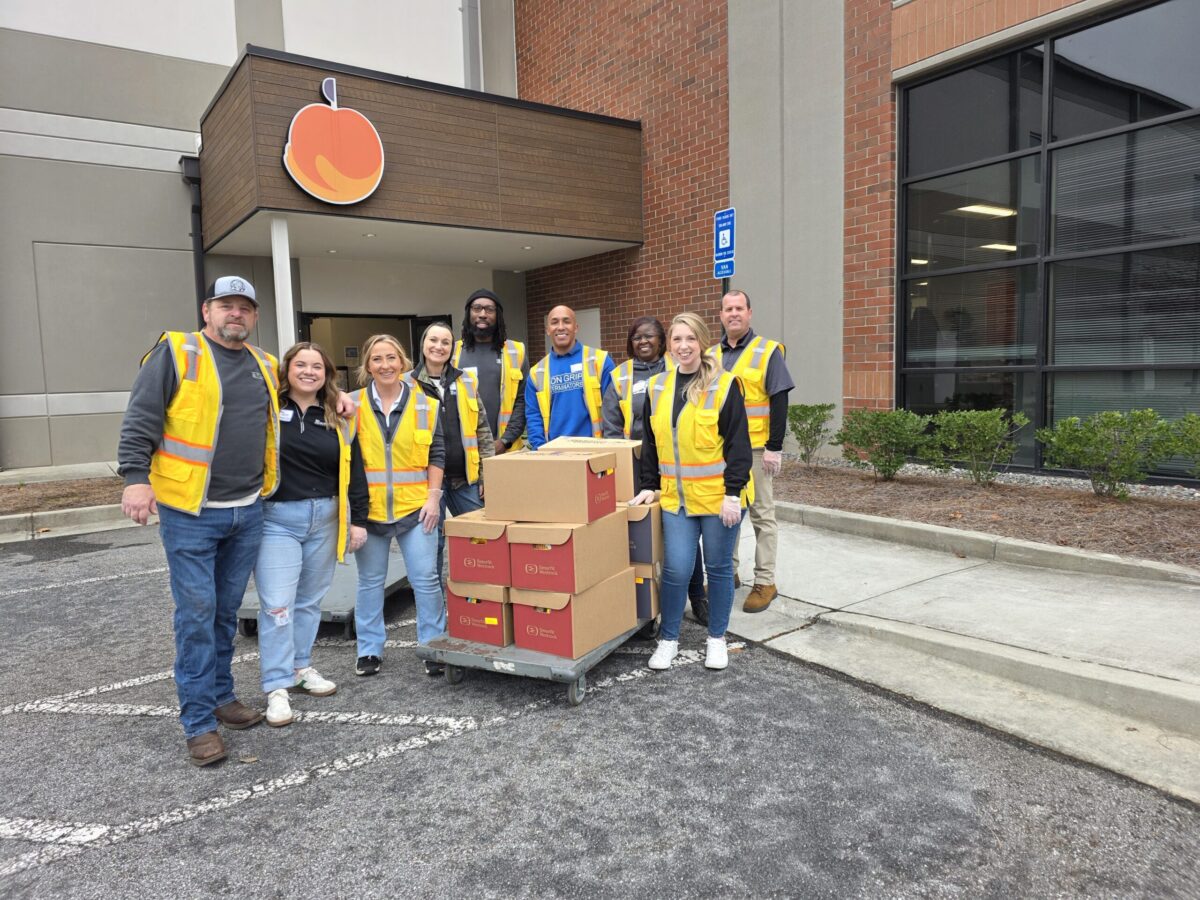
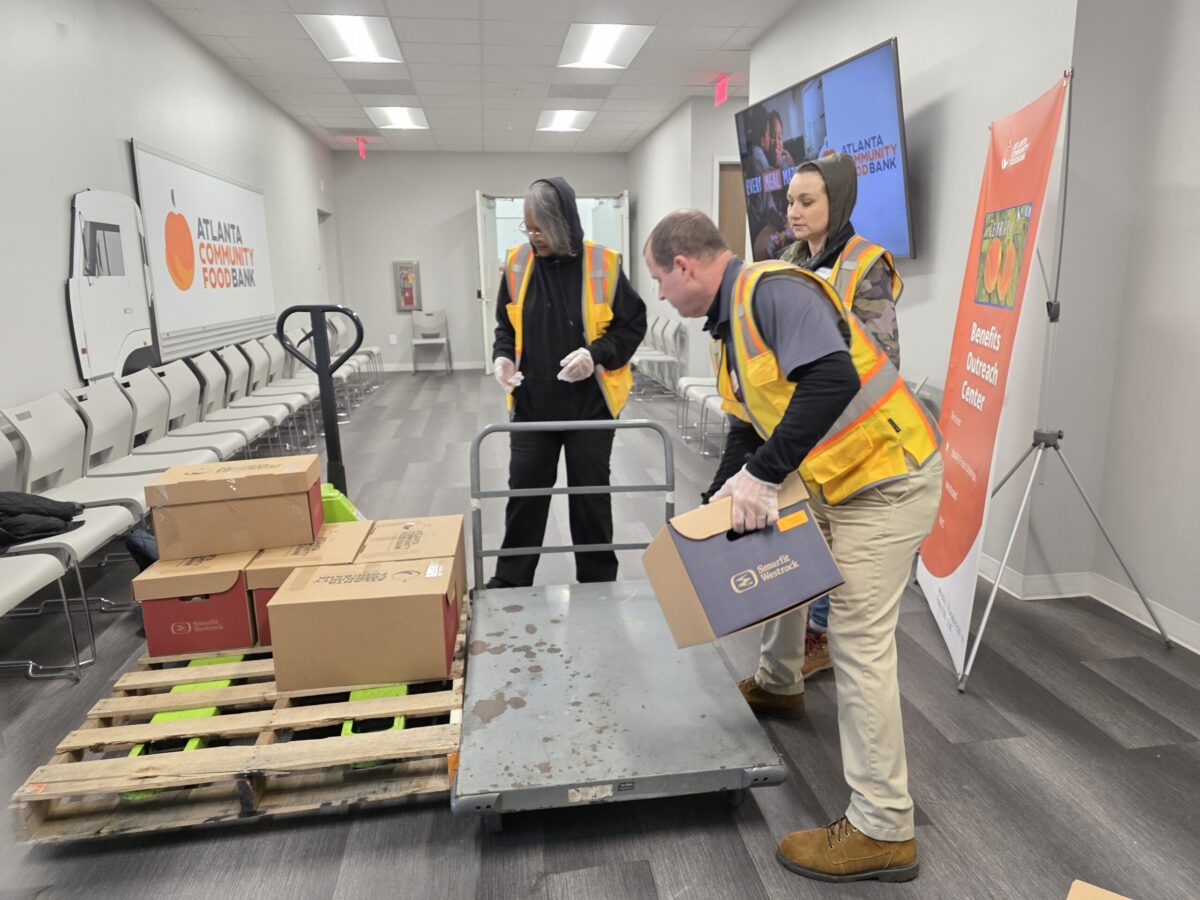
Nearly a dozen Northwest teammates came together to pack more than 8,000 pounds of
food, ultimately helping feed over 7,000 families across metro Atlanta. Teammates were
assigned to the Community Food Center station, where they filled hundreds of boxes with
meat, fresh produce, dairy products, and snacks—essentials that bring comfort and
stability to families facing food insecurity.

What made the day even more meaningful was the spirit teammates brought to the task.
There was plenty of laughter as teammates shared how much fun it was to take part in this
kind of community outreach. Many said it felt good to directly contribute to work that
makes such an immediate difference.
The Atlanta Food Bank staff issued a fun challenge: pack every box needed to fulfill the
day’s Amazon delivery orders. Northwest teammates didn’t hesitate; they embraced the
challenge with energy and teamwork and beat the deadline. Once all boxes were packed,
the group braved cold, rainy weather to meet drivers outside and help load vehicles. Their
willingness to go the extra mile showcased the heart of Northwest’s culture.
The Atlanta Community Food Bank partners with more than 700 community-based
nonprofit food distribution organizations across Metro Atlanta. Families may visit
Community Food Centers to pick up food, and upon arrival, they are asked a few questions
to determine whether they qualify for additional food assistance programs. The support
these centers provide is essential, helping families access nutritious food during difficult
times.
At Northwest Exterminating, serving the community is part of our DNA. Taking part in GPCA
Gives was not just an act of service; it was an honor. Our teammates were proud to support
the mission of the Atlanta Community Food Bank to end hunger, uplift communities, and
bring hope to families in need.
For more information visit https://www.acfb.org/.
Dec 30, 2025 | Company News
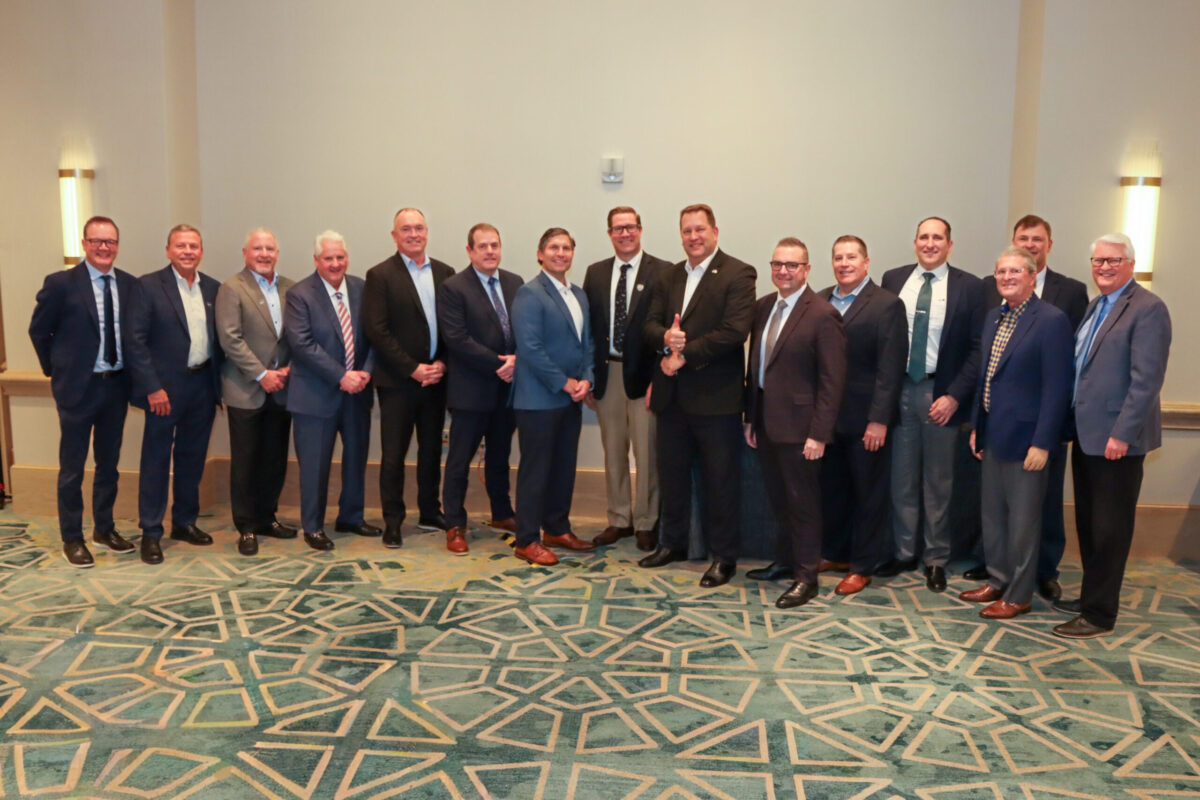
At Northwest, our growth is measured not just by the communities we serve, but by the people we empower. We believe that building extraordinary leaders is the foundation of providing extraordinary service. Investing in our team is a core part of who we are, ensuring our people are supported, challenged, and prepared to lead with confidence.
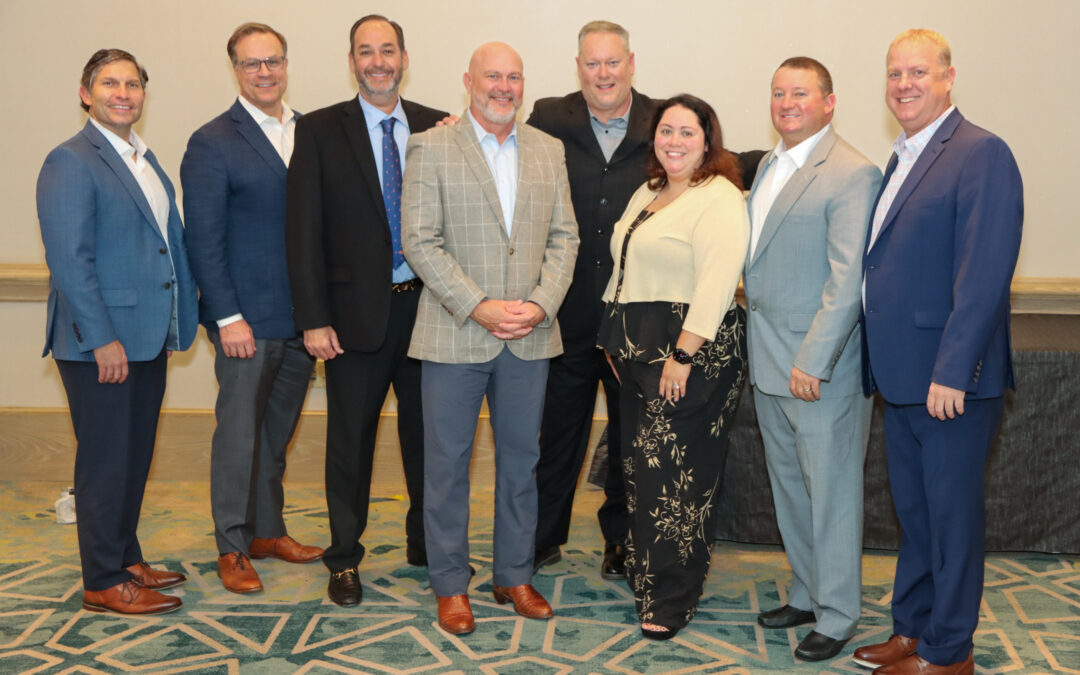
That is why we are so proud to celebrate our newest graduates of the Region Manager Development Program (RMDP). This significant milestone is a direct reflection of the dedication, character, and immense potential of these teammates. Please join us in congratulating:
- Bart Sloan, District Manager
- James Nelson, Region Manager
- Allen Woosley, Commercial Services Director
- Billy Matthews, Region Manager
- David Cogan, Region Manager
- Emily Garcia, Service Center Manager
Their achievement marks the culmination of a year of intensive growth, and we are thrilled to recognize their commitment.
What is the Region Manager Development Program?
The Region Manager Development Program is an immersive, 12-month leadership journey created for leaders throughout our Family of Brands. Selected participants are teammates who oversee multiple business units or departments, or those who have been identified as having the potential to step into that next level of responsibility.
RMDP was launched in 2018 as a direct result of our company-wide talent review process within our parent company, Rollins, Inc. It was designed to support our long-term strategic growth by identifying and nurturing key talent capable of leading at the next level. Since its inception, 143 senior leaders have graduated from the program, continuing to make a meaningful impact across our entire organization.
A Career-Defining Leadership Experience
RMDP is far more than traditional training. It provides a blended learning approach that combines theory with real-world application, ensuring our leaders are not just learning concepts but actively practicing them. The program includes:
- Facilitator-Led Training: Expert-led sessions on advanced leadership principles.
- Executive and Peer Mentoring: Direct guidance from seasoned executives and collaboration with peers.
- Immersive Field Learning: Hands-on experiences that connect classroom learning to daily operations.
- 360-Degree Leadership Assessments: In-depth feedback from managers, peers, and direct reports to foster self-awareness.
- Executive Coaching: A six-month engagement with a professional coach for personalized guidance.
- Personalized Development Plans: Customized roadmaps for growth supported throughout the program.
This comprehensive structure ensures our leaders receive the feedback, support, and practical experience they need to thrive.
A highlight of the RMDP journey is the capstone experience, where participants take what they’ve learned and put it into action. This year’s class traveled to Disney World for a three-day, hands-on team competition across three of its iconic parks. The event challenged them to collaborate under pressure, think creatively, and approach every interaction with a customer-first mindset.
But beyond the adventure and the competition, the capstone is about our teammates’ growth. Graduates demonstrated leadership, teamwork, and problem-solving at the highest level. During the graduation ceremony, attended by their families, Brand Presidents, and members of the Executive Leadership Team, leaders from each brand shared their key takeaways, reflecting on the personal and professional development they achieved throughout the program. The winning team was announced, and each graduate received their official RMDP plaque—celebrating not just the experience, but the incredible growth and dedication of our teammates.
Celebrating Northwest’s Commitment to Leadership
We are incredibly proud of Bart, James, Allen, Billy, David, and Emily for completing the rigorous RMDP program and investing in their personal and professional development. Their achievement demonstrates a powerful commitment to excellence and a readiness to lead with purpose, a people-first mentality, and a desire to serve and make a difference for the people around them.
Programs like RMDP are a testament to what makes Northwest different. We care deeply about our teammates, we invest in their professional development, and we believe that pouring into our incredible people is how we continue to deliver the experiences we strive to be known for within the communities we serve. By providing opportunities, support, and trust, we hope to empower our teammates to create extraordinary experiences.
Congratulations to our newest RMDP graduates! Your hard work inspires us all, and we are excited to see how you will continue to lead, innovate, and make a positive impact across the entire Northwest family.
Dec 30, 2025 | Company News
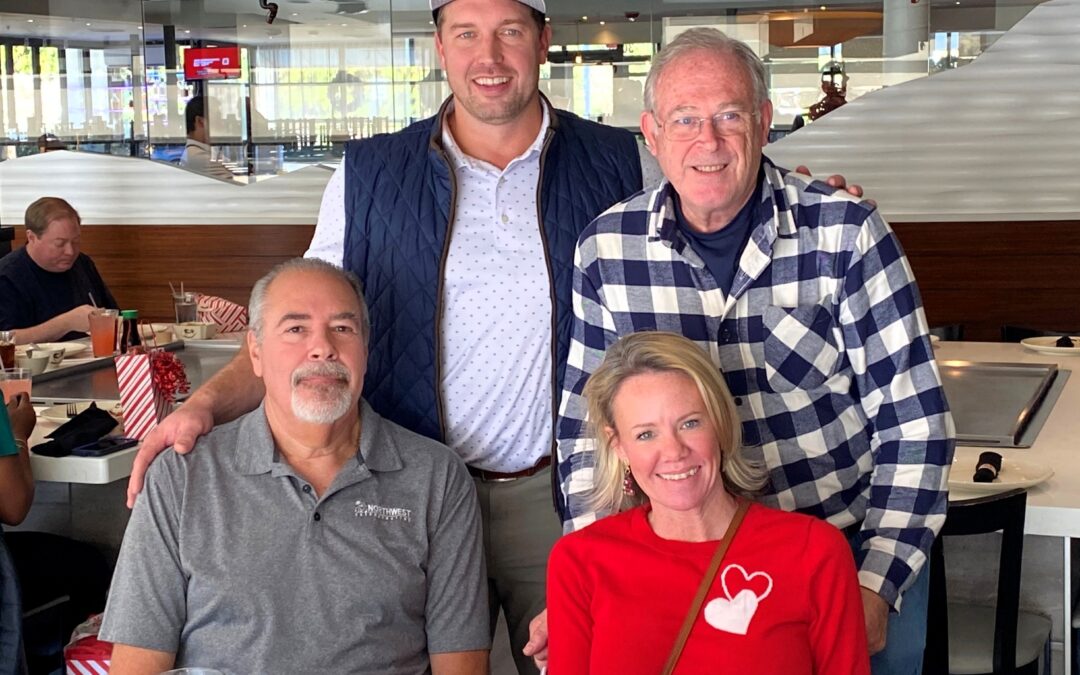
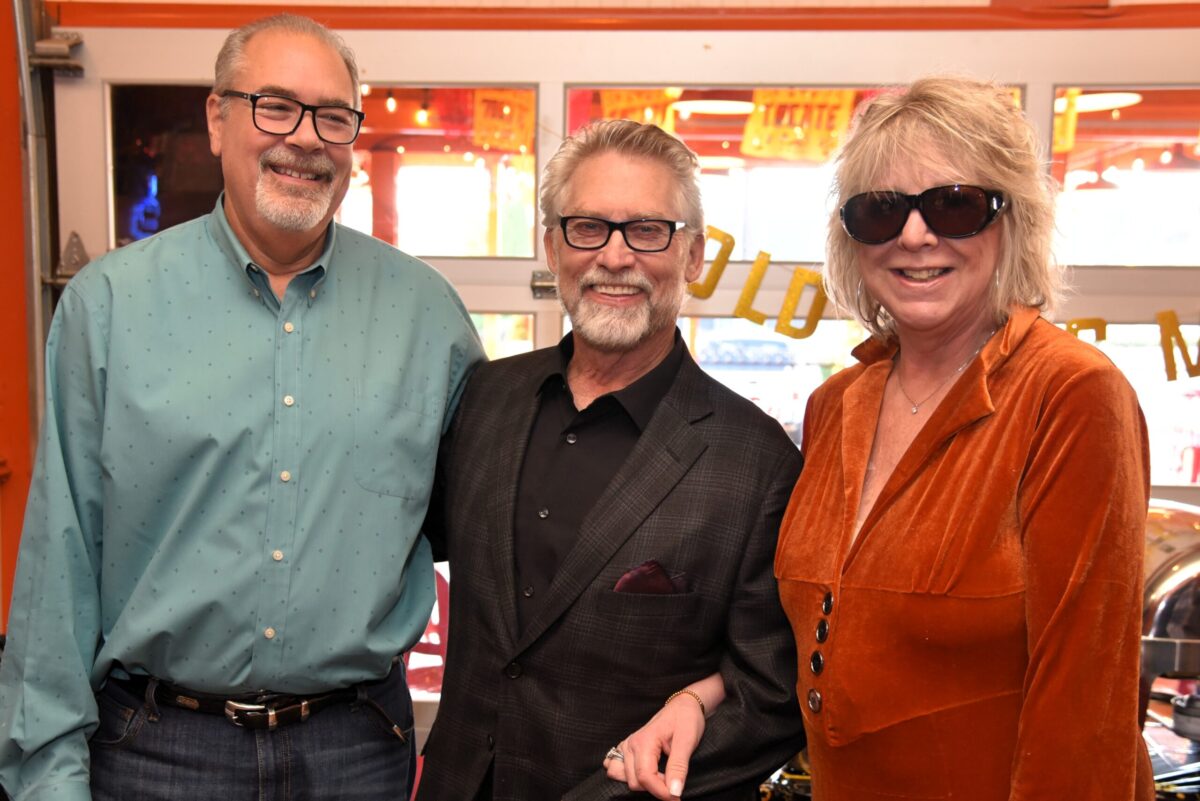
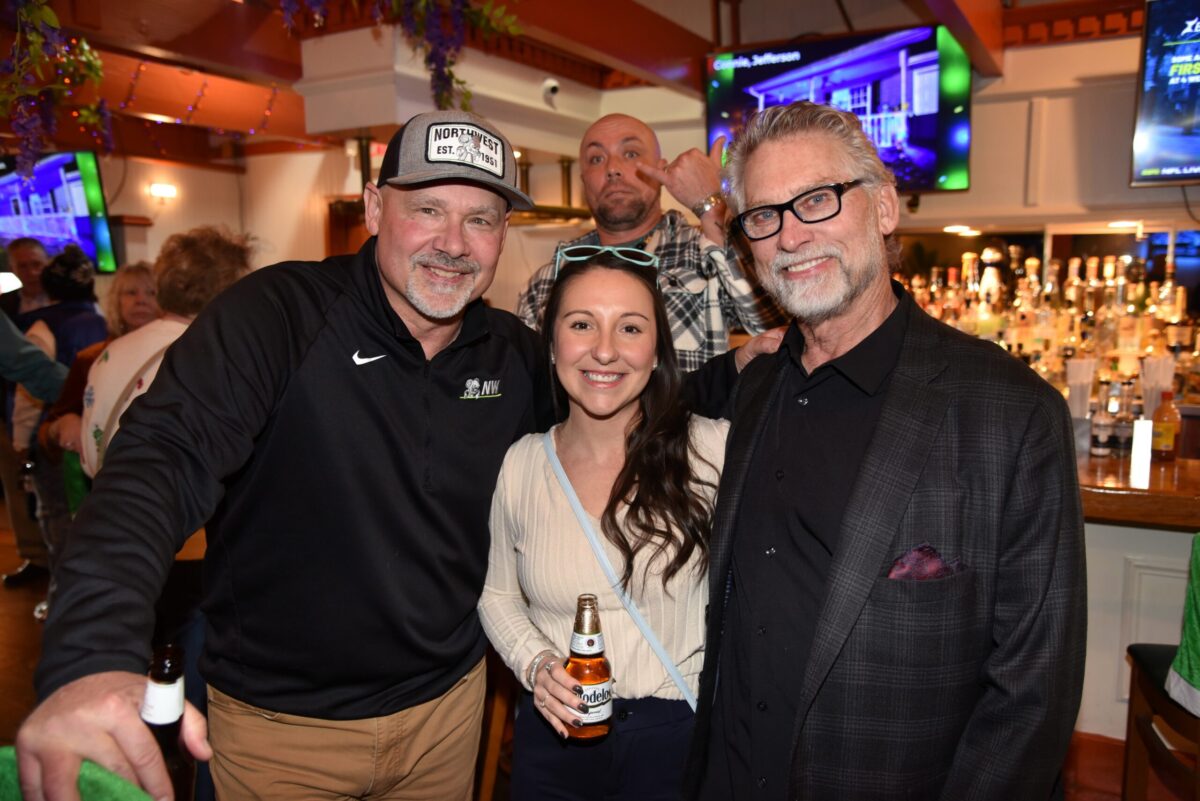
John Dellapina, Account Executive within our East Cobb Georgia office, is officially retiring after nearly 26 years with Northwest Exterminating, leaving behind a legacy built on relationships, dedication, and decades of stories.
As he steps into retirement, John says he’s most looking forward to slowing down and relaxing. He’s excited to spend more time with his wife and grandchildren, savoring moments that busy schedules once pushed to the sidelines. Still, leaving Northwest isn’t easy. After more than a quarter century, it’s been his home away from home.
“I’m going to miss the daily routine, but I’m really going to miss the people the most,” John shared. “I’m a people person; I just like being around people.”
Known for his great sense of humor, John proudly describes himself as “old school” in the best way. He prefers paperwork over computers and is often teased about his extensive archive of old files; but when systems go down or someone needs an original document, teammates know exactly where to turn.
“Thanks to John, I know now never to toss contracts. He’s been building a paper empire for 20+ years! If you ever need a contract from 2005, he’s your guy!” Jamie Williams, Sales Support Associate.
John’s deep knowledge and long history with the company have made him a walking archive of Northwest Exterminating. Even during a health scare, he never lost his trademark humor, continuing to crack jokes and lift the spirits of those around him.
One of the many meaningful connections John made during his career was with Chuck Negas, Director of Commercial Development. Recognizing John’s strong relationships, especially with real estate agents—Chuck encouraged him to transition into Commercial Sales, knowing he would thrive.
“John was well liked and clients trusted him,” Chuck shared. “He also set a good example for newer salespeople. He was always willing to help and was supportive of everyone he worked with, John never forgot that we were a team.”
John often fondly recalls the trio he formed with close friends Peter Schmidt and Tommy Hubert, along with the practical jokes, laughter, and camaraderie that defined so many of his days. John also likes to remind people that when he was hired, he walked through the door with a $3,000 termite contract under his belt, and he never looked back.
Over the years, John built lasting connections with customers and teammates alike, relationships that made his career especially meaningful
John Dellapina will be deeply missed by teammates across Northwest Exterminating. His stories, humor, reliability, and heart have left a lasting mark, and his impact will be felt long after he clocks out for the final time. Thank you, John, for sharing 25+ years with us!
Dec 30, 2025 | Company News
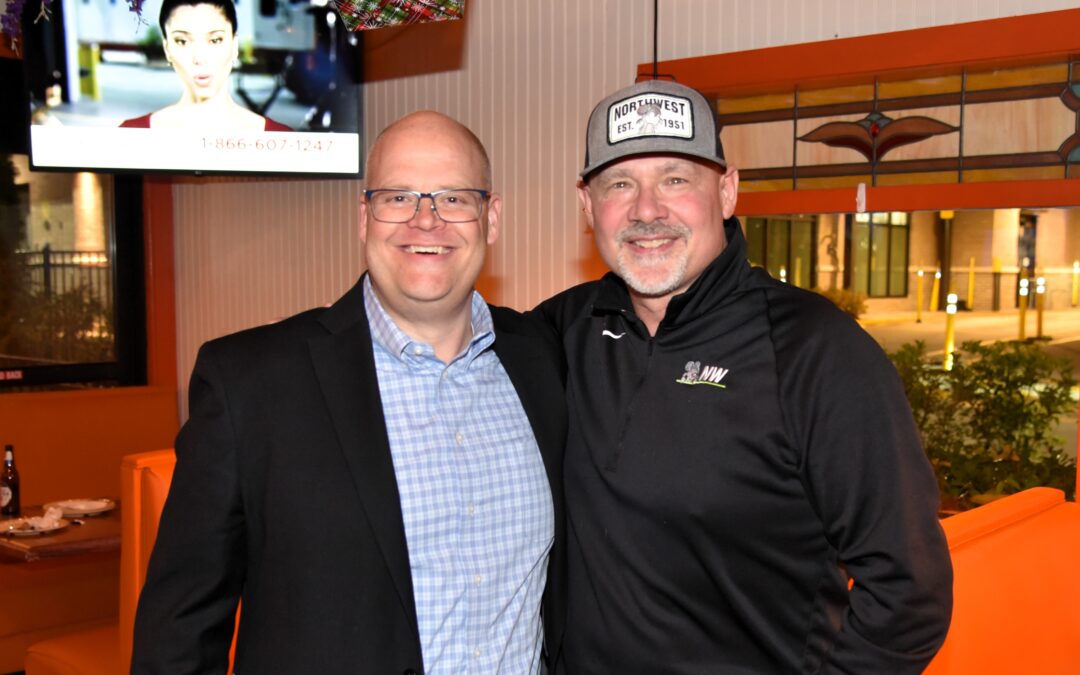
Barry Teubert, Service Center Manager in Hixson, GA., began his career with Northwest 28 years ago with a simple goal: to learn more about the pest control industry. What kept him here all these years, however, was something even more meaningful: the people and the culture.
Throughout his career, Barry wore many hats. As a Service Center Manager, he inspired teammates, solved customer challenges with a steady smile, and ensured exceptional service was delivered day in and day out. Leadership and teaching others came naturally to Barry, and his influence has been felt across the company for nearly three decades.
While the work was meaningful, Barry’s career was also filled with plenty of humor. One story still makes him laugh:
“Every time I hear the joke, ‘I don’t have to outrun the bear, I only have to outrun you,’ it reminds me of the time Pete Schmidt, and I had to outrun two Rottweilers that chased us to our truck. I only had to outrun Pete—and I did.”
Pete Schmidt, Vice President of Specialty Services, hired Barry back in 1997 when Pete was the Service Center Manager at the Smyrna Service Center. Pete said one of the things he’ll miss most about Barry is his contagious energy, get it done attitude, and constant competitive spirit.
“Barry was a man who stood by his word. If he said it, you could consider it done. I had to bring my A-game every day when working with Barry; he made me better. “ said Pete
Pete was not the only person who noticed Barry’s dedication and performance. Over the years, Barry earned Salesman of the Year four times, was named Teammate of the Year, and received the company’s highest honor, the L.A. Phillips Award. These achievements reflect the respect and admiration he earned from teammates along the way.
Beyond awards and accomplishments, Barry says the most rewarding part of his leadership journey has been watching teammates grow, buying their first homes, getting married, and welcoming children into their lives. Family has always been important to Barry and as he enters retirement, he’s excited to devote 100% of his time to his loved ones, embrace his hobbies, and simply enjoy life.
As Barry prepares for this next chapter, he leaves his Northwest family with one final piece of advice:
“Change is good. Learn from everyone—the good and the bad. Be open to growing and challenge yourself daily.”
Thank you, Barry, for 28 years of leadership, laughter, and lasting impact. Your legacy at Northwest Exterminating will continue through the many lives you’ve influenced.
Dec 30, 2025 | Commercial, Green Commercial Pest Control
Maintaining a pest-free environment is essential for any business. It protects your reputation, ensures compliance with health regulations, and provides a comfortable atmosphere for employees and customers. For modern businesses, the method of pest control is just as important as the result. An eco-friendly approach not only addresses pest issues effectively but also aligns with corporate responsibility and customer expectations. Choosing the right eco-friendly pest control service is a critical decision that impacts your operations, brand image, and bottom line. With a growing number of providers claiming to be “green,” it can be challenging to identify a partner that offers genuine, effective, and environmentally conscious solutions. This guide will walk you through the key considerations for selecting a commercial pest control service that meets your business’s specific needs.
Why Eco-friendly Pest Control Service Matters for Your Business
Opting for an eco-friendly pest management strategy, often called Integrated Pest Management (IPM), offers significant advantages for a commercial property. IPM is a holistic approach that prioritizes long-term prevention by understanding pest biology and behavior. It focuses on minimizing reliance on chemical applications by using exclusion, sanitation, and monitoring as the first lines of defense.
Benefits for Commercial Properties
- Enhanced Reputation: Customers and clients increasingly favor businesses that demonstrate a commitment to sustainability. An eco-friendly pest control program showcases your dedication to environmental stewardship.
- Improved Work Environment: Prioritizing low-impact solutions contributes to a healthier setting for your employees and patrons, reducing concerns associated with conventional treatments.
- Regulatory Compliance: Many industries, especially food service and healthcare, have strict regulations regarding pest control. IPM practices are often aligned with or required by these standards, helping you remain compliant.
Key Factors to Consider When Choosing a Provider
Making an informed decision requires looking beyond marketing claims. A truly professional eco-friendly service will be transparent about its methods, experience, and qualifications.
Experience in Your Industry
Commercial pest control is not a one-size-fits-all service. A provider with experience in your specific industry will understand the unique challenges and regulatory requirements you face. Whether you manage a restaurant, a healthcare facility, a warehouse, or an office building, your provider should be able to develop a customized IPM plan tailored to your environment. Ask for case studies or references from businesses similar to yours.
Methods and Materials
Inquire about the specific methods and products the company uses. A genuine eco-friendly provider will emphasize a multi-faceted approach.
- Thorough Inspections: The process should always begin with a comprehensive inspection to identify the type of pest, the extent of the infestation, and the contributing factors.
- Focus on Prevention: The proposed plan should prioritize exclusion (sealing entry points), sanitation improvements, and habitat modification to make your property less attractive to pests.
- Targeted Applications: When product application is necessary, it should be targeted and precise. Ask what types of products are used and why. The provider should be able to explain their selection and how it fits into the overall IPM strategy.
Documentation and Reporting
Professional commercial pest management includes detailed documentation. Your provider should offer clear, consistent reporting after each service visit. This documentation should outline what was observed, what actions were taken, and what steps your business needs to take to support the prevention plan. This is crucial for tracking progress and demonstrating due diligence for health inspections.
Partnering for Long-Term Success
Choosing an eco-friendly pest control service is about finding a long-term partner dedicated to protecting your business. An effective IPM program is a collaborative effort between your staff and the pest management provider. The right partner will not only treat existing problems but will also educate your team on best practices for sanitation and maintenance to prevent future issues.
If your business is ready to implement a responsible and effective pest management program, it is time to consult with an expert. A professional commercial pest control service can conduct a thorough assessment of your property and develop a customized, eco-friendly plan that protects your facility, reputation, and peace of mind. Contact a specialist today to learn how an Integrated Pest Management program can be tailored to your business needs.