Dec 29, 2025 | Florida Pest Control
December in Broward County brings milder temperatures and a welcome break from the year-round heat. As residents enjoy the pleasant weather, house mice are also on the move, seeking refuge from the subtle chill. While Florida’s winters are not severe, this seasonal shift is enough to drive these small rodents indoors, making December a peak month for infestations in local homes.
Understanding why these pests become more active during this time is the first step toward effective prevention. For homeowners, being proactive is key to maintaining a comfortable and pest-free property. This guide outlines why house mice invade Broward homes in December, the issues they can cause, and proven strategies to keep them out.
Why December is a Prime Time for Mouse Invasions
Even in South Florida, the slight drop in temperature is a significant environmental cue for house mice. Their behavior changes as they instinctively search for stable, warm environments with reliable access to food and water—and your home provides everything they need.
The Search for Warmth
As outdoor temperatures fluctuate, mice seek consistent warmth to nest and breed. A house mouse can squeeze through an opening as small as a dime, easily gaining access to wall voids, attics, crawlspaces, and the spaces behind appliances. These secluded areas offer the perfect shelter to ride out the cooler parts of the year.
A Consistent Food Source
During winter, natural food sources like seeds and plants become less abundant outdoors. Your kitchen and pantry become an irresistible target. Unsealed food containers, crumbs on the floor, and accessible pet food bowls are an open invitation for mice to settle in. Once a food source is established, they have no incentive to leave.
The Risks Associated with House Mice
A mouse infestation is more than just a minor inconvenience. These rodents can introduce considerable problems into your home, affecting both your property and your living conditions.
Damage to Property
House mice have incisors that grow continuously, which means they must gnaw constantly to keep them filed down. This behavior can lead to significant damage.
- Electrical Wires: Mice frequently chew on electrical wiring, stripping the insulation and creating a serious fire hazard.
- Structural Elements: They can gnaw through drywall, wood, and plastic pipes, compromising your home’s structure and potentially causing leaks.
- Insulation: Mice will tear up insulation in attics and walls to create nesting material, reducing your home’s energy efficiency.
Unsanitary Living Conditions
Mice are not clean animals. They leave a trail of droppings and urine as they travel, contaminating countertops, pantry shelves, and other surfaces. They are capable of carrying and transmitting germs, which can compromise the cleanliness of your home environment. They can also bring in other pests, such as fleas and ticks.
Effective Prevention Strategies for Your Home
The most reliable way to handle a mouse problem is to prevent it from starting. Making your home less accessible and attractive to rodents is your best defense.
Seal Potential Entry Points
A thorough inspection of your home’s exterior can reveal vulnerable spots.
- Fill all cracks and holes in the foundation, walls, and roofline. Use steel wool and caulk for a rodent-proof seal.
- Install weather stripping on doors and place sweeps on garage doors to close gaps.
- Cover vents and utility openings with sturdy wire mesh.
Remove Indoor Attractants
Do not provide the resources mice need to survive and thrive.
- Store all food—including pet food and birdseed—in airtight glass or metal containers.
- Maintain a clean kitchen by wiping up spills and crumbs immediately.
- Use trash receptacles with tight-fitting lids and empty them regularly.
- Fix leaky pipes and faucets to eliminate water sources.
You should not have to share your home with pests. A professional pest control expert can perform a detailed inspection to identify entry points and the extent of the infestation. They will implement a comprehensive management plan to resolve the issue and help you secure your home against future invasions. Contact a rodent control specialist today for an inspection and enjoy peace of mind in your Broward home this December.

Dec 23, 2025 | Termite Control
As winter arrives in Homewood, Alabama, many homeowners believe that pest activity comes to a halt. While colder temperatures do slow down many insects, termites are a relentless exception. The assumption that termites go dormant during the winter can lead to a false sense of security, leaving your property vulnerable to continuous, hidden damage. Understanding that termite season never truly ends in Alabama is crucial for protecting your most significant investment. Even in December, these wood-destroying insects remain active, foraging for food and expanding their colonies. This guide explains why termites persist through the cooler months and what preventative measures for termite control you can take to defend your Homewood home.
Termite Activity in Cooler Weather
Unlike other regions with harsh winters, Homewood’s climate is mild enough to support year-round termite activity. Subterranean termites, the most prevalent species in Alabama, are particularly well-adapted to survive cooler temperatures.
Underground Colonies Provide Insulation
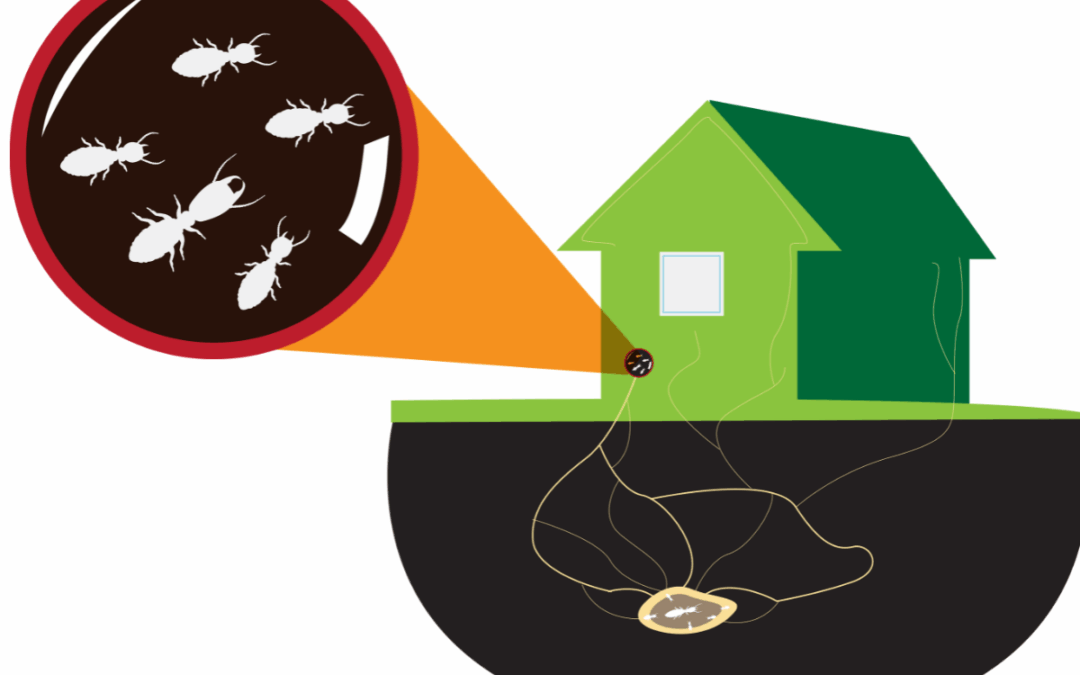
Subterranean termites build their colonies deep in the soil, which acts as natural insulation against surface temperature fluctuations. While the air may be chilly, the ground remains warm enough for the colony to continue its daily functions without interruption. The queen continues to lay eggs, and worker termites venture out in search of food.
Your Home Offers the Perfect Shelter
Termites are in constant search of cellulose, which is found in wood. Your home’s structure provides an ideal, climate-controlled environment with an abundant food supply. Once termites establish a path into your house, they are shielded from the outdoor elements and can continue their destructive feeding habits 24/7, regardless of the season.
The Unseen Risks of a Winter Infestation
Because termite damage occurs out of sight, infestation can progress for months or even years before being discovered. This silent destruction is what makes termites such a significant threat to homeowners.
Compromised Structural Integrity
Termites consume wood from the inside out, hollowing support beams, floor joists, and wall studs. Over time, this can weaken your home’s structure, leading to serious issues like sagging floors, warped ceilings, and compromised foundations. These repairs can be extensive and are typically not covered by standard homeowners’ insurance policies.
The Myth of Winter Inactivity
Believing that termites are inactive in December can cause homeowners to dismiss potential warning signs, such as mud tubes on the foundation or wood that sound hollow when tapped. This delay allows the colony to grow and cause more significant damage, turning a manageable issue into a major structural problem.
Effective Winter Termite Control Strategies
Proactive prevention is the most effective approach to termite management. By making your property less attractive to these pests, you can create a powerful defense for your home.
Reduce Moisture Around Your Property
Termites depend on moisture to survive. Eliminating excess water is a critical step in any termite control plan.
- Repair any leaky faucets, AC units, and pipes promptly.
- Ensure your gutters and downspouts are clear of debris and direct water away from the foundation.
- Check that the soil grade around your house slopes downward to prevent water from pooling.
Eliminate Wood-to-Ground Contact
Direct contact between wood and the ground creates an easy pathway for termites to enter your home.
- Keep firewood, lumber, and other cellulose-based debris stacked on a raised platform at least 20 feet from your house.
- Maintain a gap of several inches between mulch or landscaping and your home’s foundation.
- Trim back tree limbs and shrubs so they do not touch the siding or roof.
Professional Termite Protection for Your Homewood Home
While these preventative tips are beneficial, the most reliable method for identifying and managing a termite threat is through a professional inspection. The winter months are an excellent time to schedule this service, as it allows you to address any vulnerabilities before the peak swarm season in spring.
A certified termite control specialist can perform a detailed inspection of your property, identify signs of termite activity you might miss, and recommend a customized treatment and prevention plan. For professional termite control services in Homewood, AL, contact an expert to ensure your home is protected throughout the year.
Dec 22, 2025 | Florida Green Pest Control
The holiday season in Bonita Springs is a time for enjoying mild weather and festive gatherings, not for worrying about unwanted pests. While much of the country deals with snow, our pleasant climate means many insects and rodents remain active. As you prepare your home for guests and celebrations, it’s important to remember that pests are also looking for shelter and food. For homeowners who prefer environmentally responsible solutions, keeping your home pest-free does not require the use of harsh chemicals. This guide provides practical, eco-friendly strategies to help you protect your Bonita Springs home this December. By focusing on prevention and exclusion, you can ensure your holidays remain comfortable and uninterrupted by pests.
Why Pests Remain Active in a Bonita Springs Winter
Florida’s subtropical climate is a key reason pests are a year-round concern. While our December weather might be cooler, it is rarely cold enough to cause insects or rodents to hibernate or die off. Instead, the slight drop in temperature and changes in outdoor conditions drive them to seek more stable environments. Your home offers the warmth, moisture, and food sources they need to thrive.
Common Holiday Intruders
During the winter months, Bonita Springs homeowners often see an increase in specific pests moving indoors:
- Ants: Various species, including ghost ants and carpenter ants, will forage inside for food and water, often finding their way to your kitchen.
- Cockroaches: A persistent issue in Florida, cockroaches are driven indoors more frequently as they search for warmth and moisture.
- Rodents: Mice and rats seek shelter from cooler nights and can easily find their way into attics, garages, and wall voids.
- Spiders: These pests often follow other insects indoors, setting up webs in quiet, undisturbed areas of the home.
The Advantages of Eco-Friendly Strategies for Pest Control
Choosing an eco-friendly pest control approach focuses on long-term prevention by understanding pest behavior and making your environment less inviting to them—delivering effective, sustainable results that protect your family, pets, and the planet.
Practical Green Pest Prevention for Your Home
You can take several effective, chemical-free steps to fortify your home against pests this holiday season.
Fortify Your Home’s Exterior
The most effective eco-friendly strategy is exclusion—blocking pests before they can get inside.
- Seal Cracks and Gaps: Carefully inspect your home’s foundation, walls, and roofline for any openings. Use caulk to fill small cracks and steel wool combined with sealant for larger holes to deter rodents.
- Secure Doors and Windows: Install weather stripping around doors and windows to eliminate gaps. Check that all window and door screens are in good repair.
- Cover Vents: Use durable mesh to cover vents, soffits, and chimney openings to block a common entry route for rodents and other wildlife.
Remove Indoor Attractants
Pests enter your home looking for resources. By limiting their access to food and water, you make your home less appealing.
- Practice Clean Kitchen Habits: Store all food, including holiday treats and pet food, in airtight containers. Clean up crumbs and spills right away.
- Manage Waste Properly: Use trash cans with tight-fitting lids and empty them regularly. Rinse food residue from recycling items.
- Control Moisture: Repair any leaky faucets, pipes, or appliances. Ensure bathrooms and laundry areas are properly ventilated to reduce humidity, which attracts pests like cockroaches and earwigs.
Maintain Your Landscaping
The area immediately surrounding your home can either invite or deter pests.
- Trim Vegetation: Cut back tree limbs, shrubs, and vines so they don’t touch your house. These can act as bridges for ants and rodents.
- Clear Debris: Rake leaves, clear away woodpiles, and remove other yard debris where pests can hide. Store firewood on a raised platform at least 20 feet from your home.
When to Seek Professional Assistance
While these preventative measures are highly effective, an established infestation may require more direct intervention. If you continue to see pests despite your best efforts, consulting a professional is the next step in your eco-friendly strategies for pest control.
Dec 16, 2025 | Commercial, Commercial Pest Control
December brings unique challenges for business owners. As temperatures drop, rodents like mice and rats move indoors in search of warmth and food, making commercial spaces a prime target for infestations. When signs of activity appear, the question quickly becomes: handle it yourself or call a professional commercial exterminator?
For businesses, pest issues are more than a nuisance — they threaten reputation, operations, and compliance. Choosing between DIY methods and professional pest control services is an important decision.
Understanding the Stakes for Your Business
A rodent problem in a commercial setting can impact customers, employees, and your brand image. Rodents contaminate inventory, damage wiring and structures, and create unsanitary conditions. In industries like food service, hospitality, and healthcare, even one sighting can lead to failed inspections, bad reviews, and lost trust.
The DIY Pest Control Approach
Many business owners start with DIY methods, such as traps or baits, for a quick and inexpensive fix. While this can offer short-term relief, there are clear limitations.
Potential Positives
- Lower Upfront Cost: Retail traps and baits cost less initially than hiring a service.
- Immediate Action: You can respond right away without scheduling a visit.
Key Drawbacks
- Limited Effectiveness: DIY tools rarely solve larger infestations hidden in walls, ceilings, or equipment.
- Misidentification: Using the wrong product for the pest wastes time and money.
- No Root Cause Solution: Without sealing entry points, new rodents will continue to enter.
- Improper Use: Incorrect placement or handling can make traps ineffective and create new issues.
The Professional Commercial Exterminator Approach
A licensed commercial exterminator offers a strategic, long-term solution tailored to your business.
Benefits of Professional Service
- Expertise: Technicians are trained in rodent biology and behavior, allowing for targeted, effective treatment.
- Comprehensive Inspections: Pros identify current infestations, entry points, and contributing conditions.
- Custom Plans: Integrated Pest Management (IPM) programs combine exclusion, sanitation, and targeted applications for lasting prevention.
- Compliance & Documentation: Detailed reports and records support health inspections and regulatory requirements.
Making the Right Choice for Your Business
DIY solutions may seem cost-effective, but they often provide only temporary relief. A professional commercial exterminator delivers the expertise, strategy, and documentation needed to protect your business long-term.
Don’t let a winter rodent issue threaten your operation or reputation. Schedule a professional inspection this December and keep your business protected year-round with commercial pest control services.
Dec 15, 2025 | Florida Termite Control
December in Naples brings beautiful weather and festive holiday preparations. While many people believe that pests become less of a concern during the cooler months, termites are one threat that never takes a day off. Florida’s mild climate allows these destructive insects to remain active year-round, silently putting your property at risk even as you decorate for the holidays. For homeowners, understanding that termites don’t hibernate is crucial for protecting your most valuable asset. The arrival of winter does not mean your home is out of danger. This guide will explain why termite activity persists in December and outline the essential defensive strategies you can implement to protect your Naples home.
Why Termites Remain Active in Naples During Winter
Unlike in colder climates where insects die off or go dormant, the subtropical environment of Naples provides ideal conditions for termites to thrive throughout the year. Subterranean termites, the most common type in this region, build their colonies deep underground where they are insulated from minor temperature fluctuations.
Consistent Temperature and Humidity
The soil in South Florida remains warm and moist enough for termites to continue foraging, feeding, and expanding their colonies. They are not exposed to the harsh freezes that would force them into inactivity. Your home’s structure provides a consistent, climate-controlled environment, offering them a perfect place to find food and shelter from any slight temperature drops.
An Uninterrupted Food Source
Termites feed on cellulose, the primary component of wood. Your home’s wooden framework, from the foundation to the roof trusses, represents an endless buffet. Because their food source is readily available and protected from the elements, their destructive habits continue unabated through every season.
The Risks of a Year-Round Termite Presence
A termite infestation is one of the most significant threats a homeowner can face. The damage they cause is often gradual and hidden from view, making it difficult to detect until it becomes severe.
Structural Damage
Termites eat wood from the inside out, hollowing out support beams, floor joists, and wall studs. Over time, this can compromise the structural integrity of your home, leading to sagging floors, warped walls, and weakened foundations. This damage can be incredibly expensive to repair and is typically not covered by homeowner’s insurance.
Hidden Destruction
Because termites operate behind walls and underground, an infestation can go unnoticed for years. By the time visible signs appear—such as mud tubes on the foundation, discarded wings, or wood that sounds hollow when tapped—extensive damage may have already occurred.
Your December Defense Plan Against Termite Activity: Proactive Prevention
The most effective way to combat termites is through prevention. By making your home less appealing to these pests, you can significantly reduce the risk of an infestation.
Eliminate Moisture Sources
Termites require moisture to survive. Reducing excess water around your property is a critical step in termite defense.
- Repair any leaky faucets, pipes, and air conditioning units.
- Ensure gutters and downspouts are clean and direct water away from the foundation.
- Grade the soil around your home so that it slopes away from the structure.
Remove Wood-to-Ground Contact
Termites can easily access your home through any wood that touches the ground.
- Store firewood, lumber, and other wood debris on a raised structure at least 20 feet away from your house.
- Keep mulch and other landscaping materials pulled back several inches from the foundation.
- Trim shrubs and tree branches so they do not touch the siding or roof.
Seal Entry Points
Even small openings can provide termites with access to your home.
- Seal any cracks or gaps in your foundation.
- Fill openings around utility lines and pipes that enter the house.
While these preventative measures are helpful, the only certain way to identify and manage a termite problem is with professional assistance. If you have not had a recent termite inspection, December is an excellent time to schedule one.
A trained pest control expert can conduct a thorough inspection of your property to detect any signs of termite activity. They can identify vulnerabilities and recommend a tailored prevention and treatment plan to address your home’s specific needs. Contact a professional termite control service today to schedule an inspection and ensure your Naples home is protected from termites this holiday season and beyond.