Nov 14, 2025 | Pest Control
As autumn arrives in Hermitage, Tennessee, the cooling temperatures signal a change in pest behavior. Homeowners may notice an increase in certain uninvited guests, specifically stink bugs and multicolored Asian lady beetles. These pests congregate on the sunny sides of buildings and seek entry to overwinter. Understanding their habits is the first step toward effective management.
This guide provides information on why these pests invade homes during the fall and offers practical, preventative strategies to protect your property. A proactive approach is key to ensuring your home remains a comfortable, pest-free environment throughout the season.
Understanding Fall-Invading Pests
Both stink bugs and Asian lady beetles are considered nuisance pests. While they do not typically cause structural damage or pose significant health risks, their presence in large numbers can be a considerable annoyance.
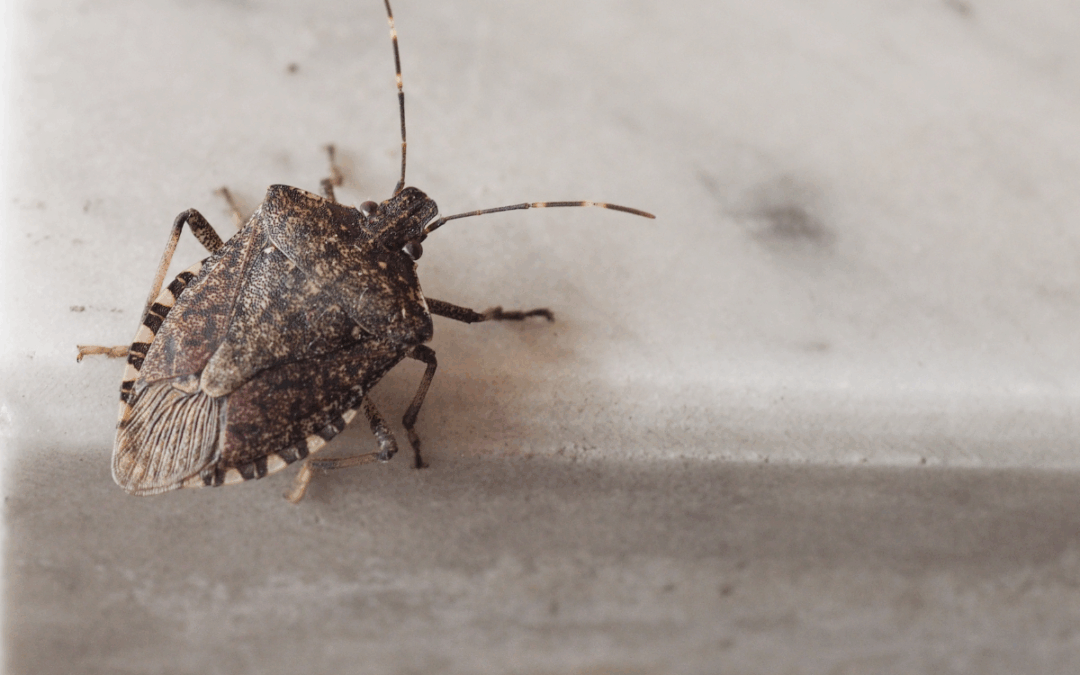
Brown Marmorated Stink Bugs
Native to Asia, the brown marmorated stink bug is now a common sight across the United States. These shield-shaped insects are about a half inch long and mottled brown. As their name suggests, they release a foul odor when disturbed or crushed, which is their primary defense mechanism. During fall, they seek warm, sheltered places to hibernate, making homes an ideal target.
Multicolored Asian Lady Beetles
Often mistaken for native ladybugs, Asian lady beetles can be identified by their variable coloration, ranging from tan to reddish-orange, and a distinctive ‘M’-shaped marking behind their head. Like stink bugs, they gather in large numbers on sunny, exterior walls in the fall. They seek out small cracks and crevices to enter homes, where they will remain dormant until spring.
Why These Pests Invade Hermitage, Tennessee Homes
The primary driver for these fall invasions is survival. As temperatures drop and daylight hours shorten, stink bugs and Asian lady beetles enter a hibernation-like state called diapause. To survive the winter, they must find a protected location that shields them from the elements.
Your home offers the perfect refuge. It provides warmth, shelter, and protection from predators. These pests are drawn to the heat radiating from sun-exposed siding and will exploit any available opening to get inside, often congregating in attics, wall voids, and behind baseboards.
Proven Strategies for Pest Prevention
The most effective way to manage fall invaders is to prevent them from entering your home in the first place. A few key preventative measures can make a significant difference.
Seal Potential Entry Points
A thorough inspection of your home’s exterior is the most critical step. Denying pests entry is your best line of defense.
- Inspect and Seal: Examine your foundation, siding, and areas around windows, doors, and utility pipes for any cracks or gaps. Use a high-quality silicone caulk to seal these vulnerabilities.
- Repair Screens: Ensure all window and door screens are in good condition and free of tears or holes.
- Secure Vents: Install fine-mesh screening over attic vents, exhaust fans, and chimneys to block potential access points.
Reduce Exterior Attractants
Making the exterior of your home less appealing can discourage pests from gathering.
- Exterior Lighting: Consider using yellow “bug lights” for exterior fixtures, as they are less attractive to insects.
- Manage Landscaping: Trim back vegetation and tree branches that touch your house, as pests can use these as bridges to gain access.
Proper Removal of Indoor Pests
If you find stink bugs or lady beetles inside, avoid crushing them. Instead, use a vacuum cleaner with a hose attachment to remove them. Once collected, you can dispose of the vacuum bag to prevent odors from lingering.
By implementing these exclusion and prevention techniques, you can significantly reduce the likelihood of a fall pest invasion. Protecting your home requires a proactive and consistent approach.
If you are experiencing a persistent issue with stink bugs, Asian lady beetles, or other pests, professional intervention may be necessary. Contact a certified pest control expert for a comprehensive property inspection and a customized management plan to address your specific needs.
Nov 13, 2025 | Florida Termite Control
While many Naples homeowners associate termite activity with the spring, the pleasant fall weather can create conditions for these pests to remain active. In November, certain termite species continue to pose a threat to properties, often working unseen until significant damage has occurred. A proactive approach to termite prevention is essential for protecting your home’s structural integrity.
This guide provides information on why termites can be a problem in the fall, how to identify the warning signs, and what steps you can take for effective termite defense in Naples.
Why Termites Remain a Threat in the Fall
In Southwest Florida’s warm climate, termites do not go dormant as they might in colder regions. Species like the highly destructive Formosan subterranean termite can remain active year-round.
Consistent Moisture and Warmth
Naples’ climate provides the two key ingredients termites need to thrive: moisture and warmth. A damp autumn can keep soil moist, allowing subterranean termites to continue foraging for food sources—namely, the wood in your home.
Signs of a Mature, Thriving Colony
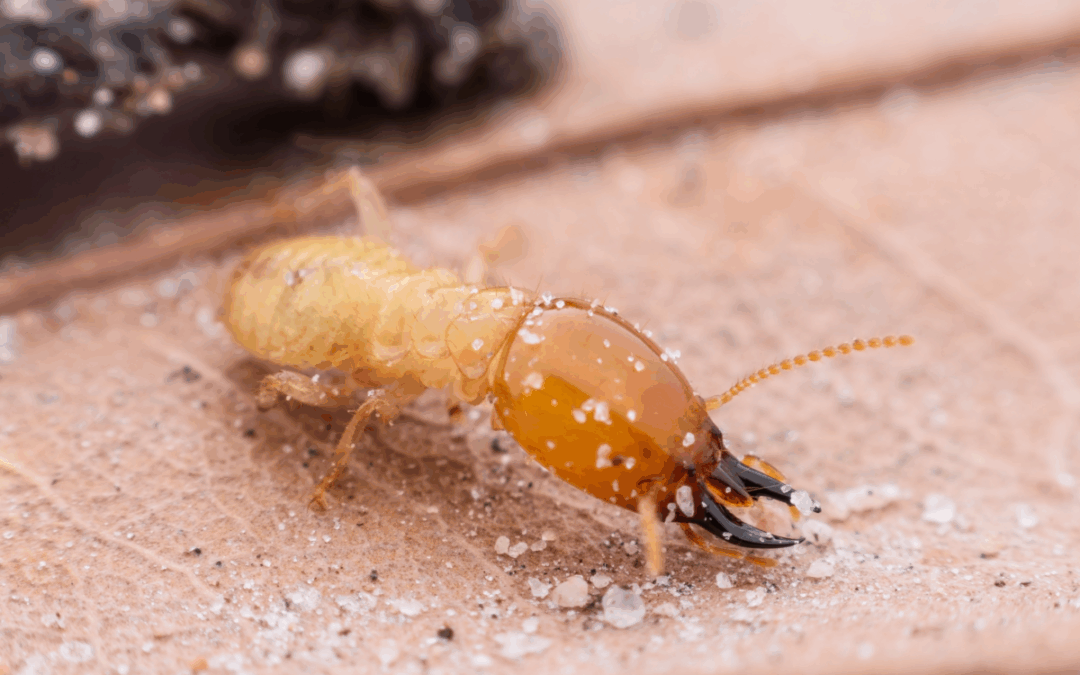
A termite swarm, regardless of the time of year, is a clear indication that a mature colony of any size is located nearby. Colonies must be several years old before they have the resources to produce these reproductive members. Seeing a swarm is a critical warning sign that should not be ignored.
How to Identify a Termite Infestation
Early detection is crucial for minimizing damage. Since termites often operate out of sight, homeowners must be vigilant for subtle signs of their presence.
Key Indicators of Termite Activity
- Discarded Wings: After a swarm, termites shed their wings. You may find small piles of these identical, translucent wings on windowsills, near doorways, or in spiderwebs. This is often the most visible evidence of a recent termite swarm.
- Mud Tubes: Subterranean termites build pencil-sized mud tubes to travel from their soil-based colonies to their food source. Check your home’s foundation, crawl spaces, and exterior walls for these distinctive earthen tunnels.
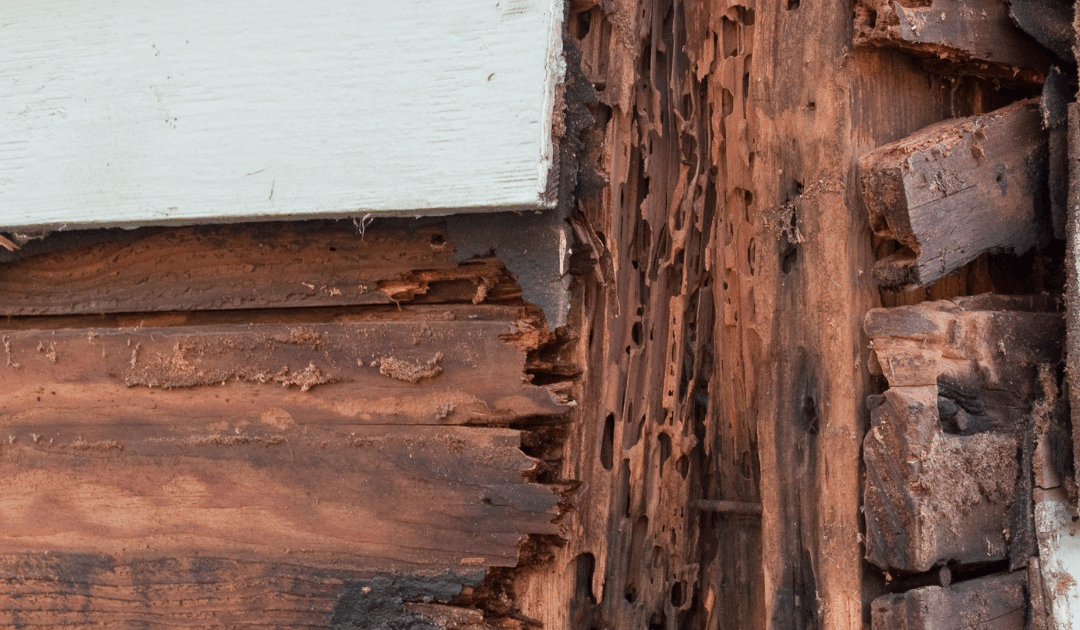
- Damaged Wood: Termite damage can appear as hollowed-out or honeycombed wood. Tapping on wood surfaces may produce a hollow sound. You might also notice blistering or darkening of wood structures.
Essential Strategies for Termite Defense in Naples
A comprehensive prevention strategy is the most effective way to protect your home. This involves making your property less attractive to termites by eliminating the conditions they seek.
Reduce Moisture Around Your Property
- Ensure gutters and downspouts are clear and direct water away from the foundation.
- Repair any leaking faucets, pipes, or air conditioning units promptly.
- Grade the soil around your foundation so that it slopes away from the house, preventing water from pooling.
Eliminate Wood-to-Ground Contact
- Keep firewood, lumber, and other cellulose-based debris stored at least 20 feet away from your home and elevated off the ground.
- Avoid using wood mulch directly against your foundation; consider alternatives like rubber or gravel mulch.
- Trim shrubs and tree branches so they do not touch your home’s exterior, as these can provide a hidden pathway for termites.
Schedule Professional Inspections
The most reliable method for termite defense in Naples is to have your home professionally inspected annually. A trained pest control expert can identify conducive conditions and early signs of an infestation that an untrained eye might miss.
Discovering signs of termites can be concerning, but it allows you to take action before a minor issue becomes a major problem. Do not attempt to resolve a termite infestation with do-it-yourself products, as these are often ineffective against the hidden colony.
If you have noticed discarded wings, mud tubes, or other signs of termite activity, contact a certified pest control professional immediately. A thorough inspection and a tailored treatment plan are the best way to protect your home and ensure your peace of mind.
Nov 7, 2025 | Uncategorized
As summer slides into fall in Georgia, residents often spot large, bright yellow-and-black spiders dangling in gardens, yards, and wooded areas. Commonly called “banana spiders,” these eye-catching arachnids aren’t just creepy crawlers—they’re nature’s pest-control experts. With trending searches like banana spider Georgia 2025 and big yellow spiders, it’s no wonder everyone’s noticing these local orb-weavers.
“Banana Spiders”
The Golden Silk Orb-Weaver (Trichonephila clavipes)
Appearance and Habitat
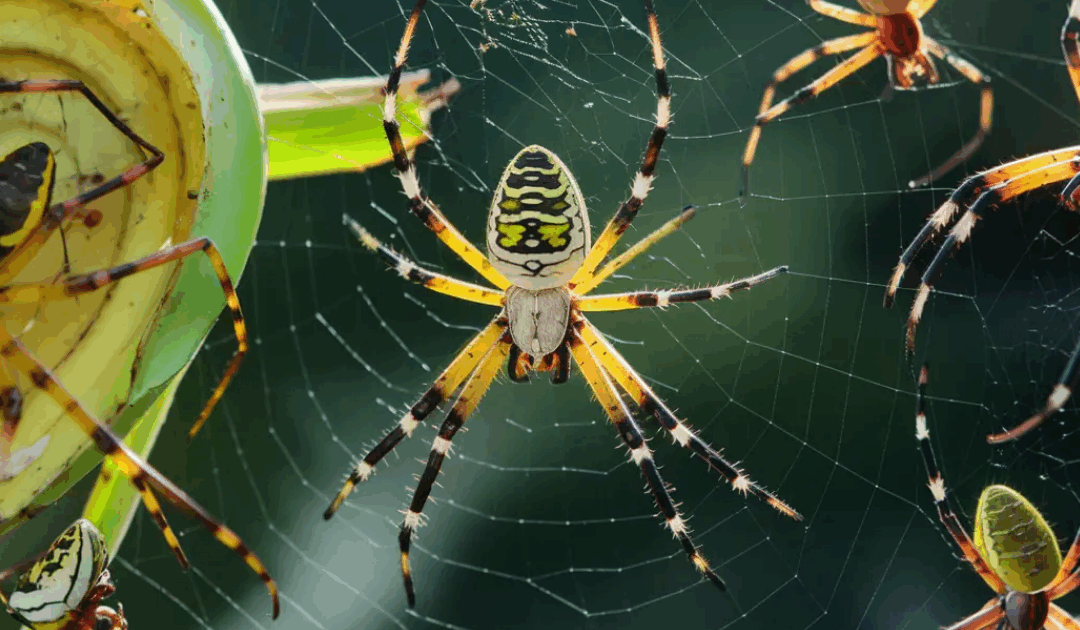
These show-stopping spiders have long yellow-orange abdomens and banded legs, while males are tiny sidekicks. Their signature golden webs glisten in sunlight and can stretch several feet wide across gardens, trails, and sunny spaces.
Are They a Concern?
Golden Silk Orb-Weavers are docile and bites are rare, usually causing only minor irritation—think bee-sting mild. Their webs trap countless insects, including pesky mosquitoes, making them your backyard’s natural bug zappers.
The Joro Spider (Trichonephila clavata)
Appearance and Habitat
A new Georgia resident from East Asia, Joro females flaunt bold yellow-and-black stripes with red markings on their underside. Their huge, multi-layered webs appear in trees, power lines, and open areas, making them hard to miss in the fall.
Are They a Concern?
Despite their size and “alien” looks, Joros are harmless. Their fangs are too small to bite humans or pets, and they’re generally shy—perfect for spider-watchers rather than spider-fighters.
The Yellow Garden Spider (Argiope aurantia)
Appearance and Habitat
Females boast striking black-and-yellow abdomens with signature zigzag web patterns (stabilimentum). They spin classic wheel-shaped webs in gardens, fields, and roadsides, low enough to catch buzzing insects.
Are They a Concern?
Non-aggressive and rarely biting, these spiders are excellent garden allies, keeping plant-damaging insects under control.
So next time you spot a banana spider in Georgia, don’t scream—snap a photo instead! These big yellow spiders are doing the heavy lifting, keeping insects in check while giving the Georgia fall landscape a little extra flair. If you’re having issues with spiders or other household pests, contact a pest control expert for a free quote!
Nov 4, 2025 | Company News
If you’ve ever attended a Northwest Exterminating event or an event where Northwest might be in attendance, chances are you’ve seen Chuck Negas, Director of Commercial Development, behind the camera capturing smiles, teamwork, and special moments that tell the story from that day. But on October 14, the tables turned when Chuck found himself in front of the lens for a change.
Chuck was recognized as the very first recipient of the “Friends of the Industry” Award, presented by Ghertner & Company at their Second Annual Invitational in Nashville, Tennessee.
This year Chuck was asked to provide photography services, capturing team photos throughout the day so that participants will be able to take home a memory of the day’s events. Chuck happily accepted the opportunity, always eager to support partners and strengthen relationships.
Midway through the event, Chuck was called to the front as Ghertner’s leaders began sharing their appreciation for Northwest Exterminating’s partnership, including details about Chuck’s dedication, dependability, and personal commitment to service. To his complete surprise, they presented him with an award, honoring his professionalism, collaboration, and genuine care for their team.
When asked about the award and what it meant to him, Chuck stated, “I was totally shocked, but mostly, I was very humbled by it and proud as well! Just to be able to get Northwest’s name mentioned and recognized in front of such a large audience. I really enjoy what I do, and the opportunity to meet and build relationships with such incredible people.”
This recognition is more than an individual achievement; it’s a reflection of Northwest’s dedication to building strong, lasting relationships rooted in trust, respect, and genuine friendship.
“Relationship building is not about somebody that goes out and tries to get a fast sale.” Said Chuck. “People have to see and understand that you’re there to serve them. They need to know how much you care – that’s what it is all about, care.”
Chuck’s recognition stands as a testament to what happens when dedication meets authenticity. His unwavering commitment to serving others embodies the Northwest Way – where relationships come before sales, and every partnership is built to last.
Congratulations, Chuck! We’re proud to see you honored for the same care and service you bring to every interaction both behind and in front of the camera.
Oct 31, 2025 | Florida Termite Control
For homeowners in Broward County, the idyllic fall weather doesn’t mean termites take a break. Florida’s warm, humid climate allows these silent destroyers to remain active year-round. October is a key time for vigilance, as certain termite species continue their work, threatening the structural integrity of your home. Understanding the threat and recognizing early signs can save thousands in repairs. This guide covers why termites are a persistent problem in the fall and what steps you can take to protect your property through termite control solutions.
Why Termites Are a Year-Round Threat in Broward
South Florida’s Ideal Climate for Termites
Unlike regions with cold winters, Broward’s subtropical climate provides constant warmth and moisture. Species like Formosan and Asian subterranean termites thrive year-round. While swarming is more common in spring, colonies continuously forage for cellulose, keeping your home at risk even in October.
The Hidden Damage to Your Home
Termites consume wood from the inside out, often leaving the exterior intact until damage is severe. Infestations can go unnoticed for years, weakening foundations, support beams, and walls. By the time damage is visible, repairs can be extensive and costly.
How to Identify a Termite Infestation
Mud Tubes on Foundations
Subterranean termites build pencil-sized tunnels from soil, wood, and saliva. These “mud tubes” serve as protected pathways from underground colonies into your home. Inspect foundations, crawl spaces, and interior walls.
Discarded Wings
After mating, reproductive termites shed wings that resemble tiny, translucent fish scales. Check windowsills, doorways, and spiderwebs for these telltale signs.
Damaged or Hollow-Sounding Wood
Tap on baseboards, door frames, and exposed beams. Wood that sounds hollow or feels papery may be compromised. Bubbling paint or darkened wood can also indicate termite activity.
Proactive Prevention for Broward Homeowners
Eliminate Moisture
Termites are attracted to water. Check and repair leaky pipes, faucets, and AC units. Keep gutters clean and downspouts directing water away from your home’s foundation.
Remove Food Sources
Direct wood-to-ground contact gives termites an easy entry point. Store firewood, lumber, and cellulose debris at least 20 feet from your home and raised off the ground. Maintain a clear gap between mulch or soil and siding.
Keeping Your Home Protected With Termite Control
Termite prevention requires year-round diligence, from controlling moisture and removing wood debris to monitoring signs like mud tubes and discarded wings. Even with the best precautions, an established infestation requires a professional approach to ensure complete colony elimination. If you notice any signs of termites or want to strengthen your defenses, a certified pest control expert can provide a thorough inspection and a targeted termite control plan.