Oct 30, 2025 | Pest Control
As winter arrives in Laurens, SC, cooler temperatures often drive pests indoors in search of warmth, food, and shelter. Your home becomes a cozy refuge, making it a prime target for winter infestations. Knowing which pests are most likely to move inside is the first step toward protecting your property.
The Most Common Winter Pests
Rodents (Rats and Mice)
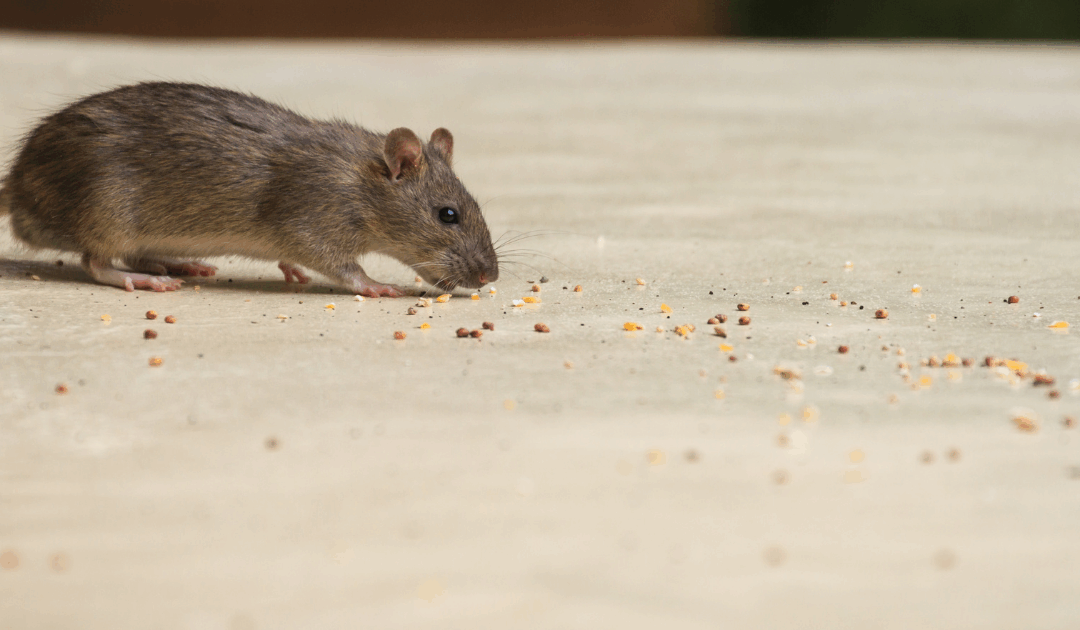
Rodents are among the most persistent winter pests. With outdoor food scarce and temperatures dropping, mice and rats seek warmth and reliable food indoors. They can squeeze through tiny cracks in foundations, siding, and rooflines.
(Risks Posed by Rodents)
Inside, rodents can gnaw on wiring, creating a fire hazard, and damage insulation or drywall for nesting. They also contaminate surfaces with droppings and urine, carrying diseases and bacteria that can affect your family’s health.
Cockroaches
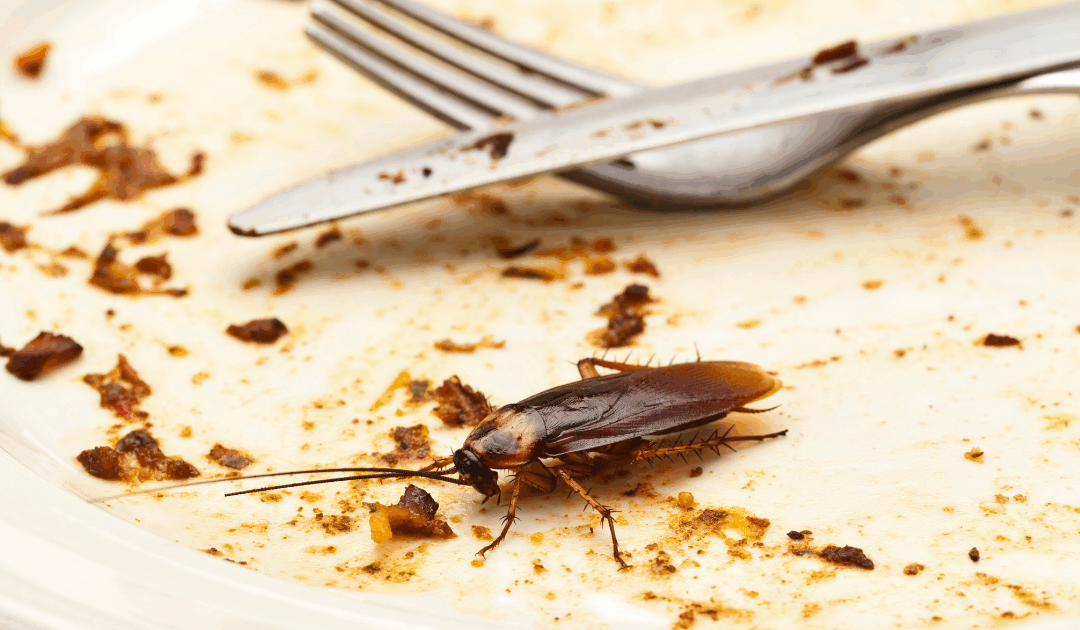
Some cockroach species, like the American cockroach, move indoors during winter to escape the cold. They prefer dark, moist areas such as kitchens, bathrooms, and basements.
(Health Concerns from Cockroaches)
Cockroaches spread pathogens from unsanitary areas to food preparation surfaces. Their droppings and shed skins contain allergens that can trigger asthma and allergic reactions, especially in children or those with respiratory sensitivities.
Spiders
Outdoor spiders often follow prey indoors as temperatures drop. You might notice webs in basements, attics, closets, or garages. Most house spiders are not dangerous, but their presence is usually unwelcome.
(Identifying Potential Issues)
A noticeable increase in spiders may indicate other pest activity, as spiders feed on insects like ants, flies, or crickets.
Proactive Prevention Strategies
Seal Your Home’s Exterior
Blocking entry points is the most effective way to prevent winter pests.
- Inspect and Seal: Check foundations, siding, and rooflines for cracks and holes. Seal gaps with caulk or steel wool.
- Doors and Windows: Add weather stripping to doors and ensure window screens are intact.
- Cover Openings: Install chimney caps and vent screens to keep pests out.
Eliminate Indoor Attractants
Make your home less appealing by removing food and moisture sources.
- Maintain Cleanliness: Store food in airtight containers, wipe spills promptly, and avoid leaving pet food out overnight.
- Control Moisture: Fix leaks and use dehumidifiers in damp spaces.
- Reduce Clutter: Declutter basements, closets, and garages to remove hiding spots.
Winter Pest Recap
Winter pests like rodents, cockroaches, and spiders look for warmth, food, and shelter inside homes. Preventive measures, including sealing entry points, reducing clutter, controlling moisture, and keeping a clean home, are the most effective ways to protect your property. If pests are already inside, a professional inspection ensures they are removed and the problem is addressed. Contact a certified pest control expert today to protect your Laurens home throughout the winter.
Oct 24, 2025 | Florida Pest Control
Finding cockroaches in your Naples home can be unsettling, often raising the question: do they bite? While the idea is alarming, it’s important to separate fact from fiction. Understanding the real risks helps you protect your household and take effective action. This guide clarifies the truth about cockroach bites, outlines actual health concerns, and offers practical prevention tips.
Do Cockroaches Actually Bite Humans?
The Reality of a Cockroach Bite
Yes, cockroaches can bite, but it’s extremely rare. They are not aggressive toward humans and only bite under extreme conditions, such as a severe infestation with scarce food. Bites may occur on fingernails, eyelashes, or calloused skin, usually while a person is sleeping.
Identifying a Potential Bite
A bite appears as a small, red, raised bump similar to a mosquito bite. It may become itchy or inflamed. Due to its generic appearance, it’s nearly impossible to confirm a cockroach bite without signs of a significant infestation.
The Real Health Risks of a Cockroach Infestation
Contamination and Disease Transmission
Cockroaches frequent unsanitary places like drains, sewers, and garbage, picking up bacteria and pathogens. As they crawl across food, counters, and utensils, they can transfer germs like Salmonella and E. coli, increasing the risk of illness.
Allergies and Asthma Triggers
Cockroach saliva, droppings, and shed skins contain proteins that become airborne allergens. Sensitive individuals, particularly children and the elderly, may experience allergic reactions, rashes, sinus infections, and asthma attacks. Infestations can significantly reduce indoor air quality.
How to Prevent Cockroaches in Your Naples Home
Eliminating Food and Water Sources
Make your home inhospitable to cockroaches with diligent sanitation.
- Wipe up crumbs and spills immediately and avoid leaving dirty dishes overnight.
- Store all food, including pet food, in airtight containers.
- Use trash cans with tight lids and remove garbage regularly.
- Repair leaky faucets and pipes to remove moisture sources.
Sealing Entry Points and Reducing Clutter
Prevent access and remove hiding spots.
- Seal cracks in walls, around pipes, and along baseboards.
- Check doors and windows for intact weather stripping and screen integrity.
- Declutter areas like cardboard boxes and stacked newspapers to reduce harborage.
Keeping Your Home Cockroach-Free
Sanitation, moisture control, and sealing potential entry points are your first defense. While bites are rare, contamination and allergens are real concerns. If you spot cockroach activity, it signals a problem that should be addressed promptly.
Call a certified pest control technician for a thorough inspection and a targeted treatment plan to protect your home and enjoy peace of mind this season.
Oct 23, 2025 | Green Commercial Pest Control
Keeping a medical facility pest-free is crucial for patient health and property protection. Pests can compromise sanitation, damage property, and pose health risks. For healthcare administrators in Atlanta, selecting a provider that prioritizes both effectiveness and environmental responsibility is key. Eco-friendly pest control offers a healthy, targeted solution that meets these needs.
The right provider will understand the unique challenges of medical environments and use strategies that are both compliant and low-impact. This guide explains what to look for to protect your facility, staff, and patients.
Why Eco-Friendly Pest Control is Essential for Healthcare
A Commitment to Patient and Staff Health
Medical facilities house vulnerable populations, making protection a top priority. Eco-friendly methods, like Integrated Pest Management (IPM), minimize chemicals and focus on prevention, monitoring, and targeted treatments to create a healthier indoor environment.
Adherence to Strict Regulatory Standards
Healthcare facilities are subject to inspections from bodies like the Joint Commission. Pest sightings can lead to failed inspections or citations. Providers using IPM maintain detailed records of services and pest activity, helping your facility demonstrate compliance during audits.
What to Look for in a Pest Control Provider
Expertise in Healthcare Environments
Select a provider experienced in medical facilities who understands sensitive areas like kitchens, patient rooms, and waste disposal sites. Technicians should work efficiently and discreetly, avoiding disruption to patient care.
A Clear Integrated Pest Management (IPM) Strategy
Ask providers to outline their IPM program. Key elements include:
- Inspection and Monitoring: Identify pests and conditions supporting them.
- Prevention and Exclusion: Seal entry points, control moisture, and improve sanitation.
- Targeted Treatments: Focused solutions for sensitive areas, using non-chemical methods when possible.
Proper Licensing, Insurance, and Training
Ensure the company and technicians hold the necessary Georgia licenses and insurance. Staff should be trained in both pest control and healthcare protocols, including HIPAA and infection control, ensuring reliable and secure service.
Protect Your Facility with Responsible Pest Control
Eco-friendly pest control safeguards patient care, regulatory compliance, and your facility’s reputation. Providers with healthcare expertise, a strong IPM plan, and thorough documentation provide the most effective, secure, and responsible solutions.
Don’t wait for pests to become a problem. Contact a certified commercial pest control expert today for a tailored consultation and a plan designed for your facility’s unique needs.
Oct 17, 2025 | Florida Termite Control
In Miami, termites are a year-round concern. Unlike regions where cooler weather slows pests, our tropical climate allows destructive termites to stay active. October is a critical time for homeowners to remain vigilant, as certain termite species, including the formidable Formosan subterranean termite, continue to silently threaten your property. Understanding the termite threat in Miami is key to protecting your home. This guide explains what to watch for and how to reduce risk.
Why Termites Remain a Major Threat in October
Understanding Year-Round Termite Activity
Miami’s warm, humid climate means termites have no true “off-season.” While swarm season peaks in spring, colonies work continuously. Autumn rain and consistent moisture encourage subterranean termites to forage for wood and other cellulose sources to feed their growing populations.
The Hidden Dangers to Your Home
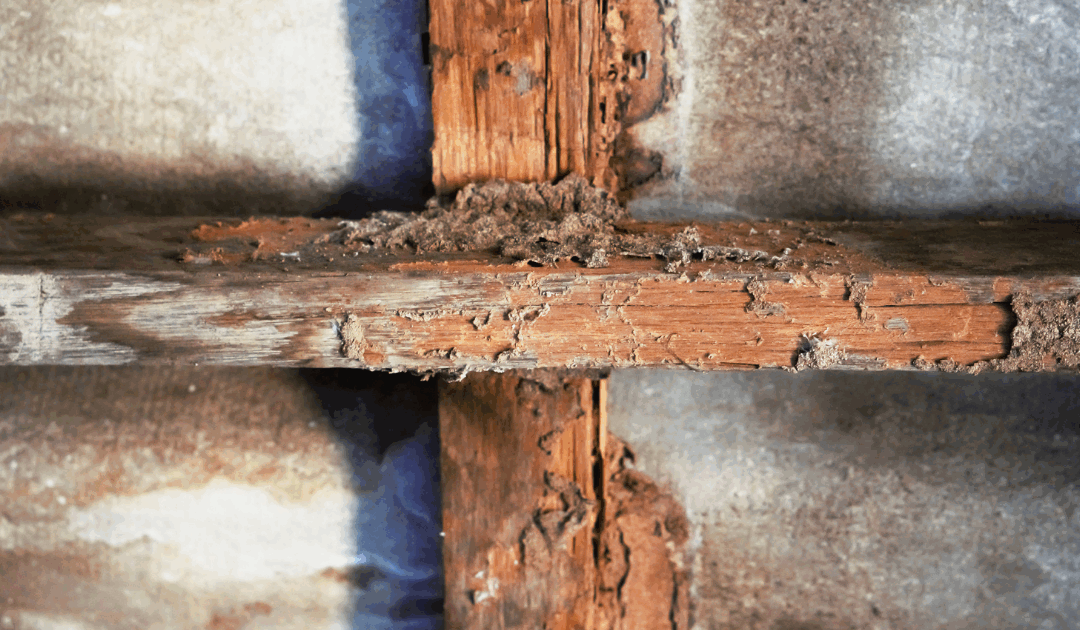
Termites consume wood from the inside out, often leaving no visible damage until the structure is seriously compromised. This can weaken support beams, hollow floors, and damage walls, resulting in costly repairs. The termite threat is not just a nuisance; it directly affects your home’s structural integrity and value.
Identifying an Active Termite Infestation
Mud Tubes
Subterranean termites build pencil-sized mud tubes to travel from underground colonies into your home. Check foundations, crawl spaces, and interior walls for these tunnels.
Discarded Wings
After swarming, reproductive termites shed wings. Look for tiny piles on windowsills, near doors, or caught in spiderwebs—a clear sign a colony is nearby.
Wood Damage
Tap wooden surfaces like baseboards, window frames, and support posts. Hollow or papery sounds, blistering, or darkened wood may indicate termite activity.
Proactive Steps for Termite Prevention
Eliminate Moisture Sources
Termites need moisture to survive. Repair leaky pipes, faucets, or AC units, and keep gutters and downspouts clear to direct water away from your foundation.
Remove Wood-to-Ground Contact
Keep lumber, firewood, and other cellulose debris at least 20 feet from your home on raised platforms. Maintain a gap between mulch or soil and siding to reduce access points.
Staying Ahead of Termites This Fall
Preventing termite damage starts with vigilance. Regularly inspect for mud tubes, discarded wings, and compromised wood while eliminating moisture and wood-to-ground contact. These steps help reduce risk, but established colonies often require targeted strategies.
If you notice any signs of termite activity or want to ensure your home is fully protected, call a certified termite control technician today for a thorough inspection and a customized plan to protect your property.
Oct 16, 2025 | Green Commercial Pest Control
For owners and managers of commercial properties, maintaining a clean, healthy, and pest-free environment is essential. Pest infestations can disrupt operations, harm your reputation, and result in significant financial loss. Green pest control offers a responsible, effective solution that aligns with sustainability goals and modern business practices.
Rooted in Integrated Pest Management (IPM), this approach protects tenants, customers, and your brand. This guide explains why a sustainable pest management program is critical and what to look for in a professional commercial pest control provider.
The Business Case for Green Pest Control
Enhancing Your Brand and Corporate Responsibility
Sustainability is a core business value that influences consumer and tenant decisions. Implementing green pest control demonstrates environmental stewardship and concern for public health. This responsible choice enhances your brand, appeals to eco-conscious clients and tenants, and differentiates your business in a competitive market.
Creating a Healthier Environment for Occupants
Green pest control reduces conventional chemical treatments, improving indoor air quality and reducing occupant exposure. In multi-tenant buildings, offices, and retail spaces, this approach creates a healthier, more comfortable environment for employees, customers, and visitors while reducing potential complaints and liability.
Achieving Long-Term Effectiveness and Cost Efficiency
A sustainable strategy focuses on prevention rather than reacting to pest sightings. IPM identifies and eliminates root causes, including entry points, moisture, sanitation gaps, and habitats. Addressing these conditions results in long-lasting results and can reduce costs from repeated infestations and property damage.
Choosing the Right Commercial Pest Control Partner
Proven Commitment to Integrated Pest Management (IPM)
Ask potential providers about their IPM program. A reputable partner emphasizes inspections, continuous monitoring, and non-chemical methods such as structural exclusion, habitat modification, and sanitation consulting. Chemicals are used only when necessary and applied in a targeted way.
Expertise in Diverse Commercial Environments
Commercial properties vary from offices to warehouses and retail centers, each with unique pest challenges. Providers should have experience with different commercial clients, understand how to work discreetly, schedule services to minimize disruption, and comply with regulations.
Comprehensive Documentation and Partnership
A professional provider acts as a strategic partner in maintaining your property’s integrity. Look for transparent documentation of inspections, pest activity, and any materials used. Clear, consistent communication is essential for a successful partnership and demonstrates due diligence during audits.
Commercial Pest Control Recap
Adopting green pest control strengthens your brand, supports sustainability goals, and creates a healthier environment for everyone on your property. By focusing on prevention and partnering with an IPM expert, you can achieve long-lasting protection. For a tailored, responsible pest management plan, contact a certified pest control professional today.