Aug 25, 2023 | Pest Control
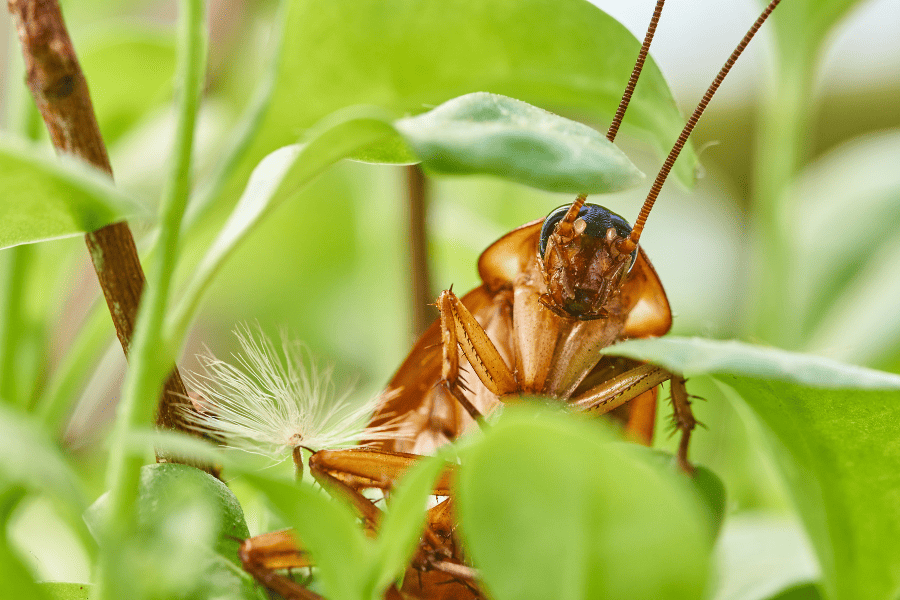
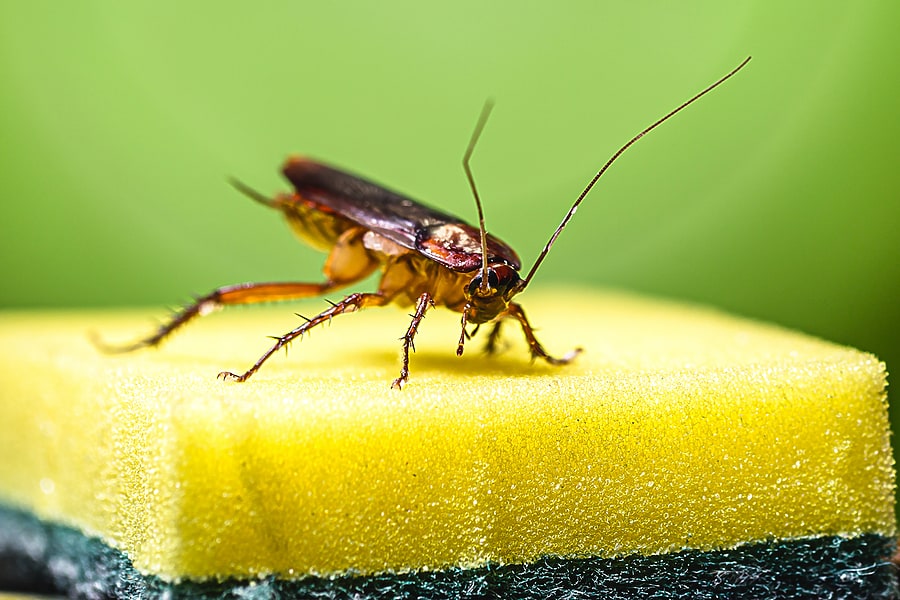
Roaches are common household pests that are highly resilient and difficult to eliminate. They reproduce quickly, making them hard to keep under control once an infestation has been established. Cockroaches will infest anywhere they can find an available supply of food, water, and shelter. They are commonly found in areas near food and moisture (kitchens and bathrooms). They are also prevalent in multiunit housing (apartments, condos, etc.). Once established in your home, roaches can cause serious health risks for you and your family. Here are some of the reasons roaches are dangerous to your health.
Carriers of Diseases
Roaches are known to carry at least 30 different types of bacteria including typhoid fever, cholera, dysentery, and poliomyelitis. They spread these diseases to humans by contaminating food and surfaces in our home. We can also inhale bacteria from the air near a cockroach infestation.
Allergy and Asthma Triggers
The allergens roaches carry can trigger asthma in those who are already afflicted with it. They are also known to cause asthma in those who didn’t previously have it. The incidence of allergic reactions can increase when roaches are present in the home. They are triggered by cockroach debris, including discarded shells, saliva, body parts, and feces. Their saliva is also known to cause skin rashes and sneezing.
Surface Contamination
Roaches can be found scavenging through the trash, dumpsters, on spoiled food, and even feces. They pick up contaminants from these surfaces as they crawl through them which stick to their legs and bodies and are then left behind as they crawl across our food and clean surfaces. When we eat food or touch surfaces that have been contaminated by roaches, it can cause sickness for us, as well.
Cockroach Prevention
Making your home less inviting to roaches is the first step in preventing them. Here are some cockroach prevention tips you can utilize in your home.
- Don’t leave dirty dishes in the sink.
- Take the trash out when the can is full.
- Clean toilets, tubs, and sinks regularly.
- Clean countertops with a cleaning solution.
- Keep floors swept, mopped, and vacuumed.
- Clean up pet feces from your yard.
- Keep food sealed tight.
- Throw out old or rotted food into an outdoor trashcan.
- Wipe off stovetops, tables, and counters after meals and food prep.
- Clean up spills immediately.
- Fix leaky pipes, faucets, toilets, and roofs.
- Use bathroom fans when bathing or showering to help reduce humidity.
- Remove any cardboard, newspapers, boxes, or other clutter.
- Caulk cracks and crevices throughout your home.
If you have a problem with roaches or other household pests, contact your local pest control company for an inspection.

Aug 21, 2023 | Florida Pest Control
Highly adaptable pests, cockroaches will find their way inside homes and quickly begin to multiply! Once they’ve infested in numbers, it can be difficult to control them. Understanding the factors that attract these pests into homes is your first step to preventing them! Check out our guide to preventing roaches from infesting your Florida home.
Types of Roaches in South Florida
There are several types of roaches homeowners should understand to properly prevent them. Here are some common roaches that you could come across at your home:
- American Cockroach: One of the largest cockroaches, these pests are reddish-brown with a yellow figure-eight pattern on the back of their heads. They prefer to live in dark, secluded areas such as basements or sewers.
- Brown-Banded Cockroach: Receiving their name from the light brown bands across their wings, brown-banded roaches prefer warmer, higher locations in a room, including in cabinets and behind picture frames. They can typically hide their egg cases in or underneath furniture.
- German Cockroach: Preferring warmer and humid spaces, German roaches will gravitate towards rooms where humans eat, such as kitchens. They can be identified by their light brown body with two dark brown stripes on their back.
- Oriental Cockroach: These roaches are considered to be one of the dirtiest roaches due to the strong odor they produce. You can identify them by their dark reddish-brown to shiny black color. They are often found in sewers, entering homes through drains and door thresholds.
Remove Food Sources
Roaches prefer to eat sugar, carbs, and protein but will eat about anything they can find. Regularly clean up any leftover food, spills, or crumbs on tables, countertops, and appliances, especially after cooking or eating a meal. After a grocery trip or storing leftovers, look to place your food in airtight containers. Likewise, rinse out cans, bottles, or jugs, before throwing them out in your garbage can. Finally, empty your garbage on a regular basis, placing it outside in trash cans with lids.
Remove Water Sources
Did you know that roaches are able to survive without water for 2 weeks? It’s true! Despite this, they still seek out water as much as they can and will enter homes if they’ve found it. It’s important to remove any standing water inside or outside of your home. Look to remove water near drains and sinks, particularly overnight. Your crawlspace and basement can create excess moisture; consider utilizing a dehumidifier or installing a moisture barrier or crawlspace enclosure to help.
Remove Shelter
Roaches love clutter, making it essential to remove any unnecessary items from your home, garage, and attic. Get rid of any old cardboard boxes, newspapers, and magazines. Likewise, vacuum and dust periodically and consider painting or varnishing your wood shelves to seal cracks and crevices where roaches tend to hide. Check your interior walls, skirting, electrical outlets, baseboards, sinks, and cabinets for any gaps or openings, sealing them as soon as possible. Inspect that your windows and doors are sealed and consider utilizing weatherstripping.
Prevention is a great way to keep cockroaches away, but if the issue becomes more than you can handle, it’s always best to call your local pest control company for help. These professionals will be able to identify the infested roach and provide you with a treatment and prevention plan.
Aug 17, 2023 | Bed Bug
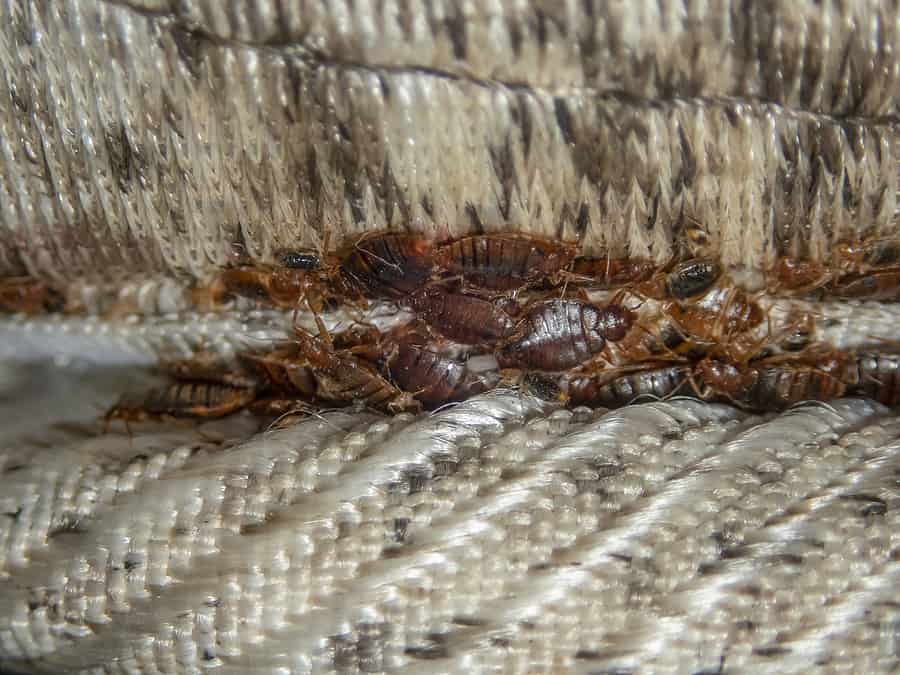
Traveling can be stressful. The last thing anyone wants to deal with on top of the routine stress of traveling is bed bugs. These pests are notorious hitchhikers and often catch rides with travelers on their luggage to move from place to place. How can you eliminate the potential for bed bugs while traveling?
While traveling, here are some things you can do to help prevent bed bugs:
- Inspect your hotel room carefully before unpacking. Look for signs of bed bugs, such as small, dark spots, bloodstains, or eggshells.
- Don’t put your luggage on the bed or on the floor. Instead, put it on a luggage rack or in a closet.
- Wash your clothes and bedding as soon as you come home. The heat from the dryer will help eliminate any hitchhiking bed bugs.
- Inspect your home for signs of bed bugs after you have returned.
Where can bed bugs be found? Here are some common places you should keep an eye out for:
- Airbnb and Hotels: More common in hotels, bed bugs can be found in any accommodation, including Airbnbs.
- Public transportation: Bed bugs can hitch a ride on your clothing or luggage if you sit in an infested seat. This can include buses, airplanes, or ride-share.
- Public places: Bed bugs can be found in public spaces including libraries, movie theaters, and gyms.
- Friends or family homes: if you visit a friend or family member’s home who has bed bugs, you could bring them back to your own home.
If you think you may have brought bed bugs home with you from your travels, here are some things you can do:
- Inspect your home carefully for signs of bed bugs. Look for the signs mentioned above.
- Wash your clothes and bedding in hot water. This will help to eliminate any bed bugs that may be present.
- Call your local pest control company. They will be able to inspect your home and treat it for bed bugs!
Aug 10, 2023 | Wildlife
The summer heat is dying down and fall is just around the corner. This is the time of year when we begin to see wildlife creatures around our home getting ready for the winter season. But what are the signs of a wildlife invasion? Common signs include feces, hearing noises, finding chewed wires, and even discovering your trashcan rummaged through.
Now that you know the common signs of wildlife in your home, here’s our list of the most common wildlife you could see this fall:
Raccoons:
Some of the most common wildlife that can get into your home, raccoons are attracted to food and water, and they can be destructive if they get inside. They might come off as cute with their “bandit” style face, but they can cause damage by upending trashcans and spreading their contents across our yards, leaving droppings behind that contaminate our homes.
Opossums:
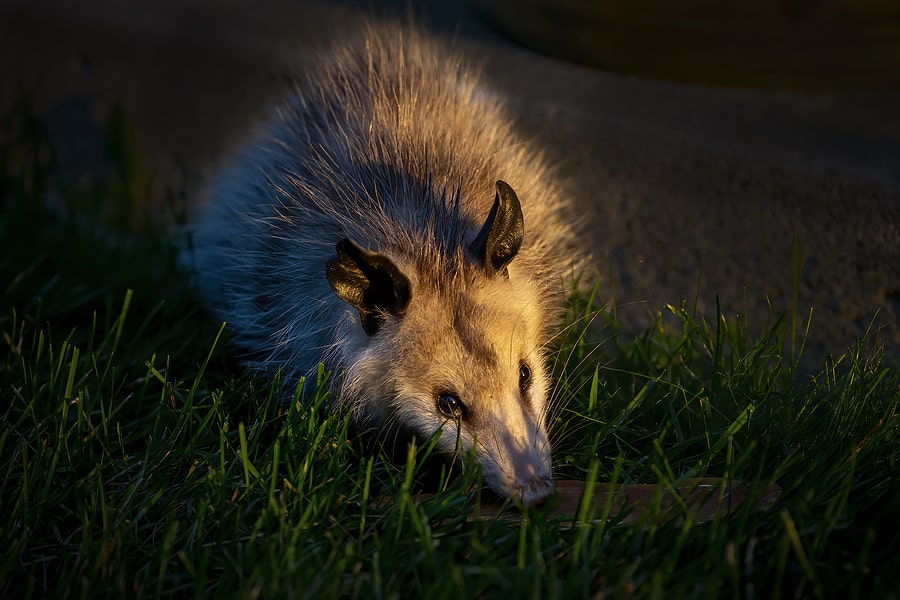
Another common pest, these critters can also find themselves in your home. They are not as destructive as raccoons but opossums can still be a nuisance. These nocturnal creatures can cause damage or contamination to the inside of your home, especially your attic.
Squirrels:
These smaller critters are attracted to food, and they can chew through wood and other materials to get inside. They will typically enter through your roof. A main concern with squirrels in your home is that they are known to chew through important wires, which can lead to house fires.
Rats:
Rats often make their way indoors looking for food and water. You will want to be sure to get any rodent infestation taken care of as soon as possible, as they have potential to spread diseases by contaminating the surfaces they walk on.
Mice:
The smallest animals out of all these pests, they can still be a nuisance. They are known for chewing through wires and other materials. They prefer to eat foods high in fat, protein, or sugar and can subsist without a free water supply. Unfortunately, their teeth continuously grow, so mice need to gnaw on many surfaces to maintain that, but this will cause extensive damage to your home.
If you are concerned about wildlife getting into your home, here are a few things you can do to prevent it:
- Don’t leave food out overnight
- Inspect your home regularly for signs of wildlife
- Keep your trash can tightly sealed
- Seal up any cracks or holes in your home’s exterior
If you see wildlife inside your home, consider contacting your local wildlife control company. They can safely and humanely remove these critters from your home.
Aug 8, 2023 | Wildlife
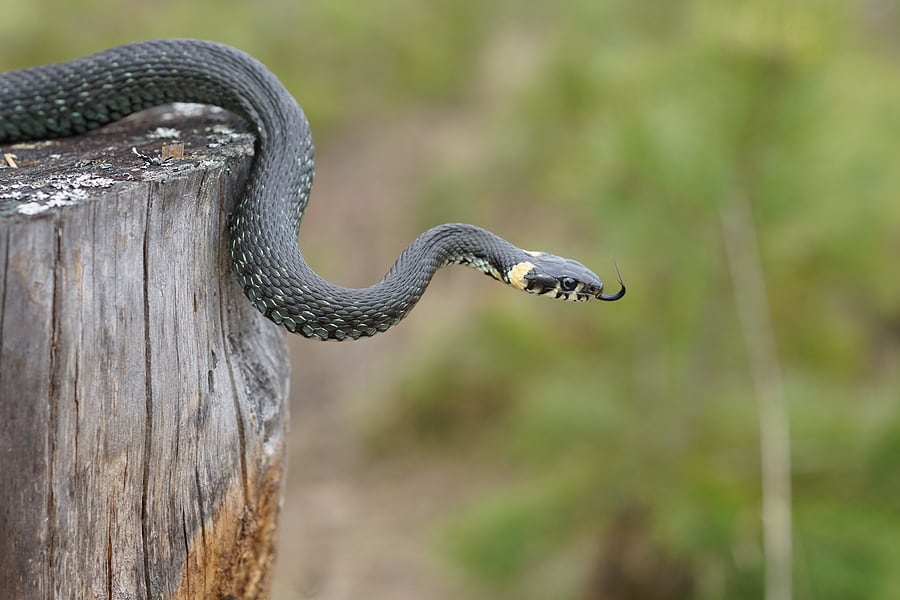
Most snakes you encounter are harmless, with only a few species of venomous snakes in Georgia. In fact, most snake bites occur when the snake is accidentally handled or touched when walking or climbing. Although most snakes aren’t aggressive and will flee rather than attack, it is still important to be safe when spending time outdoors. Here are some snake safety tips you can use this snake season.
- Walk with a buddy when possible, especially if you’re walking near woods and water sources.
- Don’t step or stick your hands into areas where you can’t see.
- When in the woods, wear closed-toe shoes, preferably over the ankle boots, thick socks, and long, loose-fitting pants.
- Carry a walking stick with you and tap ahead of you while walking into areas where you can’t see.
- Step onto rocks and logs vs over them in case a snake is using them for shelter.
- Avoid walking through dense brush.
- Avoid walking at night, if possible. If you must, carry a flashlight with you.
- Don’t pick up a snake, even if it’s dead. Reflexes can make a snake strike for up to an hour after it dies.
- If you come up on a snake, give it the right of way and slowly move out of its way.
- Educate yourself. Learn the difference between venomous and nonvenomous snakes in your area and how to identify them.
Keeping yourself and your family safe from snakes while spending time outdoors is very important. If you have a problem with snakes or other wildlife, contact your local pest control company for assistance.