May 30, 2023 | Mosquito
Summer is here, and so are mosquitoes. These pesky insects are known for their itchy, irritating bites, but have you ever wondered why mosquitoes bite in the first place? Let’s explore the reasons behind mosquito bites and share some tips for preventing and treating them.
Why do mosquitoes bite?
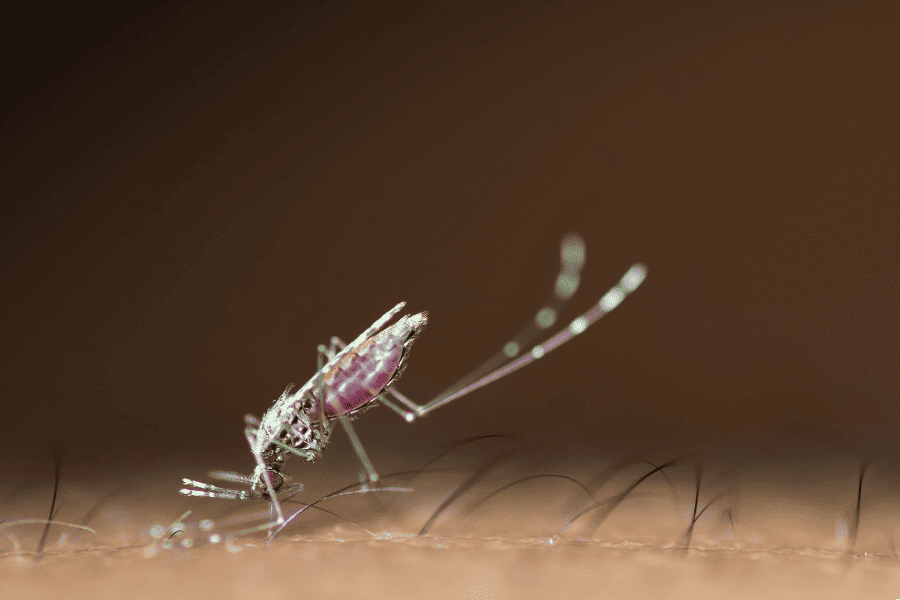
Female mosquitoes are the ones that bite, and they do it to obtain the protein they need to develop their eggs. Mosquitoes are attracted to carbon dioxide and other chemicals that humans and animals emit when they breathe and produce heat and moisture. When a mosquito lands on your skin, it uses its proboscis (a long, needle-like mouthpart) to pierce your skin and suck your blood. As it feeds, it injects saliva into your skin, which can cause an allergic reaction and result in itchiness and swelling.
How to treat a mosquito bite:
- Wash the affected area with soap and water to reduce the risk of infection.
- Apply a cold compress or ice pack to the bite to reduce swelling and relieve itching. Over-the-counter anti-itch creams and lotions containing ingredients like hydrocortisone, calamine, or menthol can also be helpful but always check with your doctor before utilizing one.
- Avoid scratching the bite, as this can increase the risk of infection and prolong healing time.
Mosquito bite prevention tips:
Preventing mosquito bites is the best way to avoid the discomfort they can cause. Here are some tips for keeping mosquitoes at bay:
- Use insect repellent: Apply an EPA-approved insect repellent to your skin and clothing before going outdoors. Look for products containing DEET.
- Wear protective clothing: Cover as much skin as possible by wearing long sleeves and pants.
- Avoid peak mosquito hours: Mosquitoes are most active at dawn and dusk, so try to limit outdoor activities during these times.
- Remove standing water: Mosquitoes breed in stagnant water, so remove any sources of standing water from your property, such as bird baths, clogged gutters, or flowerpots.
- Use screens: Install screens on windows and doors to keep mosquitoes out of your home.
If you have concerns about mosquitoes in your area, be sure to consult with your local mosquito control company for a customized mosquito prevention plan!
May 26, 2023 | Good Deed Team
During Northwest’s Random Acts of Kindness Day, our Bonita Springs team, along with help from the Naples Service Center, made the time to put together Happy Hope Bags that were then donated to the local Ronald McDonald House.
The Happy Hope Foundation was founded in 2011 as a way to deliver hope and joy to children facing chronic and life-threatening illnesses nationwide and internationally. The purpose of the Happy Hope Bags is to engage the children in the hopes it will distract them from their long hospital stays. Our team was able to complete a box of kits for the Ronald McDonald House.
The Ronald McDonald House’s mission is to create, find, and support programs that directly improve the health and well-being of children and their families. They opened their first house in 1974 after recognizing the need for parents to stay close to their hospitalized children. Today, there are 380+ homes and other programs around the world.
Our team had a great time being able to bring some joy to the local community, no matter how small. They can’t wait until next time! If you wish to get involved with either charity, then be sure to visit both of their websites to learn more!
May 25, 2023 | Florida Termite Control
South Florida Termite Control: Types of Termites
In South Florida, our warm, humid, and tropical weather is the perfect environment for termites to thrive. If these silent destroyers invade, their damage to your home or property can be devasting and could cost thousands of dollars in repairs. In Florida, there are two common types of termites that homeowners should be aware of: drywood termites and subterranean termites. To prevent these termites, it’s important to understand their differences and methods to keep them from infesting. Read more to learn about drywood termites and subterranean termites.
Common Termites in South Florida
Drywood Termites
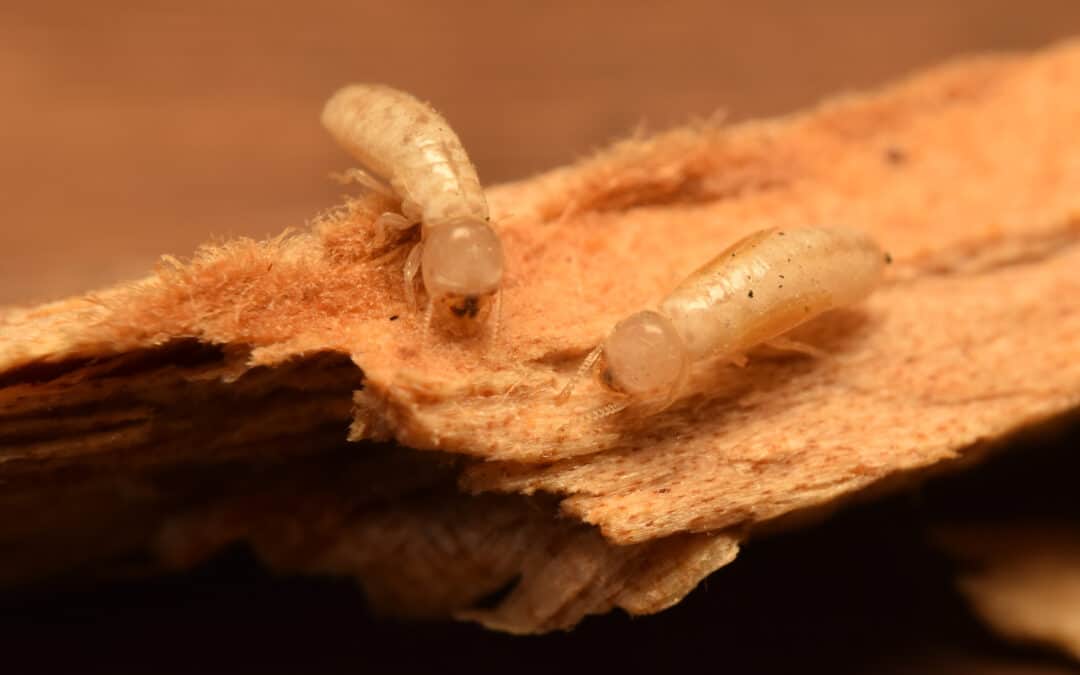
- These termites are brown or white and are larger than subterranean termites.
- They live and nest within wooden structures or dry wood.
- They do not need contact with the soil to live.
- One of the most common signs of their infestation is spotting frass, which can appear in piles in the infestation and often looks like sawdust.
Subterranean Termites
- There are two kinds of subterranean termites, the solider and the alate or flying termites.
- These termites need a water source to survive and will live in the soil to get it.
- These termites build tunnels and nests underground to ensure it’s humid enough and where they can obtain water.
- A sign of their infestation is seeing mud tubes, a mixture of soil, wood, saliva, and feces.
- You can often spot mud tubes along a home’s foundation or floor joints inside a building.
Preventing Termites in South Florida
Preventing both types of termites is essential to protecting the structural integrity of your home. When preventing subterranean termites, look to eliminate any moisture problems from your property, including that your yard has good drainage, fixing leaky pipes, and removing items that can hold water like buckets or old tires. Likewise, make sure that you are being cautious of the areas where there is soil-to-structure contact. For drywood termites, keep firewood at least 20 feet from the home and elevated off the ground, and regularly inspect your deck or patio for signs of damage.
One of the best ways to ensure your home is termite free is to get regular termite inspections from your local termite control company. These professionals will be able to give your home a thorough inspection and recommend the best prevention plan to avoid future termite infestations.
May 25, 2023 | Wildlife
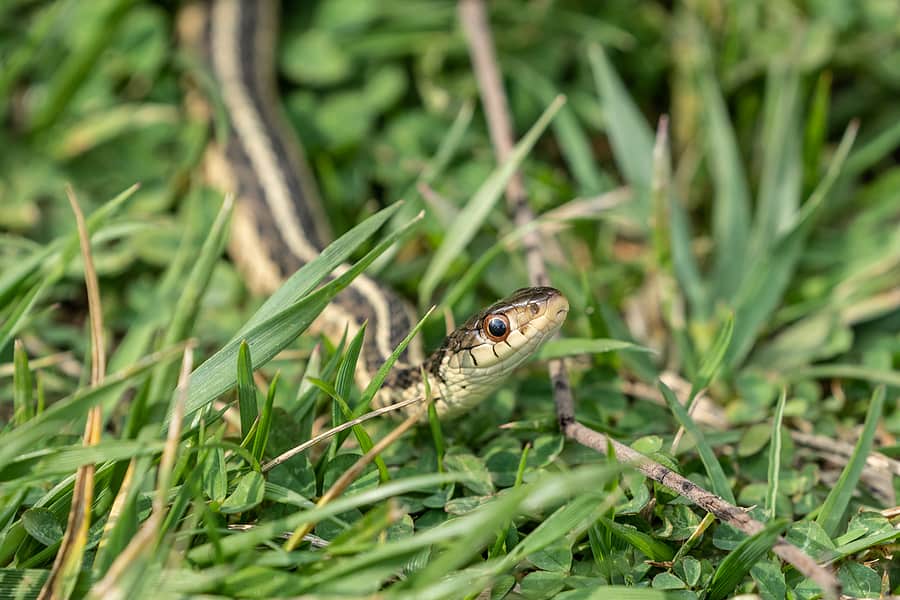
While the majority of snakes found in Georgia are non-venomous, there are a handful of venomous snake species around. Your first instinct when coming across a snake in or around your home might be to panic or to immediately get rid of it, unless it poses a direct threat to you or your family the best thing to do is leave it alone. Here are some benefits of keeping snakes around.
- Natural Pest Control. Snakes are great at keeping other pest populations around your home in check. They commonly feed on small mammals (especially rodents, including those who carry ticks that can be dangerous to humans), insects, birds, amphibians, and even other snakes. Without these wildlife creatures to help keep populations of these pests down, they would reproduce essentially unchecked and be incredibly difficult to keep under control.
- Balancing the ecosystem. Snakes are both predator and prey. Because of this, they play a vital role in maintaining the balance and biodiversity of the ecosystem. As mentioned above, when playing the role of predator, these creatures are great at keeping other pest populations down. When playing the role of prey, they are an important source of food for birds of prey and larger mammals (like foxes). Without snakes, these animals would struggle to find an adequate food source.
Snakes can be great to have around your home. If you can’t abide by the idea of a snake living close by, you can prevent them with these tips.
- Make your home and yard less attractive to snakes who are looking for food and shelter.
- Remove any food sources such as rodents or other pests.
- Keep pet food sealed in containers.
- Don’t leave pet food out overnight.
- Clean up spilled pet food and birdseed from the ground.
- Don’t overwater your lawn as this can attract worms, frogs, and slugs – another food source for snakes.
- Have your home inspected for rodents and other pests and maintain routine pest control treatments.
- Seal any entries into your crawlspace or basement that are larger than 1/4″.
- Make sure doorsweeps and window screens fit tightly.
- Cover vents and drains that come into the house.
- Keep grass mowed – tall grass and weeds provide more coverage from predators.
- Clean up any debris snakes can hide under (scarp metal, wood piles, trash, logs, etc.).
- Check the roof for overhanging vegetation – snakes are good climbers and can access your home from the roof.
If you do have a problem with snakes around your home, contact your local pest control company for a safe snake removal service.
May 23, 2023 | Pest Control
Do you know what it takes to become a qualified beekeeper? In the state of Georgia, there are many different levels of skill and knowledge needed when it comes to beekeeping. The minimum requirements include at least one year of beekeeping experience, a written and practical test, and participating in lectures, and that’s just for the bottom tier certification. It’s a process to become someone wholly trusted to care for the honeybee population. It requires the utmost attention and care to continue their important job. Luckily, Northwest has teammates that continue to prove how important their career in pest control is to them.
Let’s meet Northwest’s Honeybee Experts:
Curt Lockhart
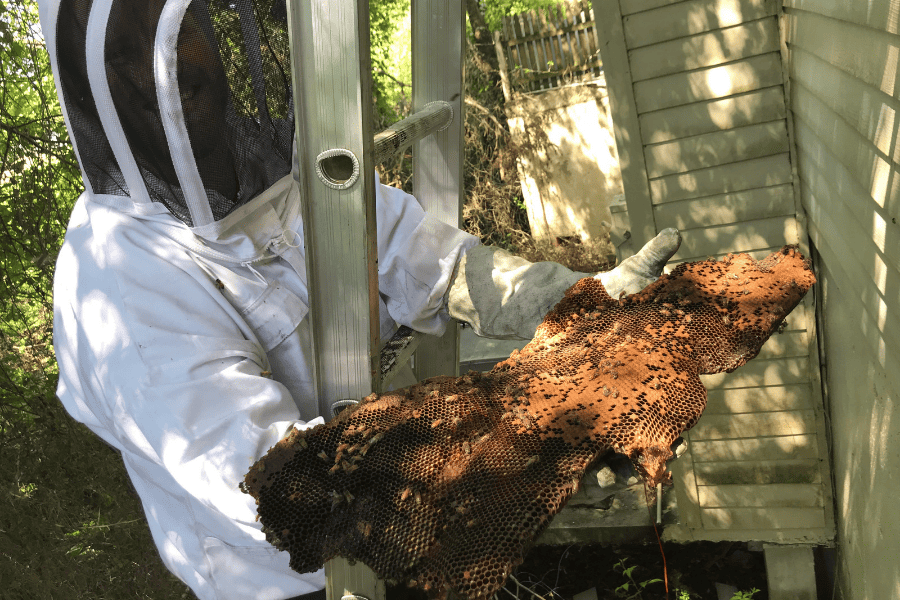
Curt has been with Northwest since 2010, with his last 3 years working as the Quality Assurance Trainer and Inspector with our Learning and Technical Services team. Curt currently keeps his own honeybees, so he has extensive knowledge in making sure they are properly cared for. More recently, Curt is a Certified Beekeeper and has also received a newly required license for the State of Georgia that allows him to safely remove honeybee colonies that are in any structure or home.
Curt believes that it’s important to ensure the success of honeybees while also educating our customers and teammates on the importance of these pollinators. He continues to strive for Northwest to be the go-to for honeybee relocation services in the state of Georgia.
Rob Bounds
Rob is currently our Wildlife North Branch Manager and is also a certified Beekeeper. He is a big advocate of the newly required Georgia license that ensures a safe removal process for honeybees and has also received that in the past year. The removal process can sometimes be stressful for the colony, so having the proper qualifications and resources to ensure their safety is key.
A fun fact about Rob is that he has his own honeybee farm and utilizes the honey that he receives from his bees. Rob began his farm as a place to take any removals performed on the job and ensure they were properly cared for after being safely relocated. He likes to think of the care for honeybees as an ever-evolving science project. The idea that you can safely and correctly remove them from their colony and into a new location and still thrive fascinated him.
Rob is proud of Northwest for making sure its teammates have access to the proper equipment and training needed to safely care for honeybees. He can’t wait to see how big of an impact we can truly make!
At Northwest, we take pride in knowing that we can bring awareness to an important topic that is near and dear to our hearts. We’re grateful for teammates like Rob and Curt who take the time to learn more about a service and how it can positively impact our local communities. If you believe you have a bee colony on your property that needs to be safely relocated, give your licensed honeybee removal company a call!