Jun 16, 2023 | Florida Termite Control
Living in South Florida can come with many perks, including lots of sunshine and beautiful ocean views. Unfortunately, it can also come with termites! These silent destroyers can cause significant damage to your home from the inside out. There are several treatment options out there to help keep termites under control, including the Sentricon Always Active® system. Here is more information on subterranean termites, along with ways to prevent and eliminate them.
What are Subterranean Termites?
Let’s talk about these stealthy troublemakers! Subterranean termites are the most common type of termite found in residential areas. They thrive in moist soil and create underground colonies, where they build intricate tunnel systems to access sources of food. Their damage can go unseen for years, hence the nickname, Silent Destroyers.
How to Prevent Subterranean Termites:
- Remove Moisture from Home: Subterranean termites love moisture, so keep an eye on areas prone to dampness, such as crawlspaces and basements. Ensure proper ventilation and address any leaks or water issues promptly. By eliminating excess moisture, you’re making your home less attractive to termites.
- Protect your Home’s Foundation: Keep some space between your home and the landscaping.
- Conduct Regular Inspections: In between your yearly termite inspection, you should be conducting one of your own. Here are the most prominent signs of subterranean termites in your home:
- Mud tubes or tunnels on walls
- Swarming termites and their discarded wings
- Wood damage, like hollow sounding wood, sagging or buckling floors, or warped paint
- Frass or termite droppings near wooden structures
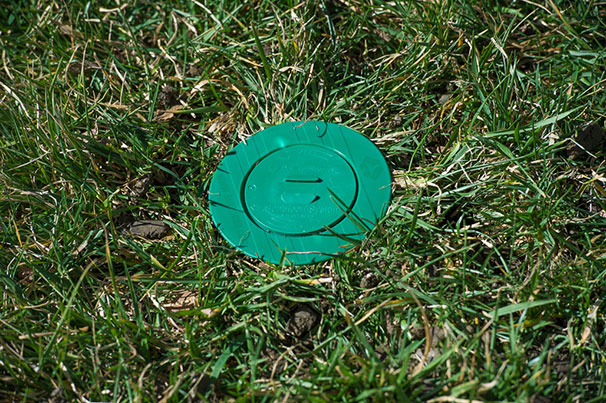
When it comes to termite control for subterranean termites, Sentricon Always Active® baiting system stands out as a highly effective and eco-friendly solution. The stations are strategically placed around your property, forming a protective barrier.
Once termites find the bait, they take it back to their colony for complete elimination. Having Sentricon Always Active® installed for your home ensures continuous protection against subterranean termites, year-round. Our team of experts regularly monitor the bait systems, keeping the efficacy as accurate as possible.
By implementing simple prevention measures you can lessen the chances of these termites taking over. If you’re ready for the experts to get involved, give your local pest control company a call today for a FREE inspection!
Jun 15, 2023 | Pest Control
Fleas and ticks are two of the most common pests that can be found in your yard or home. While both can be harmful to humans and pets, they are different in many ways. Let’s compare ticks and fleas and learn how to prevent them from infesting your yard or home.
What Are Ticks and Fleas?
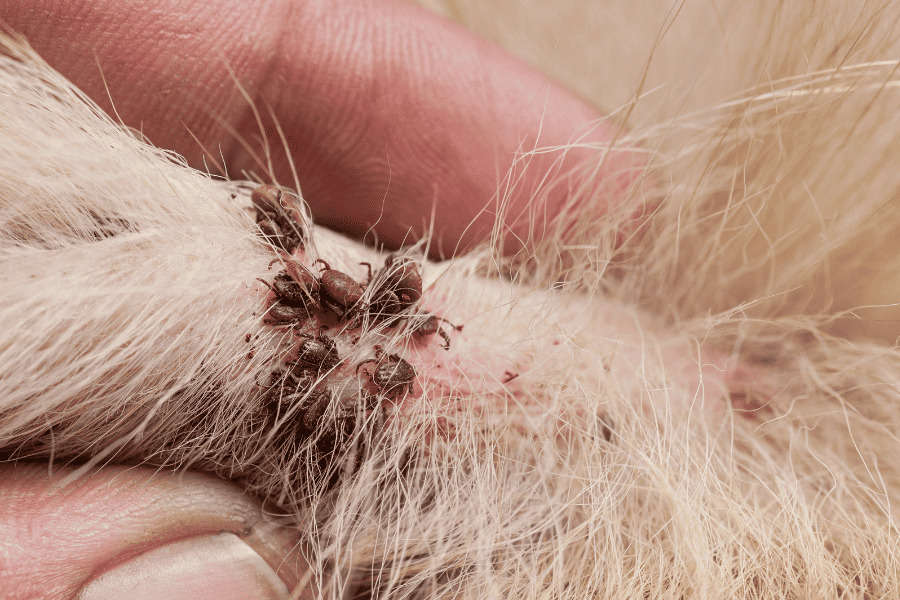
Ticks are small, arachnid parasites that feed on the blood of animals, including humans. They are often found in wooded or grassy areas and can transmit diseases such as Lyme disease and Rocky Mountain spotted fever. Fleas, on the other hand, are small, wingless insects that also feed on blood. They are commonly found on dogs and cats and can transmit diseases such as tapeworms and murine typhus.
How to Prevent Ticks
You can prevent ticks by:
- Keep your lawn cut short
- Remove any brush or debris from your yard
- Ticks prefer moist and shaded areas, so keep your yard dry and sunny
- Use a pesticide treatment on lawn
How to Prevent Fleas
You can prevent fleas by:
- Regularly bathe and groom your pets
- Use flea-preventative medicine on pets per a veterinarian’s guidance
- Vacuum home frequently
- Wash your pet’s bedding regularly
Fleas and ticks can be a nuisance and a health risk for both humans and pets. Ask your local pest control company for a customized plan to keep your property free from ticks and fleas!
Jun 13, 2023 | Pest Control
Summer is a season that brings with it many joys, such as longer days and warmer weather. Unfortunately, it also brings a variety of pests that can invade your home and make life unpleasant. Let’s discover some common summer pests and share tips for preventing them.
Ants
Ants are one of the most common pests found in homes during the summer months. They are attracted to sweet, sticky substances and can quickly become a nuisance if they find a food source in your home.
How to Prevent Ants:
- Keep your kitchen and dining areas clean and free of crumbs and spills.
- Seal all food containers and take out the garbage regularly.
- Locate their entry point and seal it off.
Mosquitoes
Mosquitoes are another common summer pest that can be a serious health concern. They can carry diseases such as West Nile virus and Zika virus, so it’s important to take steps to prevent them.
How to Prevent Mosquitoes:
- Remove standing water from around your home, as this is where mosquitoes breed.
- Use screens on windows and doors to keep mosquitoes out of your home.
- Wear long-sleeved clothing and use insect repellent when spending time outdoors.
Ticks
Ticks are small, blood-sucking pests that can transmit diseases such as Lyme disease and Rocky Mountain spotted fever. They are often found in wooded areas but can also be found in your yard if you have tall grass or brush.
How to Prevent Ticks:
- Continue to mow your lawn and remove any debris or leaf litter where ticks might hide.
- Wear long-sleeved clothing and use insect repellent when spending time outdoors in areas where ticks are prevalent.
Bees and Wasps
Bees and wasps are important pollinators, but they can also be a nuisance and a health concern.
How to Prevent Bees and Wasps:
To prevent bees and wasps, keep your trash cans sealed and dispose of food scraps properly. If you have a nest on your property, call a professional to remove it rather than attempting to do it yourself.
Spiders
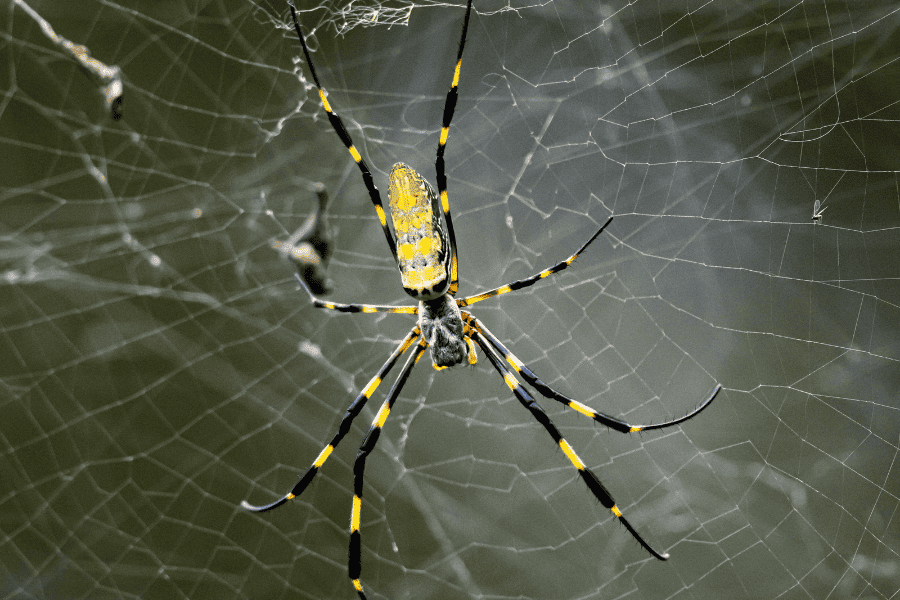
Spiders are often found in dark, damp places like basements and crawl spaces. They can be beneficial by eating other pests, but some species can be dangerous if they bite.
How to Prevent Spiders:
- Keep your home clean and free of clutter.
- Seal any cracks or gaps in your home’s foundation, walls, and doors to keep spiders from entering.
If you have a pest problem that you can’t control on your own, contact your local professional pest control company for a customized summer pest prevention plan!
Jun 13, 2023 | Pest Control
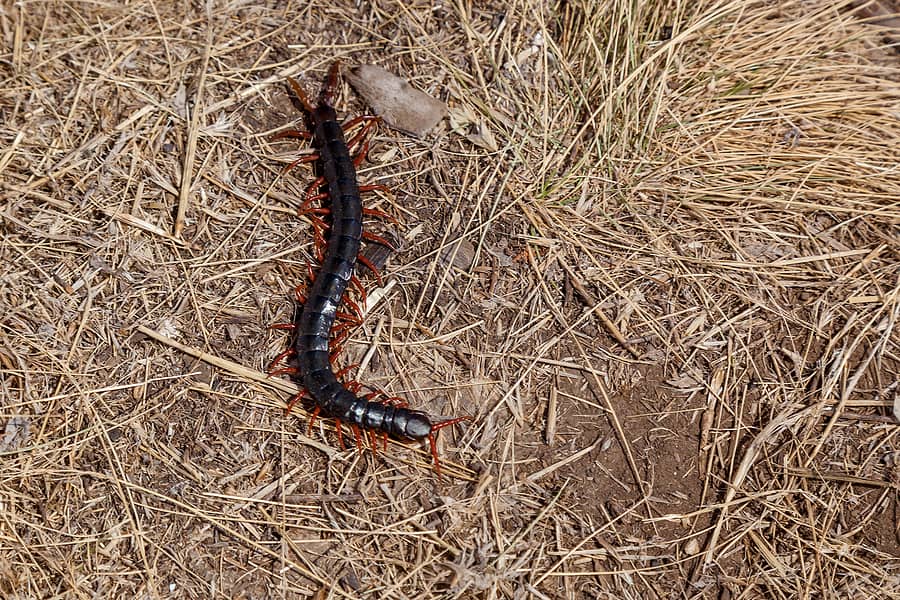
Centipedes are one of the most common household pests. Reaching lengths of 1 to 2 inches, these creepy looking critters also have 15 sets of legs. While it can be startling to find one in your home, they aren’t harmful to humans. They don’t carry disease, don’t damage homes, and don’t consume human food. They will, however, bite if they feel threatened, although this is rare.
Centipedes can be very beneficial to have around. In fact, they are considered a form of natural pest control. They feed on other pests, such as roaches, spiders, termites, and ants.
Centipedes come into our homes in search of dark, humid environments in which they thrive. They will also seek access to food sources (like other pests commonly found in your home).
Get rid of centipedes in your home by:
- Controlling other pests. This is the #1 food source of centipedes. Maintain routine pest control both inside and outside your home to help keep them (and other pests) at bay.
- Dehumidifying. Centipedes thrive in moist, humid environments. Use a dehumidifier to reduce moisture levels in your home.
- Using bathroom fans. This is another way of reducing moisture in your home. Utilizing bathroom fans, especially when showering, helps keep things drier.
- Sealing them out. Inspect the exterior of your home and seal any cracks or crevices with caulk, including doors and windows.
- Cleaning up outside. Get rid of any piles of leaves or other debris that could be holding moisture around your home.
If you have a problem with centipedes or any other household pests, contact your local pest control company for an evaluation.
Jun 6, 2023 | Pest Control
When it comes to stinging pests, there are a few common culprits that people encounter: wasps, hornets, and bees. While these insects may look similar, they have distinct characteristics that set them apart. Understanding the differences between them and knowing what to do if you encounter one can help you stay safe.
Wasps
Wasps are slender, black, and yellow insects with smooth bodies and narrow waists. They are social insects that live in large nests with multiple females. While they are not typically aggressive, they will defend their nests if they feel threatened. Some species of wasps, like yellow jackets, can sting multiple times and their stings can be painful and potentially dangerous for those with allergies.
Hornets
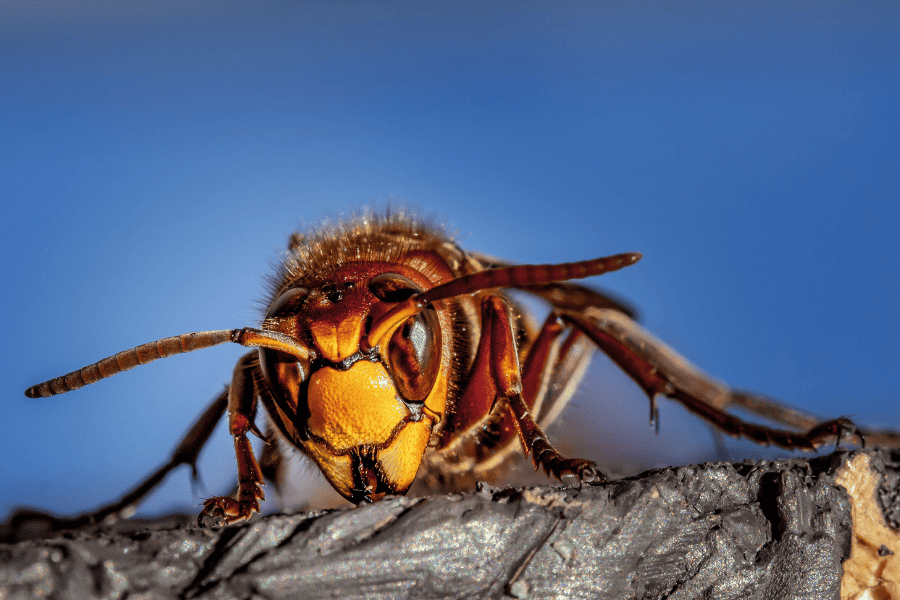
Hornets are larger than wasps and are usually black with yellow or white markings. They have a distinctive, round body shape and are known for their powerful sting. Like wasps, hornets are social insects that live in large nests. They can be aggressive if they feel their nest is being threatened, and their sting can be particularly painful.
Bees
Bees are typically plumper and fuzzier than wasps and hornets and are usually brown or black with yellow markings. Unlike wasps and hornets, bees are not naturally aggressive and will only sting if they feel threatened. Bees are important pollinators and play a vital role in our ecosystem.
What do I do if I encounter a stinging pest?
If you encounter a stinging insect, it’s important to stay calm and avoid swatting or provoking it. If you are near a nest, move away slowly and quietly. If you are stung, remove the stinger by scraping it with a flat object like a credit card, wash the area with soap and water, and apply a cold compress to reduce swelling.
How to Prevent Stings:
- Avoid wearing perfume or bright colors
- Keep food and drinks covered when eating outdoors
- Do not swat at a stinging insect as it increases the likelihood of an aggressive reaction
- Do not attempt to remove a colony or hive by yourself
If you have a severe allergic reaction to a sting, seek medical attention immediately.
By understanding their behaviors and taking precautions to avoid them, we can coexist safely. If you have a problem with a nest or infestation, it is best to call your local professional pest control company for safe removal.