Jan 15, 2025 | Florida Green Pest Control
Subterranean termites may be small, but their impact on Florida homes is anything but minor. Responsible for billions in property damage each year, these tiny insects can create significant challenges for homeowners. But what if there was a way to protect your home from these silent destroyers without harming the environment? Enter green pest control—an eco-friendly, effective solution for managing subterranean termite infestations. In this guide, we’ll walk you through the essentials of subterranean termites, the importance of eco-friendly termite control, and the best strategies to keep your Florida home termite-free.
Eco-Friendly Termite Solutions For Subterranean Termites
What Are Subterranean Termites?
Subterranean termites are among the most destructive pests in Florida, thriving in its warm, humid climate. These wood-eating insects live in underground colonies, creating mud tubes to travel to and from their food sources, which often include your home.
Key Characteristics of Subterranean Termites:
- Habitat: They build colonies underground and use mud tubes for protection.
- Diet: They primarily consume wood but can also damage other cellulose materials like paper and insulation.
- Impact: Subterranean termites cost homeowners billions in repair and prevention expenses each year.
Recognizing the early signs of a termite infestation—such as mud tubes, hollow-sounding wood, or discarded wings—is crucial for preventing extensive damage.
Why Choose Green Pest Control in Florida?
Traditional pest control methods often rely on harsh chemicals that can harm human health, pets, and the environment. For homeowners in Florida, green pest control provides an eco-conscious alternative. By choosing green methods, you’re protecting both your home and the environment.
Benefits of Green Pest Control:
- Eco-Friendly Solutions: Biodegradable, plant-based treatments target termites without polluting the soil or water.
- Healthier for Families and Pets: Green options reduce the risks associated with harmful chemicals.
- Sustainable Practices: Green strategies are designed to minimize long-term environmental impact.
- Protecting Local Ecosystems: These methods help protect beneficial insects like pollinators, ensuring ecological balance.
Opting for green pest control isn’t just good for your home—it’s good for the planet, too.
Effective Eco-Friendly Solutions for Subterranean Termites
Managing subterranean termites requires specialized knowledge and eco-friendly solutions. Here are some of the most effective green pest control methods available today:
1. Termite Baits with Reduced Toxicity
Termite baiting systems attract termites and gradually disrupt their colony’s growth. Many modern bait systems use reduced-toxicity materials, ensuring minimal environmental impact.
How It Works:
- Baits are strategically placed around your property.
- Termites consume the bait and share it with the colony, eventually disrupting its growth. This approach avoids widespread chemical applications and offers a targeted, effective solution.
2. Beneficial Nematodes
Beneficial nematodes are natural, soil-dwelling organisms that act as predators to termites. By introducing them into your yard, they infiltrate termite colonies and release bacteria that eliminate termites from within.
Why Use Nematodes?
- Completely natural and non-toxic.
- Less-toxic for plants, humans, and pets.
- A highly effective solution for subterranean termites.
3. Orange Oil Treatments
Derived from citrus peels, orange oil contains d-limonene, a natural compound lethal to termites. This biodegradable oil can be applied to infested wood directly and is fine for both indoor and outdoor use.
Key Benefits:
- 100% natural and chemical-free.
- Effective in treating localized infestations.
- Leaves behind a refreshing citrus scent!
Orange oil works best for small, concentrated infestations and is most effective when combined with other green strategies for broader control.
4. Integrated Pest Management (IPM)
IPM combines eco-friendly products, preventive measures, and strategic monitoring to provide a comprehensive, long-term solution. This approach emphasizes understanding termite behavior, reducing attractants, and creating a less hospitable environment for pests.
How to Get Started with Green Pest Control
Now that you know about the eco-friendly termite control options, here’s how you can start protecting your home:
- Schedule a Professional Inspection: Partner with a pest control company that specializes in green solutions to assess your home.
- Create a Custom Treatment Plan: Work with experts to design a termite control strategy tailored to your needs.
- Stay Proactive: Regular monitoring and maintenance are essential to prevent future infestations.
A Greener, Healthier Home Awaits
Don’t wait for subterranean termites to cause costly damage to your home. By choosing eco-friendly termite control methods, you’re investing in a sustainable, pest-free future. Find your local pest control experts in Florida and get started creating the healthy home you deserve.

Jan 15, 2025 | Florida Green Pest Control
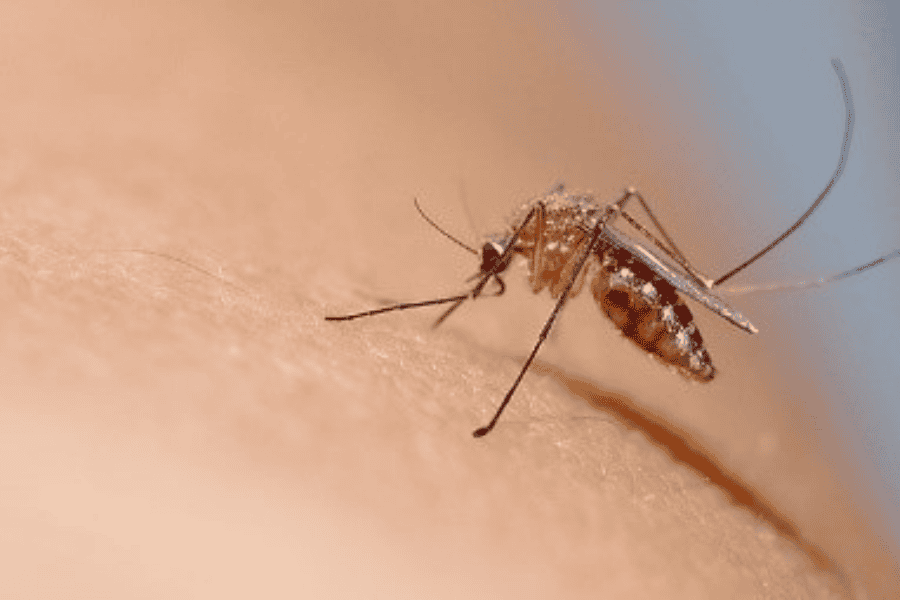
Mosquitoes in Florida aren’t just a nuisance—they can carry diseases like Zika and West Nile virus, putting your family’s health at risk. As more homeowners seek sustainable alternatives to chemical-based solutions, green pest control is the way forward. This guide will show you how to manage mosquitoes naturally through eco-friendly mosquito control methods, protecting both your home and the environment.
Eco-Friendly Mosquito Control Methods
Why Choose Green Pest Control in Florida?
Florida’s warm, tropical climate is a prime breeding ground for mosquitoes, but traditional methods involving harsh chemicals can harm the environment, pollute water supplies, and threaten local wildlife. Green pest control offers a less-toxic alternative. By using eco-friendly solutions, you protect not only your family but also the delicate ecosystem that surrounds you.
Benefits of Going Green:
- Eco-Friendly: Helps protect pollinators and beneficial insects.
- Pet-friendly: Keeps your furry friends away from toxic chemicals.
- Sustainable: Reduces long-term environmental damage.
- Health-Protective: Perfect for those with allergies or sensitivities to chemicals.
Now, let’s dive into some effective DIY mosquito control methods that keep both your family and the planet healthy.
DIY Eco-Friendly Mosquito Control Solutions
1. Eliminate Standing Water
Mosquitoes breed in stagnant water, so removing these sources can significantly reduce their numbers.
How to Remove Standing Water:
- Empty birdbaths and pet water bowls weekly as well as wipe them out to remove eggs that might be left in the container.
- Clear gutters and drains to prevent water buildup.
- Cover rain barrels with mesh to block mosquito access.
- Fill low-lying areas in your yard where water collects.
By regularly managing water sources, you’re already one step ahead in keeping mosquitoes at bay.
2. Plant Mosquito-Repellent Greenery
Certain plants naturally repel mosquitoes. Adding them to your yard not only beautifies your space but also creates a barrier against pests.
Top Mosquito-Repellent Plants:
- Citronella Grass: A well-known mosquito deterrent.
- Lavender: Its fragrance is pleasant to humans but unpleasant to mosquitoes.
- Marigolds: Their pyrethrum content acts as a natural insect repellent.
- Basil: Great for both cooking and warding off bugs.
Plant these near outdoor seating areas or doorways to keep mosquitoes away naturally.
3. Make DIY Essential Oil Sprays
Essential oils are an effective, chemical-free way to repel mosquitoes. Create your own natural spray to apply to your skin or outdoor furniture.
DIY Mosquito Repellent Spray Recipe:
- 1 cup water or witch hazel
- 10 drops citronella essential oil
- 10 drops eucalyptus essential oil
- 5 drops lavender essential oil
Mix the ingredients and store in a spray bottle. Be sure to patch-test the oils on your skin before use.
4. Create Homemade Mosquito Traps
DIY mosquito traps are a simple, effective way to reduce populations in your yard.
DIY Sugar-Water Bottle Trap:
- Cut a 2-liter bottle in half.
- Fill the bottom with 1 cup of sugar, 1 tablespoon of yeast, and warm water.
- Invert the top part of the bottle into the bottom, forming a funnel. Place these traps in areas mosquitoes frequent, and they’ll be caught in no time.
5. Install Natural Mosquito Barriers
Physical barriers are another green solution to keep mosquitoes out of your living space.
- Hanging mosquito nets over patios or seating areas provide a chemical-free shield.
- Mesh screens on windows and doors keep mosquitoes from entering your home.
- Weather-resistant net curtains around pergolas or outdoor lounges offer additional protection.
These measures allow fresh air to flow while preventing mosquitoes from entering your spaces.
Preventative Tips for Ongoing Green Mosquito Control
- Wear light-colored clothing, as mosquitoes are attracted to dark colors.
- Use oscillating fans on your patio—mosquitoes struggle in windy conditions.
- Light citronella candles or outdoor torches to create a repellent ambiance.
- Trim your lawn regularly to remove tall grass where mosquitoes rest.
Long-Term Benefits of Green Pest Control
Choosing eco-friendly mosquito control in Florida helps you maintain a healthy, thriving ecosystem while effectively managing mosquito populations. By avoiding harmful chemicals, you protect your yard, local wildlife, and water quality. In the long run, you’ll enjoy your outdoor spaces and a healthier environment by utilizing green pest control methods.
Jan 15, 2025 | Florida Green Pest Control
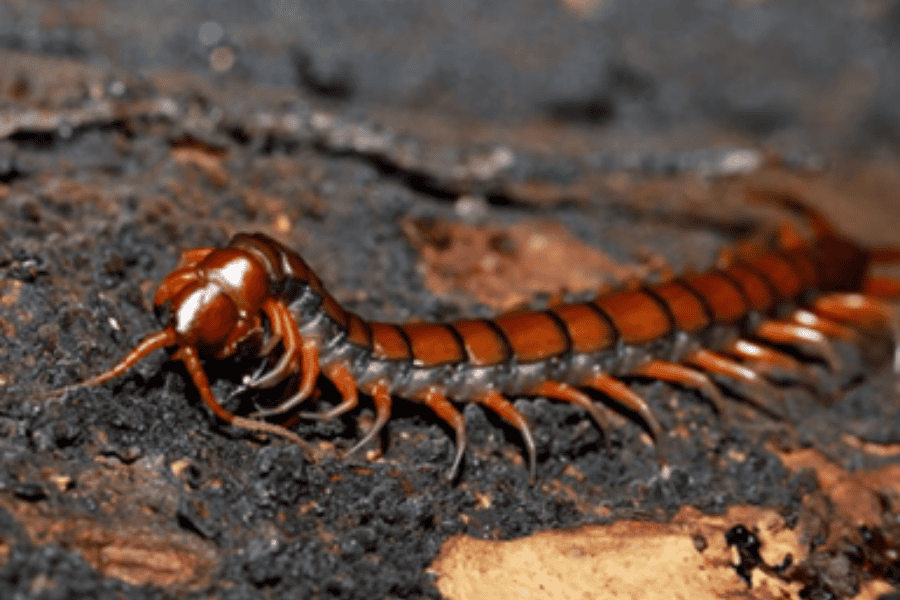
Florida’s sunny climate creates a thriving habitat for centipedes. While these multi-legged creatures are part of the natural ecosystem, they often invade homes, becoming unwelcome guests. Here’s a quick guide on identifying centipedes, understanding their behavior, and managing them with environmentally conscious pest control methods.
Eco-Friendly Pest Solutions for Centipedes
Centipedes vs. Millipedes: Spot the Difference
Centipedes and millipedes are often mistaken for each other. Centipedes are carnivores with one pair of legs per body segment, while millipedes have two pairs and are decomposers. Effective pest control starts with understanding the differences, as managing centipedes requires different strategies from millipedes.
What Do Centipedes Eat?
Centipedes feed on other pests like termites, cockroaches, and spiders, helping control unwanted insects. However, they can bite humans with their venomous claws, causing irritation. If bitten, wash the area with soap and water and apply ice to reduce swelling.
Where Centipedes Live: Common Hiding Spots
Centipedes prefer damp environments and are often found in kitchens, bathrooms, basements , and other humid areas of the home. By reducing moisture and sealing entry points, you can discourage centipedes from taking refuge in your space.
Centipedes as a Pest Indicator
If you spot a centipede, it may indicate an underlying pest problem, as centipedes feed on other pests. Focus on eco-friendly pest control methods like sealing entry points, addressing moisture issues, and identifying the source of the pest infestation.
Eco-Friendly Pest Control Tips For Centipedes
Instead of harsh chemicals, try green pest control methods:
- Seal Entry Points: Inspect and seal any cracks or gaps to prevent centipedes from entering.
- Reduce Moisture: Fix leaks and improve ventilation in humid areas.
- Declutter: Clear clutter where centipedes like to hide.
If these methods don’t work, contact a green pest control professional to find safe and sustainable solutions.
Why Centipedes Matter for Florida Homeowners
While centipedes help control pest populations, their presence indoors can signal larger pest issues. By addressing centipedes early, you can manage the broader pest problems affecting your home.
Prevent Future Centipede Infestations
- Regular Cleaning: Vacuum and wipe down surfaces, especially in kitchens.
- Outdoor Maintenance: Trim trees and remove organic debris to limit access points.
- Routine Inspections: Check for signs of pests, particularly in moisture-prone areas.
By focusing on prevention, you can stop centipedes and other pests from taking over your home.
Take Control with Eco-Friendly Pest Prevention
Centipedes may be a natural part of Florida’s ecosystem, but they don’t belong inside your home. By using green pest control strategies, you can prevent infestations and keep your space pest-free and healthy. For persistent problems, consult with an eco-conscious pest control expert near you who can provide tailored solutions.