Jun 26, 2013 | Uncategorized
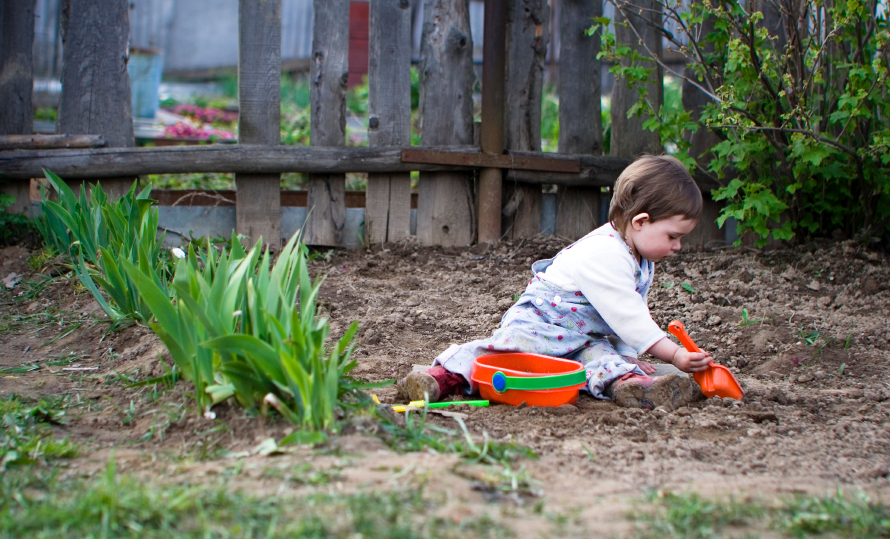
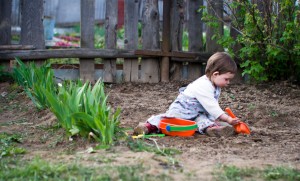 This past weekend I was outside working in the garden when I came across a few unwanted guests. There were a few spiders, a couple ground beetles, and a large amount of ants. The ants and beetles were present because my garden provides them with a large amount of food and water. The spiders were there because my garden provides them food (the other insects).
As most of you know the most common insecticides should not be used in gardens. Leaving the everyday gardener to reach out to “over the counter” products from their local nursery or hardware store to help rid them of pests. Although many of these products are effective for short periods of time, they require a minimum time lapse before you can harvest your yield. As many of you know, at Northwest Exterminating we care about protecting your family from pests in the most natural ways possible. And when it comes to the family garden our service technicians are trained to stop the pest before they enter the garden area. That being said, a lot of the garden insects start in the garden area and never leave it – making it hard to control them. So what can you do? Below I have listed some natural ways to help assist you in keeping the pest populations down in your family’s garden this growing season. Following these steps and methods will ensure a healthy garden with minimal pesticide use.
Environmental Tips:
- Be careful not to over water. Excess water will provide a water source that is attractive to most pests.
- Don’t plant too much. Dense garden foliage will provide hidden shelter for pests including rodents.
- Weed your garden regularly. Eliminating the weeds will allow open spaces that leave pests exposed to other predators.
Natural Plantings You Can Add To Help Keep The Pests Down:
- Plant some of your herbs in amongst your garden staples. The strong aroma from these plants can deter harmful pests, and attract predators to some of the damaging pests. Examples: Basil, Citronella, Dill, Fennel, and Lemongrass
- Spread coffee grounds around the garden to help reduce snails and provide an extra source of fertilizer.
- Use a few peppermint essential oil drops in some water and lightly spray your plants to keep the ants off.
- Plant onions, marigolds, and radishes around the garden to help as well!
We hope some of these tips help you keep your family garden healthier this season! For more information on Northwest’s Pest Control and Services visit us at callnorthwest.com
Adam Vannest
Director of Pest ServicesNorthwest Exterminating
[email protected]
May 17, 2013 | Uncategorized
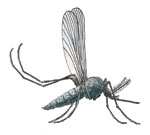
 Take Back Your Yard!Don’t let mosquitoes suck the fun out of your Summer!
HABITS
- Breed in stagnant water such as ponds, marshes, drainage ditches, etc.
- Can be found in almost every type of landscape on Earth except deserts and the Arctic.
- Bite most often at dusk and dawn.
THREATS
OTHER PESTS TO LOOK OUT FOR:
PREVENTION
- Eliminate areas of standing water around the home such as flower pots, bird baths, etc. Mosquitoes only need about one half inch of water to breed.
- Avoid outdoor activities between dusk and dawn.
- Wear long pants and sleeves when outdoors whenever possible.
- Use an insect repellant that contains DEET.
- Call Northwest Exterminating for a professional inspection and treatment plan for breeding sites.
Enjoy your yard this Spring and Summer. Call Northwest Exterminating for more information on our Green Mosquito Program!
Apr 26, 2013 | Uncategorized
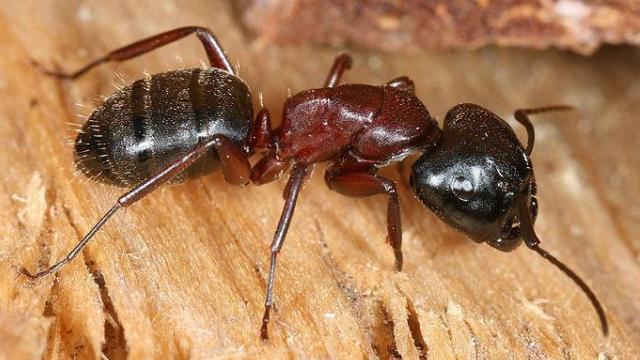
Ants have been making their presence known in homes as of late. Ants are one of the most common pests that homeowner’s and pest professionals find in and around homes. Common ant species are fire ants, carpenter ants, Argentine ants, acrobat ants, and odorous house ants.
Ants have a wide range of habits. Some ants build mounds in the ground, others are found in homes near cracks and crevices, on counters, in kitchen sinks, pantries, and even bathrooms. Knowing the different species of ants and their habits and preferences is key in controlling an ant problem.
Most ants are simply a nuisance pest. They cause little damage but will invade and ruin food and some ants bite. Generally speaking, there are no diseases associated with ants.
A licensed pest professional can identify the type of ant that you are experiencing and develop a customized plan to get rid of ants. With this process, you are using the least amount of chemical possible (if any) while also coming up with a plan that will deter ants from returning. If you are one of the many homeowner’s experiencing ants right now, call Northwest Exterminating at 888.466.7849 or visit www.callnorthwest.com
Apr 8, 2013 | Uncategorized
Monday, April 1, 2013
This April, the National Pest Management Association encourages homeowners to take precautions against common pests
FAIRFAX, VA – The National Pest Management Association (NPMA) celebrates April as National Pest Management Month, an observance that’s been taking place for more than 30 years to recognize the pest management industry for its commitment to the protection of public health and property from common household pests.
“Whether it’s rodents, ants, termites, bed bugs or cockroaches, pest professionals play an important role in preserving our quality of life,” said Missy Henriksen, vice president of public affairs for the NPMA. “We’d like to recognize these men and women for all they do to keep our families and homes safe from unwanted pests not just during National Pest Management Month, but year-round.”
This April, homeowners are reminded to pest-proof their home in preparation for the upcoming pest season. NPMA experts recommend the following tips:
- Seal cracks and holes on the outside of the home including entry points for utilities and pipes.
- Repair fascia and rotted roof shingles.
- Replace weather-stripping and repair loose mortar around the foundation and windows.
- Keep tree branches and shrubbery well trimmed and away from the house.
- Store fire wood at least 20 feet away from the house and five inches off the ground.
- Eliminate sources of standing water around the house, including birdbaths and in clogged gutters.
- Keep basements, attics and crawl spaces well ventilated and dry.
- Keep kitchen counters clean, and store food in sealed containers.
- Store garbage in sealed containers and dispose of it regularly.
- Avoid leaving pet’s food dishes out for long periods of time.
“As the weather continues to get warmer, pests will begin to emerge from their overwintering sites and look for food indoors. National Pest Management Month comes at the perfect time to make pest-proofing a priority to prevent an infestation during the spring and summer seasons,” added Henriksen.
For more information on National Pest Management Month or for information on common household pests, please visit Pestworld.org.
The NPMA, a non-profit organization with more than 7,000 members, was established in 1933 to support the pest management industry’s commitment to the protection of public health, food and property.
Source
Apr 5, 2013 | Uncategorized
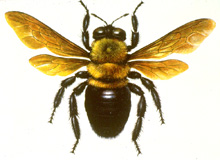
Carpenter bees are often mistake for bumble bees because of their similarity in size and color.
Habits
- Often found under decks or porch railings and under the eaves of a house.
- Make nests by tunneling into wood.
- Leave a trail of sawdust as they discard of the wood to build partitions within the tunnels.
- Feed on plant nectar, not wood.
Threats
- Homes with wooden decks, eaves, or other areas of exposed wood are likely targets for carpenter bee damage.
- Males do not have stingers but can be aggressive to other bees, animals, or people near the nest.
- Females can sting but rarely do unless they are agitated.
Prevention
- Treat or paint all exposed wood surfaces.
- Each nest hole should be treated individually if bees are inside.
- Seal or paint nest holes if bees are not inside.
Other Pests to Look Out For:
For more information on carpenter bees you can visit our PEST ID page or call Northwest Exterminating at 888.466.7849.

 This past weekend I was outside working in the garden when I came across a few unwanted guests. There were a few spiders, a couple ground beetles, and a large amount of ants. The ants and beetles were present because my garden provides them with a large amount of food and water. The spiders were there because my garden provides them food (the other insects).