Apr 1, 2013 | Uncategorized
Properly identifying pests is such an important part of pest control prevention and management. Professionals and homeowners both need to be aware of what pest they are dealing with so they know what actions need to be taken to properly get rid of and prevent the pest from returning.
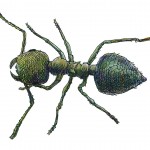
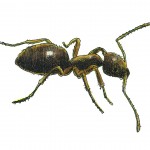
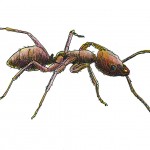
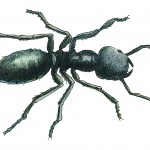
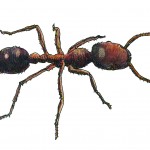
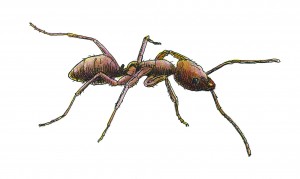
Ants are a common concern in both residential and commercial dwellings. Knowing what kind of ants you have will help in knowing the best course of action to treat the property. Our Pest ID page gives 5 common ants that can be found in properties in the southeast: fire ants, carpenter ants, argentine ants, acrobat ants, and odorous house ants. To find out more information about any of these types of ants, visit our Pest ID page or click on a picture below.

Acrobat Ant
Odorous House Ant
Argentine Ants
Carpenter Ants
Fire Ant
Mar 22, 2013 | Uncategorized
Wednesday marked the first day of Spring. For many of us that means one thing…Spring Cleaning! We often think about all the things to do indoors but what about outdoors? It’s time to spring clean your lawn as well.
Here are some Spring Cleaning Tips for your Lawn:
- Clean up lawn debris – Remove trash, animal debris, dead grass, leaves, pine cones, sticks, etc from your lawn. Debris removal will not only make your lawn look better but it also eliminates hiding and feeding areas for pests and rodents.
- Rake Leaves – If you have piles of leaves left over from fall or some stragglers that have come down more recently, rake those up and dispose of them. Raking up leaves and removing debris will eliminate hiding spots for occasional invaders like millipedes, ants, and other pests.
- Check leftover firewood – Check under any leftover firewood for signs of pests that often hide between and underneath wood. Make sure that wood piles are located as far away from your home as possible. The last thing you want is termites next to your structure.
- Remove standing water – Standing water is a breeding ground for pests, especially mosquitoes. Dump water from bird baths or install drains that will aid in water flowing from your yard rather than gathering.
- Trim Bushes – By trimming your bushes you are not only making your lawn look aesthetically pleasing but you’re also reducing the risk of pests near the structure of your home.
- Apply pre-emergent – Now is the perfect time to prevent weeds from popping up in your lawn. Call a lawn care professional for the most effective products and treatment options for your lawn.
There’s no better time than now to trust Northwest’s experts to prepare your lawn to be healthy and green for the upcoming months so you can enjoy the outdoors!
Mar 4, 2013 | Uncategorized
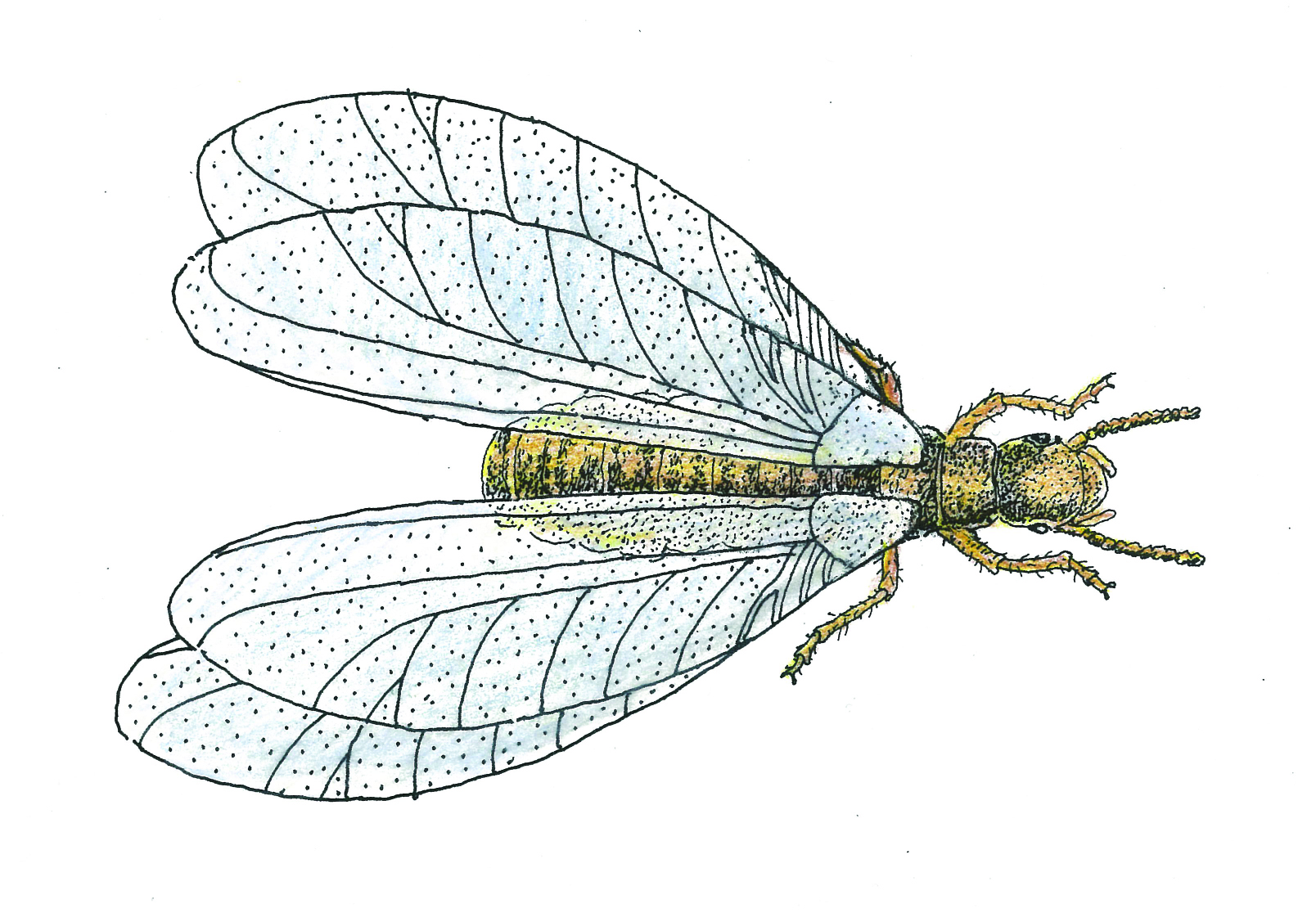
Termites are very destructive and cause billions of dollars of damage to homes each year in the U.S. That is why we are dedicating March’s Pest of the Month to TERMITES!
Habits
- Operate under a caste system. There are workers, soldiers, and reproductives.
- Live in colonies underground or in moist secluded areas.
- Feed on items containing cellulose.
- Swarm in the spring when reproductive termites go out to start new colonies.
Different Species
Threats
- Cause severe damage to a structure by chewing away at the wood.
- Responsible for more than $2 billion of damage to homes in the US each year.
- Cause more damage in an average year than floods, fires, and tornadoes.
- A termite colony may contain several hundred thousand individuals.
Prevention
- Divert water away from the foundation of a structure.
- Repair leaky faucets, pipes, and AC units on the outside of the home.
- Properly ventilate areas of high humidity like crawl spaces, attics, and basements.
- Keep mulch or ground cover at least 15 inches away from the foundation of a structure.
- Sentricon Termite Elimination baiting systems may be placed around the perimeter of a structure.
Other Pests to Look Out For
If you think you may have termites, or other pests in your home, call the mouse at 888.466.7849 or visit us online at www.callnorthwest.com
Jan 30, 2013 | Uncategorized
Ants in the kitchen, ants in the bathroom…that wouldn’t be unusual except it is in the middle of winter!!! Aren’t ants supposed to hibernate during the cold months?
Most likely the ants that are seen during winter are Argentine ants. These ants don’t have to live in the ground; they can make themselves right at home under structures or in the walls of homes protected from the elements. And just a few feet away is everything they need to survive: water, food and shelter. But just think, if the ants are this bad now, imagine how bad they will be in the summer!
Argentine Ant
Argentine ants can quickly populate into multiple colonies containing many queens and thousands of workers. The ants can travel freely between and within these colonies. Due to their fast growth it makes it difficult to control these ants once they have made their way into a structure. People often panic when they see ants inside their home and spray them with the closest can of bug spray that they can find. This might fix the problem temporarily, however, it is best to have a professional who can properly identify the ants and understand their habits in order to devise a treatment plan that will be most effective.
Argentine ants are constantly looking for food. They love sugary foods like soft drinks and syrups. Once an ant finds a food source, it alerts the other ants to “come and get it.” Before you know it the trashcans, counter tops and cabinets are taken over by ants! But don’t worry; there are ways to combat these guys once they have invaded.
- Keep counter tops clean of food and drink residue.
- Frequently wipe out cabinets to remove food debris.
- Thoroughly rinse out soft drink cans and bottles before throwing them in the trash and take the trash out often.
- Don’t leave unclean dishes in the sink or dishwasher.
- Keep sugary foods like cereal in sealed containers.
- Some household plants attract small insects, like aphids, that produce honey dew. Argentine ants will feed on honey dew. Controlling the insects on plants or selecting plants that are not susceptible to them will help to deter ants.
While all these methods can be effective, the best way to battle Argentine ants is to keep them from entering homes in the first place. Homeowners can cut limbs and other vegetation away from homes to prevent easy access. Rake fallen leaves and pine straw away from the home. Seal all cracks and entry points around the home (this will help with energy bills as well). Don’t forget about potted plants; ants can even nest under pots!
Many times, the materials we use to make our landscaping aesthetically pleasing are the very materials that will harbor pests. Mulch is not only a favorite material for homeowners to use, but it is also the preferred nesting material for ants – providing moisture and shelter from the elements. If mulch is used next to a house it should be pulled away from the outside walls. Refrain from over-watering mulched areas and limit the depth of the mulch to just a couple of inches to help keep it more dry. The drier the mulch, the less inviting it is for ants and other insects.
Garbage cans are often stored next to houses and buildings for convenience. It also makes the area more attractive to ants and brings them closer to your home. Garbage should be kept in sealed cans that are stored as far away from the home as possible.
Controlling Argentine ants is a difficult, year-round task, but with proper prevention and the help of your pest control provider, it is possible.
Teresa Womack
[email protected]
Dec 19, 2012 | Uncategorized
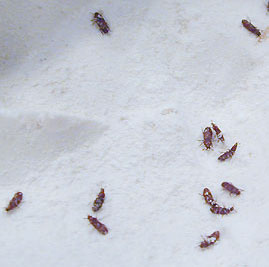
Red flour beetles in a bag of flour
Baking is a big part of tradition for lots of people during the holiday season. And what better time while you’re breaking out all of the baking supplies to inspect your pantry for signs of pests. Pests are living creatures that are in search of the same things we are…food, water, and shelter. A pantry where those necessities are stored is an ideal place for pests to make a home.
Common pests that are found in pantries:
Below are tips on ways to inspect your pantry for pests:
- Place foods in tightly sealed containers. This will keep bugs out and freshness in.
- Unpack seasonal decorations outside. Dried foliage, potpourri, etc, should be unpacked outside of the home and inspected before displaying in your home.
- Place a bay leaf in containers of dry foods like flour and rice. The smell of bay leaves often repels pests.
- Inspect groceries before bringing them in to your home. As with anything you bring into your home, be sure to inspect it.
- Always check the date before using items in your pantry. Frequent checks of this throughout the year can be beneficial.
- Clean messes immediately. Wipe any spills or crumbs as soon as they happen and take the trash out regularly.
- Place trash in a tightly sealed bag. Remove the bag frequently to a garbage can outside of the home that is equipped with a tightly sealed lid.
- Seal cracks or holes that pests could use to enter your home.
- Eliminate moisture areas. Seal leaky pipes and use humidifiers in the home. Water is a major attractant for bugs so the less access they have to water, the better.
If you find pests in your pantry, throw out the infested food immediately. If pests have made a home in your pantry you should call your professional pest control company. A professional exterminator will be able to inspect the area and treat the problem properly and efficiently.
Sources:
http://www.pestworld.org/news-and-views/pest-articles/articles/preventing-pantry-pests/
http://lancaster.unl.edu/pest/resources/pantrypests304.shtml