Mar 20, 2026 | Bed Bug, Florida Blogs, Georgia Blogs, Tennessee Blogs
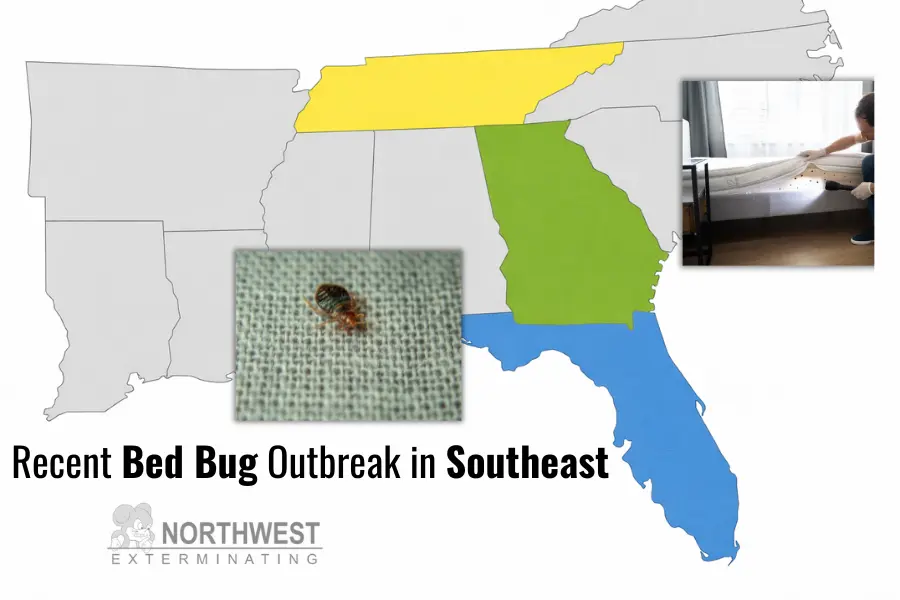
A recent bed bug outbreak in the Southeast has made headlines, as cases continue to rise across states like Georgia, Florida, and Tennessee. Reports show infestations appearing in homes, apartments, hotels, and even public spaces—putting homeowners on high alert.
For many families, this isn’t just an inconvenience—it’s a stressful and disruptive experience. Bed bugs spread quickly, hide extremely well, and can be difficult to eliminate without the right approach. What often starts as a few bites can escalate into a full infestation in a matter of weeks.
If you’re noticing signs—or even just concerned after travel—understanding what’s happening and acting early can make all the difference.
Why Are Bed Bugs Increasing in the Southeast?

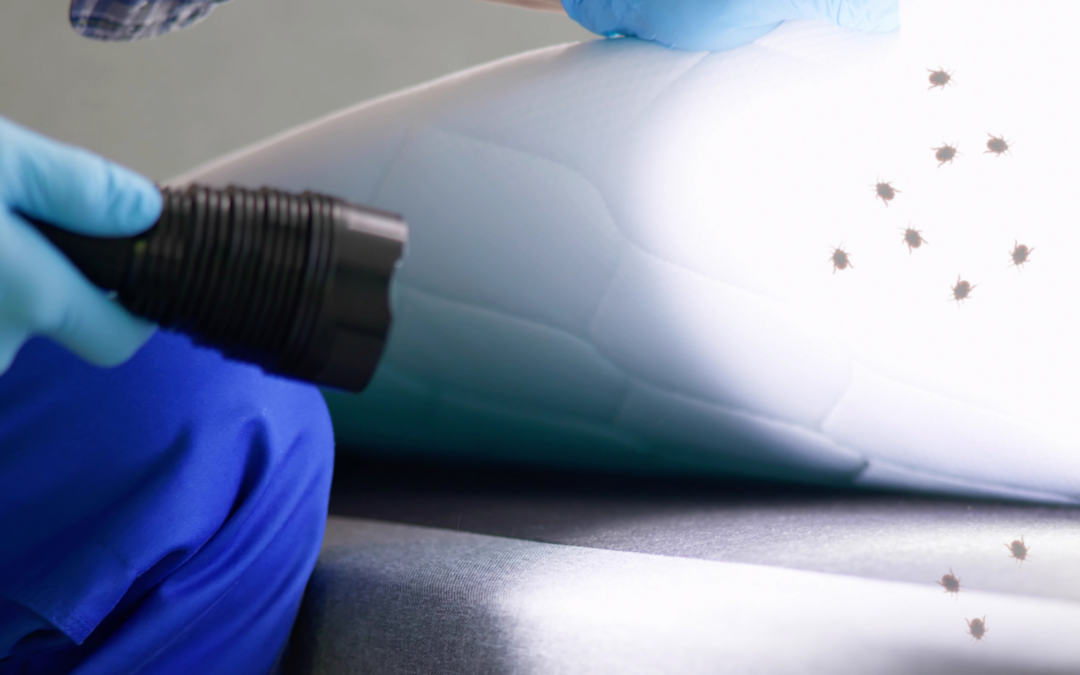
Bed bugs often spread by hitchhiking in luggage, making travel one of the most common ways infestations start.
Luggage is one of the most common ways bed bugs spread. There isn’t a single cause behind the rise in infestations; it’s a combination of environmental and behavioral factors.
Increased Travel and Mobility
With more people traveling for vacations, work, and events, bed bugs are spreading faster than ever. They don’t fly but they are excellent hitchhikers. Luggage, clothing, and even backpacks can carry them from one location to another.
This is a major reason why searches for bed bugs near me have increased significantly in recent months.
Warm Climate Conditions
The Southeast United States provides an ideal environment for bed bugs to thrive. Warmer temperatures allow them to reproduce more quickly, accelerating the bed bug lifecycle and increasing infestation rates.
Urban Living and Shared Spaces
In cities and densely populated areas, bed bugs can easily move between units. Apartments, condos, and hotels are particularly vulnerable. This is why we’re seeing increased reports of bed bugs in Florida and bed bugs in Tennessee, in both residential and commercial settings.
Resistance to Over-the-Counter Treatments
Many homeowners attempt DIY solutions first but bed bugs have developed resistance to many common products. This often leads to partial treatment, allowing infestations to rebound stronger.
How to Identify a Bed Bug Infestation
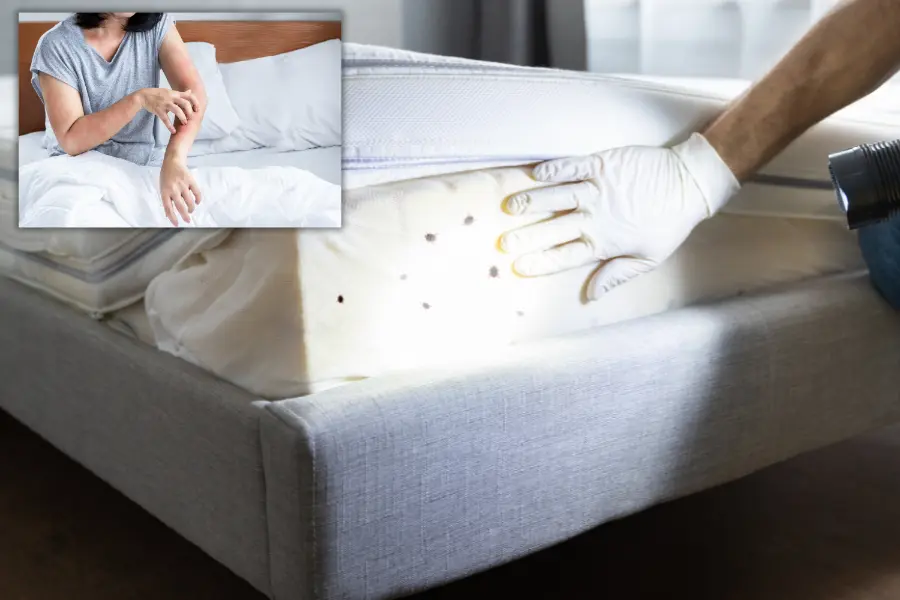
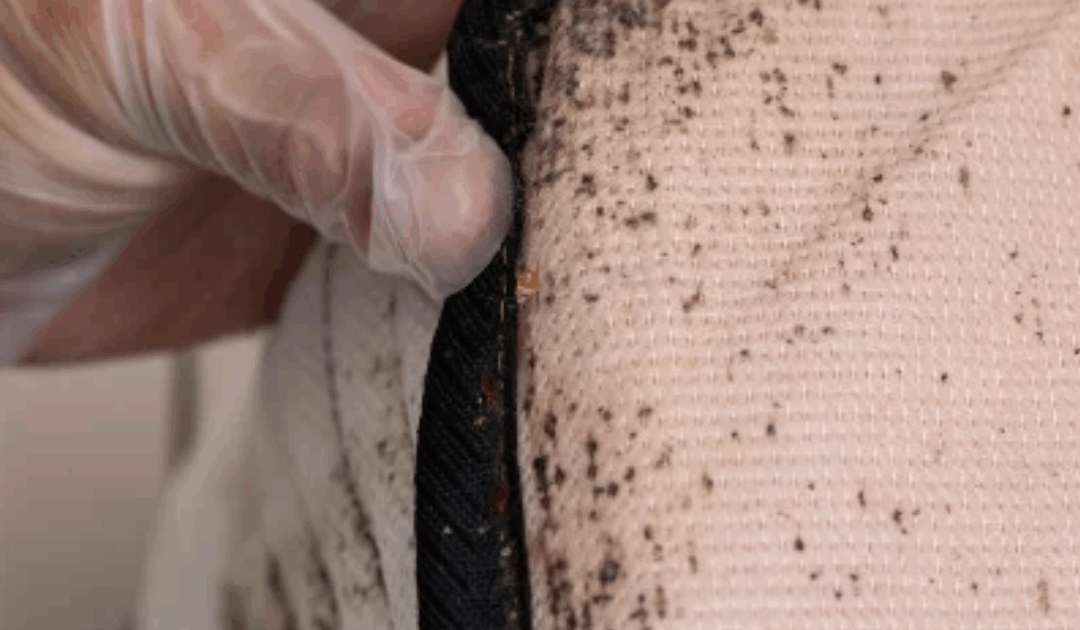
If you notice bites along with bugs or spotting on your mattress, you may be dealing with a bed bug infestation.
If you notice bites along with bugs or spotting on your mattress, you may be dealing with a bed bug infestation.
Early detection is key. The sooner you recognize the signs, the easier it is to control the problem.
Here’s what to look for:
- Red, itchy bites (often in clusters or lines)
- Small blood stains on sheets or pillowcases
- Dark spots (droppings) on mattresses or furniture
- Shed skins or eggshells in cracks and seams
- Musty odor in more severe infestations
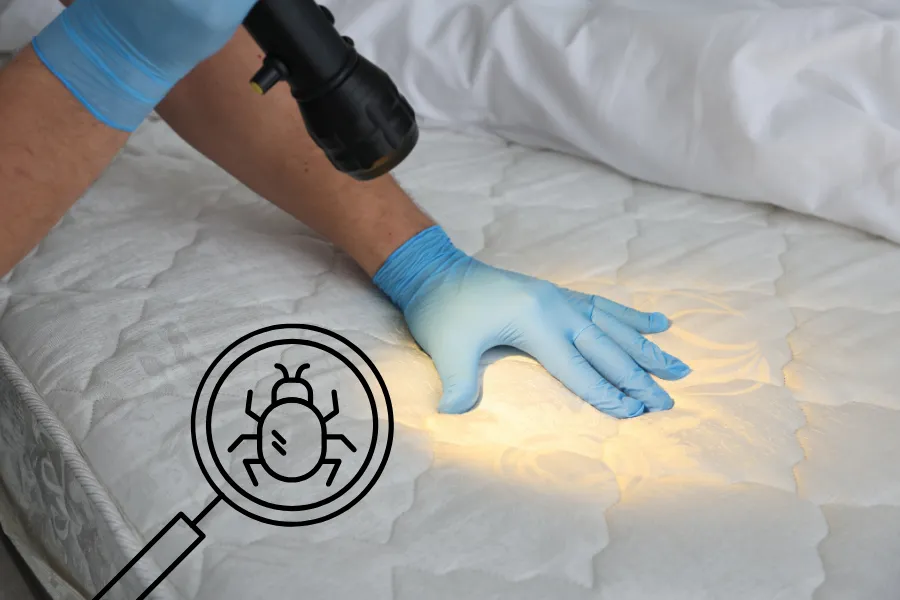
Bed bugs typically hide during the day in mattress seams, bed frames, baseboards, and upholstered furniture. A proper bed bug inspection often requires checking areas most homeowners wouldn’t think to look.
How Fast Do Bed Bugs Spread?
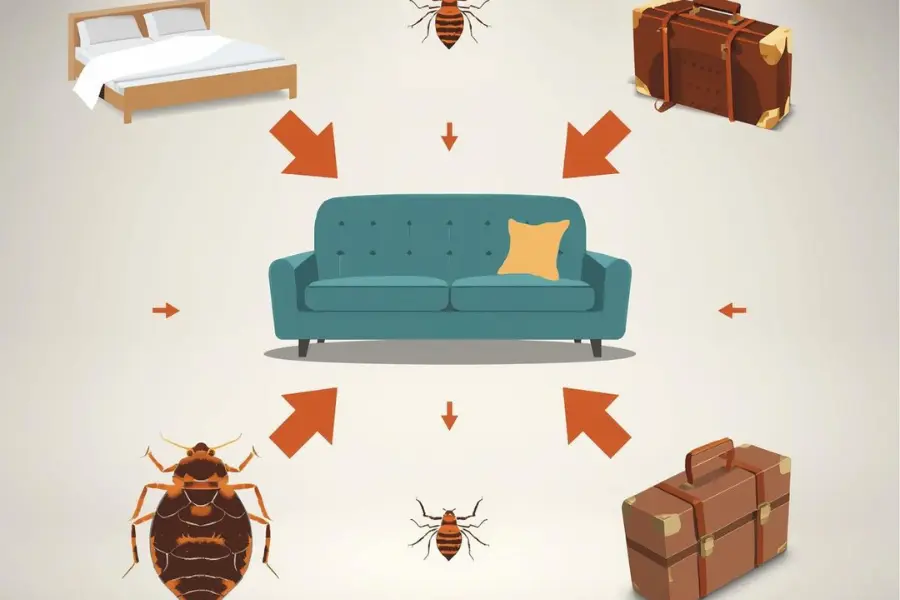
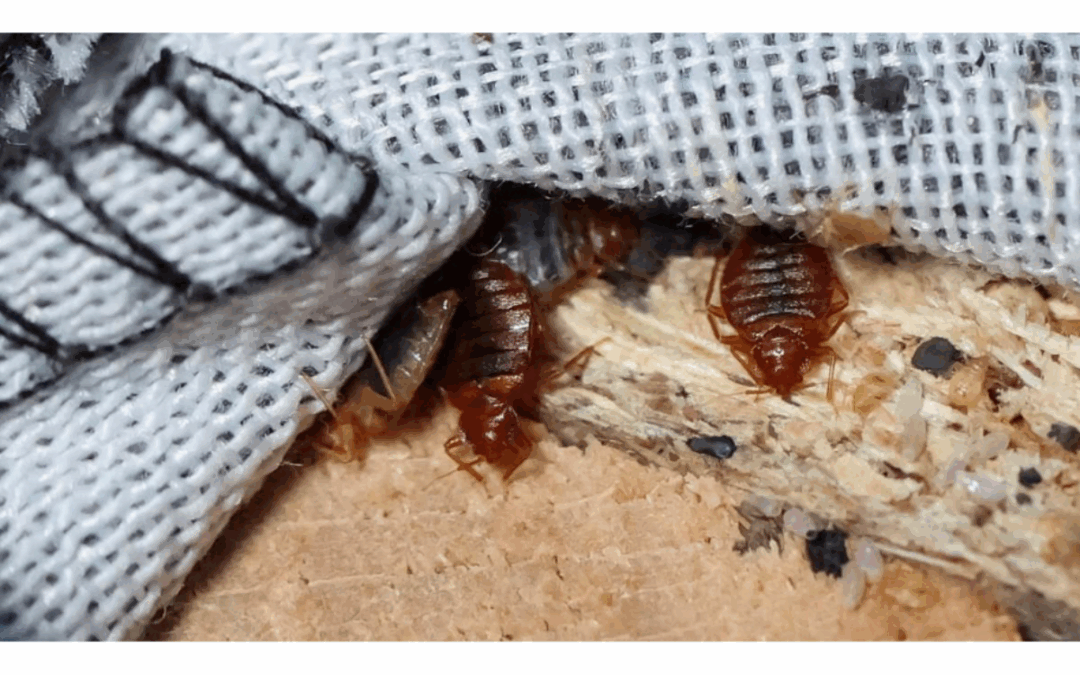
Bed bugs don’t stay in one place—they spread rapidly through furniture, rooms, and personal belongings.One of the biggest misconceptions is that bed bugs spread slowly. In reality, they multiply rapidly.
A single female can lay hundreds of eggs, and under ideal conditions, populations can grow significantly within weeks.
Bed bugs spread by:
- Moving through walls and electrical outlets
- Attaching to clothing, luggage, and furniture
- Traveling between rooms and units
Bed bugs can quickly spread between beds, furniture, and luggage — turning a small issue into a widespread infestation.
This is why early detection is critical. Waiting too long can turn a manageable issue into a widespread infestation.
Why DIY Bed Bug Removal Often Fails
It’s completely understandable — most homeowners want to try solving the problem themselves first. But bed bugs are one of the toughest pests to eliminate without professional help.
Common reasons DIY methods fail:
- Incomplete coverage (missing hidden areas)
- Surviving eggs that hatch later
- Improper application of products
- Resistance to store-bought chemicals
Even when it seems like the problem is gone, infestations often return — leading to frustration and higher long-term costs.
Professional Bed Bug Treatment in the Southeast
Northwest Exterminating technicians provide professional bed bug treatment with trusted, local expertise.When it comes to bed bugs, professional treatment isn’t just helpful, it’s necessary.
A trusted bed bug exterminator will follow a structured inspection process to identify all affected areas and determine the best treatment plan.
Northwest Exterminating technicians provide professional bed bug treatment with trusted, local expertise.
What professional treatment includes:
- Thorough inspection of all hiding spots
- Heat treatments that eliminate all life stages
- Targeted chemical treatment when needed
- Follow-up visits to ensure full eradication
Why Homeowners Choose Northwest Exterminating
At Northwest Exterminating, our professional pest control technicians bring over 75 years of experience handling pest infestations across the Southeast.
We’ve worked with:
- Single-family homes
- Apartment complexes
- Hotels and hospitality properties
- Other commercial spaces
Our team is trained to identify infestations quickly and apply family-friendly, effective treatments tailored to your home and situation.
As a leader in residential pest control, Northwest combines local expertise with proven treatment methods, helping homeowners regain peace of mind fast.
How to Prevent Bed Bugs (Practical Tips)
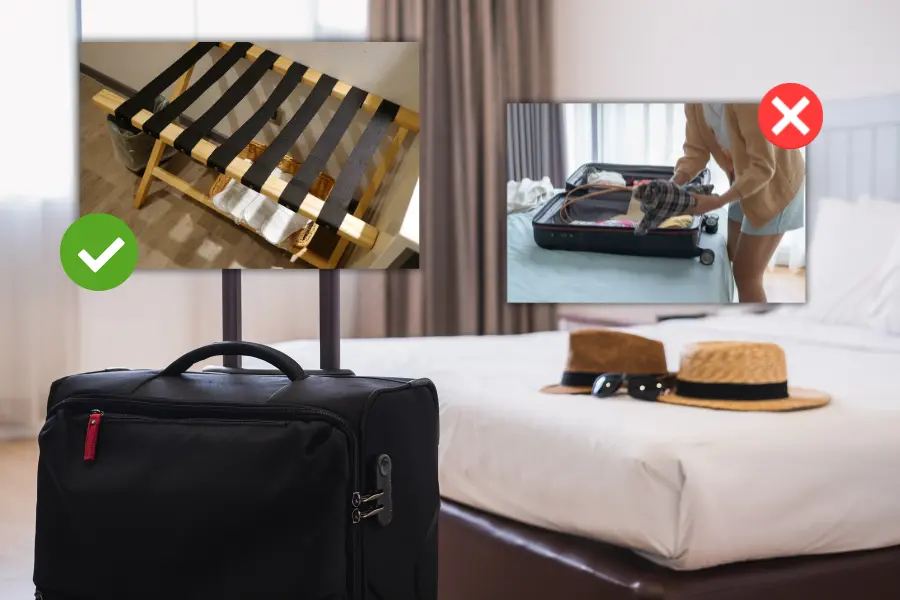
Simple travel habits like inspecting beds and using luggage racks can significantly reduce the risk of bed bugs.
While no method is 100% foolproof, there are ways to significantly reduce your risk.
Travel Smart
- Inspect hotel mattresses and headboards
- Keep luggage elevated off the floor
- Wash and dry clothes on high heat after returning
At Home
- Regularly inspect bedding and furniture
- Vacuum frequently, especially around sleeping areas
- Reduce clutter where bed bugs can hide
Be Cautious with Furniture
Avoid bringing in secondhand furniture without inspecting it carefully.
Real-World Insight: What We’re Seeing Locally
Serving Georgia, Florida, and Tennessee, Northwest Exterminating is helping homeowners respond to the growing bed bug outbreak across the Southeast.
In recent months, our team has seen an increase in bed bug calls across Georgia and surrounding areas, particularly after travel-heavy seasons.
Many homeowners we work with initially thought they were dealing with mosquito bites or minor skin irritation. By the time they realized it was bed bugs, the infestation had already spread.
FAQ: Bed Bugs in the Southeast
Are bed bugs common in the Southeast?
Yes, especially in warmer climates with high travel activity. Cities in Georgia, Florida, and Tennessee are seeing increased reports.
How do I know if I have bed bugs?
Look for bites, stains, droppings, and visible bugs. A professional inspection is the most reliable way to confirm.
Can bed bugs spread from house to house?
Yes, especially in apartments or shared housing environments.
What is the fastest way to get rid of bed bugs?
Professional bed bug removal service is the fastest and most effective solution.
When should I call an exterminator?
As soon as you notice signs. Early treatment prevents larger infestations.
Bed bugs are on the rise across the Southeast and they’re not going away anytime soon. The combination of travel, climate, and population density is creating the perfect environment for infestations to spread. The key is acting early.
If you suspect bed bugs, don’t wait. A professional inspection can save you time, money, and stress — and help you avoid a much larger problem.
Concerned you have bed bugs? We’re here to help. Schedule a free bed bug inspection with Northwest Exterminating today.
`FAQ Schema`
Sep 18, 2025 | Bed Bug
Waking up with mysterious bites? Finding tiny brown spots on your sheets? If you’re scratching your head (literally), wondering how bed bugs found their way into your Murfreesboro home, you’re not alone. These sneaky little hitchhikers are masters at finding new places to call home, and unfortunately, your cozy Tennessee house might’ve just made their list. Don’t panic though! Understanding how these pests arrive is your first step toward getting rid of them for good. Let’s explore the most common ways bed bugs enter Murfreesboro homes and what you can do to prevent future bed bug infestations.
The Great Bed Bug Mystery: How They Really Get In
Contrary to popular belief, bed bugs aren’t a sign of poor housekeeping. These crafty creatures can infest even the cleanest homes because they’re excellent at finding rides. Think of them as the ultimate freeloaders of the pest world.
Travel Is Their Favorite Transportation Method
Did you take a vacation recently? Stay in a hotel or rental property? Bed bugs love to stow away in luggage, backpacks, and even the clothes you’re wearing. They’re particularly common in hotels, where they can easily move from room to room through luggage and belongings. Common hiding spots include mattresses, headboards, and in and around bedside tables.
Here’s the thing about traveling to and from Murfreesboro: whether you’re visiting Nashville for a weekend getaway or heading out on business, you might be bringing more than memories home with you.
Secondhand Finds Can Bring Unwanted Guests
Love hunting for treasures at thrift stores, garage sales, or online marketplaces? That vintage dresser or “like new” mattress might come with some unwanted extras. Bed bugs can hide in the tiniest crevices of furniture, making secondhand purchases a common source of bed bug infestations.
Your Neighbors Might Be Sharing More Than Sugar
In apartments, condos, or closely situated homes, bed bugs can actually walk from one unit to another through wall voids, electrical outlets, and shared spaces. If your neighbors are dealing with an infestation, you might be next on the guest list.
Prevention Tips That Actually Work
Ready to become a bed bug prevention pro? Here’s how to keep these unwelcome visitors from making themselves at home in your Murfreesboro house.
Travel Smart, Travel Bug-Free
Before settling into any hotel room or rental property, do a quick inspection:
- Pull back the sheets and check the mattress seams for dark spots or stains
- Look for tiny blood spots on pillowcases
- Check upholstered chairs and curtains near the bed
- Keep your luggage in the bathroom while you inspect (bed bugs hate hard surfaces)
When you get home, wash all your clothes in hot water immediately, even if you don’t wear them. Store your suitcase in the garage or basement until you can thoroughly inspect it.
Shop Secondhand Safely
That antique nightstand calling your name? Here’s how to bring it home without hitchhikers:
- Inspect every crack and crevice before purchasing
- Look for dark spots, shed skins, or sweet musty odors
- Consider quarantining items in your garage before bringing them inside
Create a Fortress Around Your Home
While you can’t control what your neighbors do, you can make your home less appealing:
- Seal cracks around baseboards and electrical outlets
- Use mattress and box spring encasements as protective barriers
- Reduce clutter, especially around sleeping areas
- Vacuum regularly, paying special attention to seams and crevices
Eco-Friendly Solutions for Murfreesboro Homeowners
If bed bugs have already moved in, don’t despair. You’ve got options that won’t harm your family or Tennessee’s beautiful environment.
Steam Cleaning Power
A quality steam cleaner can kill bed bugs and their eggs on contact. Focus on mattress seams, furniture crevices, and carpet edges where these pests like to hide.
Natural Deterrents
While not eliminating methods, essential oils like tea tree, lavender, and peppermint can help repel bed bugs. Mix with water and spray bed frames and furniture.
When to Call Murfreesboro Bed Bug Professionals
Sometimes DIY just isn’t enough, and that’s perfectly okay. Consider professional help if you’re seeing:
- Multiple bites appearing regularly
- Live bugs during daylight hours
- Dark stains or spots on mattresses
- Sweet, musty odors in bedrooms
Professional Murfreesboro bed bug control experts understand local conditions and can implement targeted treatments that work specifically for Tennessee homes.
Don’t Let Bed Bugs Win
If bed bugs continue to be a problem despite your efforts, it’s wise to consult a pest control professional who can provide targeted treatments for bed bug infestations and help restore comfort to your Murfreesboro home quickly and effectively.
Aug 27, 2025 | Florida Pest Control
Florida summers mean sunny beaches and family fun—but also an increase in bed bug activity. The warmer months bring ideal conditions for these pests to reproduce and spread, especially with more people traveling. Knowing why summer is peak bed bug season and how to prevent them can help protect your home.
Bed Bug Season in Florida
Why Summer Is Peak Season for Bed Bugs in Florida
Bed bugs thrive in Florida’s summer climate. Here’s why they become more active:
- Warm Temperatures
Summer heat speeds up bed bug reproduction. A female can lay hundreds of eggs, and warm temps help them hatch and mature faster.
- Increased Travel
Tourists and locals alike travel more in summer, which increases the risk of spreading bed bugs through luggage and clothing.
- High Humidity
Bed bugs prefer humid environments, and Florida’s moisture-rich air helps them survive longer indoors.
Why Bed Bugs Are More Than Just a Nuisance
Bed bug infestations can lead to a range of issues beyond the annoyance of bites:
- Health Irritations
Bites can cause red welts, itching, and in some cases, allergic reactions. Even without disease transmission, they can disrupt sleep and comfort.
- Financial Strain
Eradication can be costly. Treatment, mattress replacement, and missed work add up quickly.
- Emotional Stress
Living with bed bugs can lead to anxiety and insomnia. Infestations can be persistent and emotionally draining.
How to Prevent and Manage Bed Bugs This Summer
Protect your home with these practical, eco-friendly tips:
1. Inspect and Clean Regularly
- Focus on high-risk areas: Mattress seams, headboards, and furniture crevices.
- Launder items on high heat: Wash and dry bedding, curtains, and clothes on the hottest safe settings.
2. Be Cautious While Traveling
- Check hotel rooms and rentals: Look for small stains, dark spots, or shed skins around mattresses and upholstery.
- Keep bags off beds and floors: Use counters or tables instead, and consider protective covers for extra peace of mind.
3. Declutter Sleeping Spaces
- Bed bugs love hiding in clutter. Keeping spaces tidy and organized makes it harder for them to spread unnoticed.
4. Seal Entry Points in Shared Buildings
- Seal cracks, baseboards, and shared walls in apartments or multi-unit housing to block travel between units.
5. Use Natural Deterrents
- Try lavender, tea tree, or peppermint oil sprays around sleeping areas. While not a cure-all, they may discourage bugs and freshen your space.
6. Install Mattress Encasements
- Use bed bug-proof covers on your mattress and box spring to trap pests and prevent infestation.
7. Monitor with Interceptor Traps
- Place bed bug traps under bed legs to catch early activity before it becomes a full-blown problem.
8. Call in the Experts
- If you suspect or confirm an infestation, contact your local pest control professionals. They have the tools and training to safely and effectively eliminate bed bugs.
Bed bugs may be more active in summer, but that doesn’t mean you have to suffer. Regular inspections, clean travel habits, and protective bed bug control measures can make your home less inviting to these pests.
Stay informed, stay alert, and enjoy your Florida summer without the unwanted guests.
Feb 21, 2025 | Bed Bug
Traveling should be a relaxing and enjoyable experience, but nothing can ruin a trip faster than bringing home unwanted guests—bed bugs. These tiny pests are expert hitchhikers, and hotels, motels, and vacation rentals can sometimes harbor infestations. Knowing how to check for bed bugs in a hotel before settling in can save you from bites, discomfort, and the nightmare of an infestation at home.
In this guide, we’ll cover the common signs of bed bugs, how to prevent bed bugs while staying in a hotel, and what to do if you encounter bed bugs during your stay.
A Traveler’s Guide To Bed Bugs
How Do I Know If a Hotel Has Bed Bugs?
While bed bugs can be found in even the cleanest hotels, certain signs indicate their presence. Here’s what to look for when checking your hotel room:
1. Inspect the Mattress and Box Springs
Bed bugs hide in small cracks and crevices, with mattresses and box springs being some of their favorite hiding spots. Pull back the sheets and blankets and carefully inspect the seams, edges, and folds of the mattress.
Look for:
- Rust-colored spots – These are bed bug fecal stains.
- Shed skins – As bed bugs grow, they shed their exoskeletons.
- Tiny white eggs – These are about the size of a pinhead.
- Live bed bugs – Adult bed bugs are reddish-brown, oval-shaped, and about the size of an apple seed.
2. Check the Headboard and Bed Frame
Bed bugs often hide in the crevices of headboards and bed frames. Use a flashlight to check along the seams and any cracks in the wood or upholstery.
3. Inspect Upholstered Furniture
Bed bugs don’t just hide in beds. Upholstered furniture like couches, chairs, and padded headboards can also harbor these pests. Look along seams, under cushions, and in any folds or tufts of fabric.
4. Examine the Luggage Rack
Before setting your bags down, inspect the luggage rack thoroughly. Bed bugs often hide in the cracks and crevices of wooden or fabric-covered luggage racks, waiting for the perfect opportunity to crawl into your suitcase.
5. Look for Signs on Walls and Curtains
If an infestation is severe, you might see rust-colored spots on the walls, curtains, or baseboards. Bed bugs can also hide behind picture frames, electrical outlets, and inside drawers.
How to Prevent Bed Bugs When Staying in a Hotel
Even if you don’t see immediate signs of bed bugs, taking precautions can help ensure you don’t bring them home. Follow these tips to prevent bed bugs when staying in a hotel:
1. Keep Your Luggage Off the Floor and Bed
Instead of placing your suitcase on the bed or floor, use a luggage rack or place your bag in the bathroom, where bed bugs are less likely to hide.
2. Use a Hard-Shell Suitcase
Bed bugs have an easier time clinging to fabric suitcases than hard-shell ones. If possible, opt for a hard-shell suitcase to reduce the chances of bed bugs hitching a ride home.
3. Seal Your Clothing in Plastic Bags
Keep your clothing in sealed plastic bags inside your suitcase. This makes it harder for bed bugs to get into your clothes and travel home with you.
4. Wash Your Clothes Immediately After Returning Home
Even if you didn’t see signs of bed bugs, wash all your clothes in hot water and dry them on high heat as soon as you return home. Heat is one of the best ways to kill bed bugs and their eggs.
5. Vacuum Your Suitcase
Before storing your suitcase after a trip, vacuum it thoroughly to remove any hitchhiking bed bugs.
What to Do If You Encounter Bed Bugs in a Hotel
If you find signs of bed bugs in your hotel room, take action immediately:
1. Report the Infestation to Hotel Management
Notify the front desk as soon as possible. Many hotels take bed bug complaints seriously and will offer a room change or refund.
2. Request a Room in a Different Area
If you’re given a new room, make sure it’s at least two floors away from the infested room. Bed bugs can travel through walls and vents, so a nearby room might also be affected.
3. Inspect the New Room
Just because you switched rooms doesn’t mean you’re in the clear. Check for bed bugs again using the steps outlined above.
4. Take Precautions Before Leaving the Hotel
If you stayed in an infested room, take extra steps to prevent bringing bed bugs home:
- Place your belongings in sealed plastic bags before leaving.
- Wash and dry all clothes on high heat when you return home.
- If you suspect your suitcase has bed bugs, use a bed bug spray or leave it in a plastic bag in a hot car for a few hours to expose it to high heat.
How to Handle a Bed Bug Infestation at Home
If you accidentally bring bed bugs home, you need to act quickly. A bed bug infestation can spread rapidly, so professional treatment is often necessary.
Steps to Take:
- Identify the infestation – Look for rust-colored spots, shed skins, or live bugs in your bedding, furniture, and baseboards.
- Wash and dry all fabrics – Use high heat to kill bed bugs in clothing, bedding, and curtains.
- Vacuum thoroughly – Vacuum all carpets, furniture, and mattresses. Dispose of the vacuum bag in a sealed plastic bag outside your home.
- Use bed bug-proof mattress covers – These can trap and starve any remaining bed bugs.
- Call a professional pest control company – Bed bugs are difficult to eliminate without professional treatment. A pest control company can provide effective bed bug control solutions.
Final Thoughts
Knowing how to check for bed bugs in a hotel can help prevent an infestation and keep your trip stress-free. By inspecting your room upon arrival, taking preventative measures, and acting quickly if you find bed bugs, you can reduce your risk of bringing these pests home.
If you suspect you have a bed bug infestation, don’t wait—contact a professional pest control company to safely and effectively kill bed bugs and prevent further issues.
Want to ensure your home stays bed bug-free? Contact a bed bug control company near you today for expert bed bug control solutions!
Dec 6, 2024 | Bed Bug
Bed bugs are a nightmare for homeowners, and their persistence requires thorough preparation before a bed bug treatment can be successful. These tiny pests can cause discomfort, disrupt sleep, and be notoriously difficult to eliminate. Knowing how to prepare for a professional bed bug treatment is essential to ensure these pests are eradicated from your home.
What To Know Before a Bed Bug Treatment
Identify A Bed Bug Problem
One of the first steps in addressing a potential bed bug problem is recognizing the signs of an infestation. These elusive pests are skilled at hiding, so you need to be vigilant. Here’s how to tell if you have bed bugs:
- Bed Bug Bites: Red, itchy welts on your skin, often appearing in clusters or a zigzag pattern, can be a sign of bed bug bites. They typically occur on exposed areas of the body, such as arms, legs, and neck.
- Bloodstains and Fecal Spots: Small, dark stains on your bed linens, mattress, or furniture are another indicator. These can result from crushed bugs or their droppings.
- Shed Skins and Eggs: Bed bugs shed their exoskeletons as they grow. Look for tiny, translucent skins or clusters of whitish eggs in cracks, crevices, or along mattress seams.
- Live Bugs: Adult bed bugs are about the size of an apple seed, reddish-brown in color, and flat. You might spot them crawling on mattresses, headboards, or baseboards.
- Musty Odor: In severe infestations, bed bugs emit a musty, unpleasant smell.
If you notice these signs, contacting a pest control company experienced in bed bug control is crucial to address the issue promptly.
Where Bed Bugs Usually Hide
Bed bugs are experts at hiding in small, dark spaces. They tend to stay close to their food source—humans—but can scatter throughout a home over time. Common hiding spots include:
- Mattresses and Box Springs: Check along seams, tags, and under mattress encasements.
- Headboards and Bed Frames: Inspect crevices and joints where bed bugs might nest.
- Furniture: Upholstered chairs, couches, and behind cushions are ideal hiding spots.
- Wall Cracks and Baseboards: Bed bugs can squeeze into cracks in walls, under baseboards, and behind picture frames.
- Electronics and Appliances: Alarm clocks, televisions, and outlets can also harbor bed bugs.
Understanding these hiding places helps you prepare your home and target the infestation effectively.
Types of Bed Bug Treatments
Several treatment options are available for eradicating bed bugs, and the choice depends on the severity of the infestation. Here are the most common methods:
1. Heat Treatment
Heat treatment is one of the most effective methods to remove bed bugs. This involves raising the temperature of the affected area to levels lethal to bed bugs and their eggs, usually above 120°F. Heat treatment penetrates deep into furniture, walls, and other hard-to-reach areas.
2. Chemical Treatments
Chemical treatments involve applying specialized insecticides to kill bed bugs. A pest control company will typically use a combination of sprays, dusts, and liquids to treat infested areas.
3. Steam Treatment
High-temperature steam can kill bed bugs on contact. This method is particularly effective for treating mattresses, furniture, and small cracks.
4. Encasements and Traps
Mattress and box spring encasements trap bed bugs inside, preventing them from escaping and feeding. Sticky traps and interceptor cups can also help monitor and reduce bed bug populations.
How to Prepare Your Home for a Bed Bug Treatment
Preparation is critical to ensuring the success of a bed bug treatment. Follow these steps to get your home ready:
1. Declutter Your Home
Remove items like clothing, bedding, and personal belongings from infested areas. Keep clutter to a minimum to give pest control professionals easy access to treatment zones.
- Wash all clothing and bedding in hot water and dry on high heat to kill bed bugs and eggs.
- Store cleaned items in sealed plastic bags to prevent re-infestation.
2. Vacuum Thoroughly
Vacuum carpets, rugs, furniture, and mattresses to remove as many bed bugs as possible. Pay extra attention to cracks, crevices, and seams. Dispose of the vacuum bag in a sealed plastic bag outside your home.
3. Inspect and Treat Infested Items
Separate heavily infested items that may need to be discarded. Consult your pest control professional to determine whether they can be treated or should be replaced.
4. Move Furniture Away from Walls
Bed bugs can hide in cracks along baseboards and behind furniture. Move furniture at least two feet away from the walls to allow for thorough treatment.
5. Disassemble Beds and Furniture
Disassemble bed frames, remove drawers from dressers, and open up sofas to expose all possible hiding spots.
6. Secure Pets and Remove Plants
During treatment, keep pets in a safe area away from the treated zones. Remove houseplants as they might be affected by the chemicals or heat.
7. Communicate with Your Pest Control Company
Provide details about the areas where bed bugs have been spotted and discuss any special considerations. Professional bed bug control companies can offer guidance on additional steps based on their treatment method.
8. Avoid Reintroducing Bed Bugs
After treatment, avoid bringing infested items back into your home. Inspect luggage, second-hand furniture, and clothing thoroughly before introducing them into your living space.
Why Choose a Professional Pest Control Company?
While DIY approaches might seem appealing, bed bug infestations are challenging to handle without professional help. A licensed pest control company has the tools, expertise, and treatments to eradicate bed bugs effectively and safely. They can identify the extent of the infestation, recommend the best treatment option, and help you implement prevention strategies to keep your home pest-free.
Preventing Future Bed Bug Infestations
Once your home has been treated, taking preventive measures is crucial to avoid future infestations:
- Inspect Second-Hand Items: Check used furniture, clothing, and other items for bed bugs before bringing them into your home.
- Use Mattress Encasements: Protect mattresses and box springs with bed bug-proof covers.
- Seal Cracks and Crevices: Close gaps in walls, baseboards, and furniture to eliminate hiding spots.
- Be Cautious When Traveling: Inspect hotel beds, avoid placing luggage on the floor, and wash clothes immediately upon returning home.
- Monitor Regularly: Use traps and regular inspections to detect bed bugs early.
Preparing for a bed bug treatment is an essential step in effectively combating these persistent pests. By recognizing the signs of a bed bug infestation, understanding their hiding places, and following preparation guidelines, you can ensure the success of the treatment. Partnering with a professional pest control company in Georgia will give you peace of mind and help you treat your home with expert precision.
If you suspect bed bugs in your home, don’t wait—contact a trusted pest control company today to schedule a thorough inspection and treatment. With the right approach, you can reclaim your home and enjoy a bed bug-free environment.