5 Pests that are World Travelers

5 Pests that are World Travelers

Some bugs are excellent travelers. They’ll hitchhike into your home on clothes, in luggage, on pets, in boxes, newspapers, magazines, or bags, on furniture, and even in your kids’ hair! Here are 5 well-traveled pests and tips on keeping them out of your home:

Bed Bugs

With summer vacations in full swing, out-of-town relatives visiting, and students coming home from college – now is the time to worry about bed bugs! They’ll sneak into your home unnoticed – most often in luggage and clothes – hide out during the day, and then creep out at night to feed (bite!).

Prevent bed bugs by being vigilant when traveling – check your accommodations for signs of bed bugs (dark spots on mattress corners and/or bedding), avoid putting luggage directly onto hotel beds and furniture, wash all of your clothes in hot water immediately when returning home, and leave luggage outside of your home, if possible (seal in plastic bags and leave in outdoor storage or your garage). Same applies to visiting relatives and students returning home from college. Also, remove any under-bed storage to reduce areas bed bugs are likely to hide out.

If you suspect you have bed bugs, contact an exterminator immediately. Because of the elusive nature of bed bugs and their ability to survive in extreme conditions (bed bugs can live for a year or more without eating and can withstand a wide range of temperatures from nearly freezing to 113 degrees Fahrenheit), they can’t be eliminated through do-it-yourself methods. A proper inspection is needed to identify all areas of infestation. After an in-depth inspection, a treatment and control plan can be implemented, usually including multiple chemical and/or heat treatments and inspections over several weeks. As part of the treatment plan, you may be asked by your exterminator to remove or reduce clutter, install protective encasements to your mattresses and/or boxsprings, and launder bedding and/or clothing. You should also be advised not to throw out any infested furniture, clothes or other items; this can cause the spread of bed bugs to other locations. It’s also not recommended to purchase new furniture throughout the treatment process as these items will likely become infested with bed bugs.

Lice

Once school starts back, lice infestations will be on the rise. Prevent the spread of lice by limiting shared clothing, hats, hair brushes, and other belongings, avoiding head-to-head contact, and by vacuuming carpet and furniture often. For existing lice infestations, use a lice treatment as soon as they’re discovered, disinfect combs, brushes, or towels that have come in contact with lice by soaking them in hot water for 5-10 minutes, disinfect bedding by removing it and washing in a hot water cycle, and wash and dry clothing, linens, or towels that have come into contact with a person infected with lice during at least 2 days prior to treatment.

Ticks

Lookout for ticks as we move into Fall. They attach themselves to humans and pets, making transport inside easy and often unnoticed, and can even infest your home (with the case of the brown dog tick). Their bites are painful and can cause skin irritations, but they also transmit several diseases including Lyme disease and Rocky Mountain spotted fever, which can cause serious illness or even death.

Prevent ticks by checking pets often and treating them with a tick control product, commonly included in topical flea treatments, keeping pets out of wooded areas or overgrown vegetation, by cutting your grass regularly, keeping plants and shrubs trimmed, and by clearing out leaves and other yard debris.

If you find a tick, safely remove it using a tick removal tool or with tweezers, only applying a small amount of pressure until the tick lets go. Any other method can be painful for your pet (or humans!) and cause skin irritations.

Fleas

Fleas thrive in hot, humid conditions. They can cause a lot of discomfort for your pets, even severe allergic reactions, and are easily transported into your home. Avoid a flea infestation by checking your pets often with a flea comb, applying topical or oral flea medication regularly, and limiting your pets’ time outside during warmer months.

If you have a flea infestation in your home, getting rid of them can be difficult and time-consuming. It’s best to contact a pest control company to establish a treatment schedule for both inside and outside the home. Your pet will need to be removed from the house during flea treatments and for a specified length of time afterwards. You can also help to get rid of fleas and prevent a future infestation by vacuuming regularly and removing old pet bedding, blankets, toys, and any other items regularly used by your pet.

Cockroaches

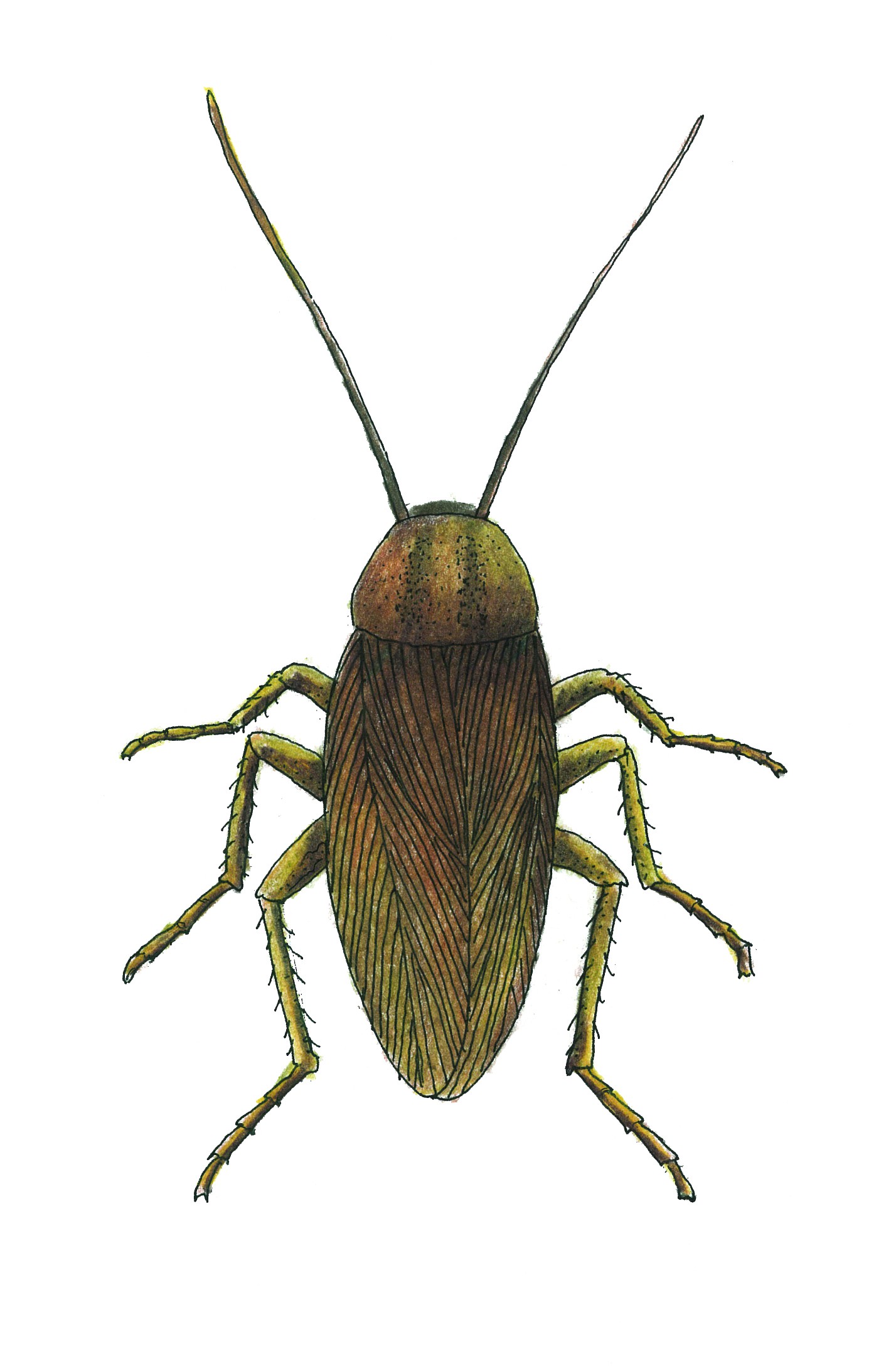
German cockroaches are among one of the most prevalent pest issues in residential structures, and often the hardest to control. A common misconception is that roaches only infest homes with unsanitary conditions. While they thrive in filth, even the cleanest, tidiest homes are at risk. To prevent this, avoid bringing items into your home that roaches often travel in – boxes, newspapers, grocery bags, food cartons, pet food, furniture – and remove & wash any clothing and/or luggage immediately if you’ve encountered another home or accommodation where roaches were present.

Once inside, roaches can contaminate food, trigger allergies and asthma, create an unpleasant odor, and just altogether create an undesirable living environment. They’ll hide out in damp, dark areas during the day and come out at night in search of food. Keep your home as clean as possible to remove potential food sources eliminate any areas with excessive moisture (repair those leaky faucets!), and de-clutter.

If you’re seeing cockroaches, it’s best to contact an exterminator for a pest control treatment plan. Infestations develop quickly and roaches can become immune to OTC products, especially if used incorrectly or too often.

How to Prevent Allergies and Asthma this Spring

How to Prevent Allergies and Asthma this Spring

With Spring only a few weeks away, now is a good time to start preparing for allergy season. And what’s one of the major causes of allergies and asthma? PESTS! Don’t suffer through the beautiful spring season this year. Here are some tips to keep your home pest and allergen-free.

Pest prevention measures can be very effective at combating allergies and asthma. Common household pests, like cockroaches and stinging insects, can pose a significant threat to asthma and allergy sufferers. Roach droppings, saliva, shed skins and other body parts contain allergen proteins known to cause flare-ups and increase asthma symptoms, especially in children. And stinging insects send more than 500,000 people to the emergency room each year due to serious reactions from the pest’s venom.

The first step to a pest and allergen-free home: practice good sanitation.

In addition, the National Pest Management Association (NPMA) recommends the following tips for safeguarding homes against common indoor allergens caused by pests:

  • Exclude pests by sealing cracks and gaps on the outside of the home. Pay special attention to utility pipe entry points.
  • Vacuum at least once a week using a vacuum with a HEPA (high-efficiency particulate) filter.
  • Keep food sealed and stored properly, and clean kitchen floors and counters daily.
  • Dispose of garbage regularly and store in sealed containers.
  • If allergic to stinging insects, learn how to use an epinephrine kit and carry it with you at all times.
  • Should you experience symptoms of an allergic reaction following a stinging insect encounter, such as tongue and throat swelling, wheezing, dizziness, or shortness of breath, call 911.
  • If you suspect an infestation, contact a licensed pest control professional to safely remove the threat.

Protect Your Home Against Pests to Prevent Allergies and Asthma

Eliminating Pests to Prevent Allergies and Asthma This Spring

Each year, the Asthma and Allergy Foundation of America designates May as National Asthma and Allergy Awareness Month, an ideal time to educate the public about triggers, prevention and treatment measures for asthma and allergic diseases. In recognition of this important observation, we want to remind people that a few simple pest prevention measures can go a long way in combating allergies and asthma this spring.

Common household pests, such as cockroaches and stinging insects, can pose a significant threat to asthma and allergy sufferers. Cockroach droppings, saliva, shed skins and other body parts contain allergen proteins known to cause allergy flare-ups and increase asthma symptoms, especially in children. In addition, stinging insects send more than 500,000 people to the emergency room each year due to serious reactions from the pest’s venom.

Many people blame their sneezing and runny noses during the spring season on pollen and grass, however, household pests are often culprits as well. It’s important for people to make an effort to keep the home free of potential triggers, and the first step is practicing good sanitation.

The National Pest Management Association (NPMA) recommends the following tips for safeguarding homes against common indoor allergens caused by pests:

  • Exclude pests by sealing cracks and gaps on the outside of the home. Pay special attention to utility pipe entry points.
  • Vacuum at least once a week using a vacuum with a HEPA (high-efficiency particulate) filter.
  • Keep food sealed and stored properly, and clean kitchen floors and counters daily.
  • Dispose of garbage regularly and store in sealed containers.
  • If allergic to stinging insects, learn how to use an epinephrine kit and carry it with you at all times.
  • Should you experience symptoms of an allergic reaction following a stinging insect encounter, such as tongue and throat swelling, wheezing, dizziness, or shortness of breath, call 911.
  • If you suspect an infestation, contact a licensed pest professional to safely remove the threat.
Source: NPMA

To view full image click HERE

Source: NPMA

10 Fascinating Facts about Cockroaches

10 Fascinating Facts about Cockroaches

It’s no secret that cockroaches are thought to be one of the most disgusting pests.  They are known to carry up to 33 different kinds of bacteria that they spread around and contaminate food and surfaces.  Roaches are also responsible for causing allergies and triggering asthma attacks, especially in children.  Studies say that up to 5 million children are sensitive to cockroaches.

Behind the undesirable cockroach are many unique features.  Here are 10 Fascinating Facts about Cockroaches:

  1. There are 5,000 species of cockroaches in the world.
  2. It is believed roaches originated more than 280 million years ago.
  3. Allergies and asthma can be brought on by breathing in pieces of broken down cockroaches.
  4. Germans call the German cockroach the Prussian cockroach.
  5. The American cockroach likes alcoholic drinks, especially beer.
  6. Cockroaches can run up to 3 mph.
  7. A roach can live 1 week without it’s head.  It only dies because it can’t eat without it’s mouth.
  8. According to historical accounts, roaches have been used as medicines by grinding up and boiling them.
  9. Cockroaches like glue.
  10. Some females mate only once and remain pregnant for the rest of their lives.

For more fascinating facts on cockroaches visit our sources at NPMA and Hubpages.


PSA: Common Household Pests Incite Allergies & Asthma

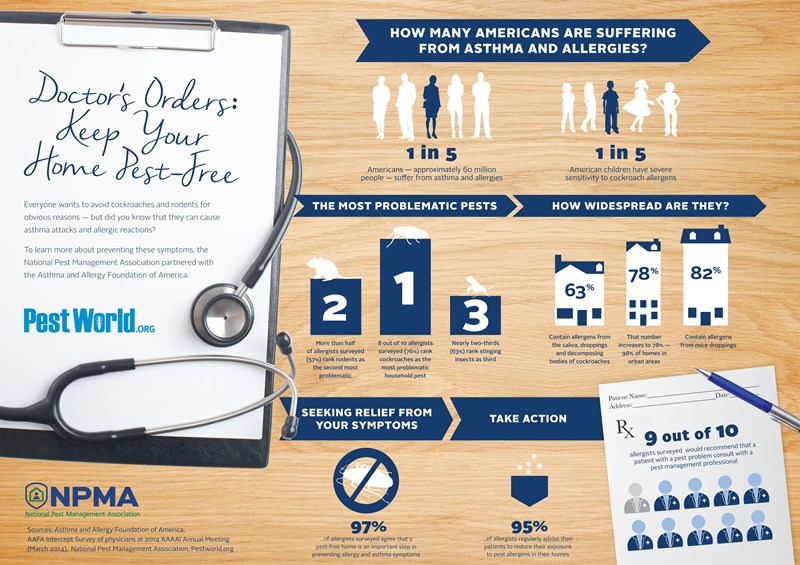
PestWorld.org and The Asthma and Allergy Foundation of America have teamed up for a public service announcement to warn homeowner’s of the dangers of allergens in the home caused by pests and rodents.  Common household pests such as cockroaches and mice are responsible for inciting allergies and aggravating asthma.  In fact, 63% of homes contain cockroach allergens.  That number increases to 78%-98% in urban areas.  82% of homes have asthma triggers spread by mice.
Watch NPMA’s public service announcement below:

Keep your family (children are especially at risk) and home safe by keeping your home pest free, call Northwest Exterminating. For more information visit pestworld.org or The Asthma and Allergy Foundation of America.
The NPMA will donate $1 to The AAFA for each new Facebook LIKE (HERE) until Sept, 15th.  Go LIKE them…and LIKE Northwest Exterminating (HERE) while you’re there!
SOURCE

Pin It on Pinterest

Call Now Button