Aug 23, 2018 | Pest Control
Fall is the perfect time of year to prepare your home for winter. While prepping your yard and storing away your summer things are usually at the top of the list, don’t forget to protect your home from pests this winter also! Fall is prime time for pests to make their way into your house in search of food, shelter, and warmth over the cold winter months.
Rodents will make their way indoors in search of a warm place to shelter for winter. Flies will often be found on the south and west facing walls of your home in search heat. Many stinging insects like yellow jackets, bees, and wasps will become more hostile in the fall as their food supply dwindles. Cockroaches are attracted by the moisture found in and under your home. Other pests like ants, stinkbugs, ladybugs, and box elders will come inside looking for a place to overwinter.
Now that you know what kinds of pests to expect this fall, what can you do to protect your home from these often unseen invaders? Check out these 6 tips to prevent pests this fall.
- Keep Them Out. Inspect the inside and outside of your home for possible entry points that pests can use. Seal any cracks and crevices on the outside of your home with caulk and steel wool, especially around utility pipes. Screen your attic vents and install chimney sweeps. Screen any other openings to the outdoors like mail slots and pet doors. Repair loose mortar around your foundation and windows. Check screens for holes and repair or replace them as needed. Check for any gaps around doors and windows. Install or replace weatherstripping as needed and install door sweeps.
- Keep It Clean. Wipe down your counters and sweep your floors often. Clean up spills immediately. Take out your trash on a regular basis. Don’t let fruits and veggies get overripe on your counters. Keep food, including pet food, stored in airtight containers. Avoid leaving pet food dishes out for prolonged periods of time.
- Dry It Out. Mosquitoes breed in standing water and cockroaches are attracted to moisture. Walk your property on a regular basis to check for any standing water. Be sure to check your gutters and rain spouts for clogs and consider installing gutter guards to help prevent them. Check for leaks near your air conditioning unit. Pick up any toys from your yard that may hold water. Keep basements, attics, and crawlspaces dry and ventilated. Consider enclosing your crawlspace. Use dehumidifiers in attics and garages.
- Don’t Forget Outside. Maintain your landscaping and keep grass trimmed and mowed. Trim any bushes and shrubs away from your home. There should be at least 2 feet between any landscaping and the walls of your house. Rake up any debris from your yard and be sure to pull weeds. Store firewood at least 20 feet from your house and store it in racks above the ground.
- Inspect Before Bringing It In. Thoroughly inspect any items like boxes, packages, and even grocery bags before bringing them indoors. Thoroughly inspect luggage after traveling before bringing them into your home and store them in plastic bags or in external buildings like sheds or garages instead of in your home.
- Call The Pros. Call a professional pest control company who can provide you with a thorough evaluation and comprehensive treatment and prevention plan.
Feb 2, 2018 | Pest Control
Just like the weather changes with each season, so do the pests that we see. Some pests prefer warmer weather and peak in spring and summer while other pests will surge in the winter as they come inside to get out of the cold. The ways that you prepare your home will depend on what time of year it is and what pests you are preparing for. We have provided you with a few of the most common pests for each season so you can be better prepared all year long.
SPRING:
Springtime brings about an increase in temperatures, the melting of ice, and the blooming of flowers. These warmer temperatures bring many pests out from their winter hiding places. As these animals emerge they will have one thing on their minds – food and water! Spring is also mating season for many species. Here are some common spring pests to look out for:
- Ants: Ants forage for food in warmer weather. As the temperatures increase, ants will venture farther and farther from their colonies in search of food. This will eventually drive them into our homes. The heavy rains in spring also drive ants out of their colonies in search of higher ground.
- Termites: Spring is the start of termite season as they leave their nests to mate and start new colonies. This is also known as “swarming.”
- Mosquitoes: Heavy spring rains provide the ideal breeding ground for mosquitoes. Mosquitoes will increase their activity in spring in preparation for their peak season which is summer.
- Flies: Flies reach maturity at the beginning of spring. Once they mature, they will flock to areas that humans inhabit as they look for food. They prefer liquids and other sweet foods.
- Spiders: Spiders become active in the spring as they search for food. The increase in insect activity as they wake from their winter slumber provides ample opportunities for spiders to feed.
- Stinging Insects: Stinging insects include bees, wasps, yellow jackets, and hornets. These insects wake up from their dormant stage in the spring and they become more active. Spring is the start of their mating season as they seek to establish their nests and breed.
- Bed Bugs: Although bed bugs are a year round problem, their populations can spike in springtime because of the increased travel for Easter and spring break from schools.
SUMMER:
While we get somewhat of a break from pests in the summer months, there are a few species who peak during this hot season. Summer is typically the time in many pests’ life cycles where they are maturing and are less of a threat to humans. Here are some common summer pests:
- Mosquitoes: Mosquitoes are the most common summer pest. The warmer temperatures allow mosquitoes to move through their life cycle faster which means they lay more eggs in the summer months. The summer rains also provide the ideal setting for mosquitoes to breed.
- Stinging Insects: Stinging insects reach their highest populations in the summer. They will often build their nests in any openings in your house, under overhangs or in the ground near your foundation.
- Ants: Ants continue to be a nuisance in the summer. As the rains continue through the season, ants will continue to seek shelter in higher ground. They will also continue to forage into our homes in search of food.
- Flies: Flies are most active in the summer months. This is also their peak breeding season. Flies will spawn in animal waste, garbage, and rotting foods.
- Termites: Termites are most productive in the summer. This is the season when they continue to consume wood while the queen continues to lay eggs and build their colonies.
- Bed Bugs: Once again, bed bugs are year round pests. Many populations thrive in the summer months because of an increase in travel during summer break from school.
FALL:
Fall brings about cooler temperatures. This is the time of year when pests start to prepare for the upcoming winter. Many pests will start to seek warmth and shelter inside our homes. Here are some common fall pests:
- Cockroaches: Cockroaches are some of the most common fall pests. Cockroaches cannot survive in colder temperatures so fall is when we see them start to migrate indoors in search of shelter and warmth. Cockroaches are known to hide near pipes and drains. They can spread disease and exacerbate asthma.
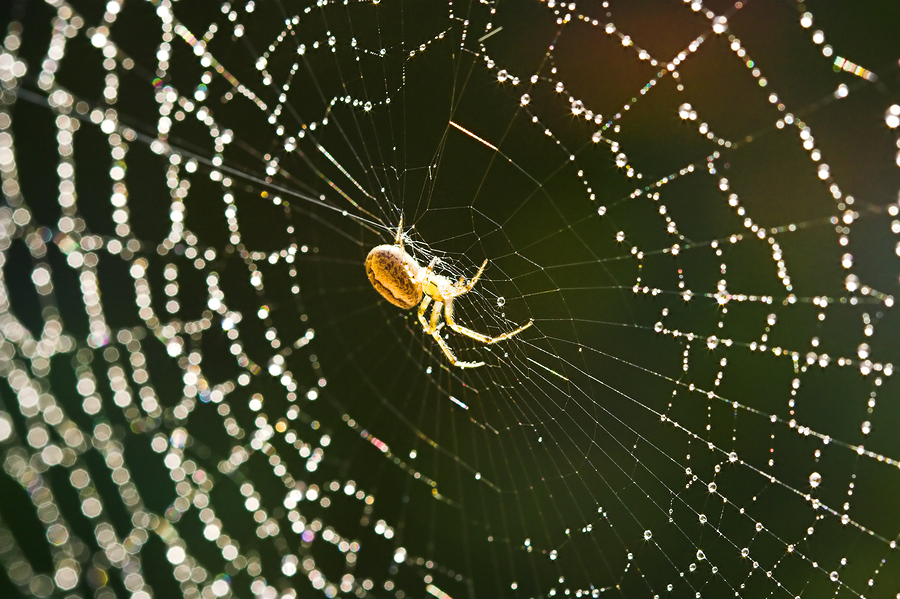
- Spiders: Spiders are also common in the fall for the same reasons as cockroaches. They will move indoors to avoid the harsh colder temperatures, as well as in search of food as many of the flying insect populations decline as the weather cools. Spiders also breed in the fall so activity will increase as males go in search of mates.
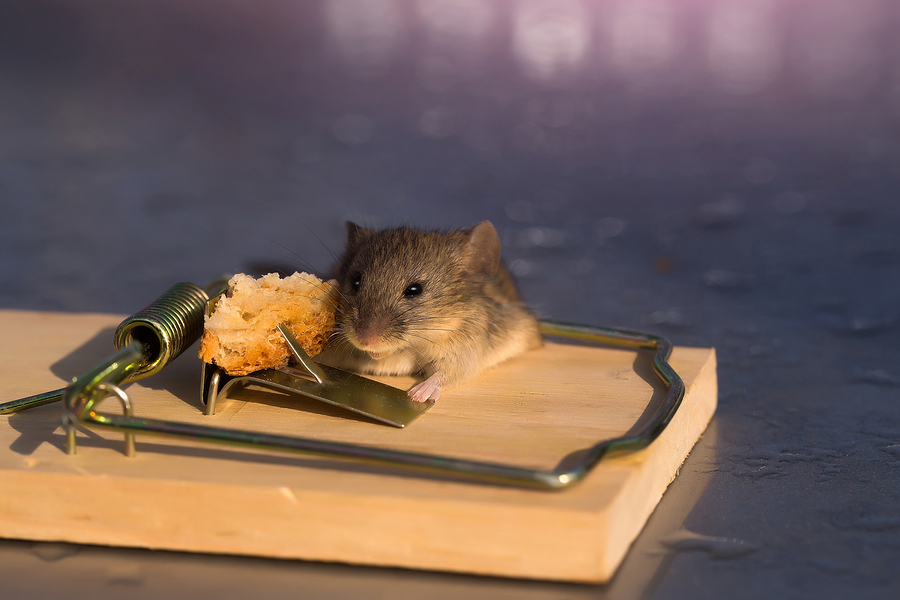
- Rodents: Rodents are another common fall pest. Rodents will migrate indoors as the weather cools in search of warmth, shelter, food, and water. Rodents not only spread disease but will also chew through wood supports and electrical wires in your home.
- Fleas: With rodents come fleas. Fleas flourish in warmer weather so as the weather cools, we see their populations indoors thrive. Fleas will hitchhike into your home on both your pets and any other wildlife that come into your home in the fall.
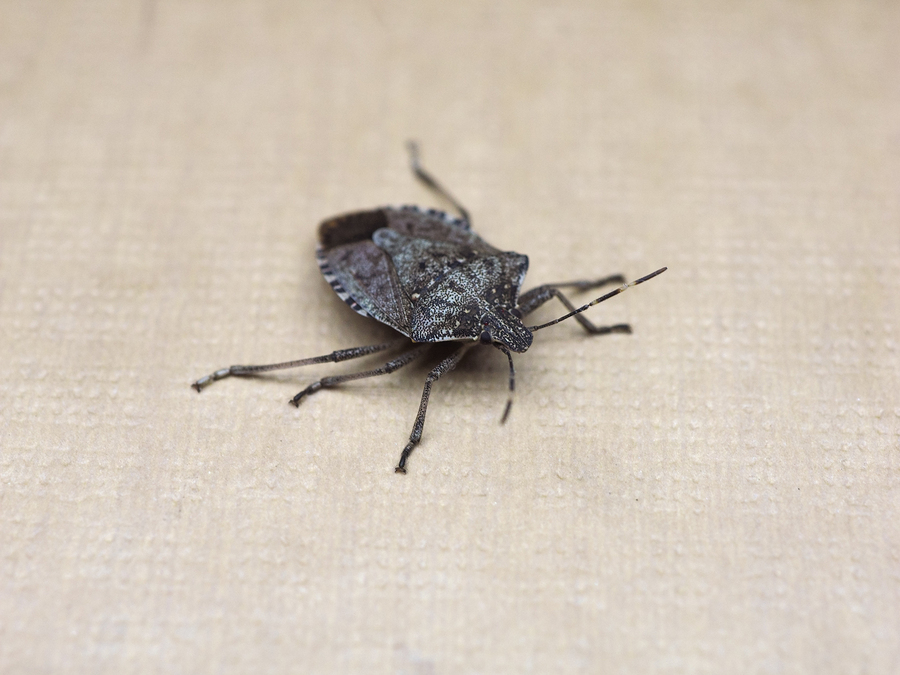
- Stinkbugs: Stinkbugs become a nuisance in the fall. Stinkbugs are known for emitting an extremely foul odor when they feel threatened. Stinkbugs are also considered a serious threat to agriculture as they can cause significant damage to crops.
WINTER:
While many pests hibernate or become dormant over the winter, don’t relax just yet! There are still many pests that we see in larger numbers in the winter months as they make their way into our home to avoid the harsh cold weather. Here are some common winter pests:
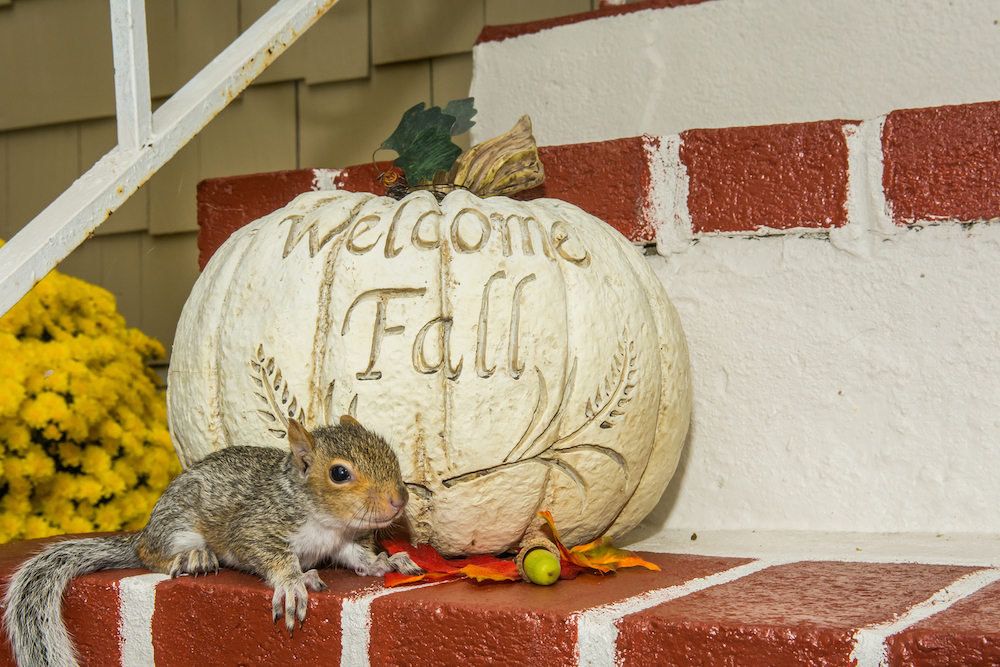
- Rodents: Rodents are the most common pests we see in the winter. Rats, mice, and squirrels will invade our homes in search of a warm place to stay and an ample supply of food and water.
- Roaches: While most cockroach species die off in the winter, Oriental roaches and German roaches are still active during this time of year. They seek dark, damp areas which are prevalent in the wintertime.
- Bed Bugs: Once again, bed bug populations are active year round but they often flourish during the winter months as these are some of the busiest travel times of the year.
As you can see, no two pests are alike and no two seasons are alike. In the same manner, one universal pest control method won’t work for different pests or for different seasons. It is important to know which pests thrive during which seasons so that you can better prepare your home year round to prevent an invasion. If you suspect that you have a pest problem in your home, contact a professional pest control company who can provide you with a thorough evaluation and set you up with a comprehensive treatment plan.
Sep 8, 2017 | Pest Control
1. Bees
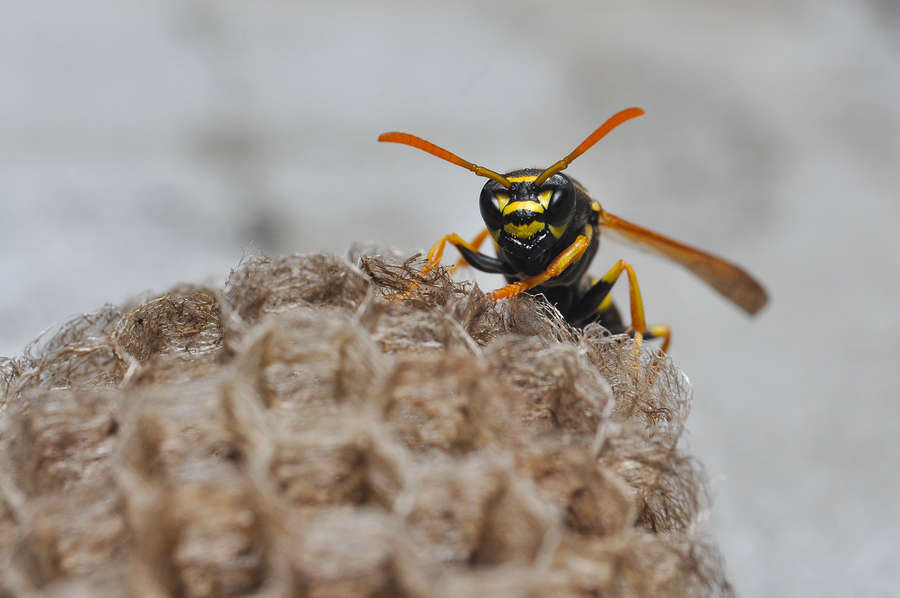
You may be noticing the bees buzzing more than they were a few weeks ago. Why? (Hint: it’s not to ruin your outdoor fun or to sting you) Some species of bees, like honeybees for example, are preparing for winter by collecting nutrients for their colony via late-blooming flowers. Wasps can also be more active (or noticeable) this time of year, when they change up their usual diet of insects for sweeter, more carbohydrate-rich foods. Since bees are beneficial insects, the best way to prevent stings is by avoiding them. If you have an unusual amount of bee activity around your home, contact a wildlife removal company for recommendations.
2. Roaches
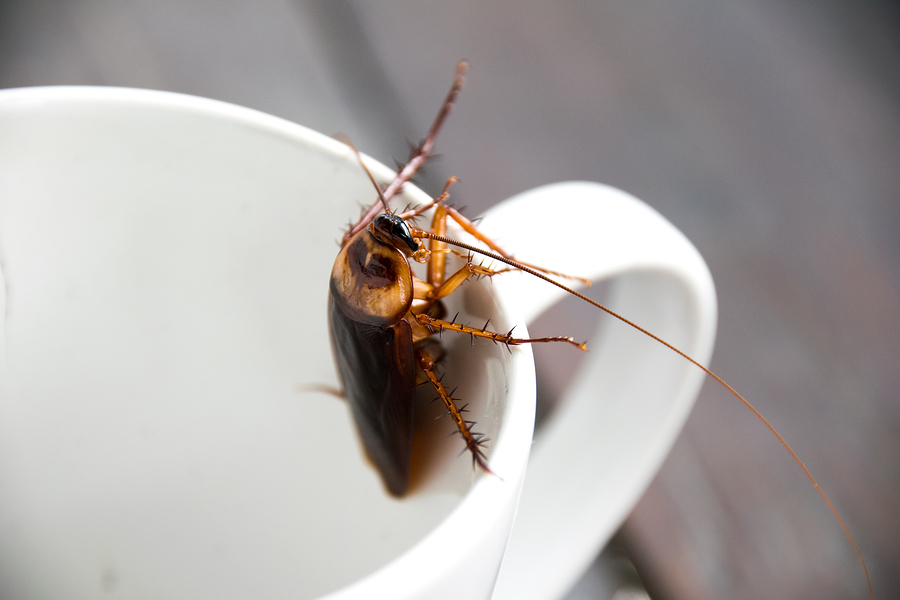
Cockroaches may start moving indoors when the weather gets cooler in search of food, water, and warmth. The best way to prevent an infestation in your home is with proactive roach control: eliminate or reduce food and water sources and get rid of hiding places by de-cluttering and keeping a clean house. Fix any plumbing leaks, store leftover food and dog food in storage containers, take out the trash daily, and seal or correct any gaps, cracks, or crevices that roaches can use to gain access into your home. If you’re seeing several roaches of varying sizes, you may have a roach infestation. Resist the urge to use OTC sprays as these are only on-contact killers and won’t prevent roaches from reproducing. Contact an exterminator for a pest control plan that will include a thorough inspection and quarterly or monthly treatments.
3. Beetles
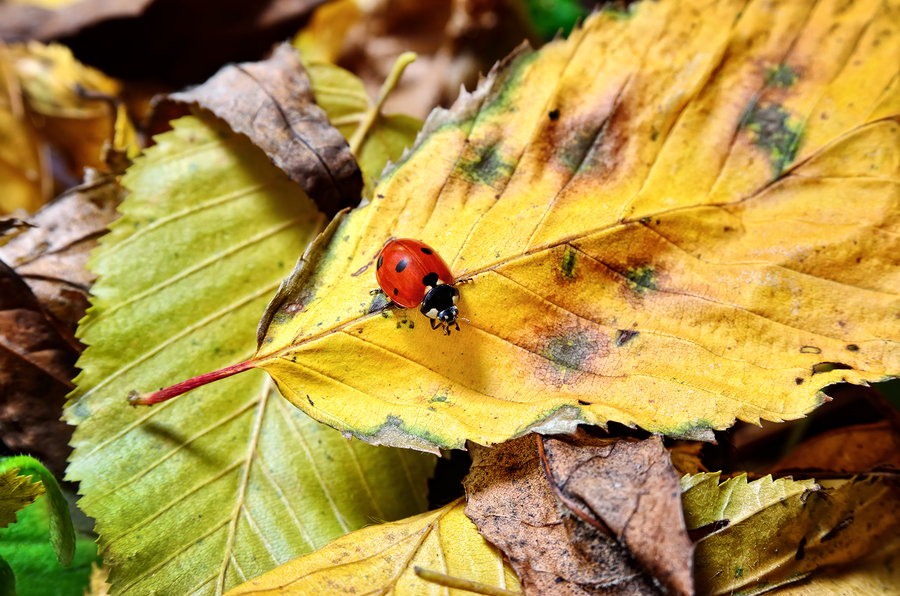
You may notice an influx of varying kinds of beetles in the Fall months as these overwintering pests are preparing for hibernation. Common fall beetles include ladybugs, boxelder bugs, and stink bugs. These types of pests often resist traditional treatments with pesticides so it’s best to vacuum up the ones you see inside your home and take measures around your home to prevent more from coming inside. They’ll gather near the warmest areas of your home, usually on the south and west-facing sides. Especially around these areas, check to be sure there aren’t any openings or gaps around windows and doors and, if there are, correct these issues to keep beetles out.
4. Mice
Like other rodents and pests, mice are searching for food and warmth in cooler weather, making your home a welcoming environment. Keep them out by rodent-proofing: seal gaps or openings around your home’s exterior and around plumbing, make sure outdoor vents are covered, repair any holes or tears in window screens or door screens, install weatherstripping around doors, clear out plants, leaves or any other vegetation that may be touching or near your home’s exterior, clean up any yard debris, and de-clutter inside the house. You can also use glue boards in less-traveled areas, like basements and attics, as a proactive approach to mice control.
5. Spiders
Knocking down cobwebs only to find another one in it’s place the next day? You’re not alone. For some species of garden spiders, like the orb weaver, now is when they are at their largest, making them more noticeable, and females are laying eggs before they die. Since spiders are beneficial insects and can reduce the amount of other pests around your home, try and resist the urge to knock down their webs outside. If you’re seeing spiders in the house, contact an exterminator for pest control recommendations.
Sep 2, 2016 | Pest Control, Wildlife
While we’re enjoying more time outdoors this fall, pests and wildlife are making their way indoors looking for warmth and shelter to survive the winter. Here are 15 easy ways prevent a pest invasion this fall:
1. Thoroughly inspect your home for gaps around windows and doors and fix any areas in need of repair
2. Wildlife commonly enter your home through the attic which you can help to prevent by screening attic vents and chimney openings
3. Eliminate excess moisture by fixing leaking pipes and correcting drainage issues
4. Keep gutters cleaned and clear of debris
5. Seal any crack and crevices around your home’s exterior with caulk and steel wool, especially around utility pipes
6. Install door sweeps on any exterior doors and replace window & door screens that have been damaged
7. Keep a clean home – wipe up spills immediately, don’t leave food out, store leftovers in sealed containers, and take the garbage out daily
8. Store garbage in sealed receptacles away from your home’s exterior
9. Don’t leave pet food out, inside or outside your home
10. Replace weather stripping and loose mortar around basement foundation and windows
11. Store firewood at least 20 feet away from your home’s exterior
12. Keep shrubbery and trees trimmed
13. Avoid bringing in boxes or storage containers into your home; instead, go through them outside and bring in what you need after inspecting the items for pests
14. Use yellow bug lights around exterior doors; while they don’t deter bugs, they also don’t attract them like standard white light bulbs
15. Pest control and wildlife control from a professional exterminator – preventative treatments, usually on a quarterly basis, are the best way to eliminate current pest problems and prevent future infestations
Oct 5, 2015 | Pest Control, Wildlife
As the season changes to Fall, the weather cools down and gives us much needed relief from the hot summer. This is also the season of home pest invasions. Pests and rodents are looking for a warm place with food and shelter and your home or business may be the target. Here’s 6 things you can do at home to prevent pests from becoming part of the family this Fall.
1. Close any openings around your home.
Attic and crawl space vents should be properly screened, as well as chimney openings. This is a common entry points for wildlife and pest nuisances, like squirrels and mice.
2. Eliminate moisture.
Pests need water to survive just like people do. Correct leaking pipes and clogged drains to avoid excess areas of moisture, which will attract pests.
3. Seal cracks and crevices.
Using caulk and/or steel wool, seal any openings around your home, especially around utility pipes.
4. Keep food and trash concealed.
Making food and trash available to pests and rodents gives them steady food supply. Store food in airtight containers and dispose of garbage regularly in bins that have lids.
5. Keep wood and debris away from your home’s exterior.
Store firewood at least 20 feet away from the house and keep shrubbery well trimmed to eliminate potential hiding spots for pests and wildlife.
6. Eliminate entry points around doors and windows.
Install door sweeps on any exterior doors to close any gaps for pests to come through. Repair damaged screens or replace missing ones. This creates an extra barrier around windows to help keep pests out.
For more on pest control and wildlife & animal control in your area, click on the links below.
Atlanta pest and animal control
Savannah pest and animal control
Nashville pest and animal control
Chattanooga pest and animal control