Sep 28, 2023 | Florida Pest Control
It’s inevitable to come across certain pests, especially during the warmer months of the year. Though, with Florida’s tropical weather year-round, it can seem like dealing with pests is nonstop. Roaches, mice, mosquitoes, and ants are just a few pests that can take over a household, become an annoyance, spreading disease, and causing damage to your home. One of the best ways to avoid a pest infestation is preventing them in the first place by placing do-it-yourself pest proofing measures throughout your home. Check out our list of DIY pest control tips you can utilize:
Make Your Home Less Pest-Attractive
Pests are attracted to three things: food, shelter, and water. The best way to keep pests from entering your home is to get rid of what they’re attracted to. Try to keep your home as clean as possible, vacuuming and sweeping on a regular basis. Likewise, repair any leaky pipes and faucets both inside and outside of your home. Avoid leaving your pet’s food and water bowls overnight, taking them in and storing their leftover food in plastic containers with lids. Declutter your home, removing any old magazines, newspapers, and cardboard boxes you don’t need.
Seal Them Out
Mice, ants, and roaches can enter through the smallest hole or gap they find. It’s important to take the time to inspect the outside of your home for any potential entry points, sealing them up with either caulk or steel wool, depending on how large it is. Don’t forget to check foundations, food frames, windows, utility pipes, cables and wires, and the roof for any potential opening pests could enter in from. Repair any broken windows or screens and fil openings in pipes and vents.
Don’t Forget Outside
To get to your home, pests must enter your yard first, so it’s important to keep it less attractive to them as it is your home. Regularly mow your grass, keeping it short and eliminating any weeds. Remove piles of leaves, debris, and fallen branches from your yard. Look to eliminate any clutter or items you don’t need, such as old automobiles, trashcans, tires, and dumpsters. If you store wood, keep it elevated from the ground and at least 20 feet from your home.
Eliminate Moisture
Pests need water to survive, and the smallest amount of standing water will attract pests like termites and mosquitoes. Keeping your home as dry as possible is key to avoiding their infestation. Check around your home for any water leaks and look for loose fixtures or dripping faucets too. If you have a crawlspace, consider utilizing a dehumidifier to decrease excess moisture. Make sure you clear any debris and leaves from your gutters, especially after a hurricane or thunderstorm.
Consider the Pros
Sometimes, a pest infestation needs more attention than DIY pest control methods can provide. If you’re still seeing an influx of pests or would like to get ahead of pest prevention, consider reaching out to a local pest control company for some help. These professionals will identify the pest at hand, provide proper treatment, and recommend the best prevention techniques you can use at home to avoid a future pest infestation.

Sep 26, 2023 | Florida Pest Control
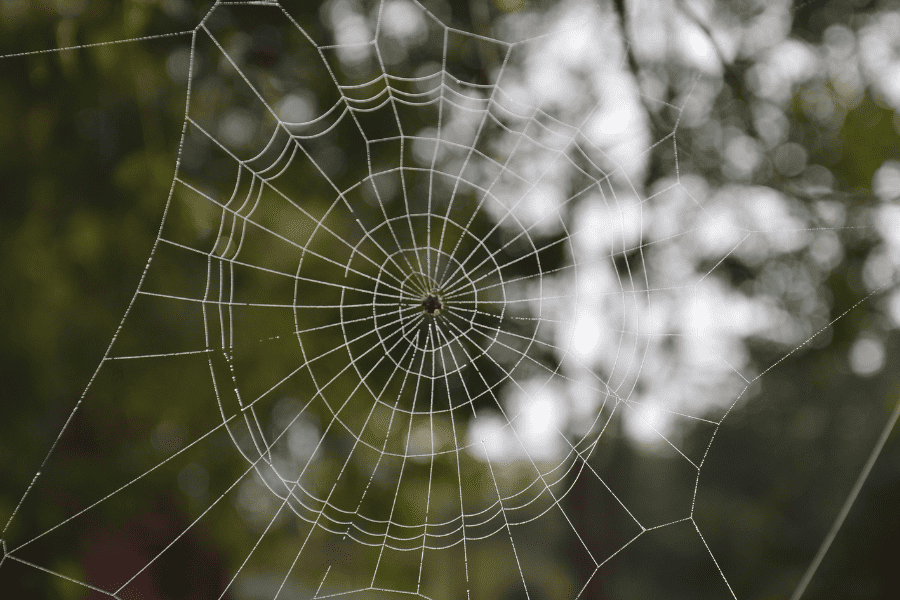
Did you know that most spiders are venomous? It’s true! Luckily (if you can look at it that way), only a few types of spiders have venom powerful enough to harm humans. These include the widows and the recluses. Check out our list of venomous spiders in Florida and their characteristics to easily identify them.
Common Venomous Spiders in Florida
- Black Widow: The black widow spider female has a shiny black body and a red hourglass-shaped figure on her abdomen. These are the easiest of the venomous spiders to identify.
- Red Widow: These spiders have the same shape as the black widow but have a red-orange head and thorax. They are often found in palmettos and sand-pine scrub.
- Brown Widow: These widows have an hourglass figure on their abdomen. They have striped patterns of varying shades of brown across their legs and their bodies and are more likely to build webs on man-made structures.
- Brown Recluse: These spiders do not have an active population in Florida, but they can travel to the state through hitchhiking onto our items, especially while in the process of moving. This spider is considered the most venomous spider outside the widow family. You can easily identify them by their violin-shaped marking on their back, small size, and pale brown colorations.
Spiders will bite as a defensive mechanism and these bites usually arise when we place our hands or feet in areas where we don’t see these spiders. A bite from any of these venomous spiders can lead to swelling, severe pain, nausea, sweating, and intense muscle cramps. If you think you’ve been bitten by a venomous spider, seek medical attention immediately.
How to Avoid Venomous Spiders
Spiders will hide out where they know high populations of pests reside. This means they can find a safe space inside your home. Here are some easy tips to follow to ensure they don’t take up residence in your home:
- Declutter the inside of your home, including attic or other storage areas
- Trim trees away from home to lessen access points
- Assess moisture problems to prevent insect breeding grounds
- Call your local Copeland spider removal company for a free property inspection!
Jun 30, 2023 | Florida Pest Control
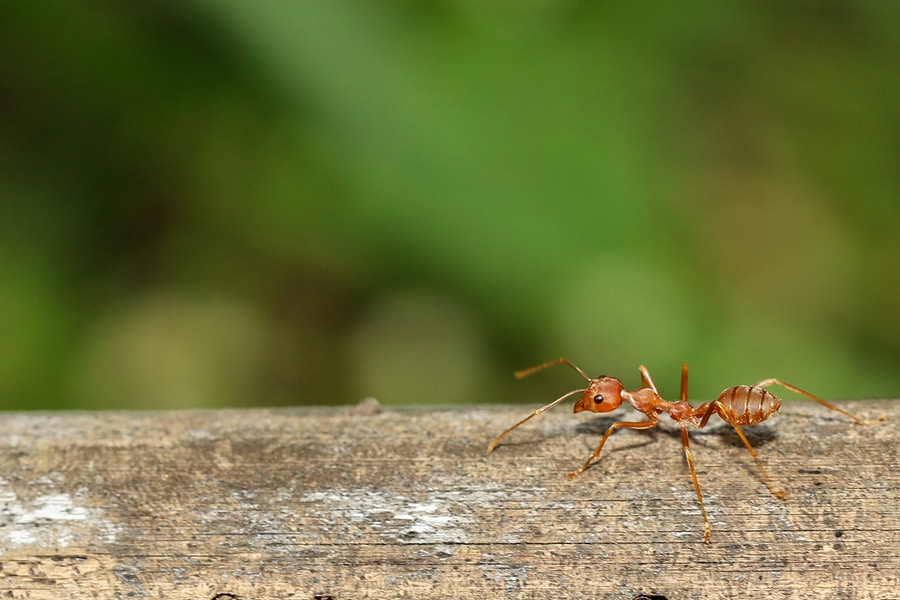
Once they’ve infested your yard, it can be difficult to get rid of ant infestations. These pests are extremely invasive and will search our yards and inside our homes for a place to nest and for a food source. Once ants take over your yard, it’s likely they will enter your home, sometimes without us even knowing. Check out the common ways to prevent ants in your Florida yard.
Clean Up Debris
Keeping your yard well-maintained is crucial in preventing ants from taking over your yard. Make sure you regularly mow your grass and trim back plants and shrubbery away from the home. Likewise, ensure that leaves and debris are picked up, especially after a storm. Get rid of rotten tree stumps or logs, as ants will build their nests in them.
Utilize Natural Remedies
Did you know there are certain smells that will deter ants away? It’s true! Ants dislike scents such as peppermint, vinegar, and citrus. Consider using these scents to deter them away from your yard and home by placing cotton balls soaked in the scent around the perimeter of your property.
Remove Food Sources
Ants are looking for water and food sources to survive, making it crucial to remove them. While many of us leave our pet’s food bowls outdoors during the warmer months, it’s important to remove them at night, as they will attract not only ants but other creatures such as rats and mice. Likewise, remove any standing water from your property, including fixing leaky pipes, removing buckets holding water, and unclogging gutters.
Eliminate Points of Entry
To ensure ants will not enter your home, it’s important to identify and eliminate any entry points they could enter in from. Inspect the exterior of your home and seal any holes, gaps, and cracks you find. Don’t forget to check the areas around pipes and wires as well. Likewise, check your windows and doors for any openings and consider utilizing screens and weatherstripping.
Eliminating ants can seem like a daunting task, but it doesn’t have to be. Consider reaching out to your local pest control company which can help identify the type of ant, provide you with a treatment plan, and set you up with a prevention plan to avoid a future infestation.
Apr 27, 2023 | Florida Pest Control
As a resident of North Naples, Florida, you know hurricane season can bring many challenges, including an influx of pests. It’s important to both prepare your home for the high winds and heavy rain and place preventative measures to prevent a pest infestation that the hurricane season can bring. Check out our tips on preparing for pests during hurricane season:
Secure Your Home
Before a hurricane hits your area, it is crucial to ensure that the exterior of your home is secure. This means checking for any gaps or cracks where pests can enter your home. Look around your windows, doors, and roof for openings. Consider utilizing weatherstripping or caulking these areas to ensure they are sealed.
Keep Food Sealed
While stocking up on food and water before a hurricane hits your area is important, it can also attract pests. Ants and rodents are highly attracted to food, and it’s important to properly seal stored food you have inside your home. Consider utilizing airtight containers to avoid pests from invading them.
Remove Debris
After a hurricane hits, your yard could be littered with debris, leaves, tree limbs, and more. This clutter can be the perfect environment for pests to thrive. Remove any of these items from your property as soon as you can to help prevent pests from utilizing it as a nesting ground or hiding place.
Inspect Your Home
The aftermath of a hurricane can see various damages to your home, including broken windows, water damage, foundation damage, and more. It’s important to inspect your home for any of this damage after the storm. Inspect your home for any cracks in the walls, windows, or doors caused by high winds and debris. These openings will provide easy access for pests, making it essential to repair them as soon as possible.
Consider Pest Control
Sometimes, placing preventative measures throughout your home can only go so far. If you need extra support to deal with pests before, during, or after hurricane season, consider reaching out to your local pest control company. These professionals will identify the pest problem, identify entry points, and provide a treatment and prevention plan to prevent future pest infestations.
Apr 20, 2023 | Florida Pest Control
Hurricanes are bound to happen, especially in Florida. These natural phenomena can cause severe damage to our community, homes, and the environment around us. Unfortunately, hurricanes will also affect pest activity, as homeowners might see the emergence of even more pests. After a hurricane, we will often experience a population increase of pests that thrive in warm, moist environments. Check out our list of pests to look out for after a hurricane and what you can do for hurricane pest control.
Mosquitoes
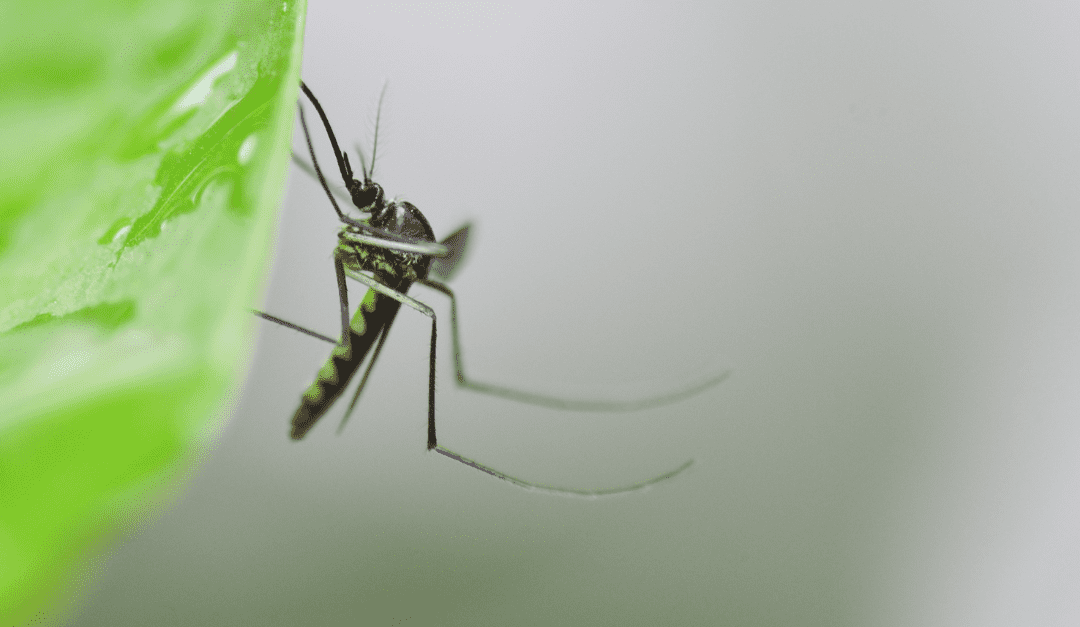
One of the most common pests that emerge after a hurricane is mosquitoes. The water that’s left behind by the storm will provide the perfect breeding ground for these pests. While mosquitoes are a nuisance, they can spread diseases such as the West Nile virus, Zika virus, and dengue fever. To prevent these pests, remove objects that can collect rainwater, including toys, buckets, tarps, old tires, and more. Likewise, look to remove all leaves and yard debris to keep mosquitoes from invading your yard.
Ants
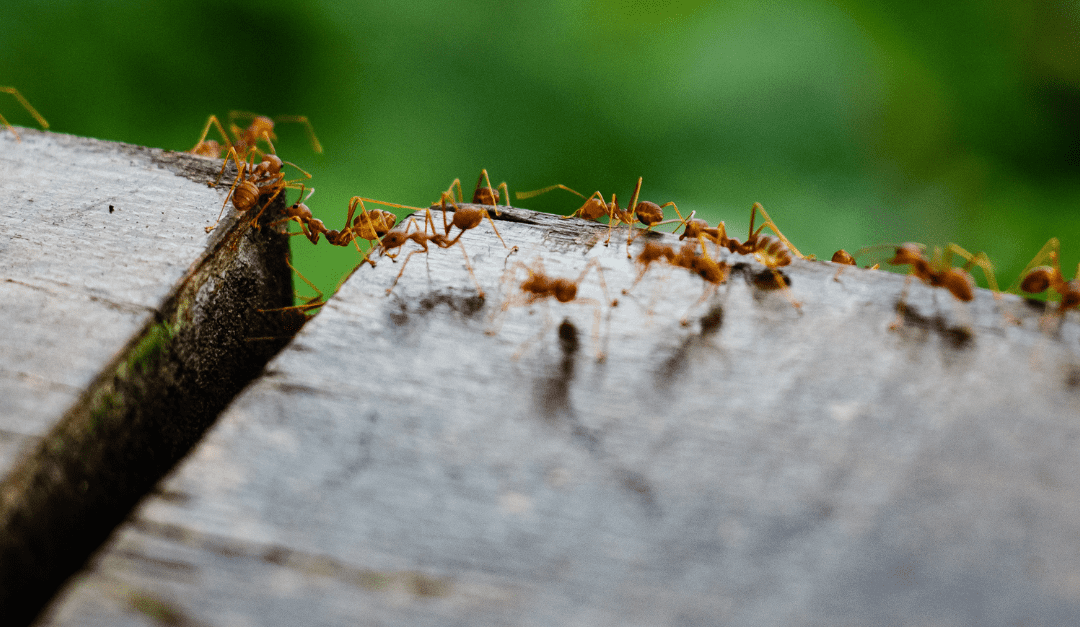
Other pests that will emerge after a hurricane are ants. When an area becomes flooded, it forces ants to seek out a new place to inhabit, often leading them to our homes. Ants, such as fire ants, pavement ants, and carpenter ants, can all be difficult to control, as they can establish their new colony quickly and are highly adaptable. To keep ants from invading your home after a storm, seal all cracks or gaps found on the interior and exterior of the home. Remove and clean up any food source that may attract ants inside.
Roaches
Cockroaches will thrive in the aftermath of a hurricane. A home or building that’s flooded provides the perfect environment for these pests, where they can settle, breed, and multiply. Roaches are known to carry diseases and even trigger allergic reactions. To deter roaches from your home, eliminate as much moisture as possible by regularly checking for leaky faucets or sinks. Take the trash out on a regular basis, placing it in a tightly sealed trashcan with a lid.
Hurricanes can have a significant impact on our environment and the activity of household pests. Utilizing hurricane pest control measures throughout your home before a hurricane or rainstorm will help to prevent a full-blown pest infestation. If you’re still seeing pests after taking precautions, it could be time to contact your local pest control company for help. These professionals will inspect your home, identify the pest, identify areas of entry, and provide you with a treatment and prevention plan that’s fit for your home.