Jan 31, 2025 | Going Green
If you’ve been searching for “pest control near me” or considering how to manage pests while keeping your home safe for your family and the environment, you’ve likely come across the term green pest control. But what exactly does it mean, and how does it differ from traditional methods? This guide will explain the methods used in green pest control, the benefits of choosing environmentally-friendly pest control services, and why hiring a professional pest control company with excellent customer service is the best way to protect your home from local pests.
A Breakdown of Green Pest Control
What Is Green Pest Control?
Green pest control focuses on minimizing the use of harmful chemicals while still effectively managing pest problems. These eco-friendly methods prioritize the health of people, pets, and the environment. Instead of relying on broad-spectrum chemical pesticides, green pest control uses integrated pest management (IPM) techniques to eliminate pests while preventing future infestations.
Key Methods Used in Green Pest Control
- Integrated Pest Management (IPM):
IPM is the backbone of green pest control. This approach combines a variety of methods to tackle pests at every stage of their lifecycle. It includes regular pest inspections, monitoring, and preventive strategies to address the root cause of infestations.
- Biological Controls:
These methods involve introducing natural predators or organisms to control pest populations. For example, beneficial insects like ladybugs may be used to control aphids in gardens.
- Botanical Pesticides:
Unlike synthetic pesticides, botanical pesticides are derived from natural sources such as plants. They are less toxic to humans and animals but highly effective against pests. Neem oil and pyrethrins are common examples.
- Mechanical and Physical Barriers:
Green pest control often uses traps, screens, and other physical barriers to keep pests out of homes and gardens. This method helps manage pests without the need for chemicals.
- Eco-Friendly Products:
Green pest control products are specially formulated to target specific pests without harming beneficial insects, the soil, or water sources. Many of these products are biodegradable and safe for indoor and outdoor use.
- Cultural Practices:
Adjusting how we live or maintain our homes can also deter pests. For instance, keeping food sealed, fixing leaks, and eliminating standing water reduces the likelihood of infestations.
How Green Pest Control Differs from Traditional Pest Control
- Focus on Prevention:
Traditional pest control often focuses on extermination, using strong chemicals to kill pests after they’ve already invaded. Green pest control emphasizes preventing pests from entering your home in the first place through proactive measures like pest inspections and sealing entry points.
- Reduced Chemical Use:
Traditional methods rely heavily on synthetic pesticides, which can linger in the environment and harm non-target species. Green pest control uses minimal or no synthetic chemicals, making it safer for your family, pets, and the planet.
- Long-Term Solutions:
While traditional pest control may provide quick fixes, green pest control aims to address the underlying causes of pest problems for long-term solutions.
- Customized Pest Management Plans:
Green pest control companies often develop personalized pest control plans tailored to the specific needs of your home and the types of local pests you’re dealing with.
Benefits of Green Pest Control for Professional Pest Control
- Health and Safety:
One of the most significant advantages of green pest control is that it protects your family and pets from exposure to harmful chemicals. If you’ve been hesitant to search for an “exterminator near me” due to safety concerns, green pest control offers a safer alternative.
- Environmentally Friendly:
By reducing chemical use, green pest control minimizes the impact on local ecosystems. It helps preserve beneficial insects and prevents water contamination.
- Effective Pest Management:
With a combination of prevention, monitoring, and targeted treatments, green pest control provides reliable results while keeping your home pest-free.
- Improved Customer Service:
Professional pest control services that offer green solutions often take a more personalized approach. A local pest exterminator will conduct thorough pest inspections and work with you to create a pest control plan that meets your unique needs.
- Compliance with Regulations:
Green pest control aligns with growing environmental regulations and consumer demand for sustainable practices. It’s a forward-thinking choice that reflects a commitment to the health of your home and community.
Why Choose a Professional Pest Control Company?
If you’re dealing with a pest problem, it’s always best to work with a trusted pest control company that offers comprehensive residential pest control services. A local pest exterminator can provide the expertise and tools needed to eliminate pests while protecting your home from future infestations.
With customized pest control plans, ongoing pest inspections, and exceptional customer service, professional pest control services take the guesswork out of managing pests. Whether you’re looking for green pest control methods or need immediate help with a pest problem, searching for a “pest control near me” will connect you with local experts who understand the challenges of managing local pests.
Protect Your Home with Green Pest Control
Green pest control isn’t just about eliminating pests—it’s about doing so in a way that protects your family, pets, and the environment. By choosing a pest control company that prioritizes sustainable practices, you’re taking a proactive step toward a healthier home and planet.
For eco-friendly pest control services in Georgia, reach out to your local pest exterminator today. Protect your home, solve your pest problems, and enjoy the peace of mind that comes with a pest-free space.
Looking for expert pest management? Request a green pest control plan today!
Jan 27, 2025 | Florida Termite Control, Going Green
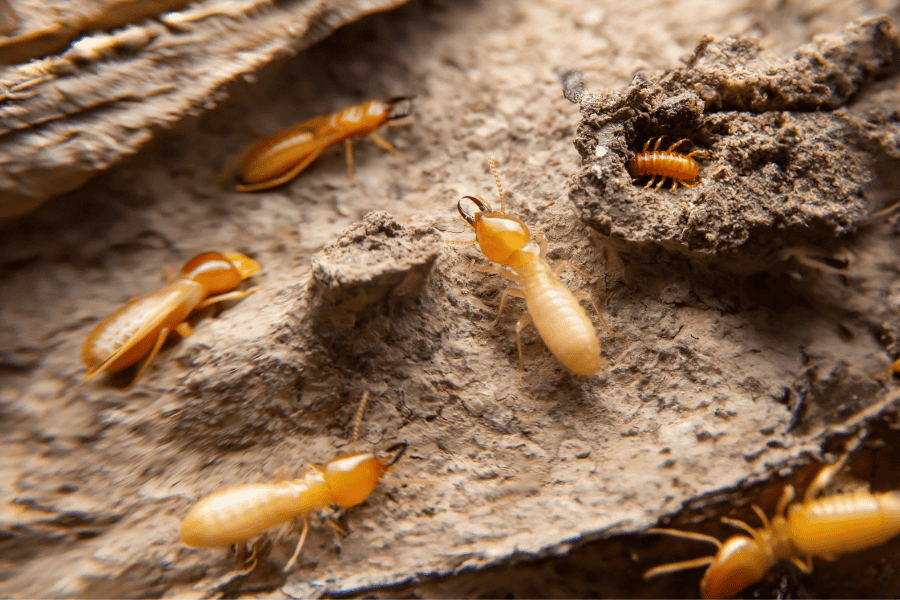
With rising temperatures and changing climate patterns, termites are becoming a growing threat to homes in Bonita Springs. In 2025, it’s more important than ever to adopt proactive measures to prevent infestations before termite swarms take over. This guide will cover smart technology, eco-friendly solutions, and effective termite prevention tactics to protect your home while staying green.
Eco-Friendly Termite Prevention Tactics
Understanding Termite Behavior in 2025
Climate changes have made Bonita Springs an ideal environment for termites, especially subterranean species like the aggressive Formosan termite. Warmer winters and increased rainfall mean longer breeding seasons and more frequent swarms. Early detection and action are key to preventing structural damage from these wood-eating pests.
Eco-Friendly Termite Control
Eco-conscious homeowners can opt for natural, non-toxic solutions to manage termite threats. Organic baits, cedar mulch, and essential oils create a pest-repelling environment without harming the ecosystem. Borate-based treatments protect wood without the need for harsh chemicals, making it a healthier choice for families, pets, and the environment.
Preventative Barrier Systems
Physical barriers, such as stainless-steel mesh and termite shields, are becoming the go-to for long-term termite protection. These systems block termites from accessing your home, offering durable, chemical-free protection that doesn’t require frequent reapplication. They’re a great complement to other eco-friendly strategies.
Moisture Control and Routine Inspections
Moisture-rich areas are a magnet for termites. Ensuring proper drainage and maintaining dry, well-ventilated spaces will reduce the risk of an infestation. Regular inspections by professional pest control services are essential to catch early signs of termite activity, especially for homes at higher risk due to moisture or structural vulnerabilities.
Professional Termite Services in Bonita Springs
While DIY efforts can help, professional termite control services are vital for thorough prevention. Pest control experts can offer tailored solutions, including eco-friendly treatments and physical barriers, ensuring comprehensive protection. Their experience helps identify hidden vulnerabilities and prevent costly repairs.
Financial Impact of Termite Damage
Termite damage can be expensive to repair, often requiring wood replacement and structural reinforcement. Since most homeowners’ insurance doesn’t cover termite-related damage, investing in prevention now can save you significant costs down the line.
Sustainable Termite Control
The future of termite management lies in sustainable, long-term solutions. By combining eco-friendly treatments, smart technology, and preventative barriers, homeowners can protect their properties while minimizing their environmental impact. Staying informed about the latest pest control strategies and committing to sustainable practices will ensure lasting protection against termites.
Termite prevention is crucial for Bonita Springs homeowners in 2025. With the increasing threats posed by climate change and termite adaptation, staying proactive with eco-friendly methods, smart technology, and is essential. By adopting these strategies, you can protect your home and enjoy peace of mind, knowing your property is protected from costly termite damage.
Jan 24, 2025 | Pest Control
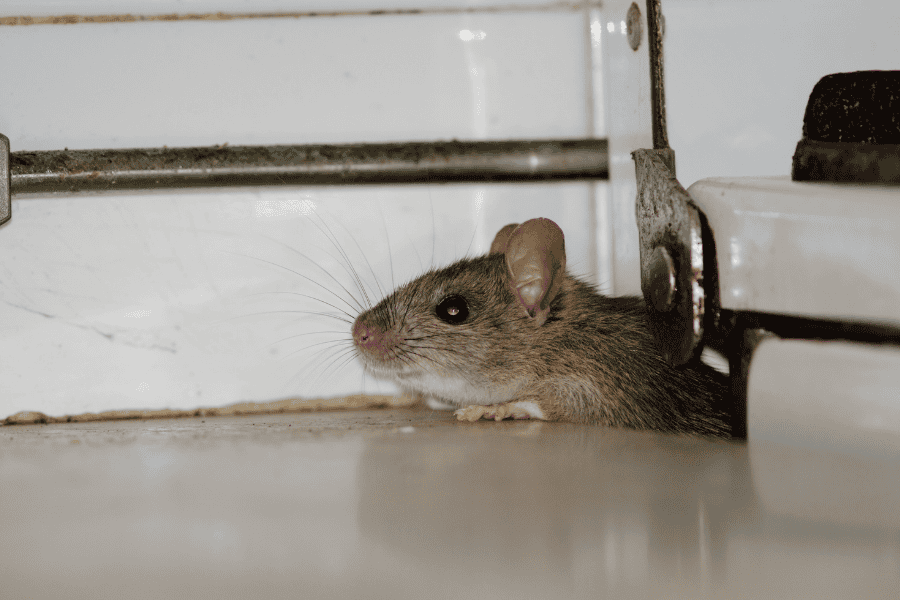
Rodents such as rats and mice are among the most common household pests in Georgia. They are notorious for invading homes, contaminating food, spreading diseases, and causing structural damage. Learning to identify the signs of rodents and taking proactive steps to prevent infestations can help protect your home and family. Below, we outline 12 practical rodent control tips, discuss the types of rodents common in Georgia, and explain why these pests invade homes.
Rodent Control For Your Georgia Home
Types of Rats and Mice Common in Georgia
- Norway Rats
Norway rats are large rodents that burrow in the ground or around the foundation of buildings. They’re known for gnawing through wood, wires, and even concrete to gain entry.
- Roof Rats
Roof rats are smaller than Norway rats and are adept climbers, often found in attics, trees, or along rooftops.
- House Mice
House mice are small but resourceful, capable of squeezing through openings as tiny as a dime. They breed rapidly and thrive in areas with abundant food and shelter.
How and Why Rodents Invade Homes
Rodents enter homes searching for three basic needs: food, water, and shelter. Here’s why and how they manage to get inside:
- Food Sources: Rodents are opportunistic eaters. They are drawn to unsealed food, crumbs, and improperly stored pet food.
- Water: Leaky faucets, standing water, and pet water bowls can attract thirsty rodents.
- Shelter: Holes in walls, gaps around windows, and open doors are prime entry points for rodents seeking warmth and safety.
12 Tips for Rodent Control in Your Home
1. Seal Entry Points
Inspect your home for cracks, holes, and gaps, especially around doors, windows, and the foundation. Use steel wool, caulk, or hardware cloth to seal these openings, as rodents can gnaw through weaker materials.
2. Keep Food Sources Secure
Store all food, including pet food, in airtight containers. Clean up crumbs and spills promptly, and avoid leaving dirty dishes overnight.
3. Eliminate Water Sources
Repair leaky faucets and pipes, and ensure your home’s drainage system works efficiently. Remove standing water both inside and outside your home.
4. Declutter Your Home
Rodents love cluttered spaces where they can hide and nest. Keep storage areas tidy, dispose of unused items, and organize your garage or attic.
5. Clean Regularly
Vacuum floors, wipe down counters, and take out the trash daily. Rodents are less likely to settle in a home that’s free of food residue.
6. Install Door Sweeps
Gaps under doors are a common entry point for rodents. Installing door sweeps can prevent rats and mice from sneaking inside.
7. Set Traps
Traps are an effective do-it-yourself rodent control method for small infestations. Snap traps, glue traps, and live traps are widely available at hardware stores. Be sure to place traps near walls and areas with visible signs of rodents, such as gnaw marks or droppings.
8. Use Rodent Deterrents
Natural deterrents like peppermint oil, cayenne pepper, and ultrasonic devices can help repel rodents. However, these methods are often best used alongside more robust solutions.
9. Address Outdoor Areas
Trim tree branches that touch your roof, as they serve as highways for roof rats. Remove piles of debris, and store firewood at least 20 feet from your home to eliminate potential nesting sites.
10. Monitor for Signs of Rodents
Stay vigilant for signs of rodents, including droppings, chewed wires, nests made of shredded materials, and unusual noises in walls or ceilings. Early detection is key to preventing a full-blown rodent infestation.
11. Protect Children and Pets
If you’re using traps or rodenticides, ensure they’re placed in areas inaccessible to children and pets. Many rodent control products can be hazardous if accidentally ingested.
12. Call a Professional Rodent Exterminator
For severe rodent problems, contacting a professional rodent exterminator or pest control company is the safest and most effective solution. These experts have the tools, experience, and knowledge to eliminate rodents and prevent future infestations. Consider pest control companies who specialize in green pest control methods to not only eliminate your pest issues but do so in a way that is safe for the environment, children, and pets.
What Diseases Do Rats Carry?
Rodents are not just a nuisance; they pose serious health risks. They can spread diseases to humans and pets, including:
- Hantavirus: Transmitted through rodent droppings, urine, or saliva.
- Salmonella: Caused by consuming food or water contaminated by rodents.
- Leptospirosis: Spread through contact with water or soil contaminated with infected rodent urine.
These diseases underscore the importance of addressing rodent problems promptly.
What to Do with a Rodent Infestation
If you suspect an infestation, take the following steps immediately:
- Identify the Type of Rodent
Determining whether you have a rat or mouse problem can help you choose the best control methods. Rats are larger and more cautious, while mice are smaller and more curious.
- Remove Food and Water Sources
Without access to food and water, rodents will be less likely to stick around.
- Set Traps or Baits
Place traps in high-activity areas, such as near nests or along walls. For severe infestations, consult a rodent exterminator to ensure safe and effective treatment.
- Inspect Your Home Regularly
Continue monitoring for signs of rodents and seal any new entry points to prevent a recurrence.
Why Professional Pest Control is Worth It
While do-it-yourself rodent control can be effective for minor infestations, professional pest control services offer significant advantages:
- Expertise: Professionals know where to look for nests, entry points, and hidden signs of activity.
- Safe Solutions: Licensed exterminators use safe, targeted methods to protect your home and loved ones.
- Long-Term Results: Pest control companies implement preventive measures to keep rodents out for good.
If you’re searching for “rodent control near me” in Georgia, consider reaching out to a trusted pest control company for a consultation.
Prevent Rodent Problems Before They Start
Preventing a rodent infestation is always easier than eliminating one. Follow these tips, stay vigilant, and take action at the first sign of activity. Rodents may be small, but their ability to contaminate food, spread diseases, and damage property makes them a big threat.
Whether you need assistance with rat control, advice on how to get rid of rodents, or help with ongoing rodent problems, don’t hesitate to contact a professional pest control company. They can provide the expertise and peace of mind you deserve.
Need Help with Rodent Control?
If you’re dealing with a rodent issue or want to take preventive measures, call a local pest control company today for a free consultation. Let the professionals handle the problem so you can enjoy a safe, rodent-free home.
Jan 20, 2025 | Florida Pest Control, Going Green
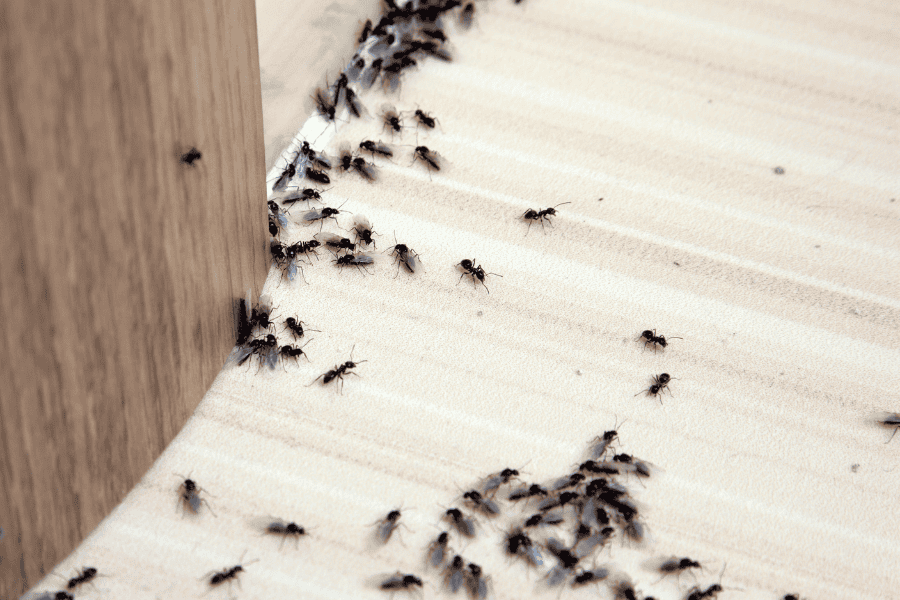
Ants are small, but they can cause big frustrations in your Miami home. Whether it’s Argentine ants marching through your kitchen or fire ants invading your yard, Miami’s warm, humid climate makes the city a prime destination for these pests. Traditional pest control methods often involve harmful chemicals, but eco-friendly ant control alternatives provide effective solutions that are not harmful for your home, health, and the environment.
Here’s how Miami residents can keep ants at bay with natural, green pest control methods that work.
Eco-Friendly Ant Control Methods For Your Miami Home
Why Ants Invade Homes in Miami
Ants are always on the lookout for food, water, and shelter. Miami’s year-round warm weather, combined with the rainy season, creates the perfect environment for ants to thrive. They’re often attracted to crumbs, leaks, or even the smallest cracks in your home’s exterior.
Common Ant Species in Miami
Understanding which ant species you’re dealing with is key to effective pest control. Here are some common ants in Miami:
- Argentine Ants: Known for forming massive colonies, they can be difficult to eliminate.
- Carpenter Ants: These ants excavate wood, which can lead to structural damage over time.
- Fire Ants: Known for their painful stings, fire ants are a common problem outdoors.
- Ghost Ants: Small and light-colored, they often invade kitchens in search of sugary foods.
Eco-Friendly Pest Control for Ants in Miami
Natural Deterrents
Using natural substances to repel ants is a great first step to keeping them out of your home:
- Vinegar: A 50-50 mix of vinegar and water will disrupt ant trails and eliminate scent markers.
- Lemon Juice: Spray lemon juice near ant entry points to deter them.
- Essential Oils: Peppermint, tea tree, or cinnamon oils are highly effective in repelling ants when diluted in water.
DIY Ant Baits
Eco-friendly baits are a great way to target the colony itself. Mix sugar and boric acid into a paste and place it near ant trails. Worker ants will carry it back to the colony, slowly eradicating the infestation.
Diatomaceous Earth
Diatomaceous earth is a natural powder that can be sprinkled around your Miami home. It dehydrates ants and works effectively in places like baseboards and entryways.
Preventing Ants in Your Miami Home
Keep Your Miami Home Clean
Ants are attracted to crumbs and food residue. Ensure your Miami home is spotless by:
- Cleaning up spills and crumbs immediately.
- Storing food in airtight containers.
- Washing dishes promptly and keeping sinks clear.
Eliminate Water Sources
Fix leaking pipes and faucets in your Miami home and dry up moisture in kitchens and bathrooms. Ants are always on the lookout for water sources and removing them will discourage them from entering.
Seal Entry Points
Ants can sneak into your home through the smallest gaps. Be sure to:
- Seal cracks around windows, doors, and foundations.
- Install weather stripping to block gaps around exterior doors.
- Repair any tears in window screens.
Manage Your Miami Yard
Miami’s tropical environment provides a perfect place for ants to thrive. Here’s how to keep them out:
- Trim trees and bushes to prevent ants from reaching your home.
- Remove leaf litter and woodpiles near the foundation.
- Ensure outdoor trash bins have tight-fitting lids.
Use Ant-Repelling Plants
Certain plants can naturally repel ants while adding beauty to your home. Consider growing:
- Lavender
- Mint
- Rosemary
- Marigolds Plant these around your home’s entry points or in your garden to create a natural barrier.
Eco-Friendly Ant Control: A Miami Homeowner’s Guide
- Identify the ant species to target the right control methods.
- Use natural deterrents like vinegar, lemon juice, and essential oils.
- Create DIY solutions with boric acid baits and diatomaceous earth.
- Eliminate outdoor nests with boiling water.
- Prevent future infestations with cleanliness, sealing entry points, and yard management.
Go Green for an Ant-Free Miami Home
Miami’s warm climate makes ant infestations a common issue, but eco-friendly pest control solutions provide a greener way to protect your home. By using natural deterrents, sealing entry points, and focusing on prevention, you can keep your Miami home ant-free without relying on harmful chemicals. If you’re ready for a green pest control plan, contact a local pest control company for a free estimate.
Jan 17, 2025 | Pest Control
Paper wasps are a common sight in Georgia, particularly during the warmer months. While they play a beneficial role in the ecosystem by controlling pest populations, their aggressive behavior at certain times of the year can make them a significant threat to humans and pets. Understanding when paper wasps are most aggressive and how to keep them away from your property is crucial for maintaining safety and peace of mind.
What To Know About Paper Wasps
What Are Paper Wasps?
Paper wasps are part of the “social wasps” category, meaning they live in colonies and work together to build nests, care for their young, and protect their community. These wasps are often confused with yellow jackets due to their similar size and appearance, but there are key differences in behavior and nesting habits to consider in the “paper wasp vs yellow jacket” comparison.
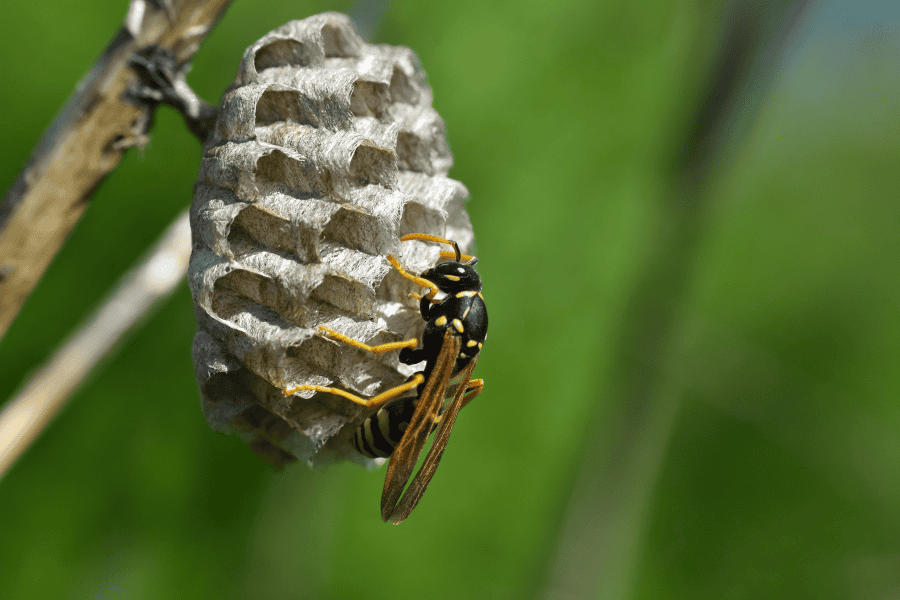
Unlike yellow jackets, which build underground nests, paper wasps construct open, umbrella-shaped nests from chewed wood and saliva, which hardens into a papery material. These nests are commonly found hanging from eaves, porch ceilings, tree branches, or other sheltered locations around your home.
When Are Paper Wasps Most Aggressive?
Paper wasps tend to be most aggressive when they feel their nest is disturbed. This heightened defensiveness typically occurs during late summer and early fall when their colonies are at their largest, and they are working hard to prepare for winter. During this time, the queen, workers, and developing larvae depend on one another for survival, making the wasps especially protective of their home.
While these wasps are generally less aggressive than yellow jackets, their stings can still pose serious risks. A paper wasp sting is not only painful but can also trigger severe allergic reactions in some individuals. Unlike bees, which die after stinging, these wasps can sting repeatedly, making encounters with them particularly dangerous.
Seasonal Activity of Paper Wasps
The life cycle of paper wasps directly influences their activity levels and behavior. Here’s what you can expect throughout the year:
Spring: Nest Building and Reproduction
In the spring, overwintered queens emerge from hibernation to establish new colonies. This is when paper wasps are least aggressive, as they are focused on building their nest and laying eggs.
Summer: Colony Expansion
By summer, colonies are growing, and the wasps are busy foraging for food to feed the developing larvae. While they are not inherently aggressive during this period, any perceived threat to their nest can provoke defensive behavior.
Late Summer to Fall: Peak Aggression
As the season transitions into fall, colonies reach their peak size. This is when the wasps become highly aggressive and protective of their nests. With winter approaching, their food sources begin to dwindle, which can also make them more likely to scavenge around your property, increasing the chances of encounters.
Winter: Dormancy
Most of these wasps die off as winter arrives, leaving only the fertilized queens to hibernate until spring. During this time, you are unlikely to see any activity.
Why Are Paper Wasps Dangerous?
Although paper wasps play an essential role in controlling other pest populations, their stings pose several dangers:
- Painful Stings: A paper wasp sting can be extremely painful and cause redness, swelling, and itching.
- Multiple Stings: Because these pests can sting repeatedly, an encounter with a disturbed nest can lead to multiple stings in a short time.
- Allergic Reactions: For some people, a paper wasp sting can trigger severe allergic reactions, including difficulty breathing, swelling, and anaphylaxis, which require immediate medical attention.
- Aggression Around Food Sources: During late summer and fall, paper wasps may become aggressive scavengers, posing a threat when they forage near human activity.
How to Keep Paper Wasps Away from Your Property
Preventing paper wasps from nesting around your home requires a proactive approach. Here are some steps you can take:
1. Inspect and Seal Entry Points
Regularly inspect your home for cracks, gaps, and openings where paper wasps might enter. Seal these areas to prevent them from nesting inside wall voids, attics, or sheds.
2. Remove Old Nests
Even though paper wasps do not reuse old nests, leaving them in place can attract other pests. Safely remove and dispose of abandoned nests during the winter months when wasps are inactive.
3. Reduce Food Sources
Paper wasps are attracted to sweet foods and protein sources. Keep trash cans tightly sealed, clean up outdoor food and drink spills promptly, and cover compost bins to discourage foraging.
4. Trim Vegetation
Cut back overgrown shrubs, tree branches, and vines around your property. These areas provide shelter for wasps to build nests.
5. Install Decoy Nests
Paper wasps are territorial and avoid building nests near existing ones. Hanging decoy nests in problem areas can discourage them from settling in.
6. Call a Pest Control Company
If you notice a paper wasp nest in or around your home, contacting a professional pest control company is the safest and most effective way to handle the situation. Professionals have the tools and expertise to remove nests without putting you at risk of stings. Consider a company that specializes in green pest control, providing pest control methods that are safe for both the environment and your family.
What to Do if You Encounter a Paper Wasp Nest
If you come across a paper wasp nest:
- Stay Calm: Do not swat at the wasps, as this can provoke them.
- Keep Your Distance: Avoid approaching the nest to reduce the chance of triggering an attack.
- Use Caution at Night: Wasps are less active after dark, but disturbing their nest even then can still provoke aggression.
Paper Wasp Prevention and Control
Preventing paper wasps from becoming a problem is far easier than dealing with an aggressive nest. By taking steps to limit nesting opportunities and contacting a pest control company at the first sign of a problem, you can keep your property safe year-round.
At Northwest Exterminating, we specialize in safe and effective paper wasp control. Our experts will inspect your property, identify problem areas, and develop a customized treatment plan to eliminate nests and prevent future infestations. Whether you need immediate nest removal or seasonal pest prevention, we’ve got you covered.
By understanding the life cycle and behavior of paper wasps, you can minimize the risk of encountering these stinging pests and maintain a safe and comfortable property. With professional pest control services, you can enjoy year-round peace of mind, free from the worry of aggressive wasps.