May 7, 2024 | DIY Pest Control, Florida Pest Control
House mice, roof rats, Norway rats, and other rodents seek our homes as a place for shelter to breed and search for an available food source to survive. These creatures are known to contaminate our environments and spread diseases such as plague, tularemia, and hantavirus. Rodents will often chew through insulation and electrical wiring, creating the risk of a fire. Placing do-it-yourself rodent-proofing measures throughout your home will protect your property and family from these pests.
Do-it-Yourself Rodent Proofing Tips
Rats and mice seek out food, water, and shelter in homes, so it’s important to eliminate these factors from your property to avoid an infestation. Let’s review our DIY rodent-proofing tips for your Florida property:
- Rodents can enter through the smallest opening, so inspect your home’s doors and windows for holes, gaps, and loose or broken seals, repairing where necessary.
- Remove any clutter from your home, including old newspapers, books, magazines, and cardboard boxes you don’t utilize anymore.
- Always keep your yard well-maintained by mowing on a regular basis, keeping shrubs and trees trimmed, and removing yard debris.
- If you store lumber or firewood, place it at least 20 feet from your home and elevated off the ground.
- Check for any excess moisture throughout your home; repair any leaky pipes and eliminate excess moisture in your crawlspace through crawlspace encapsulation.
If you’ve noticed signs of rodents or would like extra help with rodent-proofing, call a pest control company near you! Professionals will provide you with a free analysis and a recommended rodent control treatment and prevention plan!

Apr 18, 2023 | Wildlife
Rodents, such as rats and mice, are common household pests that can cause many problems, from property damage to health issues. In the southern United States, there are several types of rats and mice that are commonly found near homes. Let’s go over the most common types of rats and mice and how to prevent them from invading your home.
Roof Rat
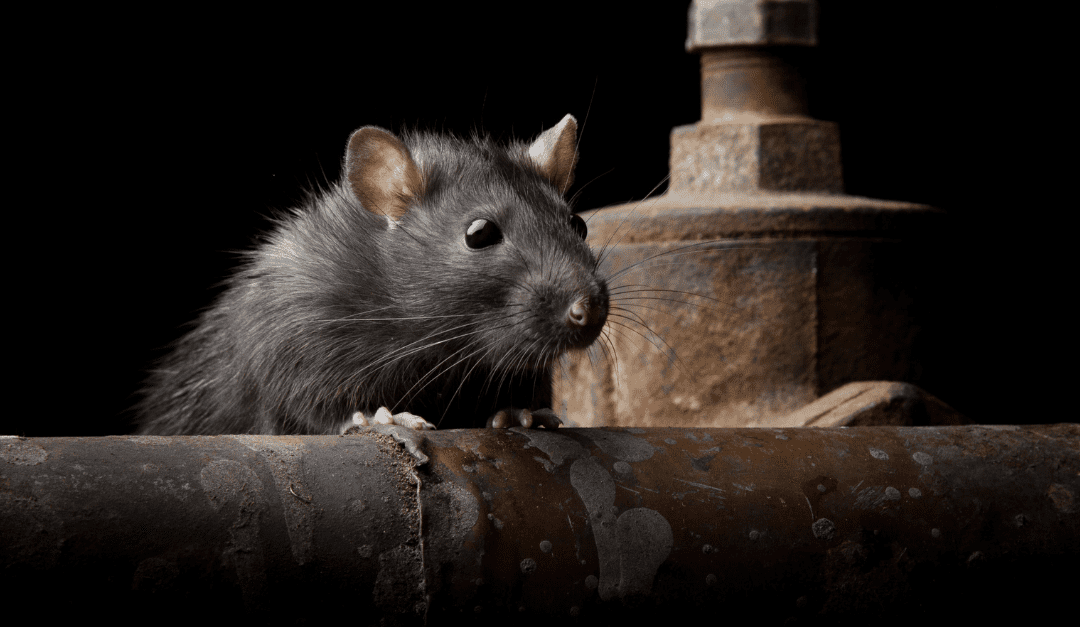
Roof rats are also known as black rats and are commonly found in urban and suburban areas. They are about 7-10 inches in length and have pointed snouts, large ears, and long, thin tails. They are excellent climbers and can often be found in attics and trees.
Norway Rat
Norway rats are also known as brown rats and are larger than roof rats, measuring 10-12 inches in length. They have blunt snouts, small ears, and short, thick tails. They are burrowers and are often found in basements and crawl spaces.
House Mouse
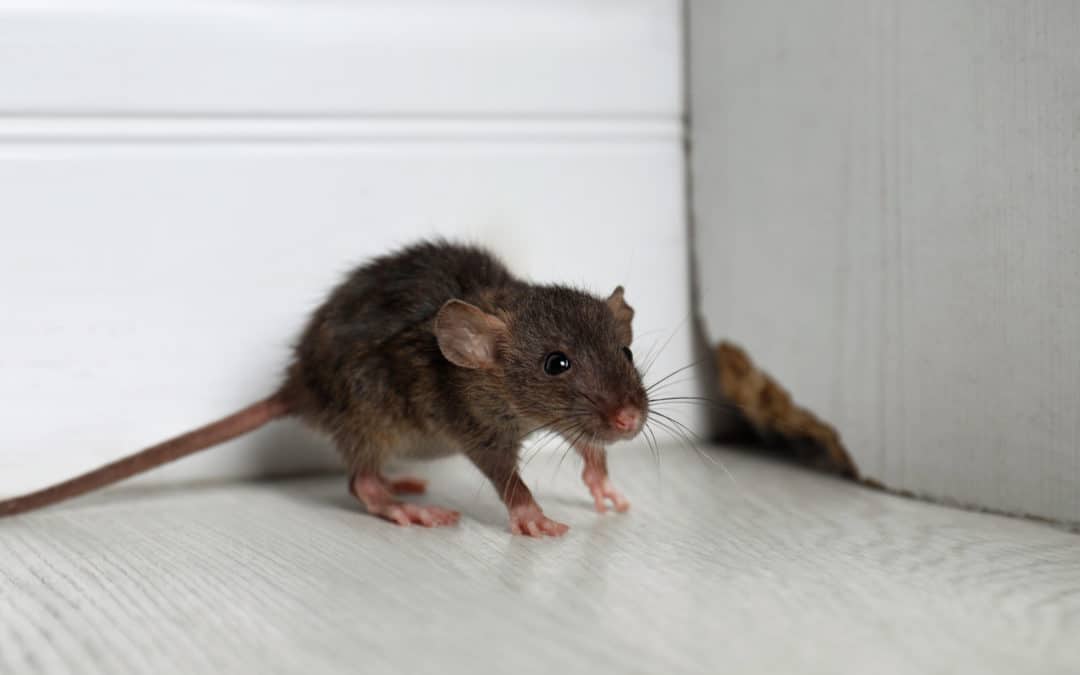
House mice are small rodents that are about 3-4 inches in length. They have pointed snouts, large ears, and long, thin tails. They are excellent climbers and can often be found in attics and walls.
Deer Mouse
Deer mice are small rodents that are about 3-4 inches in length. They are brown or gray in color and have large eyes and ears. They are often found in rural areas and can carry hantavirus, a potentially fatal disease.
How to prevent rodents:
- Seal any cracks or openings in your home’s exterior
- Keep your home clean and free of clutter
- Store food in sealed containers
- Keep basement and crawl space clean and free of debris
- Keep trees trimmed away from your home
If you believe you have a rodent infestation, give your local wildlife control company a call to provide a customized plan of action!
Oct 20, 2022 | Pest Control
Last updated: October 30, 2026
The rodent control methods that work best at home come in a set order: find out how rats or mice are getting in, take away the food and water that brought them, seal the entry points, then trap the rodents that are already inside. Trapping alone rarely ends the problem, because new rodents keep using the same openings. If you’re hearing scratching in the walls or finding droppings in the pantry, this guide walks you through each step and shows you when it’s time to call a professional.
Signs You Have Rats or Mice
Most homeowners notice rodents through what they leave behind before they ever see one. Look for:
- Droppings near food, in cabinets and drawers, under sinks, and along walls
- Gnaw marks and chewed packaging on food boxes, bags and pet food
- Nesting material such as shredded paper, fabric or insulation
- Holes chewed through walls, floors or around pipes
- Scratching or scurrying sounds in walls, ceilings or the attic, often at night
- A stale, musty smell coming from closed-off spaces
Knowing whether you have mice or rats matters. Roof rats, Norway rats and house mice behave differently and get trapped differently, so the right method depends on what’s in your home.
Why Rodents Come Inside
Rats and mice move indoors for food, water and shelter. Common draws include unsealed food, pet food and water left out overnight, open trash cans, compost, bird feeders, leaky pipes, and clutter they can nest in. As temperatures drop in fall and winter, rodents move into structures, and a heated house with a food source is exactly what they’re looking for.
Method 1: Remove Food, Water and Nesting Spots
Start by making your home less attractive. Inside:
- Store food in thick plastic, metal or glass containers with tight lids.
- Clean up spills and wash dishes soon after meals.
- Put pet food away after feeding. Don’t leave food or water bowls out overnight.
- Use trash cans with tight lids and empty them often.
- Fix leaky pipes and keep attics and crawl spaces dry.
- Clear out stacks of paper, cardboard and fabric.
Outside:
- Keep grills and outdoor cooking areas clean.
- Keep compost bins and woodpiles well away from the house, and raise firewood off the ground.
- Move bird feeders away from the house.
- Trim shrubs and grass close to the home, cut back vines climbing the walls, and prune branches that reach the roof.
This step won’t remove rodents already living in your home, but it makes every other method work better.
Method 2: Seal Entry Points (Rodent Exclusion)
Sealing the gaps rodents use to get in is called exclusion, and it’s the part that actually solves the problem. Trapping without exclusion just creates a vacancy for the next rodent.
Rodents need very little room. A house mouse fits through a hole the size of a dime, and a young rat fits through a quarter. Check these spots first:
- Gaps around pipes, wires and other utility lines
- Unsealed weep holes in brick
- Damaged soffits and roof-return corners
- Gaps under garage doors
- Uncapped chimneys and vents
- Cracks in the foundation and gaps around windows and doors
For small holes, fill the gap with steel wool and hold it in place with caulk. For larger openings, use hardware cloth, metal sheeting or cement. Rats can chew through plastic, foam, wood and caulk on their own, so metal is the better choice where gnawing is a risk.
Roof rats climb well, so they often get in above ground level along the roofline, which makes their entry points harder to find and reach.
Method 3: Trap the Rodents Already Inside
Once entry points are sealed, trapping removes the rodents that are still inside.
- Use snap traps. Public health guidance recommends traditional snap traps for homes. Mice and rats need different sizes, and a small mouse may not set off a rat trap.
- Place them where rodents travel. Set traps flat against the wall with the baited end touching the wall, in spots where you’ve found droppings, gnaw marks or nesting material: behind the stove and refrigerator, in the back of cabinets, and in attics, basements and crawl spaces.
- Bait lightly. A small amount of peanut butter works well.
- Check traps every day and keep them out of reach of children and pets.
- Be patient with rats. They are cautious and may avoid new traps for several days.
- Skip glue traps and live traps. They can frighten rodents into urinating, which raises your risk of getting sick.
Keep trapping until you catch nothing for a week and see no new signs of activity.
Method 4: Be Careful With Poison Baits Indoors
Poison baits are not a good first choice inside a home. A rodent that eats bait can die inside a wall void, and then the smell becomes its own problem. That’s why Northwest prefers trapping over rodenticide inside the structure. If baits are used outdoors, they belong in tamper-resistant bait stations, placed so children, pets and wildlife can’t reach them, with every label direction followed.
Method 5: Clean Up Safely
Rodent urine, droppings and nests can carry disease, so clean them up the right way:
- Wear rubber or plastic gloves.
- Don’t sweep or vacuum droppings or nests. That can put particles in the air you breathe.
- Spray the area with a household disinfectant or a fresh bleach solution (1 part bleach to 9 parts water) until it’s very wet, and let it soak for 5 minutes.
- Wipe it up with paper towels, throw them away, then disinfect the area.
- Wash your hands well after you take off your gloves.
When rodents have lived in an attic or crawl space for a long time, the insulation is often contaminated and may need to be removed and replaced.
DIY Rodent Control vs. Calling a Professional
|
DIY methods |
Northwest Wildlife Services |
| Finding entry points |
Visible gaps you can reach |
Full property inspection to find where and how rodents get in |
| Sealing |
Steel wool, caulk and hardware cloth on gaps you can reach |
Sealing entry points and rodent-proofing the areas that need it |
| Trapping |
Snap traps you set and check |
Traps and stations placed in key spots, checked often, moved or added as needed |
| Cleanup |
Small areas with gloves and disinfectant |
Removal of urine, droppings and debris, cleaning and sanitizing, and insulation replacement if needed |
| Ongoing protection |
Up to you |
Optional routine station monitoring after exclusion |
DIY methods can handle a mouse or two in a kitchen cabinet. Call a professional if:
- You keep catching rodents after a week or two of trapping.
- You hear activity in the attic, walls or crawl space where you can’t safely reach.
- You can’t find where they’re getting in, or the gaps are along the roofline.
- You’ve found chewed wiring, damaged insulation or a lot of droppings.
Timing matters. The longer rodents stay in your home, the more damage they can do and the harder they are to get rid of.
How Northwest Handles Rodent Control
When you call Northwest for professional rodent pest control, a member of our Wildlife Services team starts with a thorough inspection to find where and how rodents are getting into your home. From there, we:
- Build a plan with you. We walk you through what we found and work out a plan and budget that fits your home.
- Trap and remove. We place traps and stations where they’ll work best, check them often, and remove rodents.
- Seal them out. We seal entry points and rodent-proof the areas that need it so rodents stay out.
- Point out damage. We tell you about any damage or contamination we find and recommend repairs or cleanup.
- Keep watch, if you want it. Ongoing rodent control with routinely monitored stations is available.
Our service centers are locally operated by teams who live in the communities they serve, across Georgia, Tennessee, Alabama, Florida, North Carolina and South Carolina.
Frequently Asked Questions
What is the most effective rodent control method?
Sealing entry points (exclusion) combined with trapping. Trapping removes the rodents inside, but without sealing the gaps, new rodents keep coming in through the same openings.
How small a hole can a mouse get through?
A house mouse can fit through a hole the size of a dime. A young rat can fit through a hole the size of a quarter.
Should I use poison to get rid of mice in my house?
It’s usually not the best choice indoors. A poisoned rodent can die inside a wall and cause an odor problem. Snap traps are the recommended first step for homes, and any bait should go in a tamper-resistant station out of reach of kids and pets.
How do I know the rodents are gone?
Keep traps out until you catch nothing for a week and see no new droppings, gnaw marks or sounds.
When should I call a professional for rodents?
Call if trapping isn’t working after a week or two, if you hear rodents in the attic or walls, if you can’t find how they’re getting in, or if you’ve found chewed wiring or contaminated insulation.
Does Northwest offer free rodent inspections?
Yes. Northwest offers a free inspection and estimate for rodent control.
Get a Free Rodent Inspection
Hearing noises in the attic or finding droppings in the pantry? Don’t wait for the problem to grow. Call Northwest at (888) 466-7849 or request your free inspection and estimate online. We’ll find how rodents are getting in, remove them, and seal them out.