The Center for Disease Control and Prevention (CDC) is now warning everyone that Zika is scarier than they originally thought.
Over 300 cases of Zika virus have now been confirmed in the U.S. And while most of these occurrences are in people who had traveled to countries with Zika-infected mosquitos, now we know that the virus can be transmitted sexually in addition to a mosquito bite.
The biggest concern right now related to Zika is for pregnant women. Zika virus can cause a neurodevelopmental disorder in fetuses, Microcephaly, that causes babies to be born with a head and brain that are smaller than normal. Now research is showing that Zika not only affects women in their first trimester, but can be a risk throughout all stages of pregnancy, according to CDC Deputy Director, Dr. Anne Schuchat.
“Most of what we’ve learned is not reassuring,” she added. “Everything we know about this virus seems to be scarier than we initially thought.
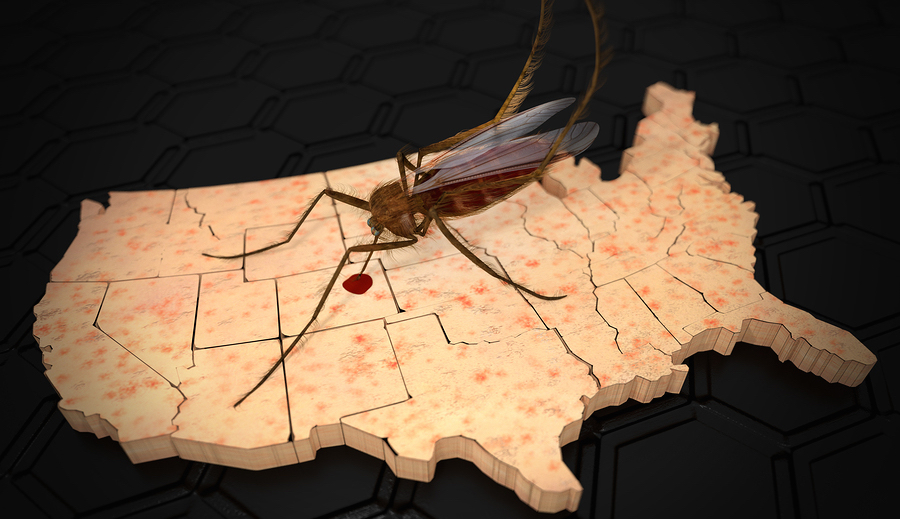
The mosquitoes carrying Zika virus have been identified in 30 states across the country. This doesn’t mean the mosquitoes are infected, but health officials are concerned that as temperatures begin to rise, pregnant women from Texas to Florida will be at risk.
For women who are not pregnant, if you’ve experienced symptoms of Zika – fever, rash, itchy eyes – wait at least 8 weeks before trying to conceive. And even if you’ve had no symptoms at all but have recently traveled to any of the countries with active Zika transmissions, it’s advised to also wait 8 weeks or longer before trying to get pregnant.
On a positive note, the CDC has asked for federal funding to aid in the research and development of a cure, with a vaccine potentially expected to release in September 2016.
According to the AJC and the State Department of Public Health, the first case of Zika virus in Georgia was confirmed today by Center for Disease Control and Prevention. It’s believed the affected individual contracted the virus while traveling to Columbia between the end of December and January, and has fully recovered.
Zika, a virus spread through Aedesmosquito bites, is “explosively spreading” according to CNN. And while there may not be an immediate threat in the U.S. since mosquitoes aren’t usually active in the winter, we need to be prepared for Spring and Summer when mosquitoes start biting. Here’s what you need to know about Zika virus, and how you can keep yourself protected.
The most common symptoms of Zika virus disease are fever, rash, joint pain, and conjunctivitis (red eyes). While usually mild, symptoms can last several days to a week. About one in five people infected with the virus show symptoms. The virus has also been associated with a rise of microcephaly birth defect cases. Pregnant women should avoid traveling to the countries & territories listed below where the virus transmission is ongoing, according to the CDC, or extreme caution should be exercised – being sure to use EPA-registered mosquito repellent, wear light-colored clothing that covers arms and legs, and stay inside in air-conditioned areas, especially when the mosquitoes that transmit Zika are most active, during daytime hours.
Brazil
Colombia
El Salvador
French Guiana
Guatemala
Haiti
Honduras
Martinique
Mexico
Panama
Paraguay
Suriname
Venezuela
Puerto Rico
U.S. Virgin Islands
Dominican Republic
Barbados
Bolivia
Ecuador
Guadeloupe
Saint Martin
Guyana
Cape Verde
Samoa
There are currently over 30 people in the U.S. who have been diagnosed with the Zika virus, including three pregnant women — two in Illinois and one in New York. All of those infected contracted the virus outside of the U.S.
Another woman in Hawaii is believed to have had the Zika virus after her infant was born with the associated birth defect microcephaly which causes an abnormally small head and brain, which can lead to developmental delays. More than 4,000 children in Brazil have been diagnosed with the condition.
Here are some tips to avoid mosquito bites this summer and reduce your risk:
Wear mosquito repellent while outside
Eliminate areas around your home with standing water at least once a week
Keep your home’s gutters clean
Remove any litter from yard – mosquitoes can lay eggs in small, discarded items that hold water, such as cans, bottles, wrappers, etc.
Correct drainage issues
Dress in light colored, loose fitting clothing when outdoors
Use GE yellow “bug lights” – these do not repel mosquitoes but, unlike incandescent lights, do not attract them
Use citronella candles
Place a large fan on decks or patios – mosquitoes are weak fliers
You can also reduce the amount of adult mosquitoes and mosquito larvae around your home or business with monthly mosquito control service, usually performed during peak mosquito season (April through October in Georgia). An exterminator will inspect your property to identify potential or current mosquito breeding sites and resting areas, eliminate areas of standing water, treat breeding sites to target mosquito larva, and treat resting areas to target adult mosquitoes – like shrubs, ivy, weeds, small trees, and shaded areas.
This weekend marks the official start of summer and Memorial Day. It’s a great time to honor those that have served our country and enjoy a long weekend with friends and family. Summer-goers beware, though. Atlanta was recently “awarded” the top mosquito city for this year, with June, July, and August being the most mosquito-active months. There’s still time to prepare before the biting begins! Here’s how you can minimize your risk.
1. Wear mosquito repellent when outside. While it won’t reduce mosquito populations around your home or public outdoor areas, it should help prevent mosquito bites.
2. To reduce mosquito populations, eliminate potential breeding sites – standing water, debris, toys, & gutters – and correct any drainage issues.
3. Wear loose, light-colored clothing when outside.
4. Make sure pets are current on preventative heart worm medication.
5. Use Citronella candles when outside your home. They only have a mild effect against mosquitoes but definitely help.
6. Mosquitoes are weak fliers; place a large fan in areas of use outdoors.
7. Avoid using incandescent lights; instead, use yellow “bug lights”. They won’t repel mosquitoes but also won’t attract them.
8. Have your property inspected by an exterminator. Professional mosquito control greatly reduces mosquito populations around your home by eliminating & treating mosquito breeding sites & resting areas.
Click here for more information on Atlanta Mosquito Control Services or to request a free mosquito control quote.
Tips to Prevent Mosquito Bites When Outdoors this Summer
Warmer weather is finally here and we know our residents are no doubt spending more time outdoors. However, with increased outdoor activity, the public is at risk of becoming a meal for summer’s most dangerous and pesky pest – the mosquito. That’s why we are urging the public to take preventative measures to protect themselves and their families.
Mosquitoes are emerging early across the country due to recent rainfall and an increase in temperatures. With the threat of West Nile virus and other mosquito-borne diseases, it’s important for people to take the necessary precautions to prevent mosquito bites when spending time outdoors in the coming months.
The National Pest Management Association (NPMA), a nonprofit organization committed to the protection of public health, food and property from household pests, offers the following tips to avoid becoming a mosquito meal:
Eliminate areas of standing water around the home such as flowerpots, birdbaths, baby pools, grill covers and other objects where water collects. Mosquitoes need only about a ½ inch of water to breed.
Screen all windows and doors. Repair even the smallest tear or hole.
Minimize outside activity between dusk and dawn, when mosquitoes are most active.If you must be outside during those times, consider staying inside a screened-in porch or dressing in clothing that leaves very little exposed skin.
Avoid wearing dark colors, loose-fitting garments, and open-toe shoes.
Always use an insect repellant containing DEET, picaridin, IR3535 or oil of lemon eucalyptus when spending time outdoors or traveling, especially in areas known to have increased mosquito populations.
For more information on mosquitoes and other summer pests, please visit www.callnorthwest.com.
A recent video on Yahoo! News asked the question, “What If Mosquitoes were Annihilated?”. The video reminds us that mosquitoes, although tiny, have a HUGE impact on humans. Mosquitoes are the deadliest animal killing more than 725,000 people each year. If mosquitoes are such a danger then why don’t we eradicate them?
Out of the 3,500 species of mosquitoes, only 3 of those are the cause of disease spread. Is it worth it to destroy habitats, danger the environment, and disrupt the life cycle of other animals?
To watch the video, “What If Mosquitoes were Annihilated?” click HERE.
We may not be able to kill mosquitoes across the world but we can assist you in mosquito control for your home in an environmentally friendly manner. Call us today for more information on our Green Mosquito Control Program.