Jul 23, 2025 | Florida Termite Control
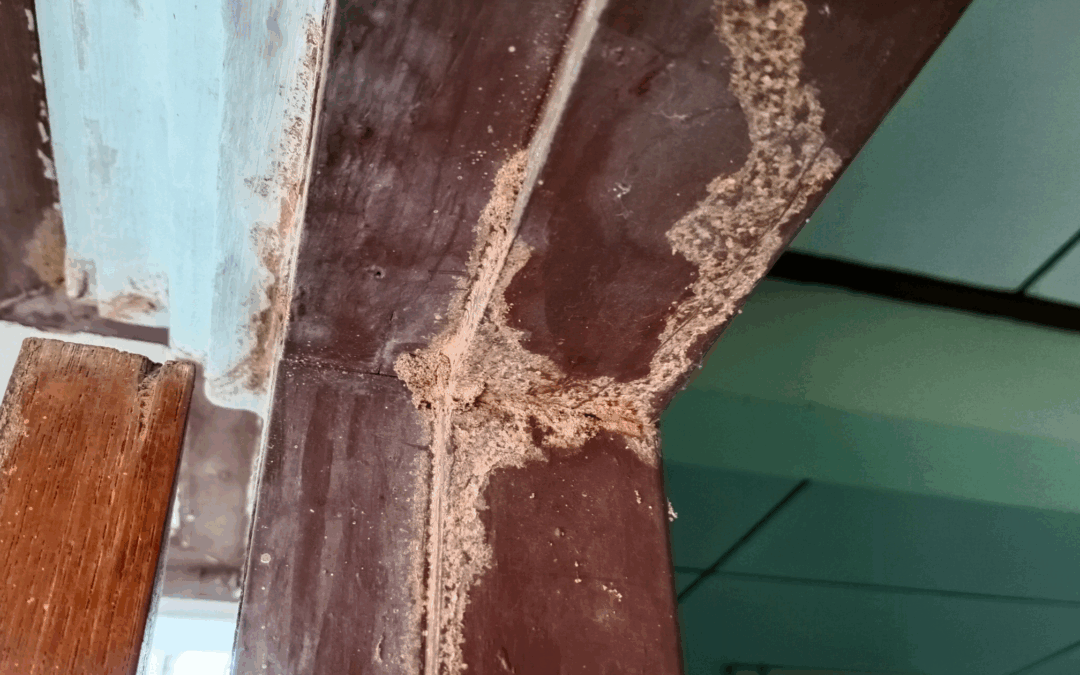
Fort Myers’ warm, coastal environment makes it a perfect breeding ground for termites, and drywood termites are among the most destructive species in the area. These silent invaders don’t need soil to survive, allowing them to infest wooden structures like walls, furniture, and flooring. Their hidden colonies can cause thousands of dollars in damage before you even spot the problem.
Drywood Termites and Their Hidden Damage
Why Fort Myers Homes Are at Risk
With its consistent warmth and humidity, Fort Myers offers ideal conditions for drywood termites to thrive year-round. Homes with exposed wooden features like decks, siding, or furniture are especially vulnerable to infestations.
Perfect Conditions for Infestations
- Year-Round Warmth allows termites to remain active and spread quickly, unlike in areas with colder winters.
- Swarming Season: Termites swarm to establish new colonies, often choosing nearby structures. Swarmers are attracted to light, so spotting discarded wings around windows or doorframes is an early clue.
- No Ground Contact Needed: Unlike subterranean termites, drywood termites live entirely inside the wood they consume, bypassing the ground and silent tunneling systems that typically reveal termite activity.
For homeowners in the region, staying proactive is key to avoiding long-term structural damage.
Hard-to-Spot but Devastating
Drywood termites are particularly dangerous because they live and feed within the wood itself, leaving no visible tunnels like their subterranean counterparts. Their infrequent visibility often means the damage is severe by the time it’s found.
Signs of an Infestation
Look for subtle clues that termites may be present in your home, such as:
- Frass (Termite Droppings): Small, pellet-like droppings with a distinctive six-sided shape, often found near infested wood. Discarded Wings: Found around windows, doors, or light fixtures.
- Hollow-Sounding Wood: Tap on wooden areas; if they sound hollow or weak, it could indicate internal damage.
- Warped Doors or Windows: Damaged wood can swell, making doors or windows difficult to open.
Because their colonies remain hidden within the wood, professional inspections are often the best way to confirm termite activity early.
Protecting Your Home from Drywood Termites
Prevention is always easier and more affordable than repairs. Taking proactive steps to safeguard your home can go a long way in avoiding termite issues altogether.
Prevention Tips
- Seal Gaps and Cracks: Inspect for openings in walls, roofing, and around utility lines, then close them with caulk or other sealants.
- Treat Wood Surfaces: Paint, seal, or varnish exposed outdoor wood, such as decks or siding, to make it less attractive to termites.
- Inspect Furniture: Check used furniture closely for termite signs before bringing items into your house.
- Clean Regularly: Remove leftover wood scraps, cardboard boxes, or other clutter from around your home that may provide food or shelter for termites.
- Schedule Regular Inspections: Professional assessments from termite control experts help detect any termite presence early and prevent damage from spreading.
Take Action to Protect Your Fort Myers Home
Drywood termites may be hidden, but their impact can devastate your home’s integrity and your wallet. The key to combating these invaders is understanding the risks, knowing the signs, and acting quickly when issues arise.
By staying proactive with sealing, inspections, and professional pest control, you can keep your Fort Myers home safe from these silent destructors. Invest in termite prevention today with a pest control company near you and enjoy peace of mind for years to come!

Jul 20, 2025 | Florida Snake Control
South Florida’s warm climate and lush landscapes make it the perfect habitat for a wide range of wildlife—including snakes. While most snakes you may encounter are harmless, a few dangerous snakes, such as water moccasins or coral snakes, can pose serious threats to people and pets. So what should you do if you come across a snake in your yard? And who should you call to get rid of it? Let’s explore the best steps to take when dealing with unwanted slithering visitors—and how professional snake removal can keep your home safe.
What to Do If You Find a Snake in Your Yard
First things first: don’t panic. Whether it’s venomous or not, any snake that feels threatened can become defensive and strike. If you spot a snake:
-
Stay calm and keep your distance
-
Do not attempt to touch, trap, or kill the snake
-
Keep children and pets indoors
-
Note the snake’s size, color, and behavior (from a safe distance)
Trying to handle a snake yourself is dangerous and can result in injury. Many homeowners aren’t equipped to determine whether a snake is venomous or not—so it’s best to leave identification and removal to the experts.
Who Should I Call to Get a Snake Out of My Yard?
If you need snake removal near you in South Florida, call a licensed snake pest control company that specializes in wildlife removal. Professional snake removal services will:
-
Safely capture and relocate the snake
-
Identify the species (especially important for venomous snake sightings)
-
Inspect your property for potential entry points
-
Recommend preventative measures for long-term snake control
Snakes often enter yards in search of food, water, or shelter. If your property has overgrown grass, open sheds, debris piles, or rodent activity, it could be attracting snakes without you even realizing it.
Why Professional Snake Control Matters
Attempting to remove a snake on your own is not only risky—it could also be illegal in some cases. Professional snake removal services use humane, legal methods to handle snakes safely and protect native species. They’ll also help you seal up entry points and provide tips to prevent future encounters with these slithery guests.
Call Now for Expert Snake Removal in South Florida
If you’ve spotted a snake around your home, don’t take any chances. Our trained technicians offer fast, safe, and effective snake removal services throughout South Florida. Whether you’re dealing with a venomous snake or just want peace of mind, we’re here to help with expert snake control solutions.
Contact us today for professional snake removal near you! Let us help you take back your yard—safely and quickly.
Jul 16, 2025 | Florida Crawlspace
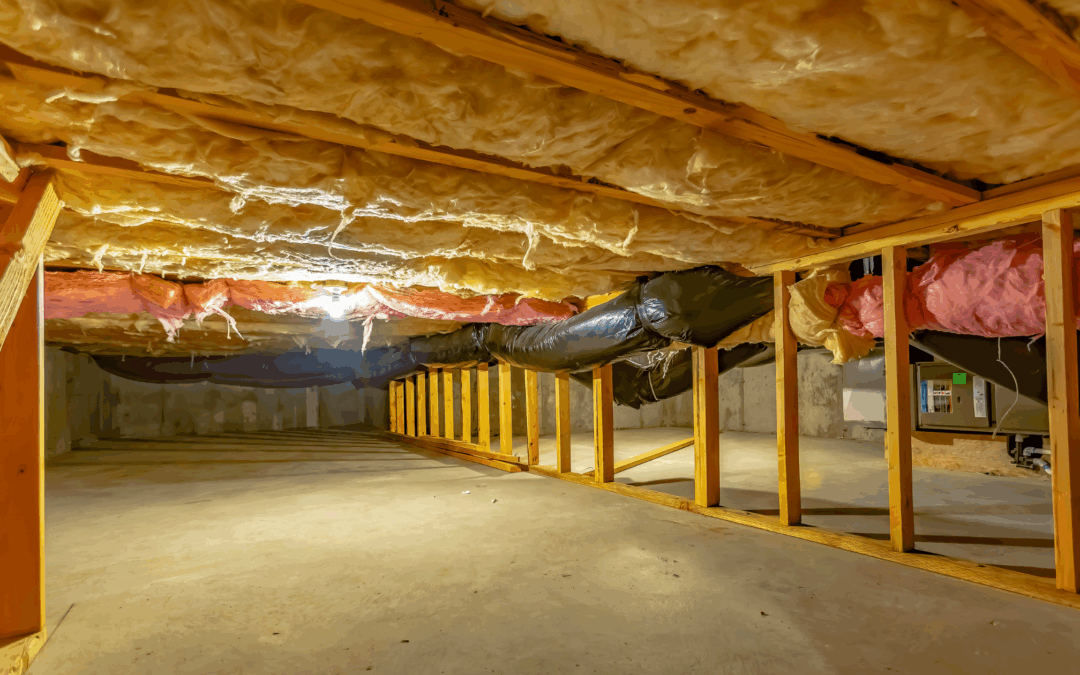
Naples’ warm, humid climate may be perfect for the beach, but it also attracts pests searching for dark, damp hiding spots—like your crawlspace. If left unprotected, this area can quickly become home to rodents, roaches, termites, and more. The good news? A few smart steps can help you keep pests out and your crawlspace healthy. Check out these tips for Crawlspace Care in Naples.
Naples Crawlspace Care
1. Seal It Up
Cracks, gaps, and open vents act like a welcome sign for pests. Sealing entry points is one of the simplest and most effective ways to keep them out.
Common Problem Areas
- Foundation Cracks: Even tiny cracks in the foundation can provide entry points for ants and other small pests.
- Utility Openings: Wherever pipes, cables, or wires enter your crawlspace, there’s often room for pests to squeeze through.
- Vents: Crawlspace vents without covers are easy access points for pests like roaches and spiders.
Sealing Tips
- Inspect your crawlspace regularly for potential entry points.
- Use weatherproof caulk or foam sealants to fill foundation cracks and gaps around utility lines.
- Install metal or plastic vent covers with fine mesh screens to block pests while allowing ventilation.
By sealing your crawlspace, you not only keep pests out but also reduce drafts and excess moisture, making your home more energy-efficient.
2. Keep It Dry and Clean
Pests are drawn to dark, damp places, and Naples’ subtropical climate provides exactly the conditions they love. Keeping your crawlspace dry and clutter-free is essential for long-term pest prevention.
Clear Out Clutter
Debris and organic materials in your crawlspace are a pest’s dream. Items like old wood, cardboard, or leaves create hiding spots and even food sources for pests.
- Remove unnecessary items from your crawlspace.
- Properly dispose of debris to ensure it doesn’t attract pests elsewhere on your property.
- Regularly sweep or clean the area to remove dirt, cobwebs, and droppings.
Keeping your crawlspace dry and clean makes it a far less attractive home for pests and helps prevent costly mold or mildew issues.
3. Schedule Regular Inspections
Even with all the prevention measures in the world, Naples’ year-round warmth and humidity mean pests can strike at any time. That’s why regular professional crawlspace inspections are critical to catching problems early.
What to Expect
Professional inspections cover everything from pest infestations to structural vulnerabilities:
- Pest Activity: Experts check for signs of droppings, nesting, or chew marks that may indicate hidden infestations.
- Moisture Issues: Inspections often include tools to measure humidity levels and spot leaks or condensation before they worsen.
- Structural Damage: Professionals can identify cracks, damaged insulation, and other weaknesses that could invite pests or moisture.
Timing Is Key
For Naples homeowners, seasonal inspections are ideal. Aim to schedule visits at least twice a year, particularly before and after the rainy season, to address potential issues proactively.
Why Crawlspace Care Matters
Your crawlspace might not be a space you think about often, but maintaining it has big payoffs. A well-cared-for crawlspace:
- Keeps pests out.
- Reduces moisture-related damage.
- Improves your home’s overall air quality.
- Enhances energy efficiency by creating a better barrier against outdoor air and moisture.
Proactive Crawlspace Care Pays Off
Protecting your crawlspace means protecting your entire home. By sealing gaps, controlling moisture, and staying on top of inspections, you’ll create a pest-free, healthy environment for your family. Reach out to a pest control company near you and rest easy knowing your home is protected from the ground up.
Jul 14, 2025 | Going Green, Pest Control
Finding ants in your bathroom can be a frustrating surprise, whether it’s a lone scout or an entire trail marching across your sink. These persistent pests are often drawn to damp spaces and sugary or soapy residues, making your bathroom a prime target. Luckily, you don’t need harsh chemicals to get rid of ants. With eco-friendly methods, you can tackle the problem swiftly and effectively while causing no harm. Here’s how to eliminate ants in your Anniston bathroom the green way, while keeping your family and the environment in mind.
Get Rid of Ants with Green Pest Control
Why Are Ants in Your Bathroom?
Understanding why ants are in your bathroom is the first step to getting rid of them. Ants are often searching for two things in this space:
- Moisture: Leaky faucets, damp towels, or even condensation on windows can attract ants needing water.
- Food Residue: Soap, toothpaste, or sugary residues left on counters or floors can be a food source.
Once they’ve found what they’re looking for, ants leave behind a chemical trail for others to follow, expanding the infestation. Addressing these attractants is key to stopping their march.
Step 1: Block Their Entry Points
Ants are tiny and highly flexible, which means they can enter through the smallest cracks or openings. Seal these gaps to prevent their access.
- Inspect for Cracks: Look along baseboards, window frames, and drains for potential entry routes.
- Seal with Caulk: Use non-toxic caulk to close gaps in walls and around fixtures.
- Install Drain Covers: This prevents ants from coming up through drains, a common entry point in bathrooms.
Blocking their pathways sends a clear message that your bathroom is off-limits.
Step 2: Use Natural Repellents
Skip the chemical sprays and opt for natural solutions that are effective yet healthier or your family and pets.
DIY Natural Repellent Ideas
- White Vinegar: Ants hate the smell of vinegar. Mix equal parts of white vinegar and water in a spray bottle, and spray along ant trails and entry points. Wipe down counters and floors with this mixture for a lasting effect.
- Peppermint Oil: Add a few drops of peppermint essential oil to water and spray it in areas where ants are active. Peppermint deters ants while leaving your bathroom smelling fresh.
- Cinnamon: Sprinkle ground cinnamon along window sills or baseboards where ants are entering. The strong scent disrupts their trails.
Other natural deterrents like citrus peels, bay leaves, or coffee grounds can also be placed near entry points to keep ants away.
Step 3: Keep Things Clean
Cleanliness is crucial in making your bathroom less inviting to ants.
- Wipe Down Surfaces Daily: Clean counters, sinks, and floors to remove soap residue, spilled toothpaste, and other attractants. Use natural cleaners like a mixture of baking soda and water for tough spots.
- Fix Leaky Faucets: Standing water from a drip can attract ants searching for moisture. Fix leaks quickly and keep sinks dry.
- Keep Trash Covered: Use a trash can with a tight-fitting lid to prevent ants from accessing any food scraps or tissues.
By removing their food and water sources, you’ll make it harder for ants to stick around.
Step 4: Take Preventative Measures
Preventing ants from returning is just as important as getting rid of the current infestation. Here’s how you can maintain an ant-free bathroom:
- Regular Inspections: Check caulking around sinks and tubs for new cracks.
- Dry Your Bathroom: Use a dehumidifier or open windows after showers to reduce moisture.
- Store Products Properly: Seal lotions, soaps, and other bathroom items that could tempt ants.
Taking these steps makes your bathroom less appealing to ants and other pests over the long term.
Getting rid of ants in your Anniston bathroom doesn’t have to mean using harmful pesticides. With a few simple changes, like sealing entry points, using natural repellents, and keeping things dry and clean, you can tackle the problem in an environmentally friendly way. Plus, with preventative measures in place, you’ll keep them out for good.
Eco-friendly pest control provided by a pest control company near you will keep your home and the planet, ensuring a healthier, greener future for all!
Jul 9, 2025 | Florida Green Pest Control
Pests are a common concern for Broward County homeowners, thanks to the area’s warm climate and lush surroundings. While traditional pest control often involves harsh chemicals, natural pest control methods offer a healthier, eco-friendly alternative. This guide covers effective strategies and natural solutions to help protect your home—without compromising your health or the environment.
A Guide to Natural Pest Control
Eco-Friendly Pest Prevention Starts at Home
The first step in natural pest control is prevention. By making your home less appealing to pests, you can reduce the likelihood of an infestation before it starts.
1. Seal Entry Points
Pests don’t need an invitation to come inside. Small cracks, gaps, and holes in your home’s exterior are all they need to make their way in.
- Inspect for Gaps: Check windows, doors, vents, and utility lines for any openings pests could use.
- Seal with Caulk or Weatherstripping: Close gaps with caulk for small cracks and weatherstripping for door and window frames.
- Screen Protection: Install fine-mesh screens on vents, chimneys, and attic openings to block access while maintaining proper airflow.
2. Keep Things Clean
Pests are drawn to food crumbs, unsealed trash, and water sources. Maintaining a clean home is one of the simplest ways to keep them away.
- Kitchen Care: Wipe countertops regularly, vacuum crumbs, and store food in airtight containers.
- Trash Management: Keep trash bins tightly sealed and take the garbage out frequently.
- Fix Leaks: Repair dripping faucets and pipes to eliminate standing water that attracts pests like ants and roaches.
3. Reduce Outdoor Attractions
Your yard plays a big role in pest prevention. By maintaining your outdoor spaces, you can limit the chances of pests venturing indoors.
- Trim Overgrown Plants: Keep shrubs and trees trimmed and positioned away from the foundation of your home.
- Remove Yard Debris: Clear out piles of leaves, wood, and other debris that can serve as hiding spots.
- Proper Drainage: Eliminate standing water by ensuring gutters, downspouts, and yard grading direct water away from your home.
Natural Pest Repellents to Try
Once your home is pest-resistant, you can add an extra layer of protection with natural repellents. These eco-friendly solutions deter pests without posing risks to your family or the environment.
Essential Oils
Certain essential oils have strong smells that pests dislike.
- Peppermint Oil: Effective against ants, spiders, and mice. Apply diluted peppermint oil around windowsills, doorways, and cracks where pests might enter.
- Lemon Eucalyptus Oil: A great natural alternative to chemical mosquito repellents. Spray it on your skin or use it around your yard.
- Cedarwood Oil: Great for repelling moths and some insects. Use it in closets or storage areas.
DIY Remedies
- Vinegar Spray: Mix equal parts of vinegar and water to create a spray that deters ants and flies. Apply it to entry points and areas where pests gather.
- Citrus Peels: Place lemon or orange peels near doorways or windowsills to repel pests like spiders and cockroaches.
- Diatomaceous Earth: A natural powder that acts as a desiccant for insects such as ants, roaches, and bedbugs. Sprinkle it near problem areas, like cracks and crawlspaces.
Plants That Deter Pests
Certain plants naturally repel pests when planted strategically in your yard or garden.
- Marigolds: Keep mosquitoes and aphids at bay.
- Lavender: Known for deterring moths, flies, and mosquitoes.
- Basil: Helps repel flies and mosquitos while doubling as a great culinary herb.
The Benefits of Natural Pest Control Services
While DIY methods can help with light pest control, professional green pest control programs offer deeper and more reliable solutions. By working with an expert, you gain access to tailored treatments that target specific pest problems efficiently.
Advantages of Professional Green Pest Control
- Customized Plans: Experts tailor treatments to your home’s unique environment and pest concerns.
- Low-Toxicity Treatments: Eco-friendly methods strike a balance between effective pest control and environmental health.
- Preventative Solutions: Green pest control focuses on prevention, reducing the need for repeated applications.
- Peace of Mind: Professionals ensure your family and pets are healthy and protected, while eliminating pests effectively.
Many pest control companies in Broward proudly offer green pest management solutions, so look for one with a strong commitment to eco-friendly practices.
Broward homeowners have plenty of options when it comes to protecting their homes from pests in a healthy, sustainable way. By focusing on eco-friendly prevention methods, using natural repellents, and partnering with green pest control professionals, you can enjoy a pest-free home while protecting both your family’s health and the planet.