Aug 20, 2025 | CrawlSpace
Crawl spaces are easy to overlook—but in an area like Chattanooga, Tennessee, they play a major role in the comfort, health, and efficiency of your home. If you’ve been noticing musty odors, high energy bills, or unwanted pests, it may be time to take a closer look under your floors. Crawl space encapsulation helps protect your home from moisture, mold, and pests—common challenges in southeastern Tennessee. Let’s explore what encapsulation is, how to spot warning signs, and why more Chattanooga homeowners are choosing to seal their crawl spaces for good.
What To Know About Crawl Space Encapsulation
What Is Crawl Space Encapsulation?
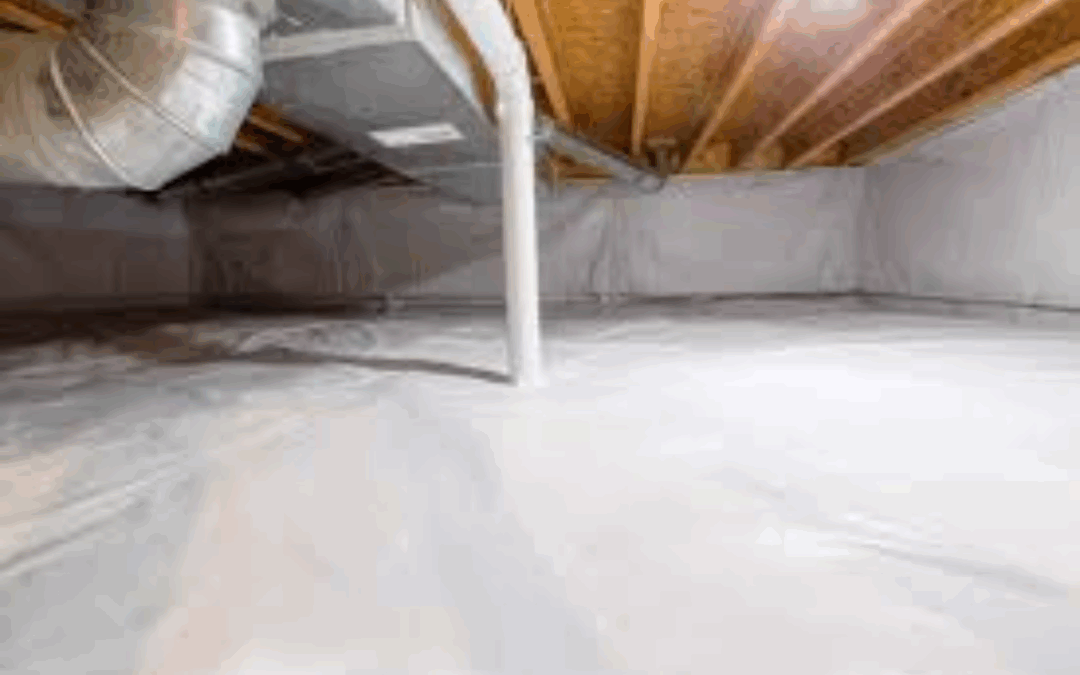
Encapsulation involves sealing off your crawl space with a thick vapor barrier and often includes added insulation and a dehumidifier. The goal? Lock out moisture and prevent common issues like:
- Mold and mildew growth
- Wood rot and structural damage
- Pest infestations
- Rising indoor humidity
For Chattanooga homes, where high humidity is the norm, encapsulation helps keep indoor air healthier and your home more energy-efficient.
Why Encapsulation Is a Smart Move in Naples
Here’s what makes encapsulation a worthwhile investment for homeowners in our area:
Improved Indoor Air Quality
- A large portion of the air you breathe comes from your crawl space.
- Sealing it reduces allergens, mold spores, and musty smells.
Better Moisture Control
- Encapsulation blocks outside humidity from entering your home.
- This helps prevent wood damage, mold, and warping floors.
More Energy Efficiency
- With less humidity and more insulation, your HVAC system doesn’t have to work as hard.
- That can mean lower energy bills and more consistent temperatures.
Pest Prevention
- Sealing up entry points and removing moisture makes your crawl space less inviting to rodents, termites, and other unwanted guests.
Increased Home Value
- Encapsulation protects your home long-term and can boost resale value by making your property healthier and more efficient.
Signs Your Crawl Space May Need Attention
Living in Chattanooga, you might spot these red flags around your home:
- Musty odors: That damp smell could be mold or mildew under your floors.
- High humidity or condensation: Moisture from your crawl space may be impacting your living areas.
- Visible mold or mildew: Growth around baseboards or in corners can often trace back to crawl space moisture.
- Pests: Rodent droppings or bug sightings may signal a problem below.
- Sagging floors: Moisture can weaken your home’s foundation over time.
What to Expect During Encapsulation
Professional encapsulation typically includes:
- Crawl space inspection and cleanout
Checking for mold, pests, or damage and clearing debris.
- Sealing with a vapor barrier
Installing a thick liner on floors and walls, and sealing vents or openings.
- Humidity management
Adding a dehumidifier or sump pump if needed to keep moisture under control.
- Final inspection
Ensuring the space is properly sealed and functioning as it should.
Long-Term Benefits for Chattanooga Homeowners
Crawl space encapsulation delivers ongoing value in a climate like ours:
- Fewer repairs from mold, pests, or water damage
- Improved indoor comfort year-round
- Peace of mind knowing your home is better protected from below
Is Crawl Space Encapsulation Right for Your Chattanooga Home?
If you’re noticing signs like high indoor humidity, musty smells, or pest activity—or just want to protect your home from potential issues, encapsulation with professional help might be the right move. It’s a proactive way to improve your home’s air quality, reduce moisture, and keep pests at bay in Chattanooga’s climate. Contact your local crawl space care provider for a quote today!

Aug 18, 2025 | Going Green, Mosquito
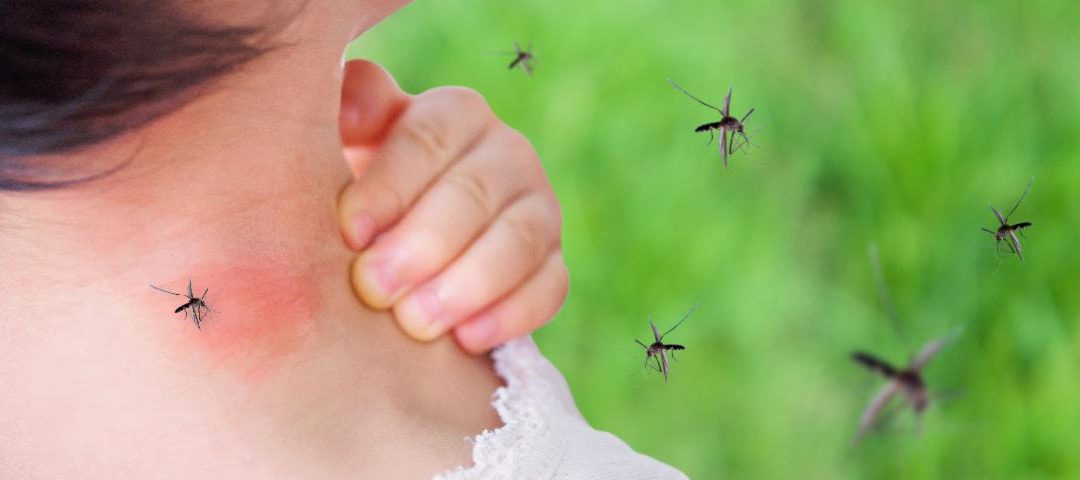
As temperatures rise in Alabama, mosquito season kicks into full gear—especially in the summer. The state’s warm, humid climate creates ideal breeding conditions, and without action, mosquito populations can quickly grow. More than just a nuisance, mosquitoes are known to spread diseases like West Nile Virus and Zika. If you’re looking to reduce mosquito activity around your home, sustainable, eco-conscious methods can help. Below are practical green mosquito control strategies to help keep mosquitoes away this season—without relying on harsh chemicals.
Why Green Mosquito Control Is Important in Alabama
Peak Season:
Mosquito activity typically spikes in July due to standing water, warm nights, and rising humidity.
Health Risks:
Mosquitoes carry several viruses that can affect humans and pets:
- West Nile Virus: May cause fever, fatigue, or, in rare cases, neurological complications.
- Zika Virus: Can be especially concerning for pregnant women due to risks of birth defects.
- Other Risks: Includes dengue fever and chikungunya, though less common in Alabama.
Everyday Impact:
Mosquitoes can make backyards unusable and outdoor gatherings unpleasant, especially during the evenings.
Sustainable Ways to Reduce Mosquitoes
1. Eliminate Standing Water
Mosquitoes lay eggs in stagnant water. Removing these sources helps limit breeding:
- Empty Containers: Check flowerpots, birdbaths, toys, and gutters.
- Refresh Water: Clean and refill birdbaths or pet bowls every few days.
- Improve Drainage: Fill low-lying spots where water pools after rain.
2. Add Mosquito-Repelling Plants
Certain plants help deter mosquitoes naturally:
- Effective Options: Citronella, lavender, marigolds, lemongrass, and basil.
- Where to Plant: Use near patios, entryways, and outdoor seating areas.
These plants provide mosquito control and improve your home’s landscaping.
3. Use Mosquito Traps
Mosquito traps attract and capture adult mosquitoes:
- Types: Options include CO₂-based, UV-light, and fan-powered traps.
- Eco Benefits: Choose chemical-free or reusable traps like In2Care, which uses environmentally friendly ingredients and reduces the need for broad insecticide spraying.
4. Modify Landscaping
Your yard’s design plays a big role in mosquito activity:
- Trim Overgrowth: Keep grass mowed and bushes pruned to reduce resting spots.
- Fix Drainage Issues: Ensure water flows away from your home.
- Encourage Natural Predators: Dragonflies, frogs, and birds feed on mosquitoes.
5. Use Non-Toxic Sprays
Skip the harsh pesticides and opt for more natural alternatives:
- DIY Repellents: Use essential oils like citronella, eucalyptus, or peppermint.
- Store-Bought Sprays: Look for plant-based ingredients and low-toxicity formulas.
Additional Ways to Deter Mosquitoes
- Install Screens: Repair any tears in window and door screens to block entry.
- Use Outdoor Fans: Mosquitoes avoid air movement, making fans on porches effective.
- Dress Smart: Light-colored, loose-fitting clothes are harder for mosquitoes to bite through.
Reclaim Your Yard This Season
Mosquitoes don’t have to take over your outdoor spaces this summer. By removing breeding grounds, enhancing your landscaping, and using natural repellents, you can enjoy more time outside. For added support, reach out to a local pest control provider with expertise in eco-conscious, green mosquito solutions.
Make this mosquito season manageable, starting today.
Aug 13, 2025 | Florida Pest Control
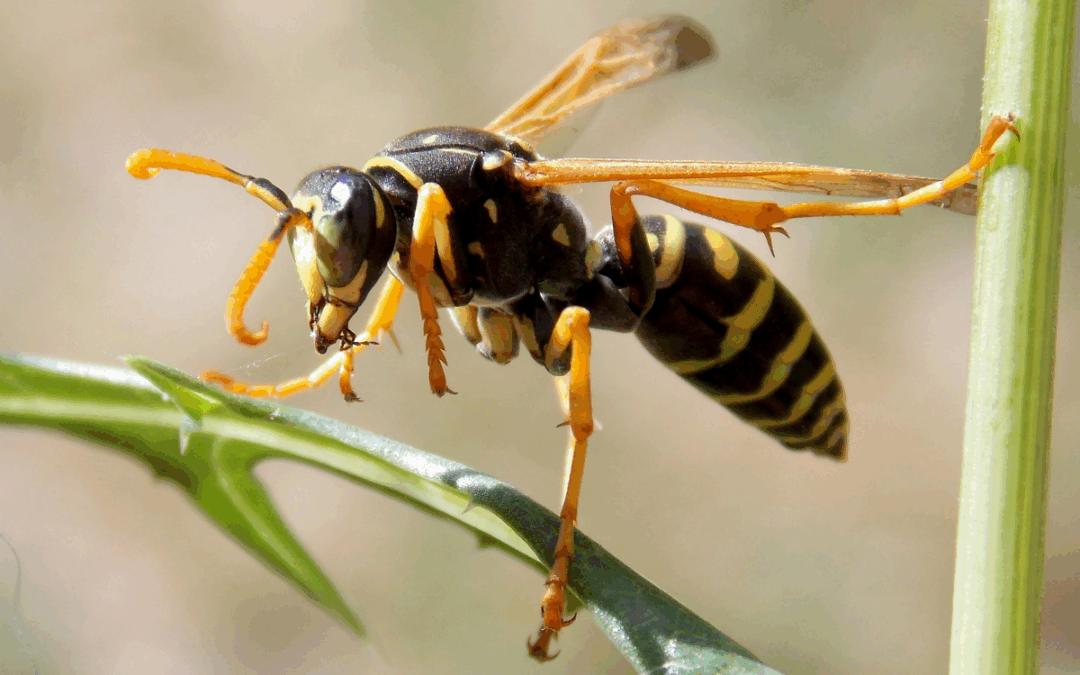
Pompano, Florida, is no stranger to summer heat and sunshine, but with the higher temperatures comes an increase in wasp and hornet activity. These stinging insects become more active during July, making their presence around homes and outdoor spaces both a nuisance and a potential hazard. Fortunately, with the right preventive measures, you can keep these uninvited guests at bay. Here’s how to protect your Pompano home from wasps and hornets while minimizing stings and infestations.
Stinging Insects: Wasps and Hornets
Why Are Wasps and Hornets More Active During Summer?
The heat of summer in Florida creates ideal conditions for wasps and hornets to thrive. By July, their colonies are in full swing, and worker insects are busy foraging for food to support their growing nests. Factors contributing to their heightened presence include:
- Rising Temperatures: Warm weather speeds up the growth of wasp and hornet populations.
- Abundant Food Sources: Summer outdoor dining and garbage bins attract these insects, as they feed on sweet and protein-rich foods.
- Nesting Season: Wasps and hornets actively build and maintain nests in shaded or sheltered spots around homes.
Understanding their seasonal behavior is the first step in preventing these pests from settling too close to your property.
Practical Tips for Wasp and Hornet Prevention
Preventing wasps and hornets from building nests near your home can save you from stressful encounters and potential stings. Use these strategies to make your space less appealing to them:
- Remove Attractants
- Keep garbage bins tightly sealed and clean up food spills, crumbs, and sugary residue promptly.
- Use mesh covers or lids during picnics and barbecues to deter wasps from hovering around plates and cups.
- Avoid leaving pet food outside for long periods, as it can also attract wasps and hornets.
- Eliminate Potential Nesting Sites
- Check roof eaves, tree branches, sheds, and attics for early signs of nest construction.
- Seal cracks, gaps, or holes near windows, doors, walls, and roofing with caulk or mesh screens.
- Trim hedges, clear debris, and keep firewood stacked away from your home to reduce nesting opportunities.
- Use Natural Deterrents
- Citrus, peppermint, and citronella oils repel wasps. Mix a few drops with water in a spray bottle and apply near potential nesting areas.
- Place lemon halves studded with cloves on outdoor tables as repellents.
- Plant lavender, basil, or spearmint in your garden to discourage wasps and hornets.
Steps for Managing Nests
Despite your best efforts, wasps and hornets may still build nests near your home. Managing nests requires caution:
- Identify Nest Location: Common spots include under eaves, around sheds, inside hollow tree trunks, or underground for hornets.
- Remove Small Nests Early:
- Wait until dusk or dawn when activity is low.
- Wear protective clothing and gloves.
- Use sprays or soapy water to immobilize insects before carefully knocking down the nest with a long object.
- Call Professionals for Larger Nests: For established or large nests, certified pest control technicians in Pompano can remove them safely and efficiently.
Minimizing the Risk of Stings
Sometimes encounters with wasps and hornets are unavoidable, but you can reduce the chance of being stung by following these tips:
- Stay calm and avoid sudden movements or swatting.
- Wear light, neutral-colored clothing instead of bright colors or floral patterns.
- Avoid strong scents like perfumes, colognes, or heavily scented lotions.
- Cover open food and sugary drinks when outdoors.
Professional Wasp and Hornet Control in Pompano
For persistent problems or large nests, rely on local pest control services with experience in wasp and hornet management. They provide effective solutions to eliminate nests and reduce insect activity around your home.
Wasps and hornets are a natural part of Florida summers, but they don’t have to disrupt your home life. By removing attractants, applying prevention techniques, and addressing nests promptly, you can enjoy a more comfortable, sting-free environment in Pompano this July.
Aug 6, 2025 | Florida Green Pest Control
Pests are a common concern for homeowners and businesses across Florida, from ants and cockroaches to termites and mosquitoes. Many wonder whether natural or less chemical-intensive pest control methods can really compete with traditional approaches. Misunderstandings about these methods often prevent people from considering alternatives. This blog breaks down common myths about chemical-free pest control, highlights how effective these methods can be, and addresses Florida’s unique pest challenges.
Common Myths About Non-Chemical Pest Control
Several misconceptions surround non-chemical pest control. Here are the most common myths debunked:
Myth 1: These Methods Aren’t as Effective as Traditional Treatments
Reality: When applied correctly, non-chemical techniques are highly effective. They often use natural repellents, traps, and targeted treatments designed to eliminate pests without harming beneficial insects or causing environmental damage. Long-term strategies focus on habitat modification and exclusion to address the root causes rather than quick fixes.
Myth 2: Only Suitable for Minor Infestations
Reality: These approaches can handle large infestations too. Thorough inspections, targeted treatment, and prevention measures can manage serious pest problems, from termite damage to mosquito control, without sacrificing results.
Myth 3: More Expensive Than Traditional Options
Reality: While upfront costs may sometimes be higher, these methods often save money over time by reducing repeat treatments and preventing recurring infestations. They also reduce potential health risks associated with exposure to harsh chemicals.
Benefits of Non-Chemical Pest Control in Florida
Florida’s warm, humid climate makes pest management a year-round concern. Here are some benefits of using non-chemical methods:
Better for Health
Many natural pest control products use low-risk materials that minimize exposure risks for children, pets, and plants. Unlike some pesticides that leave residues, these treatments focus on managing pests without harmful side effects.
Long-Term Results
Rather than temporary relief, non-chemical pest control emphasizes prevention by sealing entry points, improving sanitation, and making properties less inviting to pests.
How to Get Started with Non-Chemical Pest Control in Florida
If you want to explore these methods, follow these tips:
- Choose Experienced Providers
Work with local pest control professionals familiar with Florida’s climate and pest challenges who offer treatment plans emphasizing inspection and prevention.
- Prioritize Prevention
Simple steps like sealing cracks, maintaining landscaping, and decluttering deter pests before they become a problem.
- Stay Consistent
Routine inspections and maintenance help keep pests away and maintain the effectiveness of any treatments.
So Green Pest Control?
Choosing less chemical-intensive pest control doesn’t mean sacrificing results. When applied properly, these methods can be just as effective as traditional treatments. By addressing the root causes of infestations and focusing on prevention, they offer lasting benefits for your home and family.
If you’re dealing with pests, consider contacting local pest control professionals who can assess your situation and recommend the best treatment options tailored to your needs and Florida’s unique environment.
Jul 30, 2025 | Florida Snake Control
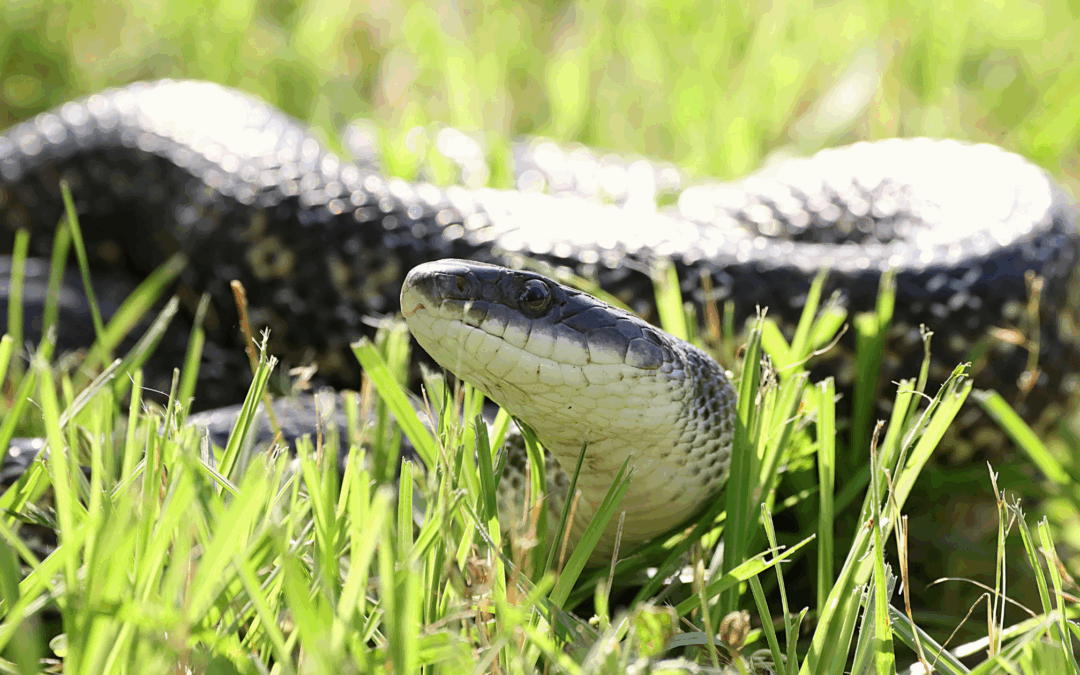
Living in Bonita Springs means enjoying warm weather, lush greenery, and vibrant wildlife. However, one aspect of Florida’s natural environment can cause concern for homeowners, snakes. While most snakes are non-venomous and play a critical role in controlling pests, it’s natural to want to keep them out of your living spaces. Fortunately, with some simple snake prevention steps, you can significantly reduce the chances of encountering a snake in or around your home.
Snake Prevention Tips For Bonita Springs
Seal Up Entry Points
Snakes are incredibly flexible and can squeeze through surprisingly small gaps. Even openings as small as a quarter of an inch can provide access to your home. Preventing their entry is one of the most effective defenses against unwanted visitors.
Tips for Sealing Your Home
- Inspect Your Home’s Exterior: Walk around your property and look for cracks, gaps, and holes in the foundation, walls, and along door frames.
- Seal Cracks and Holes: Use caulk, weatherproof sealant, or steel mesh to close gaps around windows, doors, and utility pipes.
- Install Door Sweeps: Add door sweeps to close gaps under exterior doors. This simple step can block off one of the easiest access points for snakes.
- Check Vents and Screens: Ensure crawlspace vents, attic openings, and other potential entry points are covered with fine-mesh screens.
By keeping your home sealed tight, you prevent snakes and other small critters from sneaking inside.
Clear Yard Clutter
Your yard can be a haven for snakes if it offers plenty of hiding spots and shade. Woodpiles, tall grass, and overgrown shrubs create the perfect environment for snakes to shelter or hunt for food.
Yard Maintenance Tips
- Trim Vegetation: Regularly cut your grass and trim bushes to eliminate potential hiding spots. Snakes prefer areas where they can move undetected.
- Remove Debris: Clear away piles of leaves, wood, or rocks. If you need to keep firewood, store it at least 12 inches off the ground and away from your home.
- Space Out Plants: Avoid dense planting near your house. Leave some space between shrubs and your home’s foundation to reduce hiding areas.
By making your yard less snake-friendly, you can encourage them to move on to less manicured locations.
Remove Food Sources
Snakes are often drawn to properties because they follow their food. Rodents, insects, and other small animals all attract snakes. Reducing these prey animals around your home will make it less enticing for snakes.
Steps to Eliminate Food Sources
- Rodent Control: Check for signs of rodents, such as droppings or chew marks, and call a rodent control professional if necessary.
- Secure Trash: Keep garbage bins tightly sealed to avoid attracting rodents and insects.
- Eliminate Standing Water: Standing water can attract amphibians and insects, which in turn attract snakes. Regularly empty items like buckets, birdbaths, or unused containers that collect water.
- Pet Food and Birdseed: Avoid leaving pet food or birdseed outside, as these can also attract small animals that snakes prey on.
Taking the time to eliminate food sources reduces the chances of snakes hunting near your home.
Secure Crawlspaces and Garages
Cool, shaded areas like crawlspaces and garages are prime locations where snakes might choose to hide. Without proper precautions, these areas can become long-term residences for snakes.
How to Snake-Proof These Areas
- Close Off Vents: Cover crawlspace and attic vents with wire mesh screens to prevent entry while maintaining airflow.
- Install Garage Door Seals: Check the bottom of your garage door for gaps and replace or install rubber seals if needed.
- Declutter: Remove stored items like boxes or unused equipment scattered on the floor. Keep storage areas organized to eliminate potential hiding spots.
- Monitor Doors and Windows: Always keep garage doors and windows closed when not in use, even if only for a short time.
Regularly inspecting and securing these spaces keeps them off-limits to snakes and other pests.
Snakes may be part of life in Bonita Springs, but they don’t have to be part of your home. Practicing good snake prevention methods like sealing entry points, clearing yard clutter, removing food sources, and securing shaded areas can go a long way. If snakes are still showing up, call a pest control company near you for expert snake removal help and peace of mind.