Sep 5, 2024 | Pest Control
As a homeowner, one of the worst realizations is finding out you have a full-blown pest infestation! Whether you’re new to living in Auburn, Alabama or have been here for years, it’s always a good idea to know what pests you might be up against. Here’s a quick rundown of five common pests in Auburn that you might encounter in your home and some tips on how to keep them at bay.
Common Pests in Auburn, Alabama
Ants
Ants are tiny but mighty when it comes to invading our homes. Whether it’s the common house ant or the notorious fire ant, these pests can be a real nuisance if they find their way inside your home. To avoid their infestation, keep your kitchen counters clean and store food in sealed containers. If you notice an ant trail, follow it to find their entry point and seal it up with caulk or another barrier.
Cockroaches
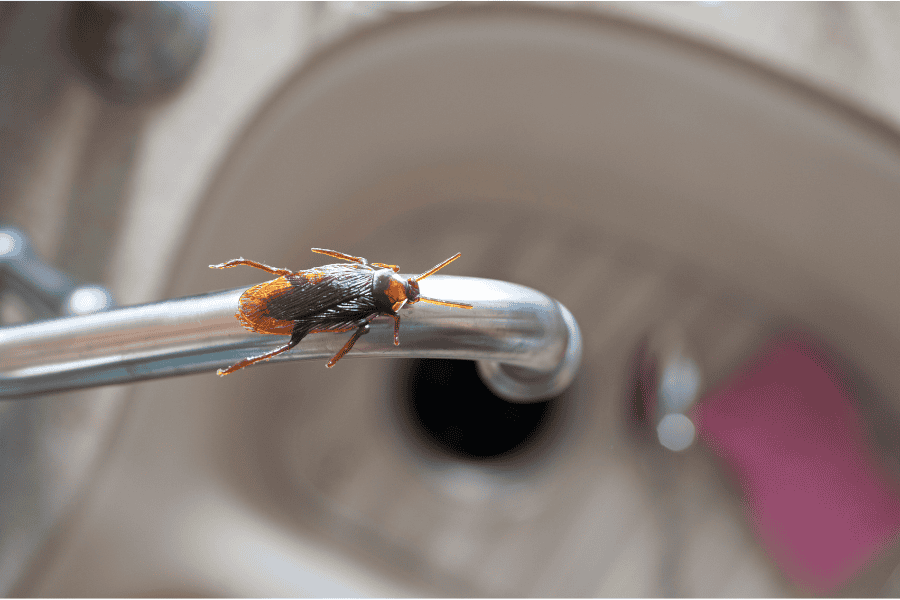
No homeowner wants to see a cockroach scurrying around in their home. Unfortunately, these pests are quite common in homes and apartments. These pests are attracted to food and moisture, making kitchens and bathrooms their favorite hangouts. Avoid roach infestation by regularly cleaning up crumbs, fixing leaky faucets, and taking out the trash frequently. If you spot one roach, there’s likely to be more, so consider calling a pest professional near you if the problem persists.
Mosquitoes
Mosquitoes are a familiar annoyance, especially during the humid summer months. These pests are not just irritating; they can also carry diseases, like the West Nile virus, making them more than just a pesky problem. Stop mosquitoes from taking over your yard by eliminating standing water around your home, where mosquitoes like to breed. Consider planting citronella on your property and use mosquito repellent containing DEET to keep them at bay when you’re outdoors.
Spiders
While spiders can seem scary, most of them are harmless; but some species can bite if threatened. There are various spiders in Alabama, including the brown recluse and orb-weaver spiders. These pests often find their way inside during colder months, creating their webs in basements and closets. To avoid spiders, keep your home tidy and vacuum regularly, paying special attention to corners and under furniture. Spiders are less likely to stick around if they don’t have a place to hide.
Rodents
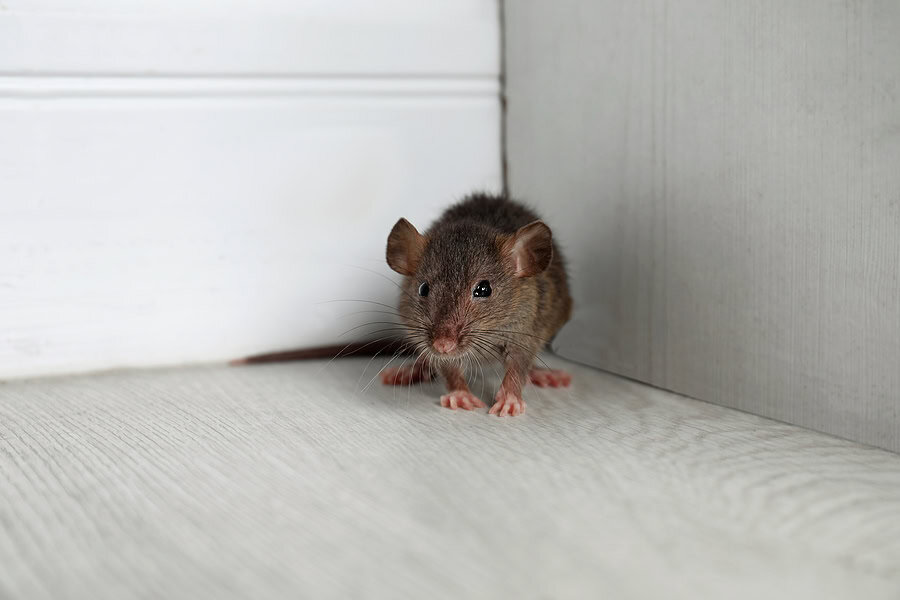
Rodents, like mice and rats, will typically enter homes when the weather cools down to look for a food source and a place to nest. These critters can chew through just about anything, including wires, insulation, and even drywall. Avoid rodents entering your home by inspecting for any cracks or gaps where rodents might enter and seal them. Likewise, make sure you take the trash out regularly and place it in a trashcan that has a tight lid. If you suspect a rodent is in your home, it’s always best to call a wildlife professional near you to remove them.
No one wants to share their home with pests, but by being proactive and staying informed, you can keep your Auburn home pest-free. If you’ve seen the above common pests in Auburn or would like to get a jump on prevention, call a pest control company near you. These professionals will provide you with a thorough inspection and treatment and prevention plan.

Sep 4, 2024 | Florida Snake Control
Florida’s beautiful landscapes are home to a wide range of wildlife—including many different types of snakes. While most Florida snake species are harmless and even helpful in controlling pests, spotting one too close to your home can be unsettling. That’s when knowing who to call for snake removal near you becomes important.
Whether you’re looking to identify snakes, prevent them from entering your yard, or deal with an unwanted visitor, this guide covers what you need to know about snake control in South Florida.
Common Snakes in South Florida
Understanding which snakes you might encounter can help you respond appropriately—especially when deciding if professional snake removal services are necessary.
Eastern Garter Snake
Small and non-venomous, garter snakes have stripes along their bodies and are commonly found in gardens and wooded areas. These snakes pose no threat to humans.
Southern Black Racer
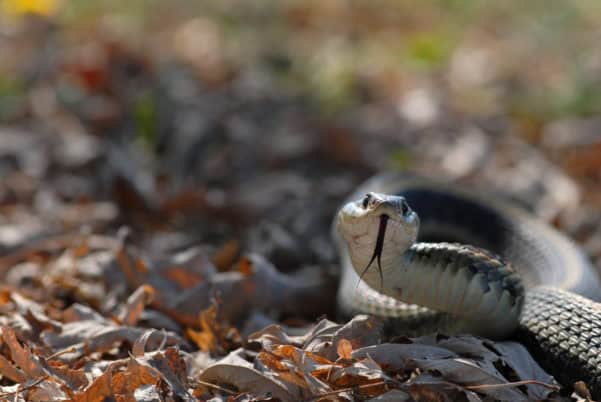
Fast-moving and sleek, these snakes are often seen darting across yards and open fields. Although they may startle you, they’re not venomous and typically flee when approached.
Eastern Coral Snake
With its distinctive red, yellow, and black banding, this venomous snake is one of Florida’s most dangerous. Coral snakes are reclusive and prefer wooded areas with sandy soil.
Copperhead
Rare in South Florida but worth noting, copperheads have a copper-colored head and hourglass pattern. These snakes are venomous and usually hide near water or under debris.
Black Pine Snake
Large and non-venomous, black pine snakes have dark bodies and light bellies. They favor sandy, forested habitats and help control rodent populations.
Easy Ways to Keep Snakes Out of Your Yard
While spotting an occasional snake isn’t unusual, you can reduce the chances of them hanging around your home with a few simple strategies:
1. Maintain a Clean Yard
Snakes love places to hide—tall grass, brush piles, and cluttered landscaping. Mow regularly, trim overgrown bushes, and clear out debris to make your yard less inviting.
2. Secure Entry Points
Snakes can squeeze through surprisingly small openings. Inspect your fencing and home for gaps or holes, and consider burying your fence a few inches underground to prevent snakes from slithering underneath.
3. Remove Food Sources
Rodents and insects attract snakes. Keep pet food, bird seed, and trash sealed tightly, and use rodent control measures as needed to eliminate a primary food source.
4. Plant Snake-Repellent Vegetation
Certain plants, like marigolds, lemongrass, and garlic, can deter snakes due to their strong scent. Add these to your landscape for a natural line of defense.
5. Monitor Water Sources
Standing water draws insects and amphibians, which in turn lure snakes. Ensure your yard has proper drainage and eliminate any areas where water collects unnecessarily.
6. Use Outdoor Lighting Wisely
Bright lights attract bugs—and bugs attract snakes. Opt for motion-sensor lighting to reduce nighttime insect activity while still keeping your yard safe.
What to Do If You Find a Snake in Your Yard
If you discover a snake on your property:
-
Stay calm and back away slowly
-
Do not try to trap or kill the snake
-
Keep pets and children at a safe distance
-
Call a professional for snake removal near you
Many snakes in Florida are protected, and attempting to remove them yourself—especially dangerous snakes like coral snakes or copperheads—can result in serious injury or legal issues. Let experienced snake pest control experts handle the situation.
When to Call Snake Removal Services
If you’re noticing frequent snake activity or suspect a nest nearby, it’s time to call in snake removal services. Wildlife professionals will not only safely remove the snake but also inspect your property, seal up potential entry points, and help create a long-term snake control plan.
Call for Trusted Snake Removal Near You in South Florida
Snakes are an important part of our ecosystem—but that doesn’t mean you want them too close to home. If you’re worried about snakes in your yard or home, don’t wait. Our licensed wildlife team offers professional, humane, and reliable snake removal near you in South Florida.
Contact us today to schedule an inspection and get peace of mind with expert snake control services.
Aug 30, 2024 | DIY Home Care, Insulation
When it comes to maintaining a comfortable and energy-efficient home in Georgia, attic insulation plays a crucial role. Proper attic insulation not only keeps your home cool in the summer and warm in the winter but also contributes to the overall health of your home. As a pest control company in Georgia, we understand that insulation is a key component in protecting your home from pests and other issues. In this blog, we’ll explore the benefits of attic insulation, the importance of energy efficiency, and how proper insulation can contribute to a healthier home environment.
Why Attic Insulation Matters
Attic insulation acts as a barrier between your living space and the outside environment, regulating temperature and preventing the exchange of heat. In Georgia’s diverse climate, where hot summers and mild winters are common, this regulation is essential for maintaining a comfortable indoor temperature year-round.
Energy Efficiency and Cost Savings
One of the most significant benefits of attic insulation is improved energy efficiency. Without adequate insulation, heat can easily escape during the winter or enter during the summer, causing your HVAC system to work harder to maintain a comfortable temperature. This increased workload leads to higher energy bills. By insulating your attic, you can reduce the amount of heat transfer, keeping your home cooler in the summer and warmer in the winter, ultimately lowering your energy costs.
Enhanced Comfort
Proper attic insulation ensures that your home maintains a consistent temperature throughout the year. This consistency not only contributes to energy efficiency but also enhances overall comfort. During the sweltering Georgia summers, a well-insulated attic can prevent excessive heat from entering your living spaces, allowing you to enjoy a cooler indoor environment. Similarly, in the winter, insulation helps retain heat, keeping your home warm and cozy.
Pest Control and Prevention
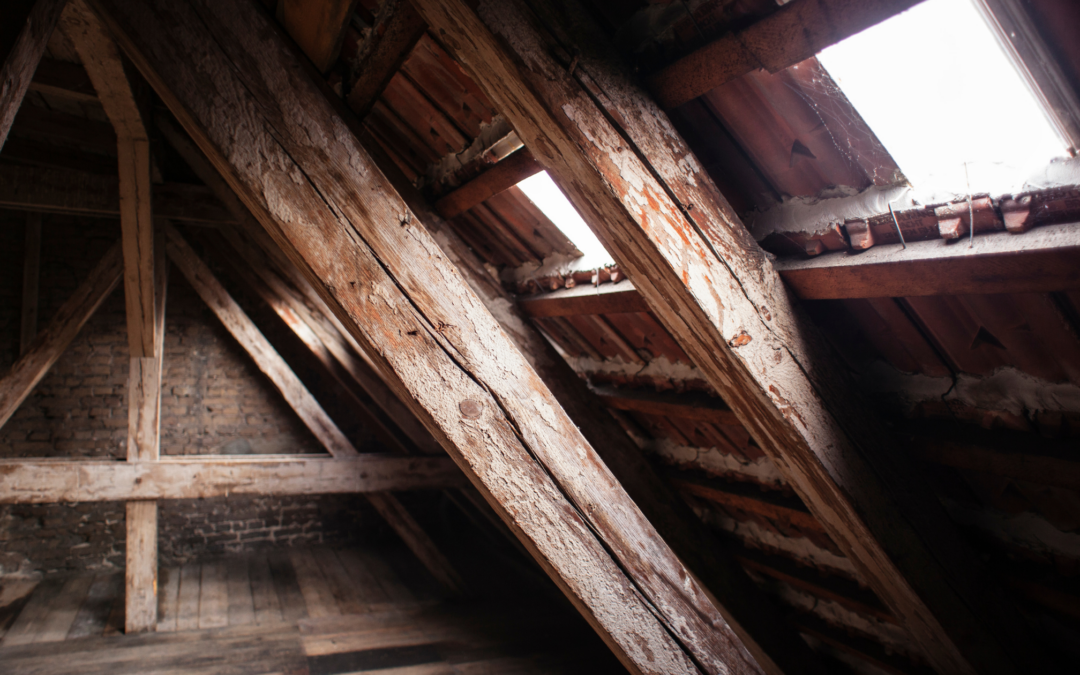
Attic insulation also plays a vital role in pest control. Pests such as rodents, insects, and birds often seek shelter in attics, especially during extreme weather conditions. Poorly insulated attics can provide easy entry points and nesting areas for these pests. By ensuring proper insulation, you can seal gaps and cracks that pests use to enter your home. Additionally, some insulation materials, like spray foam, can act as a deterrent to pests, making it less likely for them to infiltrate your attic.
Moisture Control
Moisture can be a significant issue in homes, leading to mold growth and structural damage. In Georgia, where humidity levels can be high, attic insulation can help control moisture levels in your home. Insulation acts as a barrier, preventing moisture from seeping into your living spaces. This not only protects your home’s structural integrity but also improves indoor air quality by reducing the risk of mold and mildew growth.
Soundproofing
Another advantage of attic insulation is its ability to soundproof your home. Insulation materials can absorb sound, reducing the transmission of noise from the outside and between rooms. This is particularly beneficial if you live in a noisy neighborhood or near busy roads. A quieter home environment contributes to a more peaceful and relaxing living space.
How to Insulate an Attic
Proper attic insulation requires selecting the right materials and ensuring they are installed correctly. There are several types of insulation materials available, each with its own benefits:
- Fiberglass Batts: These are pre-cut panels of insulation made from fine glass fibers. They are easy to install and provide good thermal protection.
- Spray Foam: This insulation expands upon application, filling gaps and sealing cracks effectively. It provides excellent thermal resistance and acts as a pest deterrent.
- Blown-In Insulation: Made from materials like cellulose or fiberglass, this type of insulation is blown into place, making it ideal for covering irregularly shaped areas.
When insulating your attic, it’s essential to consider the R-value, which measures the insulation’s thermal resistance. The higher the R-value, the better the insulation’s effectiveness. In Georgia, it’s recommended to have an R-value of R-30 to R-60, depending on your home’s specific needs.
Attic insulation is more than just a way to keep your home comfortable; it’s an investment in your home’s overall health and energy efficiency. By properly insulating your attic, you can enjoy lower energy bills, enhanced comfort, and protection against pests and moisture. As a pest control company in Georgia, we encourage homeowners to prioritize attic insulation as part of their home maintenance routine. Not only will it improve your home’s energy efficiency, but it will also contribute to a healthier and more comfortable living environment.
Aug 29, 2024 | DIY Pest Control, Florida Pest Control
Our warm climate attracts several unwanted pests, including rodents like rats and mice! These pests will cause significant damage to your property and pose health risks to your family. Let’s review why you need rodent prevention, how you can prevent them from invading your home and the potential damage they can cause!
Rodent Prevention Guide
How Rodents Can Damage Your Home
Rodents are more than just a nuisance, they will cause serious harm to your property, including:
- Structural Damage: Rats and mice chew through wood, insulation, and electrical wiring, potentially leading to costly repairs and fire hazards.
- Contamination: Rodents will contaminate food and surfaces with their droppings and urine, spreading diseases like Hantavirus and Salmonella.
- Gnawing: Rodents have a constant need to gnaw, often gnawing and damaging our furniture, doors, and personal belongings.
- Nesting: Mice and rats will create nests in walls, attics, and basements, causing insulation damage and increasing the risk of fire.
DIY Rodent Prevention Tips
To keep your Doral home rodent-free, consider these DIY rodent prevention tips:
- Remove potential nesting sites in your yard, including leaf piles and deep mulch.
- Keep your garbage in containers with tight-fitting lids.
- Inspect your home for any openings and seal them using steel wool or metal sheeting.
- Clean up leftover food crumbs and spills after each meal.
- Store food in plastic or glass containers with tight lids.
- Keep your home decluttered by removing old newspapers or magazines and storing items in plastic containers instead of cardboard boxes.
- Eliminate excess water by fixing any pipe leaks and consider enclosing your crawlspace to help minimize moisture and keep pests out.
If you’ve noticed rodent activity on your property, it’s best to call a pest control company near you. These rodent experts will provide your home with a thorough inspection, identify the type of rodent that’s invaded, and provide a rodent control and prevention plan.
Aug 27, 2024 | Commercial
As a restaurant owner or property manager, maintaining a pest-free environment is crucial for the success of your business. Among the most troublesome pests are those that sting, such as wasps, hornets, and bees. These pests pose health risks to your customers and staff, and their presence can tarnish your establishment’s reputation. Understanding the types of stinging pests commonly found around restaurants and knowing how to manage them can help you maintain a safe and welcoming environment.
Common Types of Stinging Pests Around Restaurants
Wasps
- Characteristics: Wasps are slender with smooth bodies and come in various colors, usually yellow and black.
- Behavior: They are aggressive and can sting multiple times. Wasps are attracted to food and sugary drinks, making restaurant patios and trash areas common hotspots.
Hornets
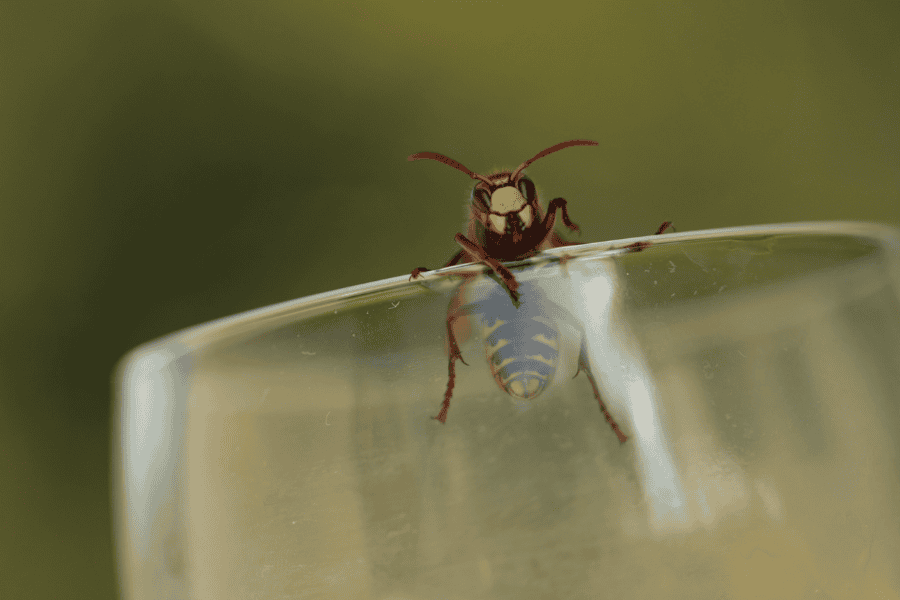
- Characteristics: Hornets are larger than wasps, with more robust bodies. They can be black and white or brown and orange.
- Behavior: Extremely aggressive, especially when their nests are disturbed. Hornets build large paper-like nests often found in trees, under eaves, or even in wall voids.
Bees
- Characteristics: Bees have fuzzy bodies and are usually black and yellow. Honeybees and bumblebees are the most common.
- Behavior: While generally less aggressive, bees will sting if threatened. Honeybees are essential for pollination but can be a nuisance if they swarm around dining areas.
How to Manage Stinging Pests
Regular Inspections
Conduct routine inspections around your restaurant, focusing on outdoor dining areas, trash bins, and entry points. Look for nests or high activity zones and address them promptly.
Proper Waste Management
Ensure that trash bins are sealed tightly and emptied regularly. Wasps and hornets are attracted to food waste, so maintaining clean waste disposal areas can significantly reduce their presence.
Seal Entry Points
Check for and seal any gaps or cracks in windows, doors, and walls where pests might enter. Installing screens on windows and doors can also help keep these pests out.
Professional Pest Control Services
Partnering with a professional pest control company ensures a thorough and effective approach to managing stinging pests. These experts can identify potential problems before they escalate and provide tailored solutions to keep your restaurant pest-free.
Safe Dining Practices
Encourage customers to cover their drinks and food when dining outside. Provide lids for cups and use containers with tight seals for condiments to minimize attraction to stinging pests.
Landscaping and Maintenance
Keep your landscaping tidy and free of debris. Trim bushes and trees regularly and remove any fallen fruits or flowers that can attract bees and wasps. Consider planting pest-repelling plants like mint or citronella around dining areas.
Maintaining a pest-free restaurant is essential for customer satisfaction and safety. Regular inspections, proper waste management, sealing entry points, and partnering with a professional pest control company are key strategies in keeping these types of stinging pests pests at bay. Give our team a call for a free, no-obligation quote today!