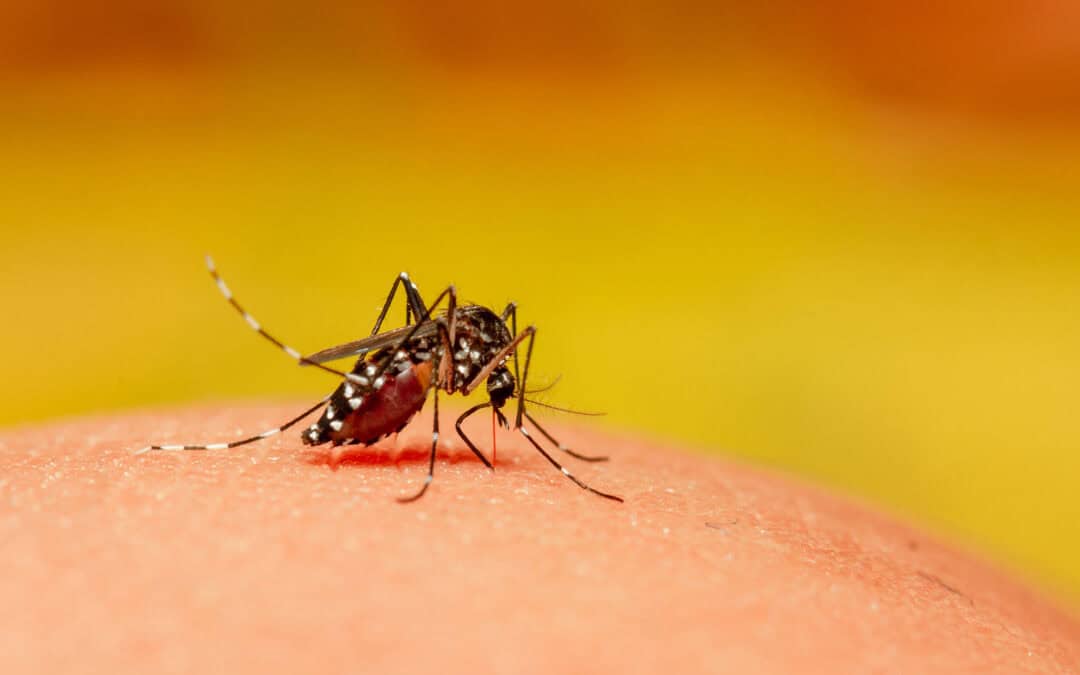
If you’ve been hearing bumps, scratches, or rustling noises coming from your attic, you’re not alone. Many South Carolina homeowners face unwelcome attic tenants, from rodents to insects, and even insulation issues that encourage these pests to stick around. To protect your home, it’s essential to know what’s causing the commotion and how to address it. Below, we’ll cover five common attic pests and how insulation problems could be making your attic the perfect place for these critters to settle.
Common Attic Pests and Insulation Issues
1. Rodents
Mice and rats are some of the most common attic invaders. These small pests can squeeze through tiny gaps in your roof or walls and quickly turn your attic into a nesting site. Once inside, they chew on wires, gnaw on wooden beams, and leave droppings that create health hazards.
How to Spot Rodents
Scratching Noises: Especially at night, when they’re most active.
Chewed Materials: Look for gnawed wires, boxes, or insulation.
Droppings: Small, dark pellets found along baseboards and in corners.
How to Prevent Rodents
Seal gaps around vents, roofing, and utility lines.
Store food securely and keep trash bins closed.
Trim back trees that overhang the roof to limit entry points.
2. Squirrels
Squirrels may seem cute in your backyard, but they’re far less adorable when they invade your attic. They typically enter through roof vents or damaged soffits and quickly set up nests. Left unchecked, their strong chewing habits can damage beams, ducts, and wiring.
Signs of Squirrels
Daytime Activity: Listen for scurrying noises during daylight hours, as squirrels are active during the day.
Nesting Materials: Look for twigs, leaves, or shredded insulation.
Entry Points from Roof: Check for holes or damage around eaves and vents.
How to Prevent Squirrels
Repair roof damage and install vent covers.
Use tree baffles to make it harder for squirrels to climb onto your home.
Trim trees to prevent easy roof access.
3. Bats
South Carolina’s warm climate can attract bats looking for a space to roost, and your attic often fits the bill. While bats play an important role in controlling insect populations, their droppings, called guano, can pose serious health risks.
Signs of Bats in the Attic
Chirping or Screeching Sounds: Bats are nocturnal and vocal, so you might hear them at night.
Guano Droppings: Look for small, shiny black droppings around entry points or in the attic.
Stains Around Entry Points: Dark, greasy stains may appear around cracks or holes bats use to get inside.
How to Prevent Bats
Seal entry points with caulk or wire mesh (only after confirming bats are out).
Install bat exclusion devices to allow them out but not back in.
Attics are often home to a variety of insect pests, including wasps, bees, and cockroaches. Wasps and bees build nests in eaves, while cockroaches prefer warm, dark spaces near food sources. Left unchecked, these pests can lead to infestations that spread through the home.
Identifying an Infestation
Bees or Wasps: Look for nests hanging from eaves or inside vents.
Cockroaches: Droppings, egg casings, or a musty smell can indicate their presence.
Other Bugs: Watch for swarms or noticeable pest activity around attic windows or lights.
How to Address It
Remove nests with professional help, especially for stinging insects.
Seal cracks and use weatherstripping to block entry.
Keep the attic clean and store food securely to avoid attracting roaches.
5. Insulation Issues
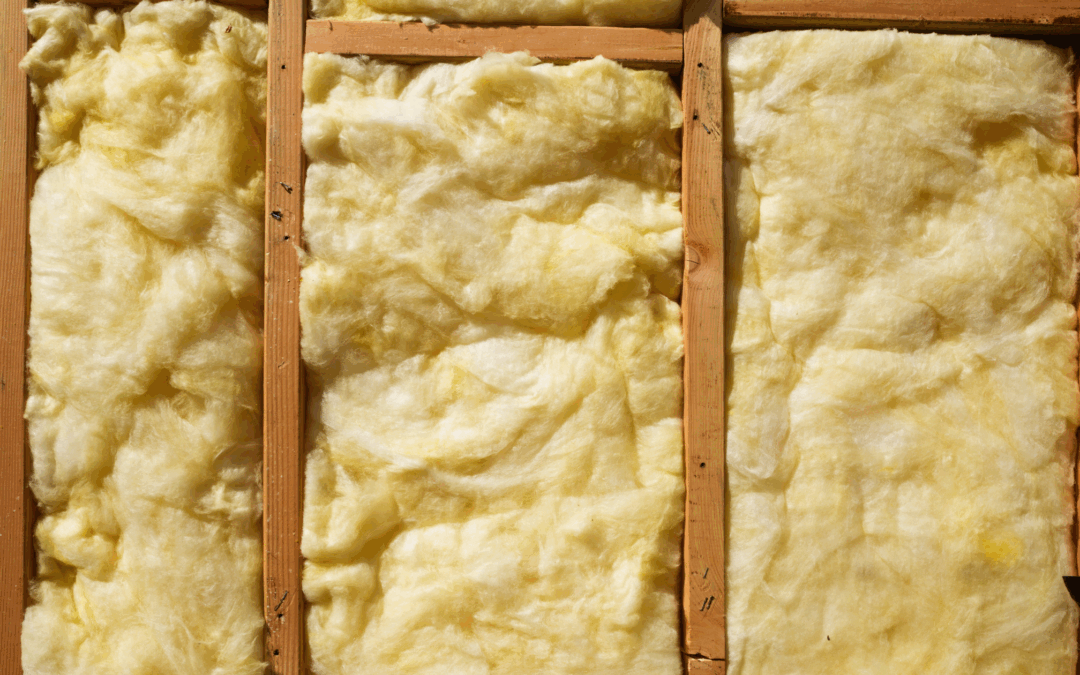
Beyond pests, poor insulation can contribute to your attic issues. Damaged attic insulation creates a warm, inviting nest for various pests while contributing to higher energy bills and reduced home comfort.
How Insulation Attracts Pests
Holes or Gaps: These make it easy for pests to enter.
Moisture Build-Up: Poor insulation can trap moisture, attracting insects and rodents.
Heat Retention: Warmth in the attic, especially during colder months, appeals to animals seeking shelter.
Fixing Insulation Problems
Inspect Regularly: Look for signs of damage, such as holes, missing sections, or shredded material (a clear sign of pest activity).
Replace Damaged Insulation: Invest in pest-resistant insulation solutions like spray foam or cellulose treated with borates, which deter insects.
Seal Air Leaks: Ensure proper attic ventilation while keeping gaps sealed to prevent entry.
How to Keep Your South Carolina Attic Pest-Free
Tackling pests and insulation issues in your attic takes a combination of prevention and professional support. Here are some tips to protect your home long-term:
Schedule Regular Inspections: Check your attic for leaks, insulation issues, and pest activity at least twice a year.
Seal Entry Points: Block cracks and openings with caulk, wire mesh, or steel wool.
Invest in Pest Control: Work with a pest control professional to eliminate infestations prevent future issues.
Maintain Cleanliness: Keep your attic clutter-free and dry to minimize appeal to pests.
By addressing these issues proactively, you can avoid costly repairs and keep your home protected, comfortable, and pest-free.
The noises in your attic may seem alarming, but they’re often a telltale sign of common attic pests or insulation problems. Whether it’s rodents, squirrels, bats, insects, or weak insulation creating the perfect habitat, taking preventive steps early on is key to maintaining a healthy home.
By Anna Vaccaro, Editorial Lead — Pest Education · Last updated: September 2026
Quick answer: Those green discs set flush in the soil around your foundation are termite bait stations. They are part of a monitoring and colony elimination system, most often the Sentricon System with Always Active technology. Leave them in place, keep them clear of mulch and grass, and let your provider know if one is damaged or missing. Northwest services these stations once a year, which is the interval the manufacturer’s label allows.
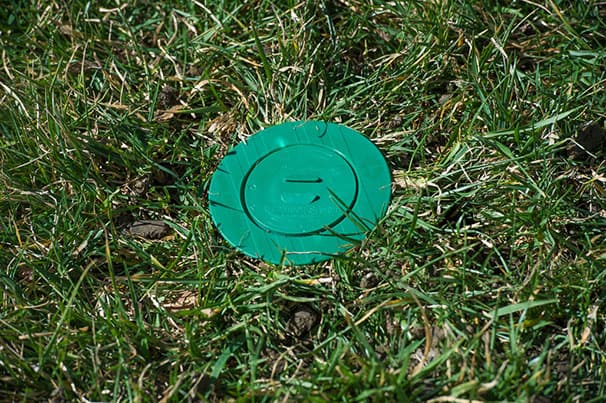
Green circles in the yard tend to get noticed on a weekend. You are edging the beds or walking the property line and there they are, a ring of flat green discs spaced evenly around the house. They are not irrigation heads, septic markers, or leftovers from the builder. This guide covers what they are, why they showed up, how often they get serviced, and the handful of things worth doing and not doing once you know.
What Are the Green Circles in Your Yard?
They are termite bait stations, also called termite monitoring stations or in-ground termite traps. Each one is a plastic housing sunk into the ground with a lid that sits flush with the soil, roughly the size of a coffee cup lid. They are installed at intervals around the perimeter of a home, usually every ten feet or so, which is why they read as a deliberate ring rather than something scattered.
The green color is not decorative. It makes the stations findable by a technician a year later, after mulch has been turned over and grass has grown in, while staying unobtrusive enough that most homeowners never think about them.
Most stations in the Southeast belong to the Sentricon System with Always Active technology. They target subterranean termites, the species responsible for the large majority of termite damage in the United States and the reason subterranean termites are treated as a structural risk rather than a nuisance pest.
How Do Termite Bait Stations Work?
A liquid barrier treatment puts a chemical zone in the soil that termites have to cross. Bait works the other way around. Instead of waiting at the perimeter, it gets carried home.
Termites find the bait on their own. Subterranean termites forage constantly through the soil looking for cellulose. A station sitting in their path is simply another food source.
They share it. Worker termites carry the bait back and feed it to the rest of the colony through normal food exchange, so it reaches insects that never visited the station.
The colony stops replacing itself. The active ingredient in Sentricon’s Recruit HD bait is noviflumuron, an insect growth regulator that interferes with molting. Termites have to molt to grow. When they cannot, the colony loses its workers and, with them, its ability to feed the queen.
The word “Always Active” is the part that matters for how the system is serviced. Older baiting systems shipped with an inert piece of wood inside the station. A technician had to visit, find termite activity on that wood, and only then swap in the actual bait. Always Active stations contain bait from the day they go in the ground, so there is no monitoring phase and nothing waiting to be triggered.
Why Did Stations Appear at My Home?
Usually one of four reasons.
New construction. Many builders include termite protection as standard, and in some markets it is required. If the home is recently built, the stations likely went in before you did.
A recent service. Someone scheduled termite protection and installation happened on a weekday you were out.
A previous owner. Termite agreements often transfer with the property. The stations may predate you by years, along with a warranty you have inherited.
A proactive plan. In areas with steady subterranean pressure, plenty of homeowners install protection before there is any sign of a problem, which is the cheapest point at which to deal with termites.
If you are not sure which applies, the paperwork will say. Our explainer on the difference between a termite bond and a termite warranty covers what those agreements actually commit each side to.
How Often Do Termite Bait Stations Need to Be Checked?
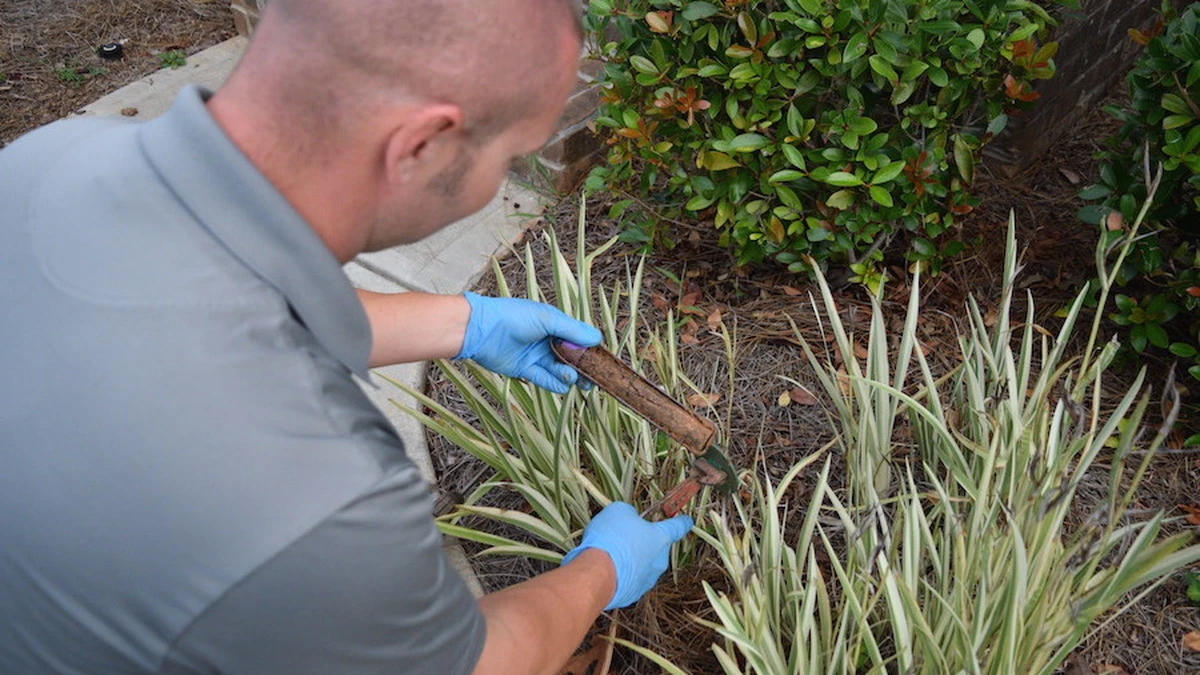
For Sentricon Always Active stations, once a year. That is the interval Northwest works to, and it is what the manufacturer’s label allows. Sentricon states that “label directions for Always Active technology allow your Certified Sentricon Specialist to perform service once per year, though some will come more often.”
That surprises people who remember quarterly visits, so it is worth being clear about why the interval changed. It is not a reduction in protection. It is a consequence of the bait being in the station full time.
Older monitoring systems
Always Active
What is in the station
A wood monitor, no bait
Bait, from installation onward
Why a technician visited
To look for activity and then add bait
To inspect and replenish as needed
Typical interval
Quarterly
Annual
Protection between visits
None until bait was added
Continuous
Annual is the standard interval, not a cap. If a station shows a hit, if there is a history of activity on the property, or if conditions around the structure change, a technician comes back more often. The agreement governs the specifics, so if you want the exact terms for your property, that document is the place to look.
Alongside station service, a Northwest termite agreement includes an annual interior inspection at no extra charge. That is the visit where a technician walks the inside of the home looking for the evidence covered in our guide to what termite inspectors look for.
Are Termite Bait Stations Safe Around Children and Pets?
This is the most common follow-up question, and it deserves a straight answer rather than a reassuring one.
Bait stations contain a registered pesticide. What makes them a low-exposure option is how and where the product sits:
The bait is enclosed and below grade. The station is a locking housing installed in the ground. The bait is not loose in the soil and is not broadcast across the yard the way a spray would be.
The active ingredient targets a process insects depend on. Noviflumuron is an insect growth regulator. It disrupts molting, which is central to how insects grow and irrelevant to mammals.
It stays where it is put. According to the manufacturer, the active ingredient is not systemic, so it is not taken up by nearby plants, and the potential for leaching is very low. That is the reason stations can sit near vegetable beds and ornamentals without a separate conversation.
It is EPA registered. Recruit HD is registered with the Environmental Protection Agency under registration number 62719-608. The Sentricon system also received the EPA’s Presidential Green Chemistry Challenge Award in 2000, in the Designing Greener Chemicals category.
The practical guidance is the same as for anything else in the yard: leave the stations closed, do not let children pry at the lids, and if a station has been broken open or dug up by a dog, call your provider rather than handling the contents.
What Should You Do If You Have Stations in Your Yard?
Very little, which is the point. Four things are worth knowing.
Leave them where they are. Placement is deliberate. Stations are positioned to intercept termites along the routes they actually travel, and moving one to tidy up a flower bed takes it out of that path.
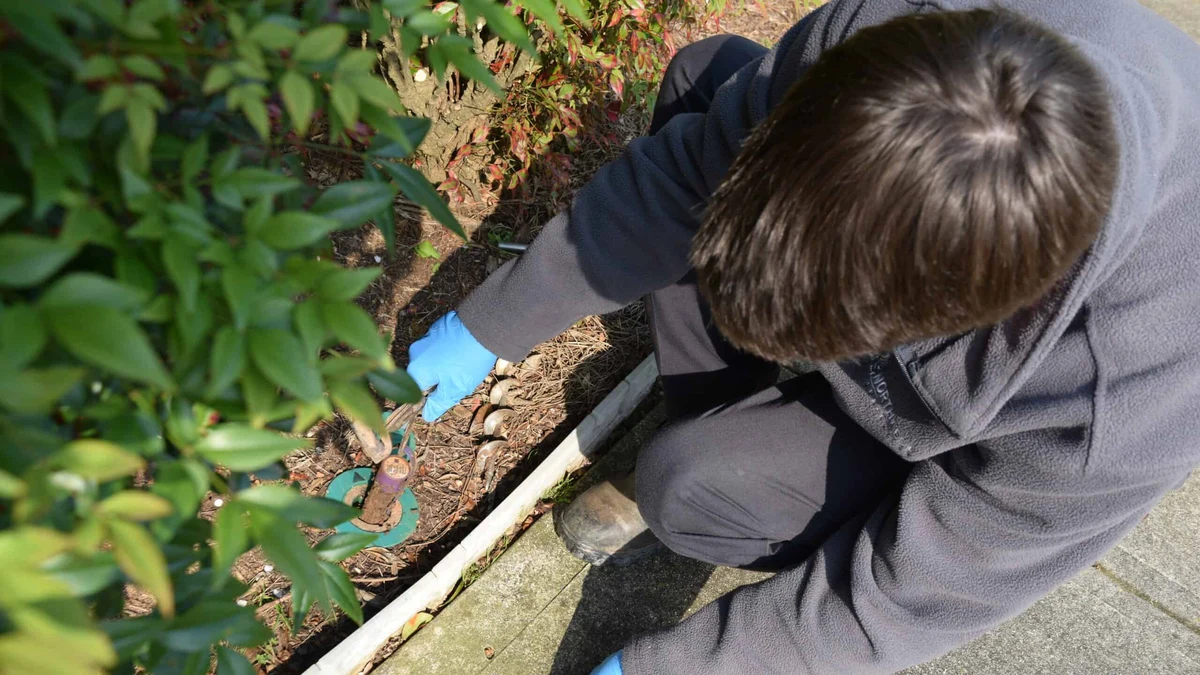
Keep the lids findable. Mulch, grass clippings, pine straw, and soil wash over the lids across a year. A quick clear before a scheduled service saves the technician from probing for a buried station.
Do not cover or pave over them. Landscape fabric, stacked pavers, planters, and stored equipment all block access. If a project is going to change the grade or hardscape near the foundation, tell your provider first so stations can be relocated properly.
Report damage. Mower decks, string trimmers, and contractors take out stations regularly. A cracked or missing station is a gap in the ring, and replacing it is routine.
Mowing over a lid is not a disaster. Leaving the gap unreported for a year is the part that costs something.
Bait Stations or Liquid Treatment: Which Is Right?
Both are legitimate. They solve the problem differently and suit different properties.
Bait stations
Liquid barrier
Approach
Eliminates the colony through shared bait
Treats the soil around the structure
Installation
Stations placed around the perimeter
Trenching and drilling around the foundation
Product volume
Small, contained in stations
Larger, applied through the soil
Ongoing service
Annual inspection
Periodic reapplication as the barrier degrades
Visible in the yard
Yes, the green lids
No
Which one fits depends on the construction of the home, the soil, the drainage, and what the property’s termite history looks like. Our post on the benefits of termite baiting systems goes further into where baiting has the advantage, and Northwest’s termite control service covers both approaches.
For background on the species these systems are built around, the National Pest Management Association maintains a profile of subterranean termites and the damage they cause.
What If You Don’t Have Green Stations?
No stations means no active termite protection, and that is worth knowing rather than assuming. Subterranean termites do not care how old a house is or how well it was built. They need wood and moisture, and every home has the first.
The economics are lopsided in an unusual way for home maintenance. The National Pest Management Association puts termite damage at more than $5 billion a year in the United States, and that damage is typically not covered by homeowners insurance. Prevention and monitoring cost a fraction of structural repair, and an inspection establishes whether there is existing activity and what the property’s actual risk looks like.
How often do termite bait stations need to be checked?
Sentricon Always Active stations are serviced once a year. That is the interval the manufacturer’s label allows, because the bait is present in the station continuously rather than being added after activity is found. Northwest works to that annual schedule and returns more often when a station shows activity or the property’s history calls for it. Your service agreement sets the specific terms.
How long do termite bait stations last?
The stations themselves stay in the ground indefinitely and are replaced only when damaged. The bait inside is inspected and replenished at each annual service. Protection continues as long as the agreement is active and the stations remain in place and accessible.
Do termite bait stations actually work?
Yes, when they are professionally installed, correctly spaced, and serviced on schedule. Bait eliminates the colony rather than repelling foragers, which is why it addresses the source instead of the symptom. The two things that undermine a system are stations that get buried or blocked and lapsed service.
Are termite bait stations safe for children and pets?
The bait is enclosed in a locking station installed below grade, not spread across the yard. The active ingredient, noviflumuron, is an insect growth regulator that disrupts molting. The product is EPA registered and, per the manufacturer, is not systemic and has very low leaching potential. Leave the stations closed, and contact your provider rather than handling the contents if one is broken open.
Can I install termite bait stations myself?
Retail kits exist, but the professional Sentricon system is available only through Certified Sentricon Specialists. Spacing, placement relative to conducive conditions, and documented service history are what make a system effective, and a self-installed system does not come with a warranty on the structure.
What should I do if a station is damaged or missing?
Contact your provider. A cracked lid, a station knocked loose by lawn equipment, or one removed during landscaping leaves a gap in the perimeter. Replacement is routine and does not require re-treating the property.
What to Take Away
Green circles in the yard are not a problem. They are the evidence that someone already dealt with one. Leave them in place, keep them clear, report damage, and expect a technician once a year.
If you are unsure whether your home has active protection, or you have inherited stations with paperwork you have never seen, a termite inspection will tell you where you stand.
About the Author
Anna Vaccaro, Editorial Lead — Pest Education, leads pest education content for Northwest Exterminating, working with senior technicians and service center managers across our Georgia, Alabama, Tennessee, and South Carolina service areas to translate field expertise into homeowner-friendly guides. The focus: accurate, regionally-specific answers to the pest questions Southeast homeowners are actually searching for.
Naples is known for its beautiful weather, lush surroundings, and outdoor lifestyle. Unfortunately, it’s also a perfect environment for mosquitoes. The city’s warm, humid climate, paired with frequent summer rains, creates ideal breeding conditions for these pests. Mosquitoes are more than just a nuisance; their bites can transmit diseases like West Nile virus, Zika, and dengue fever. To truly enjoy life in Naples without constant mosquito problems, you need a reliable and eco-friendly solution. That’s where the innovative In2Care Mosquito Control System comes in.
Naples Mosquito Control: In2Care Mosquito System
Mosquito Challenges in Naples
The natural beauty and climate in Naples come with a downside. Mosquitoes thrive in warm, wet environments, and the rainy season creates plenty of standing water for them to lay eggs. This can make outdoor activities uncomfortable and even harmful. Traditional chemical-heavy treatments often provide short-term relief but may harm beneficial insects, pets, or the environment. To combat mosquitoes effectively and sustainably, a smarter approach is offered.
The Eco-Friendly Solution: How In2Care Works
In2Care Mosquito Control is a revolutionary way to protect your home from mosquitoes without relying on harmful pesticides. This system focuses on prevention by targeting mosquitoes at their source with a unique, environmentally conscious design.
Targeted Delivery: The In2Care trap specifically attracts female mosquitoes looking for a place to lay eggs. Once inside, they pick up a bio-agent that kills both the mosquito and her larvae.
Prevention and Spread Control: The female mosquito carries the bio-agent to other breeding sites, essentially stopping mosquito populations before they grow.
Healthy & Sustainable: The system uses minimal pesticides, only targeting mosquitoes and leaving beneficial species unharmed. It’s a healthy option for households with children, pets, and gardens.
Why Choose In2Care for Your Family?
Families in Naples face a unique challenge when it comes to mosquitoes. Traditional mosquito control sprays may provide temporary relief but often require frequent reapplication, involve harsh chemicals, or fail to target mosquitoes at all life stages. These approaches don’t always prevent mosquitoes from returning.
With In2Care, you get long-lasting results and peace of mind. Here’s why it’s an ideal choice for your family:
Environmentally Friendly: By using biological agents and avoiding widespread pesticide application, the system ensures the well-being of the ecosystem and your home environment.
Convenient and Low Maintenance: Once installed, the system requires little effort on your part. Professional checks ensure optimal functioning, allowing you to enjoy a mosquito-free home without extra work.
Efficient and Proactive: Unlike sprays that kill mosquitoes on contact, this system works at the source, stopping breeding and reducing the population over time.
Family-Focused: Because it’s healthier for humans and pets, it’s perfect for households with children, animals, and outdoor spaces like gardens or patios.
Enjoy Mosquito-Free Living
The In2Care Mosquito Control System offers Naples families an eco-friendly way to combat mosquito problems effectively. With its innovative design and ability to target mosquitoes at their source, it not only reduces mosquito populations but also makes your home healthier and more comfortable for your loved ones.
Say goodbye to itchy bites and constant sprays. With In2Care, you can enjoy Naples’ outdoor beauty without the worry of mosquitoes. Protect your family, prioritize the environment, and make the most of your time outside. Contact your local pest control provider to learn more about installing an In2Care system today!
Alabama’s warm, humid climate makes it a hotspot for pests like fire ants, mosquitoes, termites, rodents, and cockroaches. These uninvited guests can disrupt your home’s comfort and even cause damage—but eco-friendly pest control strategies can help keep them at bay. Check out our guide to green pest control strategies you can use in your Alabama home.
Eco-Friendly Pest Control Methods
Common Alabama Pests
Fire Ants: Aggressive and quick to bite.
Termites: Silent destroyers of wood structures.
Mosquitoes: Thrive near standing water and carry disease.
Rodents: Damage wiring and contaminate food.
Cockroaches: Love warmth and moisture and can spread allergens.
Knowing what you’re up against makes prevention easier.
Eco-Friendly Pest Prevention Tips
1. Clean & Seal Your Home
Wipe down surfaces and store food in airtight containers.
Seal gaps around doors, windows, and pipes to block entry.
2. Reduce Moisture
Fix leaks and use fans in humid areas.
Remove standing water outside to deter mosquitoes.
3. Maintain Your Yard
Keep plants trimmed and away from your home.
Store firewood and mulch at least 12″ from your foundation.
Regularly empty items that collect rainwater.
4. Try Natural Repellents
Use peppermint, citronella, or eucalyptus oil to repel pests.
Diatomaceous earth works well on ants and roaches.
Garlic spray can help keep mosquitoes away outdoors.
5. Go with Green Pest Control
Partner with pest control pros who use natural treatments or Integrated Pest Management (IPM) methods.
Why Eco-Friendly Pest Control Matters
Using natural solutions protects your family and the environment while still keeping your home pest-free. Proactive habits like sealing cracks, reducing moisture, and using plant-based repellents offer long-term protection without harsh chemicals.
With a few smart steps, you can enjoy peace of mind and a pest-free home all year long—the eco-friendly way. Reach out to your local pest control experts to help you along the way.
Ghost ants are a common nuisance in Florida, especially during warm, humid months. Small but persistent, they often invade homes in search of food and moisture. Their pale, translucent bodies and dark heads make them hard to spot, and their ability to form multiple colonies indoors makes them tough to eliminate. Knowing where they hide and how to prevent them is key to keeping these tiny pests out.
A Guide to Ghost Ants in Florida
Top Signs of a Ghost Ant Infestation
Ghost ants are drawn to moisture and sweets, often showing up in kitchens and bathrooms. Here’s how to spot an infestation:
Visible Ant Trails: Fast-moving lines of ants along counters or walls, especially near sugary spills.
Clusters Near Moisture: Found around sinks, leaky pipes, or humid spots.
Sweet Smell When Crushed: A faint, sugary scent may be noticeable when ants are squashed.
If you spot any of these signs, act quickly to prevent the problem from spreading.
Where They Like to Hide
Ghost ants are masters of staying out of sight, which makes them especially challenging to deal with. They can squeeze into incredibly tight spaces and establish nests in various hidden areas. Here are some of their favorite hiding spots:
1. Behind Baseboards
Baseboards provide a discreet entry point as well as a cozy nesting area. These spots are particularly appealing in homes with moisture issues.
2. Under Sinks
Leaky pipes and damp cabinets create ideal conditions for these ants. Inspect these areas frequently, as they’re a common hotspot for ant activity.
3. Potted Plants
Ghost ants often nest within the moist soil of indoor plants, so be sure to check for unusual movement around your greenery.
4. Inside Electrical Outlets
Small spaces like electrical outlets or wall voids are perfect for these ants to build nests and expand their colonies unnoticed.
5. Kitchen Appliances
Ghost ants are drawn to food sources, and kitchen appliances often provide hidden crumbs and moisture. Check behind refrigerators, under toasters, and inside cabinets for signs of activity.
How to Prevent and Get Rid of Ghost Ants
Ghost ants are persistent, but with a few proactive steps, you can keep them out.
Prevention Tips:
Clean Up Food: Wipe counters, clear crumbs, and store food in airtight containers.
Fix Leaks: Repair pipes and reduce moisture in kitchens and bathrooms.
Seal Entry Points: Close gaps around windows, doors, and baseboards with caulk or weather stripping.
Check Plants: Don’t overwater and inspect indoor plants for signs of ants.
How to Get Rid of Them:
Use Baits: Place sweet or protein-based ant baits along active trails.
Erase Trails: After you have eliminated the ants, clean surfaces with vinegar and water to disrupt scent paths.
Try Natural Repellents: Diatomaceous earth and essential oils like peppermint can help deter them.
Because ghost ants form multiple colonies, a persistent problem may need professional treatment.
Don’t Ignore Ghost Ants
Ghost ants may be tiny, but the inconvenience they bring is anything but small. By understanding the signs of an infestation and taking proactive steps to prevent them, you can keep your home ant-free and comfortable year-round. Contact a trusted pest control professional for expert advice and effective treatments to reclaim your home today!
*Inspection fee for Bird Control or Snake Removal begins at $125. These service inspection fees will be applied to total service cost if bird control and/or snake removal services are completed.
By submitting, you agree to be contacted about your quote. See our Privacy Policy.
READY TO GET STARTED?
REQUEST A FREE ESTIMATE
Fill out the form below or call (866) 800-2197 for a free, no-obligation estimate.
READY TO GET STARTED?
REQUEST A FREE ESTIMATE
Fill out the form below or call (866) 800-2197 for a free, no-obligation estimate.
READY TO GET STARTED?
REQUEST A FREE ESTIMATE
Fill out the form below or call (855) 374-3795 for a free, no-obligation estimate.