Dec 9, 2025 | Pest Control
Winter in Savannah brings cooler temperatures and a break from the summer heat, but not from pest activity. Because the area’s winters are mild, many pests remain active — often moving indoors in search of warmth, food, and shelter. Rodents, cockroaches, and spiders are among the most common intruders this time of year. Understanding which common winter pests stay active and how to keep them out is the first step to protecting your home all season long.
Why Pests Seek Shelter in Winter
Even a subtle drop in temperature can signal a significant change for pests. As their natural outdoor habitats become less hospitable, your home offers an ideal alternative with stable temperatures, moisture, and a consistent supply of food. This instinctive drive for survival is what leads to an increase in indoor pest sightings during the winter months. These pests can enter through the smallest of openings, turning your home into their winter retreat.
Rodents: Mice and Rats
House mice and roof rats are two of the most common pests to invade Savannah homes in winter. They are intelligent and resourceful, capable of squeezing through tiny cracks and holes to gain entry.
- Behavior: Once inside, rodents establish nests in dark, secluded areas like attics, basements, wall voids, and behind large appliances. They are nocturnal, so you may hear scratching or scurrying sounds at night before you ever see a mouse or rat.
- Risks: Rodents pose a considerable risk to property and well-being. They must constantly gnaw to keep their incisors short, leading them to chew through electrical wiring, drywall, and plastic pipes, which can create fire hazards and cause leaks. They also contaminate food and surfaces with their droppings and urine.
Cockroaches
Cockroaches are a year-round problem in Georgia, but their indoor presence can become more noticeable in winter. Species like the American cockroach and the German cockroach are experts at finding their way inside.
- Behavior: Cockroaches are drawn to moisture and food. They often hide in kitchens, bathrooms, laundry rooms, and basements. They thrive in cluttered areas and can reproduce quickly, allowing a small problem to become a major infestation in a short amount of time.
- Risks: Cockroaches can spread germs and bacteria across your home. Their shed skins, droppings, and saliva contain proteins that are known to trigger allergies and asthma symptoms, especially in children and sensitive individuals.
Spiders
Spiders are not typically winter pests, but they often follow their food source—other insects—indoors. If you see an increase in spiders, it could be a sign of another underlying pest issue.
- Behavior: Spiders prefer quiet, undisturbed areas to build their webs, such as corners, closets, basements, and attics. While most common house spiders are not aggressive, their presence and webs can be a nuisance.
- Risks: The primary concern with spiders is their webs and the unsettling feeling of sharing your home with them. Their presence often indicates that other pests are available as a food source within your home.
Effective Winter Pest Prevention Strategies
A proactive approach is the best way to maintain a pest-free home. Focusing on exclusion and sanitation can make your property far less appealing to these unwanted winter guests.
Seal Entry Points
Carefully inspect your home’s exterior for any gaps or openings that pests could use to get inside.
- Fill cracks in the foundation and around windows with caulk.
- Use steel wool to seal holes around pipes and utility lines, as rodents cannot chew through it.
- Install weather stripping on doors and windows to create a tight seal.
Eliminate Attractants
Remove the food, water, and shelter that pests are searching for.
- Store all food, including pet food, in airtight containers.
- Clean up crumbs and spills immediately and avoid leaving dirty dishes in the sink.
- Fix leaky faucets and pipes to reduce moisture.
- Keep your home, especially storage areas like basements and attics, clean and clutter-free.
When Professional Help Is Needed
While these prevention methods are effective, an established pest population can be difficult to manage on your own. If you see signs of infestation, such as droppings, gnaw marks, or the pests themselves, it is time to consult a pest control professional to ensure your Savannah home remains a comfortable, pest-free space this winter.

Dec 8, 2025 | Florida Pest Control
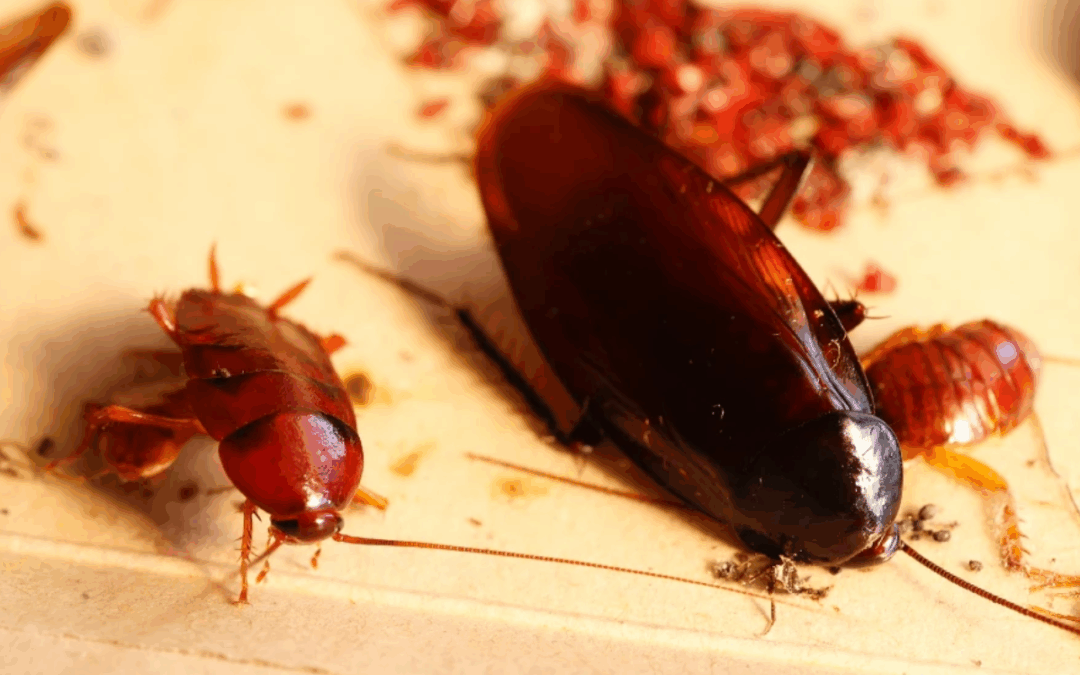
November in Miami brings cooler weather, but it also drives smokybrown cockroaches indoors. Unlike other roaches, these large, winged pests aren’t attracted to filth—they’re seeking shelter for the cooler months. This guide explains how to identify them, why they move inside in November, and how to keep your home roach-free.
Getting to Know the Smokybrown Cockroach
The Smokybrown cockroach (Periplaneta fuliginosa) is a large species, typically measuring over an inch long. They are a uniform, shiny mahogany or black color and have fully developed wings that extend beyond their bodies. While they are strong fliers, they are often more attracted to light than other roach species.
These roaches are outdoor dwellers by nature. They thrive in warm, humid environments and are commonly found in areas with plenty of moisture and organic matter, such as:
- Mulch and leaf litter
- Tree holes and stumps
- Greenhouses and planters
- Gutters filled with debris
Unlike German cockroaches, which infest kitchens and bathrooms in search of crumbs, Smokybrowns need a high degree of humidity to survive and will dehydrate quickly without it.
Why Are They Invading Miami Homes in December?
As the season changes, so do the living conditions for Smokybrown cockroaches. Even the subtle temperature drop and drier air of a Miami November can be enough to drive them indoors in search of a more stable environment.
A Need for Moisture
The primary driver for a Smokybrown cockroach invasion is moisture. As the air becomes less humid, these roaches will migrate toward areas that can provide the dampness they require. Your home may offer several attractive spots, including basements, crawlspaces, laundry rooms, and bathrooms.
Shelter from the Elements
Your home provides protection from cooler temperatures and predators. Smokybrowns will exploit any available opening to gain access, often hiding in attics, wall voids, or behind cabinets where they can remain undisturbed.
The Issues with a Smokybrown Infestation
While a single roach might seem like a minor issue, their presence can indicate a larger problem. You should not have to share your living space with these pests.
- Contamination: Cockroaches walk across a variety of surfaces, including garbage and decaying matter, before crawling over your countertops, dishes, and food preparation areas. This can lead to the spread of germs throughout your home.
- Allergens: Cockroach droppings, saliva, and shed skins contain proteins that can trigger allergic reactions and asthma attacks, particularly in sensitive individuals and children.
- A Sign of a Larger Problem: Seeing Smokybrowns indoors often points to a moisture issue or an unsealed entry point that could allow other pests to enter as well.
How to Prevent an Indoor Invasion
Proactive prevention is the most effective way to keep Smokybrown cockroaches out of your home. The focus should be on exclusion and reducing moisture.
Seal Your Home’s Exterior
Conduct a thorough inspection of your property and seal any potential entry points.
- Fill cracks in the foundation and gaps around pipes with caulk or sealant.
- Install weather stripping on doors and windows to ensure a tight fit.
- Repair or replace damaged screens.
- Cover attic vents and other openings with fine mesh.
Reduce Moisture Levels
Make your home less attractive by controlling humidity.
- Fix leaky faucets, pipes, and drains immediately.
- Ensure crawlspaces and attics are properly ventilated.
- Use dehumidifiers in damp areas like basements.
- Keep gutters clean and ensure they direct water away from the foundation.
Maintain Your Yard
Since these roaches live outdoors, managing your landscape is key.
- Keep mulch and pine straw at least a foot away from your home’s foundation.
- Clear away leaf litter, woodpiles, and other organic debris.
- Trim tree branches and shrubs so they do not touch the house.
Don’t let these sneaky invaders disrupt your holiday season. Contact a pest control professional to schedule an inspection and ensure your Miami home remains a comfortable, pest-free environment.
Apr 15, 2025 | Mosquito
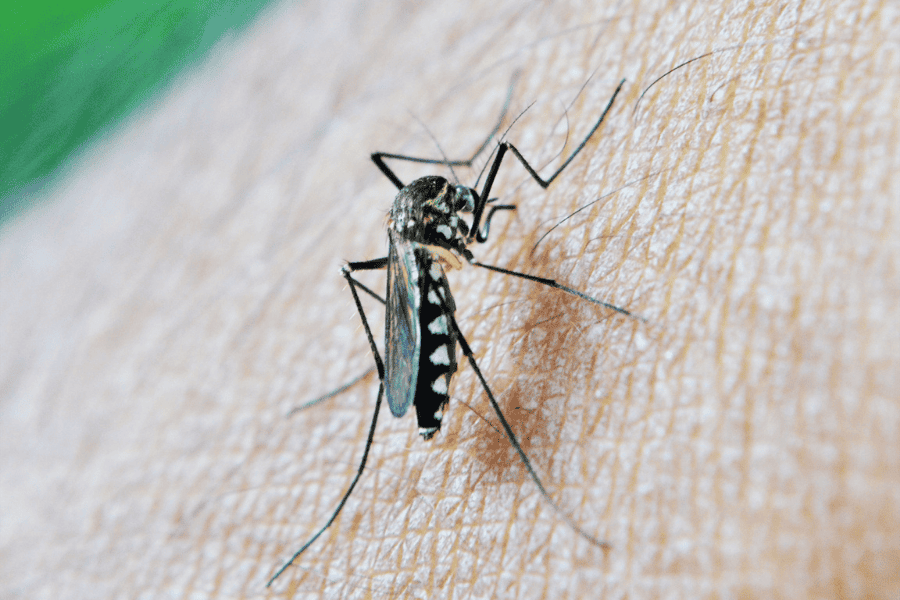
If you’re living in Atlanta, Georgia, you know that mosquito season is no joke. From late spring through early fall, these buzzing, biting pests can turn your relaxing backyard into an unbearable space. If you find yourself searching for “pest control near me”, you’re not alone—and the good news is, help is right around the corner.
With the right mosquito control strategy and pest control services, you can reclaim your yard and enjoy the warm Georgia evenings without worrying about itchy bites or dangerous diseases. Here’s everything you need to know about dealing with mosquito problems in Atlanta—and how professional pest control can make all the difference.
A Guide to Mosquito Control Near You
When is Mosquito Season in Georgia?
In Atlanta, mosquito season typically begins as early as March and can last all the way through October, depending on the weather. Mosquitoes thrive in warm, humid conditions, which makes Georgia’s climate ideal for long-lasting mosquito activity.
The season peaks during the hot summer months—June through September—when standing water is more abundant and breeding conditions are perfect. If left untreated, a single backyard can host hundreds, if not thousands, of mosquitoes, creating a serious pest infestation that affects your health, comfort, and quality of life.
Why You Shouldn’t Ignore Mosquito Problems
Mosquitoes aren’t just annoying; they can be dangerous. In Georgia, mosquitoes are known carriers of diseases like West Nile virus, Eastern Equine Encephalitis, and Zika virus. For families with children or pets, this poses an increased risk that shouldn’t be taken lightly.
Even if you’re only dealing with a mild nuisance, a mosquito problem can quickly escalate. Standing water, overgrown vegetation, and shaded areas provide perfect breeding grounds, turning your yard into a hotbed for pests in a matter of days.
Mosquito Control Treatments That Work
When you search for pest control near me, you’re likely looking for an immediate and effective solution. That’s where professional pest control services step in. A licensed pest control technician can assess the extent of your mosquito problem and create a customized treatment plan tailored to your yard.
Common mosquito control methods include:
-
Backpack Fogging or Misting: A technician will spray a fine mist around shrubbery, trees, fences, and other mosquito-prone areas to kill adult mosquitoes on contact. This method also provides a residual effect that lasts for weeks.
-
Larvicide Applications: By treating standing water with safe and effective larvicides, technicians can stop mosquitoes at the source—preventing them from maturing into biting adults.
-
In2Care® Mosquito Traps: This innovative, eco-friendly trap attracts female mosquitoes and spreads a fungus that kills both larvae and adults. In2Care offers long-term mosquito control with minimal environmental impact.
-
Ongoing Treatment Plans: Monthly or bi-weekly treatments during mosquito season can prevent future infestations and help you maintain a pest-free yard.
Tips to Keep Mosquitoes Out of Your Yard
In addition to hiring pest control services, homeowners can take several steps to reduce mosquito populations around the home:
1. Eliminate Standing Water
Dump out flowerpots, bird baths, buckets, kiddie pools, and clogged gutters—mosquitoes lay their eggs in stagnant water.
2. Maintain Your Landscape
Keep grass trimmed and bushes pruned to eliminate shady resting places for adult mosquitoes.
3. Use Outdoor Fans
Mosquitoes are weak fliers. Installing fans on patios or decks can help keep them away during gatherings.
4. Install Mosquito-Repellent Plants
Plants like citronella, lavender, and marigolds are natural deterrents. Add them to your landscaping for extra protection.
5. Keep Your Pool Maintained
Unfiltered or untreated pools are perfect breeding grounds for mosquitoes. Ensure your pool is clean and chemically balanced.
These simple steps, combined with professional pest control, can drastically reduce the number of mosquitoes on your property.
Why Choose Professional Pest Control?
While DIY solutions may offer temporary relief, they rarely address the root of the problem. Partnering with a professional pest control company in Atlanta ensures:
-
Thorough inspections to identify hidden breeding grounds
-
Targeted treatments that are safe for your family and pets
-
Ongoing support to help you prevent future pest problems
-
Peace of mind knowing your home is protected
When you work with local experts, you benefit from their understanding of Georgia’s unique climate and pest behaviors. They’ll tailor their approach specifically to your needs, ensuring better results and long-term protection.
Your Backyard Should Be a Place to Relax—Not Worry About Bites
Don’t let mosquitoes ruin your outdoor space this season. Whether you’re dealing with an active infestation or just want to stay ahead of the problem, a quick search for “pest control near me” will lead you to the local experts who can help.
By investing in mosquito control and year-round pest control services, you can protect your family, enjoy your backyard again, and avoid the dangers that come with ignoring a pest infestation.
Request a Free Pest Control Quote Today
Ready to take back your yard from mosquitoes and other pests? Our team of experts in Atlanta, GA is here to help you every step of the way. From custom treatment plans to ongoing support, we’ll ensure your home stays protected all year long.
Don’t wait until mosquito season is in full swing. Call us now or click the link below to request a FREE pest control quote today and enjoy peace of mind all summer long!
Mar 31, 2025 | Pest Control
Pest infestations can be a major nuisance for homeowners and businesses in Atlanta. Whether you are dealing with ants in the kitchen, rodents in the attic, or termites damaging your home’s foundation, securing professional pest control services is essential. But how much does pest control cost in Atlanta? In this blog, we will break down common pest control services, factors that influence pricing, and why investing in scheduled pest management is a smart decision. If you’re looking for affordable pest control solutions, read on to find out what to expect from a local exterminator and how to get the most effective pest control Atlanta has to offer.
What To Know About Pest Control In Atlanta
Common Pest Control Services in Atlanta
When hiring a professional pest control company, the type of service you need will greatly affect the price. Here are some of the most common pest control services available in Atlanta:
1. General Pest Control
This service includes treatments for common household pests such as ants, spiders, cockroaches, silverfish, and earwigs. It typically involves an initial treatment followed by regular maintenance visits to prevent future infestations.
- Cost: $100 – $300 for an initial visit; $40 – $70 per monthly treatment
2. Termite Control
Termites can cause significant structural damage, making them one of the most expensive pests to manage. A professional termite control company will offer bait stations, liquid treatments, or fumigation services to eliminate pests and protect your home from future infestations.
- Cost: $500 – $2,500 depending on the size of the home and treatment method
3. Rodent Control
Rodents like rats and mice pose serious health risks. Professional rodent control services include trapping, exclusion, and preventative measures to keep rodents from returning.
- Cost: $150 – $500 depending on infestation severity
4. Mosquito Control
Mosquitoes thrive in Atlanta’s humid climate. Mosquito control services use larvicides, adulticides, and habitat reduction to control populations effectively.
- Cost: $75 – $150 per treatment; seasonal packages available
5. Bed Bug Treatments
Bed bug infestations require specialized treatments such as heat treatments, chemical applications, or a combination of both.
- Cost: $300 – $2,500 depending on treatment method and infestation size
6. Wildlife Removal
If you have issues with raccoons, squirrels, or opossums, hiring a local exterminator for humane wildlife removal services is crucial.
- Cost: $200 – $1,000 depending on the animal and extent of infestation
Factors That Influence Pest Control Pricing
The cost of pest control Atlanta services depends on several key factors:
1. Type of Pest
Some pests, like termites and bed bugs, require specialized treatments that are more expensive than general pest control.
2. Severity of Infestation
A minor pest issue will cost significantly less than a full-blown infestation requiring extensive treatment.
3. Treatment Frequency
A one-time pest control treatment costs more per visit than an ongoing maintenance plan. Many homeowners opt for scheduled pest control services to prevent future infestations.
4. Property Size
Larger homes or commercial buildings require more product and labor, increasing the overall cost.
5. Type of Treatment
Eco-friendly and green pest control solutions may cost more than traditional chemical treatments but offer safer alternatives for families and pets.
6. Reputation and Experience of the Exterminator
A highly trained professional from a reputable company may charge more, but their expertise ensures effective pest control solutions that save you money in the long run.
Benefits of Scheduled Pest Control Services
Many homeowners and businesses in Atlanta opt for ongoing pest management plans rather than one-time treatments. Here’s why:
1. Cost Savings
Regular maintenance prevents large infestations that can be costly to eliminate.
2. Long-Term Protection
Scheduled pest control ensures that treatments remain active and prevent future pest problems before they escalate.
3. Health and Safety
Pests carry diseases, contaminate food, and cause allergies. Professional pest control services help protect your family and employees from health risks.
4. Property Protection
Termites, rodents, and carpenter ants can cause significant damage to your home’s structure. Routine pest management safeguards your investment.
5. Peace of Mind
Knowing that your home is protected from pests year-round provides peace of mind and a better quality of life.
Common Pests Found in Atlanta
Atlanta’s warm climate makes it a hotspot for various pests. Here are some of the most common:
- Ants: Fire ants, carpenter ants, and Argentine ants are frequent invaders.
- Cockroaches: German cockroaches and American cockroaches thrive in humid environments.
- Termites: Subterranean termites cause extensive damage to wooden structures.
- Rodents: Rats and mice seek shelter indoors, especially in colder months.
- Mosquitoes: These biting insects peak during the summer and pose health risks like West Nile virus.
- Spiders: While most are harmless, brown recluse and black widow spiders can be dangerous.
- Bed Bugs: These nocturnal pests spread rapidly and are challenging to eradicate.
How to Get Affordable Pest Control in Atlanta
If you’re looking for affordable pest control options, follow these tips:
- Request a Free Inspection: Many pest control companies offer a free inspection to assess your pest problem and provide an accurate quote.
- Compare Pricing: Get multiple quotes from different providers to find the best deal.
- Choose a Maintenance Plan: Scheduled services often come at a discounted rate compared to one-time treatments.
- Look for Promotions and Discounts: Some companies offer seasonal discounts, first-time customer promotions, or bundled service packages.
Get Professional Pest Control in Atlanta Today
Pests can be a persistent problem, but with highly trained professionals on your side, you can eliminate pests and protect your home year-round. Whether you need a one-time treatment or ongoing pest management, hiring an Atlanta pest control company ensures that you get the most effective pest control solutions available.
If you’re struggling with a pest problem, don’t wait—contact a local exterminator today for a free inspection and take the first step toward a pest-free home!
Call Now for Your Free Pest Control Inspection!
Don’t let pests take over your home or business. Contact us today to schedule your free inspection and get a customized treatment plan from Atlanta’s top pest control services provider. Our highly trained professionals are ready to provide affordable pest control solutions to keep your space pest-free. Call now and reclaim your home!
Jan 31, 2025 | Going Green
If you’ve been searching for “pest control near me” or considering how to manage pests while keeping your home safe for your family and the environment, you’ve likely come across the term green pest control. But what exactly does it mean, and how does it differ from traditional methods? This guide will explain the methods used in green pest control, the benefits of choosing environmentally-friendly pest control services, and why hiring a professional pest control company with excellent customer service is the best way to protect your home from local pests.
A Breakdown of Green Pest Control
What Is Green Pest Control?
Green pest control focuses on minimizing the use of harmful chemicals while still effectively managing pest problems. These eco-friendly methods prioritize the health of people, pets, and the environment. Instead of relying on broad-spectrum chemical pesticides, green pest control uses integrated pest management (IPM) techniques to eliminate pests while preventing future infestations.
Key Methods Used in Green Pest Control
- Integrated Pest Management (IPM):
IPM is the backbone of green pest control. This approach combines a variety of methods to tackle pests at every stage of their lifecycle. It includes regular pest inspections, monitoring, and preventive strategies to address the root cause of infestations.
- Biological Controls:
These methods involve introducing natural predators or organisms to control pest populations. For example, beneficial insects like ladybugs may be used to control aphids in gardens.
- Botanical Pesticides:
Unlike synthetic pesticides, botanical pesticides are derived from natural sources such as plants. They are less toxic to humans and animals but highly effective against pests. Neem oil and pyrethrins are common examples.
- Mechanical and Physical Barriers:
Green pest control often uses traps, screens, and other physical barriers to keep pests out of homes and gardens. This method helps manage pests without the need for chemicals.
- Eco-Friendly Products:
Green pest control products are specially formulated to target specific pests without harming beneficial insects, the soil, or water sources. Many of these products are biodegradable and safe for indoor and outdoor use.
- Cultural Practices:
Adjusting how we live or maintain our homes can also deter pests. For instance, keeping food sealed, fixing leaks, and eliminating standing water reduces the likelihood of infestations.
How Green Pest Control Differs from Traditional Pest Control
- Focus on Prevention:
Traditional pest control often focuses on extermination, using strong chemicals to kill pests after they’ve already invaded. Green pest control emphasizes preventing pests from entering your home in the first place through proactive measures like pest inspections and sealing entry points.
- Reduced Chemical Use:
Traditional methods rely heavily on synthetic pesticides, which can linger in the environment and harm non-target species. Green pest control uses minimal or no synthetic chemicals, making it safer for your family, pets, and the planet.
- Long-Term Solutions:
While traditional pest control may provide quick fixes, green pest control aims to address the underlying causes of pest problems for long-term solutions.
- Customized Pest Management Plans:
Green pest control companies often develop personalized pest control plans tailored to the specific needs of your home and the types of local pests you’re dealing with.
Benefits of Green Pest Control for Professional Pest Control
- Health and Safety:
One of the most significant advantages of green pest control is that it protects your family and pets from exposure to harmful chemicals. If you’ve been hesitant to search for an “exterminator near me” due to safety concerns, green pest control offers a safer alternative.
- Environmentally Friendly:
By reducing chemical use, green pest control minimizes the impact on local ecosystems. It helps preserve beneficial insects and prevents water contamination.
- Effective Pest Management:
With a combination of prevention, monitoring, and targeted treatments, green pest control provides reliable results while keeping your home pest-free.
- Improved Customer Service:
Professional pest control services that offer green solutions often take a more personalized approach. A local pest exterminator will conduct thorough pest inspections and work with you to create a pest control plan that meets your unique needs.
- Compliance with Regulations:
Green pest control aligns with growing environmental regulations and consumer demand for sustainable practices. It’s a forward-thinking choice that reflects a commitment to the health of your home and community.
Why Choose a Professional Pest Control Company?
If you’re dealing with a pest problem, it’s always best to work with a trusted pest control company that offers comprehensive residential pest control services. A local pest exterminator can provide the expertise and tools needed to eliminate pests while protecting your home from future infestations.
With customized pest control plans, ongoing pest inspections, and exceptional customer service, professional pest control services take the guesswork out of managing pests. Whether you’re looking for green pest control methods or need immediate help with a pest problem, searching for a “pest control near me” will connect you with local experts who understand the challenges of managing local pests.
Protect Your Home with Green Pest Control
Green pest control isn’t just about eliminating pests—it’s about doing so in a way that protects your family, pets, and the environment. By choosing a pest control company that prioritizes sustainable practices, you’re taking a proactive step toward a healthier home and planet.
For eco-friendly pest control services in Georgia, reach out to your local pest exterminator today. Protect your home, solve your pest problems, and enjoy the peace of mind that comes with a pest-free space.
Looking for expert pest management? Request a green pest control plan today!